Source Customized Wool Beret for Fashion, Outdoor, and Tactical Use
Explore 30 listings for Customized Wool Beret options featuring adjustable sizes, windproof designs, and various colors. Buyers can compare materials like 100% wool and wool polyester, along with customization capabilities and MOQs ranging from 10 to 3000 units.
Key considerations
Products List


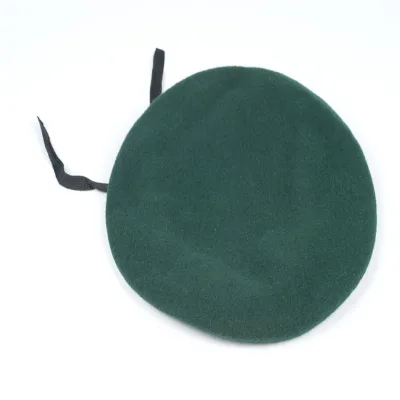


Customized High Quality 100% Wool Beret Caps Tactical Beret Security Hat
$3.56 - $4.86
MOQ: 1000 Pieces


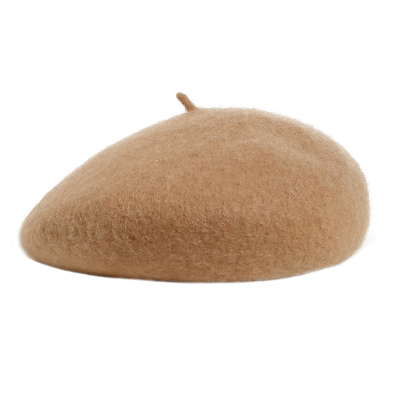


Wool Beret Hat Custom Solid Color Classic Beret for Fashion & Outdoor Use
$3.30 - $4.30
MOQ: 100 Pieces

Wool Beret Men's Security Fur Hat Special War Peacekeeping Beret Wholesale
$3.20 - $4.80
MOQ: 200 Pieces


Comprehensive Sourcing Guide
Strategic Sourcing Guide for Customized Wool Berets
Understanding Product Specifications and Variability
When sourcing customized wool berets, buyers must first navigate a landscape defined by significant variability in technical specifications. The market offers products ranging from pure wool constructions to blended fabrics, each presenting distinct performance characteristics. Based on observed product data, the primary material composition varies between 100% wool and wool-polyester blends. The 100% wool variant offers traditional breathability and warmth, aligning with classic winter and autumn wear, while the wool-polyester blend often introduces enhanced durability and shape retention, suitable for tactical or outdoor applications.
Size specifications are another critical variable. Standard sizing often falls within the 56-60cm range, which accommodates the majority of adult head circumferences. However, the market also supports fully customized sizing, allowing buyers to specify exact measurements to meet specific demographic or uniform requirements. The crown structure is consistently noted as "With Crown," ensuring the traditional beret silhouette, while brim availability is a key differentiator. Some models are supplied "Without Brim," adhering to the classic military or fashion beret profile, whereas others feature a "With Brim" design, which may alter the intended aesthetic or functional utility.
Seasonal adaptability is a frequent selling point, with listings indicating suitability for Spring/Autumn, Summer, and Winter. This suggests that manufacturers may offer varying weights or weave densities to accommodate different climates. Buyers should verify the specific weight and weave tightness for their intended season, as a "lightweight" designation does not guarantee performance in freezing conditions without further technical verification. The following table summarizes the observed specification variations to aid in initial product filtering.
| Specification Category | Observed Variations | Sourcing Implication |
|---|---|---|
| Material Composition | 100% Wool, Wool-Polyester Blend | Determines warmth, breathability, and cost. |
| Size Range | 56-60cm (Standard), Customized | Standard sizes reduce lead time; custom sizes require tooling. |
| Brim Configuration | With Brim, Without Brim | Affects silhouette and functional coverage. |
| Seasonal Rating | Spring/Autumn, Summer, Winter | Requires verification of thermal properties. |
| Style | Plain Color, Customized Pattern | Plain colors offer speed; custom patterns require design approval. |
Compliance and Certification Verification Protocols
In the realm of textile procurement, particularly for items involving wool, compliance and certification are paramount. While specific certification data such as OEKO-TEX was noted in background information, buyers must treat such claims with caution and demand verifiable documentation rather than relying on general marketing statements. The primary focus should be on verifying that the wool used meets safety standards regarding chemical residues, dyes, and allergens.
Buyers should explicitly request test reports from accredited laboratories to confirm that the finished berets comply with the safety standards of the destination market. For products originating from China, as indicated by the supply chain data, it is essential to ensure that the manufacturing process adheres to international environmental and labor standards. The presence of a "Customized" attribute in the product description implies that the supply chain is flexible, but this flexibility must not compromise regulatory compliance.
When evaluating suppliers, do not assume that a "Customized" product automatically meets specific international standards. Instead, include a clause in the purchase agreement that mandates compliance with relevant safety regulations. This includes verifying that the "Washable" and "Windproof" claims are backed by performance test results. For instance, if a supplier claims a beret is windproof, a physical test or a third-party certification confirming wind resistance ratings should be required before finalizing the order. Similarly, the "Adjustable" feature mentioned in some listings requires mechanical testing to ensure the adjustment mechanism does not fail after repeated use.
Cost Drivers and Pricing Structure Analysis
The pricing structure for customized wool berets is influenced by a complex interplay of material costs, customization levels, and order volume. The observed price range in the market spans from $1 to $6.20 USD, a wide variance that reflects differences in material quality, brand positioning, and order quantity. The lower end of this spectrum likely corresponds to standard, non-branded items with minimal customization, possibly utilizing wool-polyester blends to reduce costs. The higher end typically reflects pure wool construction, branded products, or items with complex custom patterns and logos.
Minimum Order Quantity (MOQ) is a significant cost driver. Data indicates an MOQ range from 10 to 3,000 units. For buyers seeking small batches for prototyping or niche markets, suppliers with lower MOQs (e.g., 10-500 units) are essential, though the unit cost will be higher. Conversely, larger orders benefit from economies of scale, but the buyer must be prepared to commit to higher volumes, such as the 500-unit threshold observed in some listings.
Customization is a primary factor increasing the unit price. Options such as "Customized Logo," "Customized Pattern," and "Customized Size" add layers of complexity to the production process. These services often require separate setup fees, design time, and specialized machinery, which are passed on to the buyer. Additionally, the "Brand" attribute, such as "Claymore" or "cxxc," suggests that branded items may carry a premium. Buyers should negotiate based on the total cost of ownership, including the cost of design, tooling, and the per-unit price, rather than focusing solely on the base price.
Typical Applications and Market Segmentation
Customized wool berets serve a diverse array of applications, ranging from military and tactical use to fashion and corporate branding. The "Department: Berets" and "Type: Tactical Outdoor" classifications highlight a specific segment where functionality is paramount. In this context, features like "Windproof," "Washable," and "Lightweight" are critical. These berets are often used by uniformed personnel, security teams, or outdoor enthusiasts who require headwear that can withstand harsh environmental conditions while maintaining a professional appearance.
In the fashion sector, the "Plain Color" and "Customized Pattern" options allow for brand differentiation. The "Unisex" and "Adults" applicability make these items versatile for corporate gifts, promotional merchandise, or fashion collections. The ability to customize the color palette, including options like Black, Blue, Brown, Gray, and Green, enables brands to align the product with their specific visual identity. The "Spring/Autumn" and "Winter" seasonal ratings suggest that these items are often part of broader seasonal collections, requiring buyers to plan procurement cycles around fashion trends and weather patterns.
The "Adjustable" feature is particularly valuable for applications where a one-size-fits-all approach is not feasible, such as in uniform distribution for organizations with a wide range of employee sizes. This feature enhances user comfort and ensures a secure fit, which is essential for both safety and aesthetic reasons.
Supplier Evaluation and Selection Criteria
Selecting the right supplier for customized wool berets requires a rigorous evaluation process that goes beyond price comparison. Buyers should prioritize suppliers who demonstrate transparency in their production capabilities and supply chain origins. The "Place of Origin: Beijing, China" and "P. R. China" data points indicate a concentration of manufacturing in specific regions, which can be advantageous for logistics but requires due diligence on local supplier reliability.
Key evaluation criteria include the supplier's ability to handle customization requests effectively. A supplier that offers "Customized Logo" and "Customized Pattern" should have a proven track record of maintaining design integrity and color accuracy. Buyers should request samples of previous custom work to assess the quality of embroidery, printing, or weaving techniques. Furthermore, the "Packing" specifications, such as "1PC/Polybag" or "Polybag & Carton," should align with the buyer's logistics requirements. Efficient packing reduces damage risk and optimizes shipping costs.
Lead time and production capacity are also critical factors. While specific lead times were not provided in the data, the variability in MOQ suggests that suppliers may have different production capacities. Buyers should inquire about the supplier's ability to scale production to meet urgent demands without compromising quality. Additionally, the "Single gross weight" and "Single volume" data, even if listed as zero or generic, should be clarified to ensure accurate freight cost calculations. A supplier who provides detailed packaging dimensions and weight data demonstrates a higher level of professionalism and logistical awareness.
Quality Control and Long-Term Procurement Strategy
Establishing a robust quality control (QC) framework is essential for maintaining product consistency, especially when dealing with customized items. Given the "Customized" nature of the product, buyers must implement a multi-stage QC process. This includes pre-production checks on material samples, in-process inspections during weaving and dyeing, and final random inspections before shipment. The "Washable" and "Windproof" claims should be verified through physical testing to ensure they meet the stated performance standards.
For long-term procurement, buyers should focus on building a strategic partnership with suppliers who offer consistent quality and reliable customization services. The ability to produce "Customized Size" and "Customized Pattern" repeatedly with high fidelity is a strong indicator of a supplier's technical capability. Buyers should also consider the environmental impact of their sourcing decisions, given the "Wool" material composition. Ensuring that the wool is sourced sustainably and that the dyeing processes are eco-friendly can enhance the brand value of the final product.
Finally, buyers should maintain a clear communication channel with suppliers regarding any changes in specifications or design requirements. The "Customized" attribute implies a dynamic relationship where flexibility is key. By establishing clear protocols for design approvals, material sourcing, and quality benchmarks, buyers can mitigate risks and ensure a steady supply of high-quality customized wool berets that meet their specific market needs. This strategic approach not only secures the current supply chain but also builds resilience for future procurement challenges.
FAQs
What materials are used for customized wool berets?
Customized wool berets are typically made from 100% wool or wool-polyester blends. The 100% wool variant offers traditional warmth, while the blend provides enhanced durability suitable for tactical applications.
Can buyers request custom sizes for these berets?
Yes, buyers can request custom sizes beyond the standard 56-60cm range. Manufacturers support fully customized sizing to meet specific uniform or demographic requirements for adult users.
Which customization options are available for patterns and logos?
Suppliers offer customized patterns, logos, and colors including black, blue, and brown. Plain colors are standard, but custom designs and logos are accepted upon request for branding purposes.
How does the minimum order quantity affect pricing?
The minimum order quantity ranges from 10 to 3000 units, significantly impacting the unit price. Lower MOQs suit prototyping but cost more per unit, while larger orders benefit from economies of scale.
Are these berets suitable for all seasons?
Listings indicate suitability for spring, autumn, summer, and winter depending on the specific model. Buyers should verify weight and weave density to ensure performance in their intended climate conditions.
What packing methods are used for these products?
Products are typically packed as one piece per polybag or in polybag and carton combinations. The specific packing method depends on the supplier and order requirements to ensure safe transport.
Where are these customized wool berets manufactured?
These berets are manufactured in the People's Republic of China, with specific origins noted in Beijing. Buyers should verify the specific factory location for logistics planning and compliance checks.