Source Customized Zinc Alloy Ashtray for hotels, homes, and events
Compare 30 listings for Customized Zinc Alloy Ashtray featuring round and square designs suitable for hotels, homes, and promotional events. Buyers can evaluate materials like aluminum alloy and zinc, along with MOQs ranging from 1 to 2000 pieces.
Key considerations
Products List
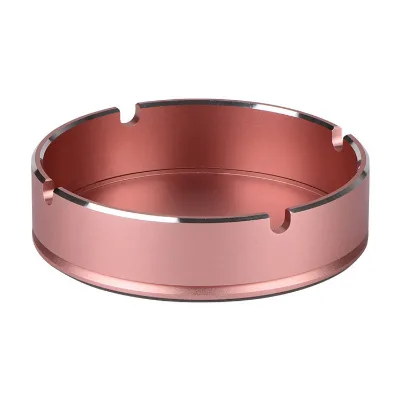
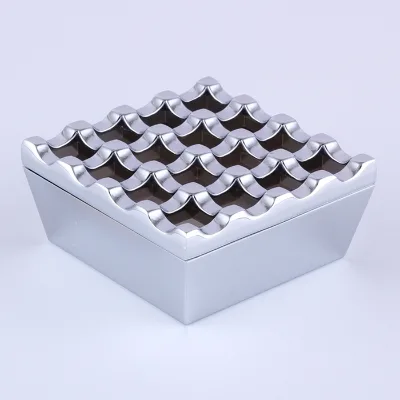
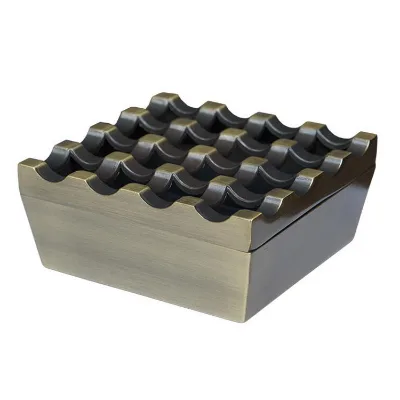
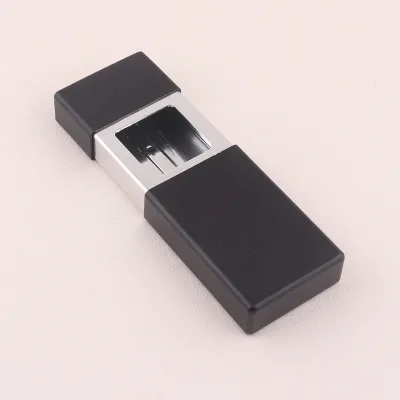
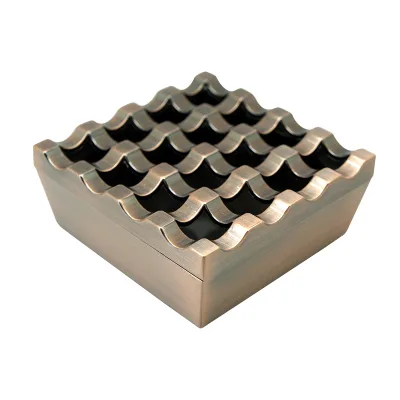
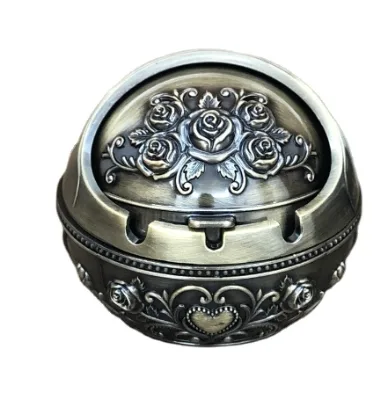
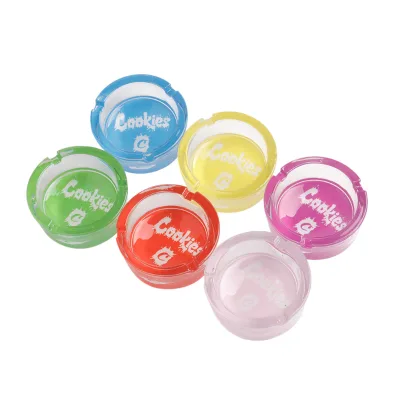

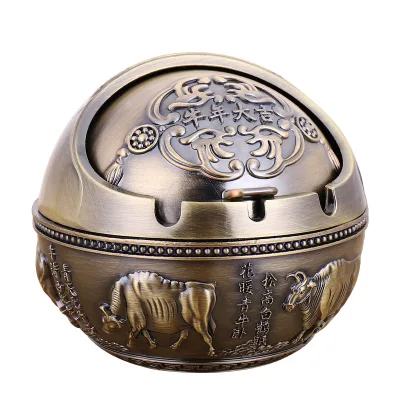


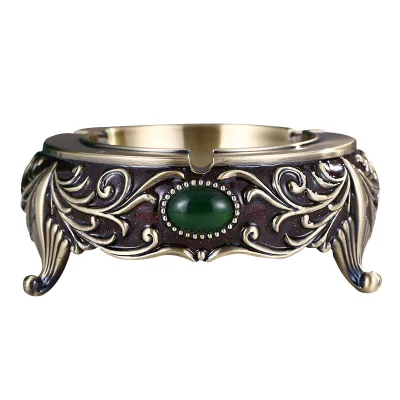
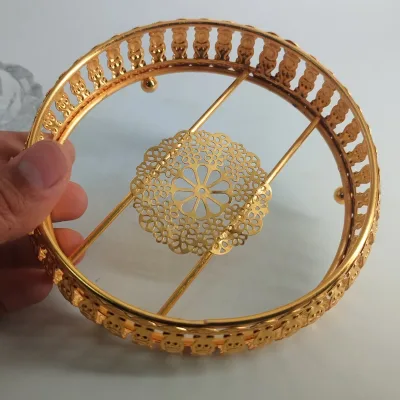



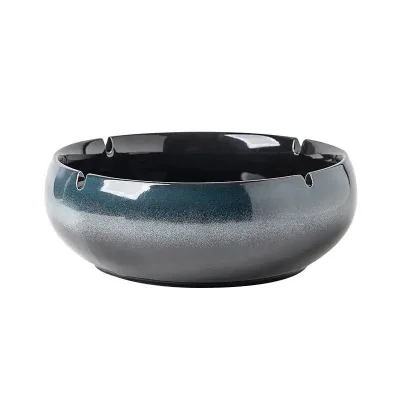
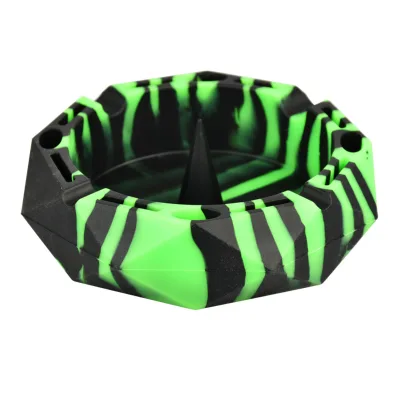
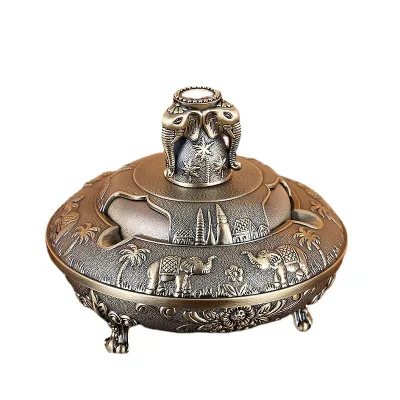
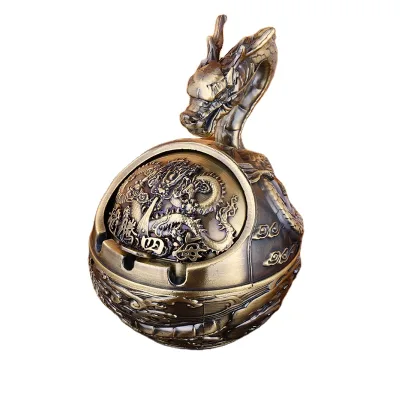
Vintage Style Outdoor Ashtray Iron Pear Wood square Large Metal Cigar Ashtray
$25.15 - $25.64
MOQ: 10 pieces





Comprehensive Sourcing Guide
Strategic Sourcing Guide for Customized Zinc Alloy Ashtrays
Understanding Material Properties and Design Variations
When sourcing customized zinc alloy ashtrays, the primary focus must be on the inherent characteristics of the base material and the manufacturing techniques available. Zinc alloy is a popular choice in the B2B market due to its excellent fluidity during casting, which allows for intricate designs and fine detailing that are difficult to achieve with other metals. The supplied product data indicates that zinc alloy is frequently paired with plating techniques to enhance surface durability and aesthetic appeal. This combination is essential for products intended for high-traffic environments such as hotels, restaurants, and public venues where resistance to corrosion and wear is critical.
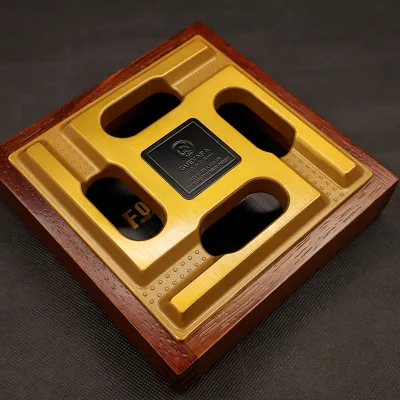
The design landscape for these products is diverse, ranging from functional utility to decorative art. Observations from current market listings reveal a spectrum of styles, including "American Style" and "Fairy" designs, suggesting that customization can extend beyond simple branding to encompass distinct thematic elements. The shape of the ashtray is another variable; while some listings specify a "Round" configuration, others describe square formats with specific hole counts, such as 16 holes, to accommodate multiple smokers simultaneously. The physical dimensions also vary significantly, with single package sizes ranging from compact 10x10x5 cm units to larger 20x20x20 cm configurations, indicating that buyers must define their spatial requirements clearly before engaging with suppliers.
Furthermore, the customization process often involves specific surface treatments. The data highlights "plating" as a common technique, which can be applied to achieve various color finishes. While some suppliers offer "All colors available," others specify a limited palette of six distinct colors. This variation suggests that the level of customization and the associated costs may depend on the complexity of the color matching and the specific plating technology employed. Buyers should verify whether the desired finish requires a standard plating process or a specialized coating that might impact the production timeline and unit cost.
Technical Specifications and Dimensional Standards
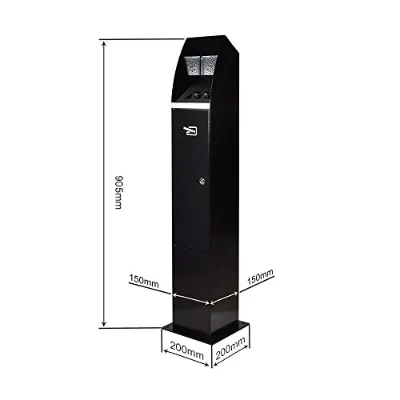
Precision in technical specifications is paramount when ordering customized metal ashtrays, as these dimensions directly impact the product's functionality and packaging logistics. The supplied facts provide concrete examples of how specifications are defined, offering a benchmark for what buyers should expect in their requests for quotation (RFQ). For instance, specific product models are associated with precise dimensions, such as 94x94x45mm, which defines the footprint and depth of the unit. These measurements are not merely aesthetic; they determine the volume of the ashtray, the stability of the unit, and the compatibility with standard table settings or wall-mounted fixtures.
Weight is another critical specification that influences both the user experience and shipping costs. The observed weight range for these products spans from 2 to 100 grams for lighter, pocket-sized variants to heavier units with a single gross weight of 1.0 kg. The distinction between net weight and gross weight is significant for logistics planning. For example, a specific 16-hole metal ashtray is noted to have a net weight of 508g per piece, while the gross weight, including packaging, is 1.0 kg. This nearly doubling of weight due to packaging materials highlights the importance of understanding the "Single package size" and "Single gross weight" when calculating freight charges.
The structural integrity of the ashtray is often defined by its hole configuration. Listings mention "16 holes" as a standard feature for certain models, which implies a specific internal geometry designed to prevent ash from scattering while maintaining airflow. The "Cover" style mentioned in the context of condiment containers suggests that some ashtray designs may include lids or covers, adding a layer of complexity to the molding and assembly process. Buyers must ensure that the technical drawings provided by the supplier accurately reflect the intended hole count, depth, and overall volume to avoid receiving products that do not meet operational needs.
Cost Drivers and Pricing Dynamics
The pricing structure for customized zinc alloy ashtrays is influenced by a complex interplay of material costs, production volume, and customization complexity. The observed market price range spans from $0.49 to $30, a wide variance that reflects differences in product size, material thickness, plating quality, and order quantity. At the lower end of the spectrum, products are likely simple, unbranded, or mass-produced items with minimal finishing. Conversely, the higher price points likely correspond to intricate designs, premium plating, custom branding, or smaller production runs that require more intensive setup.
Order quantity, or Minimum Order Quantity (MOQ), is a primary driver of unit cost. The data indicates that MOQs can range from as low as 1 piece to as high as 2000 pieces. Suppliers offering an MOQ of 1 piece typically cater to sample orders or prototyping, which inherently carries a higher per-unit cost due to the lack of economies of scale. In contrast, bulk orders with higher MOQs, such as 10 or 50 pieces, often benefit from reduced setup costs and more efficient production runs, leading to a lower price per unit. Buyers must balance their need for customization with their budget constraints by understanding how the MOQ threshold affects the final price.
Supply ability also plays a role in pricing dynamics. Suppliers with a high supply ability, such as 5000 pieces per day or 100,000 pieces per month, may offer more competitive pricing for large orders due to their capacity to handle volume efficiently. However, these suppliers might have higher MOQs or longer lead times during peak seasons. Additionally, the complexity of the "Print Method" and "Printing" techniques, such as plating or multi-color printing, adds to the cost. A product requiring a 5-color print method will generally cost more than one with a single-color finish. Buyers should request detailed cost breakdowns that separate material, labor, and finishing costs to negotiate effectively.
Compliance, Certification, and Safety Verification
While the supplied product data does not explicitly list specific certification numbers, the nature of zinc alloy products intended for commercial use necessitates rigorous compliance checks. Buyers must verify that the zinc alloy used meets international safety standards for heavy metals, particularly lead and cadmium, which are often regulated in consumer goods. The "Sustainable" feature mentioned in some listings suggests that some suppliers may adhere to environmental standards, but this should not be assumed without verification. Buyers should request documentation proving that the plating process and the alloy composition comply with relevant regulations such as REACH in Europe or RoHS in various jurisdictions.
Safety is particularly critical for ashtrays used in hospitality settings. The product must be stable enough to prevent tipping and constructed from materials that do not release toxic fumes when exposed to heat or direct flame. Although the data mentions "diary use" and "household" applications, the primary market for metal ashtrays is often commercial, including hotels and restaurants. In these environments, fire safety codes may dictate specific requirements for ashtray design, such as the depth of the ash receptacle or the stability of the base. Buyers should ensure that the supplier can provide test reports or compliance certificates confirming that the product meets these safety standards.
Furthermore, the "OEM: Acceptable" attribute indicates that suppliers are willing to produce custom-branded items. This process involves intellectual property considerations and quality assurance. Buyers must ensure that the supplier has the necessary licenses to produce branded goods and that the customization process does not compromise the structural integrity or safety of the product. It is advisable to request a sample that has undergone the full customization process to verify that the branding does not interfere with the product's function or safety features.
Supplier Evaluation and Production Capabilities
Evaluating a supplier for zinc alloy ashtray production requires a multi-faceted approach that considers their manufacturing location, production capacity, and logistical capabilities. The supplied data identifies key production hubs such as Jiangxi and Guangdong in China, regions known for their metalworking and casting industries. Buyers should verify the specific location of the factory to assess the supply chain stability and the potential for logistics disruptions. The "Place of Origin" is also a factor in determining the origin of the materials used, which can impact the authenticity and quality of the zinc alloy.
Production capacity is a critical metric for ensuring timely delivery. The data shows a range of supply abilities, from 5000 pieces per day to 100,000 pieces per month. Buyers must match their order volume with the supplier's capacity to avoid delays. For large orders, it is essential to confirm that the supplier has the necessary machinery and workforce to handle the volume without compromising quality. The "Production time" of 2 to 16 days indicates a variability in lead times that depends on the complexity of the order and the current workload of the factory. Buyers should clarify the expected lead time for their specific order size and customization requirements before finalizing the contract.
Logistical capabilities are equally important. The "Port of dispatch" is listed as Ningbo or Shanghai, major ports with extensive international shipping connections. Buyers should confirm which port will be used for their shipment and ensure that the supplier has experience in handling export documentation and customs clearance. The "Packaging Details," such as 1 piece per white box and 50 pieces per carton, provide insight into the supplier's packaging standards. Buyers should verify that the packaging is robust enough to protect the product during transit and meets any specific requirements for retail display or storage.
Quality Control and Long-Term Procurement Strategy
Implementing a robust quality control (QC) strategy is essential for maintaining the integrity of customized zinc alloy ashtrays. Given the variability in observed weights and dimensions, buyers should establish clear acceptance criteria for each shipment. This includes verifying the weight of individual units against the specified net weight, checking the dimensions against the provided drawings, and inspecting the surface finish for defects such as scratches, uneven plating, or color inconsistencies. The "Sample: Available" attribute suggests that buyers should always request a pre-production sample to validate the quality before committing to a full order.
Long-term procurement considerations involve building a sustainable relationship with the supplier. This includes establishing clear communication channels, agreeing on consistent quality standards, and planning for future order volumes. The "OEM: Acceptable" feature allows for ongoing customization, which can be leveraged to adapt the product to changing market trends or branding requirements. Buyers should also consider the environmental impact of their procurement, looking for suppliers who demonstrate a commitment to sustainability, as indicated by the "Sustainable" attribute in some listings.
Finally, buyers should plan for potential supply chain disruptions by maintaining a diversified supplier base. Relying on a single supplier for all ashtray needs can be risky, especially if that supplier faces production delays or quality issues. By understanding the full range of available options, from different materials like aluminum alloy to various designs and finishes, buyers can ensure a steady supply of high-quality ashtrays that meet their operational and aesthetic requirements.
FAQs
What materials are used for customized zinc alloy ashtrays?
The primary material is zinc alloy, often combined with aluminum alloy for specific models. Some listings also mention resin as a material option. Buyers should verify the exact composition to ensure durability and safety for their intended use.
How can I customize the design style of the ashtray?
Suppliers offer various design styles including American Style and Fairy designs. Customization often involves plating techniques to achieve specific colors or finishes. Buyers can request OEM services to add branding or specific thematic elements to the product.
What is the minimum order quantity for these ashtrays?
The minimum order quantity ranges from 1 piece for samples up to 2000 pieces for bulk orders. Specific listings show MOQs of 5, 10, or 2000 pieces depending on the supplier. Lower MOQs typically result in higher per-unit costs due to setup fees.
Can I get samples before placing a large order?
Yes, samples are available for most Customized Zinc Alloy Ashtray listings. Buyers can request samples to verify quality, dimensions, and plating finishes before committing to a full production run. This step helps ensure the product meets specific operational needs.
Where are these ashtrays manufactured and shipped from?
Products originate from manufacturing hubs in Jiangxi and Guangdong, China. The ports of dispatch are typically Ningbo or Shanghai for international shipping. Buyers should confirm the specific factory location to assess supply chain stability and logistics costs.
What are the typical production lead times for orders?
Production time varies between 2 to 16 days depending on order complexity and customization. Suppliers with high supply abilities can handle large volumes but may have variable lead times during peak seasons. Buyers should clarify expected timelines before finalizing contracts.