Source Cute Cartoon Stuffed Plush Cat for Gifts, Decor, and Collectibles
Compare 30 listings for the Cute Cartoon Stuffed Plush Cat with options in short plush or polyester, featuring PP cotton filling and CE, En71, ASTM certifications. Buyers can evaluate customization, OEM/ODM services, and lead times for bulk orders.
Key considerations
Products List
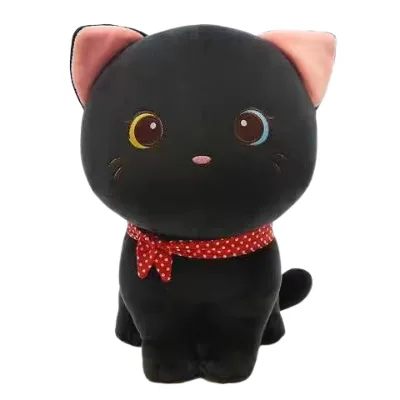


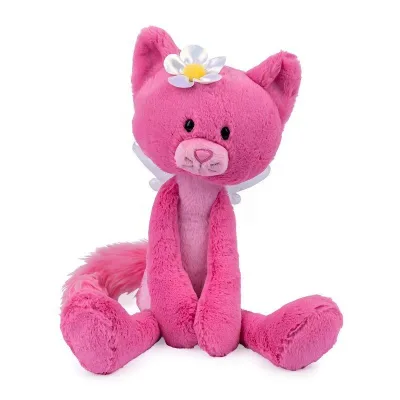


Hot Sales High Quality Customized Stuffed Soft Plush Cat Toy Pet Cat Gift
$0.80 - $1.80
MOQ: 500 Pieces


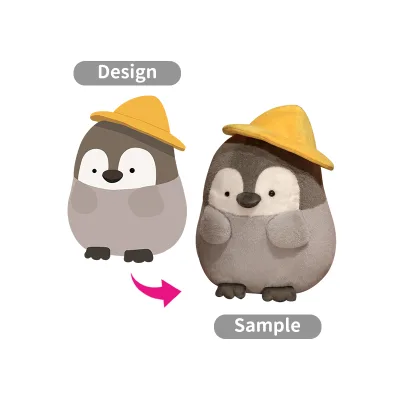

Comprehensive Sourcing Guide
Sourcing Guide for Cute Cartoon Stuffed Plush Cats
Understanding Product Specifications and Variability
When sourcing cute cartoon stuffed plush cats, buyers must first navigate the inherent variability in product specifications found in the B2B marketplace. The core product is defined by its animal type, which is explicitly a cat, often designed with a sitting posture to enhance its "cute" aesthetic. A critical observation from available product data indicates that while the general category is consistent, specific physical attributes vary significantly between listings. For instance, one common specification lists a height of 25cm, while other data points suggest a size classification of "Medium" or a standard of 20cm. This discrepancy highlights the necessity for buyers to verify exact dimensions before placing an order, as the term "medium" is subjective without a standardized metric.
The material composition is another primary specification to scrutinize. The supply chain for these items typically utilizes short plush fabric, though some listings also reference polyester as the primary material. The filling is predominantly described as PP cotton or simply cotton, which directly impacts the softness and resilience of the final toy. The production method is frequently noted as "hand-made," suggesting a level of artisanal attention that may differentiate these items from mass-produced factory goods. Furthermore, the customization capabilities are extensive; buyers can often request custom designs, specific logos, and tailored weight specifications. The product is generally unisex and suitable for a broad age range, spanning from infants (0 to 24 months) to adults (14 years and up), though safety considerations for the younger end of this spectrum are paramount.
| Specification Category | Common Observation | Verification Requirement |
|---|---|---|
| Height/Size | 25cm, 20cm, or "Medium" | Confirm exact centimeter measurement for inventory planning. |
| Material | Short Plush, Polyester | Verify fabric composition for texture and durability expectations. |
| Filling | PP Cotton, Cotton | Check fill density to ensure the toy maintains its shape. |
| Production | Hand-Made | Confirm if the "hand-made" claim applies to assembly or finishing. |
| Customization | Logo, Design, Weight | Define the scope of customization to avoid scope creep. |
Compliance and Certification Verification
Navigating the regulatory landscape is perhaps the most critical aspect of sourcing plush toys, particularly when the target audience includes young children. The product data indicates a high level of compliance awareness among suppliers, with multiple certifications frequently cited. These include CE, En71, ASTM, Cpsia, and Reach. Additionally, business social compliance and quality management systems are often represented by BSCI and ISO9001 certificates. However, buyers must treat these as observations of what some suppliers offer rather than guarantees that every listed product meets these standards.
The En71 standard is particularly relevant for the European market, covering safety aspects of toys, while ASTM is the primary standard for the United States. The Cpsia (Consumer Product Safety Improvement Act) is a mandatory requirement for products sold in the US, specifically regarding lead content and phthalates. Reach is the European Union's regulation concerning the registration, evaluation, authorization, and restriction of chemicals. When evaluating a potential supplier, buyers should request current, valid test reports that correspond to these specific standards. It is insufficient to rely on a supplier's claim of "compliance" without seeing the actual test data from an accredited third-party laboratory.
Furthermore, the target age range significantly influences the required safety checks. Products intended for the 0 to 24-month age group must undergo rigorous testing for small parts, choking hazards, and flammability. The data mentions an age range extending up to 14 years and up, which implies a need for clear age grading on the final product packaging. Buyers should verify that the supplier's testing protocols explicitly cover the specific age group they intend to sell to. The presence of certifications like BSCI and ISO9001 suggests a commitment to social responsibility and quality management, but these should be verified against the supplier's specific facility and production lines to ensure they apply to the order in question.
Cost Drivers and Pricing Dynamics
The pricing structure for cute cartoon stuffed plush cats is influenced by several dynamic factors, with the observed market range spanning from $0.35 to $6.99 USD. This wide variance is not arbitrary; it is driven by the complexity of the design, the quality of materials, and the scale of the order. The lower end of the price spectrum typically corresponds to standard, non-customized items with basic materials and high-volume production runs. Conversely, the upper end reflects custom designs, premium materials like high-grade short plush, and smaller order quantities that do not benefit from economies of scale.
The Minimum Order Quantity (MOQ) is a significant cost driver. The data shows an MOQ range from 1 to 2,000 units, with specific listings citing 500 pieces per color as a standard threshold. Orders falling below the standard MOQ often incur higher per-unit costs due to the setup time and resource allocation required for smaller batches. Additionally, the customization level directly impacts the price. Custom designs, unique logos, and specific packaging requirements (such as boxed versus carton packing) add to the production complexity and cost. The "hand-made" aspect of the production also introduces labor costs that vary by region and the specific skill level required for the detailing.
Lead times and sample costs are other financial considerations. Sample times are reported to range from 3 to 7 working days, and the production time for bulk orders is approximately 20 days, though this can vary based on order quantity. Buyers must factor in the cost of samples, which are often charged separately, and the time value associated with waiting for samples before committing to a large order. The trade terms, such as FOB, DDP, CIF, or EXW, also play a crucial role in the final landed cost. For instance, DDP (Delivered Duty Paid) includes shipping and duties, offering predictability but often at a higher base price, while EXW (Ex Works) places the logistics burden and cost on the buyer.
Typical Applications and Market Segmentation
The versatility of the Cute Cartoon Stuffed Plush Cat makes it suitable for a diverse array of applications, ranging from personal gifting to corporate branding and retail distribution. The product is explicitly categorized with the usage of "Gift," indicating its strong potential in the holiday, birthday, and special occasion markets. The unisex nature and broad age range allow these items to be marketed to a wide demographic, from toddlers to adults who appreciate plush collectibles.
In the corporate sector, the customization features make these plush cats ideal for promotional merchandise. Companies can leverage the "Customers Logo" and "Custom Design" capabilities to create branded giveaways for trade shows, employee appreciation events, or client gifts. The ability to customize the weight and size allows businesses to tailor the product to their specific budget and branding needs. For example, a lighter, smaller plush might be used as a keychain or bag charm, while a larger, heavier version could serve as a premium desk accessory or comfort item.
Retail applications are equally significant. The product's "Soft Comfortable" feature and "Cute" aesthetic align well with toy store inventory, gift shop displays, and online marketplaces. The variety of colors, including gray, orange, black, and ivory, as well as mixed color options, allows retailers to curate collections that appeal to different consumer preferences. The "Sound" and "Light" functions mentioned in some specifications add an interactive element that can increase the perceived value and appeal to children, differentiating these items from static plush toys.
Supplier Evaluation and Selection Criteria
Selecting the right supplier requires a rigorous evaluation process that goes beyond the initial product listing. Buyers should prioritize suppliers who demonstrate transparency regarding their production capabilities and quality control measures. The presence of OEM/ODM services is a positive indicator, suggesting the supplier is experienced in handling custom orders and has the flexibility to adapt to specific buyer requirements. However, buyers must verify the extent of these services. Does the supplier offer full design support, or do they only modify existing templates?
The production location is a key factor in the evaluation. The data consistently points to Anhui, China, as the place of origin. While this region has a well-established manufacturing infrastructure for textiles and toys, buyers should still assess the specific factory's capacity and reputation. Factors to consider include the supplier's response time, their willingness to provide detailed product photos or videos, and their track record with international clients. The ability to handle various trade terms (Sea, Air, FedEx, UPS) indicates logistical competence, but buyers should also inquire about the supplier's experience with specific shipping routes to their destination.
Quality control is another critical evaluation metric. Suppliers that offer BSCI and ISO9001 certifications are likely to have established quality management systems in place. Buyers should request to see these certificates and verify their validity. Additionally, the "Hand-Made" aspect of the production suggests a need for visual inspection protocols to ensure consistency in stitching and stuffing. A supplier that offers a pre-shipment inspection or allows for third-party inspection is preferable, as it provides an additional layer of assurance before the goods are shipped.
Quality Control and Long-Term Procurement Strategy
Implementing a robust quality control strategy is essential for maintaining brand reputation and ensuring customer satisfaction. Given the variability in product specifications, buyers should establish clear quality benchmarks before production begins. This includes defining acceptable tolerances for dimensions, color matching, and material quality. The "Soft Comfortable" feature is subjective, so buyers should request physical samples to validate the tactile experience against their brand standards.
For long-term procurement, building a sustainable relationship with a reliable supplier is key. This involves clear communication regarding expectations, consistent ordering patterns to secure better pricing, and collaborative efforts to improve product quality over time. Buyers should also consider the environmental and social implications of their sourcing decisions. Certifications like BSCI indicate a commitment to social compliance, which is increasingly important to modern consumers. Ensuring that the supply chain adheres to ethical labor practices can mitigate reputational risks.
Finally, buyers should plan for potential supply chain disruptions. The production time of about 20 days, combined with sample lead times, requires careful inventory planning. Diversifying suppliers or maintaining a buffer stock can help mitigate risks associated with delays. Regular communication with the supplier regarding production status and any potential issues will help ensure that orders are delivered on time. By focusing on these strategic elements, buyers can secure a steady supply of high-quality cute cartoon stuffed plush cats that meet their market demands and business objectives.
FAQs
What certifications do cute cartoon stuffed plush cats typically have?
These toys often carry CE, En71, ASTM, Cpsia, and Reach certifications. Some suppliers also provide BSCI and ISO9001 certificates to ensure safety and quality management standards are met for international markets.
How can I customize the logo and design of these plush cats?
Customization is available for logos, designs, and weight specifications. Buyers can request specific customer logos and tailored designs, with sample times ranging from 3 to 7 working days before bulk production begins.
What is the typical price range for sourcing these plush toys?
The observed price range spans from 0.35 to 6.99 USD per unit. Costs vary based on material quality, customization levels, and order volume, with minimum order quantities ranging from 1 to 2000 units.
Which materials are used to make these sitting cat plush toys?
Common materials include short plush fabric and polyester. The filling is typically PP cotton or cotton, ensuring the toys remain soft and comfortable while maintaining their shape during use.
Can I order samples before placing a bulk order for these cats?
Yes, samples are available with a production time of 3 to 7 working days. Bulk production generally takes about 20 days, though this duration may adjust according to the specific order quantity requested.
What age ranges are suitable for these unisex plush cat toys?
These toys are designed for ages ranging from 0 to 24 months up to 14 years and older. The unisex design and soft features make them appropriate gifts for a wide demographic of children and adults.