Source Cute Colorful Beaded Pen for Jewelry, Teething, and Office
Explore 30 listings of the Cute Colorful Beaded Pen designed for jewelry making, baby teething, and office use. Buyers can compare specifications like bead material, pen size, and customization options to find the right supplier for their needs.
Key considerations
Products List
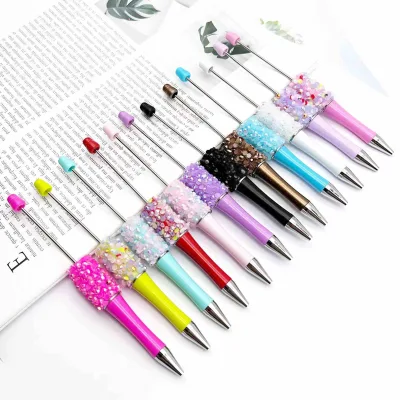
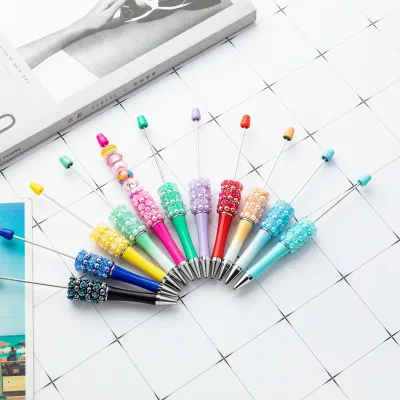
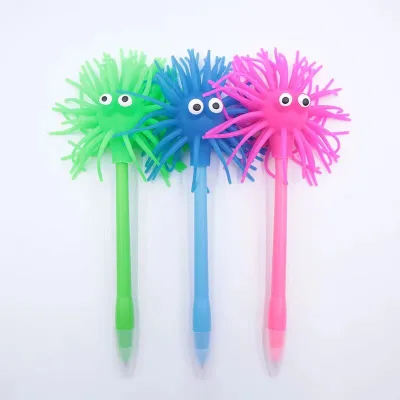


Wholesale Cartoon Animal Beadd Pen Cute Beaded Ballpoint Pen for Kids Gift
$0.57 - $0.59
MOQ: 100 Pieces


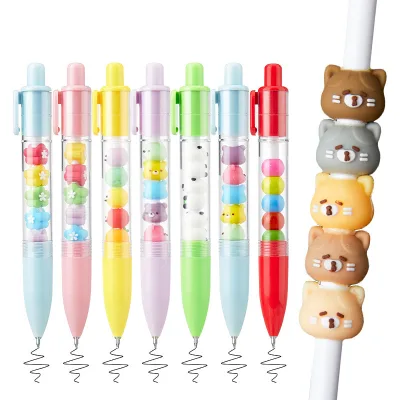


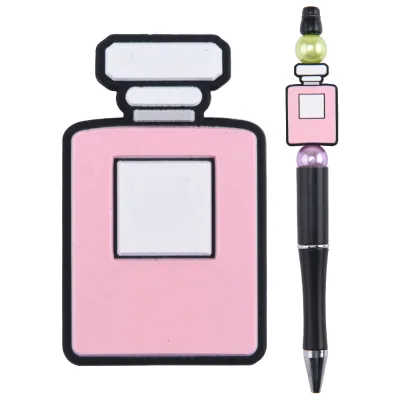


Promotional Plastic Ball Pen Cute Comb Shaped Ballpoint Pen with Custom Logo
$0.14 - $0.16
MOQ: 10000 Pieces


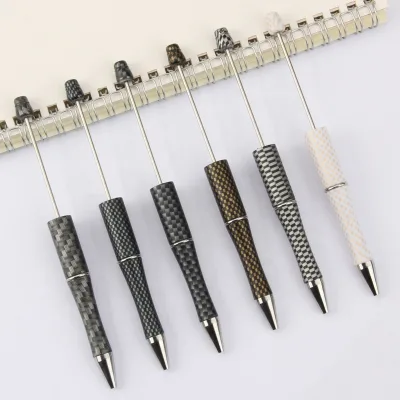
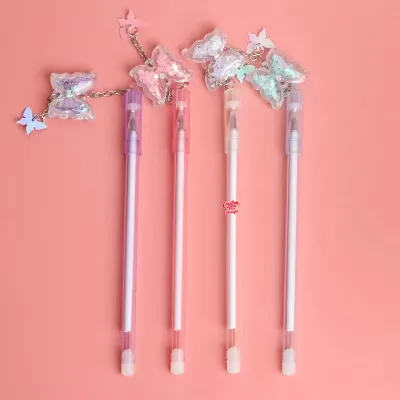

Comprehensive Sourcing Guide
Strategic Sourcing Guide for Cute Colorful Beaded Pens
The global market for promotional stationery and specialized writing instruments has seen a surge in demand for products that blend functionality with tactile engagement. The core keyword "Cute Colorful Beaded Pen" identifies a specific niche where writing tools are integrated with sensory elements, often utilizing loose beads or plush components. For B2B procurement professionals, sourcing this category requires a nuanced understanding of material composition, regulatory compliance, and the specific technical variations that exist within the supply chain. This guide provides an evidence-based framework for evaluating suppliers and products in this sector, relying strictly on observed market data and verified product attributes.
Understanding Product Variations and Technical Specifications
The term "beaded pen" encompasses a diverse range of product configurations, and buyers must first distinguish between the primary variations to ensure alignment with their specific requirements. Market observations indicate that these products are not monolithic; rather, they exist in distinct forms based on the integration of beads and the writing mechanism. One observed variation features a "beaded plush pen" design, where the aesthetic is driven by soft, colorful, and flower-shaped components. In contrast, other listings describe a "beaded pen" where the functional element is a standard oil ball pen with a 0.7mm or 0.5mm point diameter, potentially encased in or accompanied by decorative beads.
Technical specifications vary significantly across these variations. For the plush or sensory-focused models, the item diameter is often cited around 15cm, with single package dimensions ranging from 3x3x5 cm to 12x2x2 cm. The weight of these units is minimal, typically recorded between 0.008 kg and 0.02 kg per single unit. The writing instruments themselves, when identified as distinct components, may feature point diameters of 0.5mm, 0.7mm, or 1.0mm, with hardness levels described as "medium soft." The opening style for the writing mechanism is another critical differentiator, with options including "twist" and "click" mechanisms.
Furthermore, the physical dimensions of the beads themselves are a key specification. Observed data lists bead sizes at 9mm, 12mm, 15mm, and 19mm, which directly impacts the tactile experience and the overall size of the finished product. The color palette is highly customizable, with "base on your need" and "tricolor" options available, allowing for brand alignment. It is essential for buyers to verify the exact model number, as observed listings include identifiers such as "bestka," "0707," "093003," and "010701," each potentially corresponding to different structural designs or bead arrangements.
Material Composition and Safety Compliance
The safety profile of beaded pens is paramount, particularly given that many products in this category are marketed for use by children, for baby teething, or for nursing mothers. The material composition is the primary driver of compliance and safety. Observed data indicates that the loose beads material is primarily plastic, with specific listings also citing Silicone and PVC as available materials. The choice between these materials dictates the product's flexibility, durability, and regulatory standing.
When sourcing, buyers must verify that the materials used are explicitly non-toxic. Market listings frequently highlight "Non-toxic" as a core feature, which is a critical requirement for products intended for oral contact or close skin interaction. The "High-Quality" attribute often correlates with the use of food-grade or medical-grade silicone, which offers superior safety compared to standard PVC. However, the presence of PVC does not automatically imply non-compliance, provided it meets specific phthalate and heavy metal standards.
Buyers should not assume that all listed products meet international safety standards without verification. While the "Non-toxic" claim is common, the specific certifications required depend on the target market. For instance, products sold in the European Union or North America often require compliance with REACH regulations or ASTM F963 standards. The "Healthy" and "Safety" attributes listed in product descriptions are observations that must be validated through third-party testing reports. Procurement teams should request Certificates of Analysis (CoA) or specific test reports from suppliers to confirm that the plastic, silicone, or PVC components do not contain harmful substances.
Cost Drivers and Pricing Structures
The pricing structure for cute colorful beaded pens is influenced by several variables, including material selection, customization complexity, and order volume. The observed listed price range in the market spans from $0.06 to $0.90 USD per unit. This wide variance suggests that the lower end of the spectrum likely corresponds to basic plastic bead configurations with minimal customization, while the higher end may reflect silicone materials, complex plush designs, or significant branding efforts.
The Minimum Order Quantity (MOQ) is another critical cost driver. Observed MOQ ranges from 10 to 10,000 units, with a specific high-confidence fact noting an MOQ of 20 pieces for certain configurations. This flexibility allows buyers to test the market with small batches or scale up for large promotional campaigns. However, the unit price is rarely static; it typically decreases as the order volume increases. Buyers should be aware that the "Customized" attribute, which includes color selection and logo printing, may incur additional setup costs or higher per-unit pricing, even if the base MOQ remains low.
Packaging also plays a role in the final cost. Standard packaging is described as a "pearl bag" or "OPP Bag" (with 100 pieces per bag), but "customized" packaging options are available. Custom packaging, such as branded boxes or specific bulk arrangements, will increase the overall cost per unit. Additionally, the single gross weight, ranging from 0.008 kg to 0.02 kg, affects shipping costs, particularly for air freight. For large orders, sea freight becomes more economical, but the total landed cost must account for these weight differentials.
Typical Applications and Usage Scenarios
The versatility of cute colorful beaded pens makes them suitable for a wide array of applications beyond standard writing. The primary usage categories identified in market data include jewelry, baby teething or chewing, and mom nursing. This indicates a strong market for sensory tools designed to provide comfort or distraction. The "Diy" (Do It Yourself) usage suggests that some products are sold as components for craft projects, allowing end-users to assemble or customize the pens.
In the corporate and promotional sector, these pens serve as effective business gifts and office supplies. The "Promotional Pen" and "Business Gift" classifications highlight their utility in marketing campaigns where a unique, tactile item can leave a lasting impression. The "Fashionable" and "Colorful" attributes make them particularly appealing for school supplies, targeting students who prefer visually engaging stationery. The "Oil Ball Pen" specification confirms their functionality for everyday writing tasks, ensuring they are not merely decorative but also practical.
The "Disposable" attribute is listed as "Non-Disposable," which is a significant selling point for eco-conscious buyers and corporate clients looking to reduce waste. This durability supports their use as long-term office tools or reusable gifts. The "Tricolor" option and various shape variations, such as "Flower" or generic "Colorful" designs, allow for targeted marketing to different demographics, from young children to adults seeking stress-relief tools.
Supplier Evaluation and Origin Verification
When evaluating potential suppliers for beaded pens, the place of origin is a key factor. High-confidence data indicates that the primary production location for these items is Fujian, China. This region is known for its manufacturing capabilities in stationery and plastic goods. However, the presence of a specific origin does not guarantee uniform quality; buyers must assess the individual supplier's track record.
Supplier evaluation should focus on their ability to handle customization. The "Customized" attribute is available, with options for color, shape, and logo printing. Buyers should verify the supplier's capacity for "Logo Printing," noting that some listings specify "Without Logo Printing," which may indicate a limitation or a standard SKU. The ability to produce "base on your need" color schemes requires a flexible production line.
Buyers should also scrutinize the "Single package size" and "Single gross weight" data provided by suppliers to ensure logistical feasibility. Discrepancies between the stated package dimensions (e.g., 12x2x2 cm vs. 3x3x5 cm) and the actual product can lead to shipping inefficiencies. Furthermore, the "Selling Units" being listed as "Single item" suggests that suppliers may offer flexible packaging options, which is beneficial for mixed orders.
Quality Control and Long-Term Procurement Considerations
Implementing a robust quality control (QC) strategy is essential for maintaining brand reputation when sourcing beaded pens. Given the "High-Quality" claim and the safety-critical nature of the product, QC should begin at the raw material stage. Buyers must verify that the "Loose Beads Material" (plastic, silicone, or PVC) meets the required safety standards before production begins.
During production, inspection should focus on the structural integrity of the "Open Style" mechanism (twist or click) and the secure attachment of the beads. Loose beads that detach easily pose a choking hazard, particularly for products marketed for babies. The "Hardness" of the pen should be consistent with the "Medium Soft" specification to ensure a comfortable writing experience.
For long-term procurement, buyers should consider the scalability of the supplier. The observed MOQ range of 10 to 10,000 units suggests that suppliers can accommodate both small and large orders. However, maintaining consistent quality across different batches requires clear communication of specifications. Buyers should establish a standard operating procedure (SOP) that includes regular sampling and third-party testing.
Additionally, the "Disposable" status being "Non-Disposable" implies a need for durability testing. Long-term use should not result in the degradation of the beads or the writing mechanism. Suppliers should be required to provide data on the lifespan of the product under normal usage conditions. Finally, buyers should monitor the "prod_standard" and "prod_model" consistency to ensure that the products delivered match the ordered specifications, avoiding confusion between different model numbers like "0707" and "093003."
Comparative Analysis of Product Attributes
To facilitate decision-making, the following table summarizes the key attributes observed in the market for cute colorful beaded pens. This comparison highlights the variability in specifications that buyers must navigate.
| Attribute | Observation A | Observation B | Observation C |
|---|---|---|---|
| Product Name | Beaded Pen | Beaded Plush Pen | Oil Ball Pen |
| Material | Plastic | Silicone, PVC | Plastic |
| Bead Size | 9mm, 12mm, 15mm, 19mm | N/A | N/A |
| Item Diameter | 15cm | 4030mm, 4020mm | 14cm, 15cm |
| Point Diameter | 0.5mm, 0.7mm, 1.0mm | N/A | 0.7mm, 0.5mm |
| Open Style | Twist, Click | N/A | N/A |
| Weight | 0.008 kg - 0.02 kg | 10g | N/A |
| Customization | Available (Color, Logo) | Available (Color, Logo) | Available (Color) |
| Usage | Jewelry, Teething, Nursing | DIY, Promotional | Office, School, Gift |
| Safety Feature | Non-toxic, Healthy | Non-toxic | Non-toxic |
This table underscores the importance of precise specification matching. A buyer seeking a teething pen must prioritize the "Silicone" material and "Non-toxic" attributes, whereas a corporate client might focus on the "Oil Ball Pen" functionality and "Logo Printing" capabilities. By carefully cross-referencing these attributes against their specific needs, buyers can effectively navigate the diverse landscape of beaded pen suppliers and secure products that meet both functional and safety requirements.
FAQs
How can I customize the color of the beaded pen?
You can customize the color based on your specific needs as the product supports custom color options. The available colors include tricolor or base options, allowing you to align the pen with your brand identity or personal preference.
What is the minimum order quantity for these pens?
The minimum order quantity is typically 20 pieces for certain configurations, though the general range observed is between 10 and 10,000 units. This flexibility allows buyers to test the market with small batches or scale up for large promotional campaigns.
Which materials are used for the loose beads?
The loose beads are primarily made of plastic, with some listings also citing silicone and PVC as available materials. These materials are selected to ensure the product is non-toxic and safe for uses like baby teething or nursing.
Can the pen be used for baby teething purposes?
Yes, the product is explicitly designed for baby teething or chewing as well as for mom nursing. The non-toxic features and soft materials like silicone or plastic make it suitable for these specific safety-critical applications.
What is the price range per unit for these pens?
The listed price range spans from 0.06 to 0.9 USD per unit depending on the specific model and customization. Lower prices usually correspond to basic plastic configurations, while higher prices may reflect silicone materials or complex designs.
Where are these pens manufactured?
The place of origin for these products is Fujian, China, a region known for stationery manufacturing. Buyers should verify the specific supplier's track record in this location to ensure consistent quality and reliable delivery.
What opening styles are available for the writing mechanism?
The available opening styles include twist and click mechanisms for the writing instrument. These styles determine how the pen is operated and should be selected based on user preference for ease of use or specific functional requirements.