Source Electronic Load Crankshaft Balancing Machine for Auto Repair
Find and compare 30 Electronic Load Crankshaft Balancing Machine options from Chinese manufacturers. Evaluate specifications like max diameter, weight capacity, and control systems to select the right dynamic balancer for your industrial or automotive needs.
Key considerations
Products List


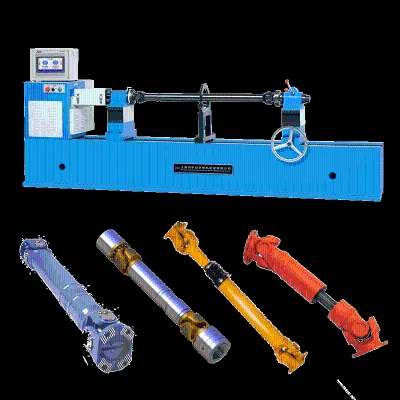
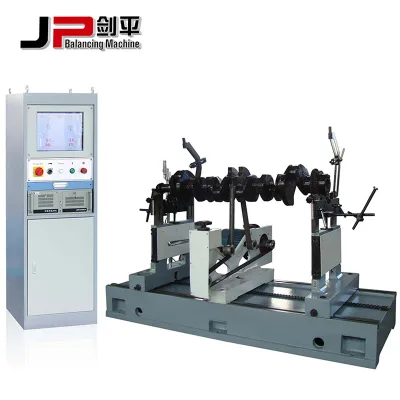
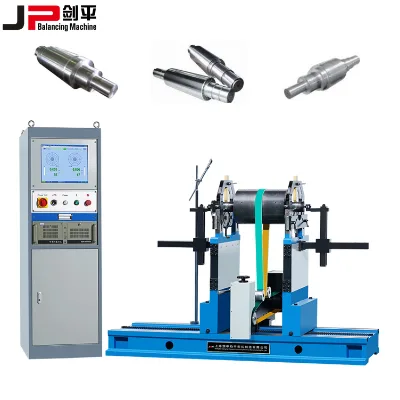
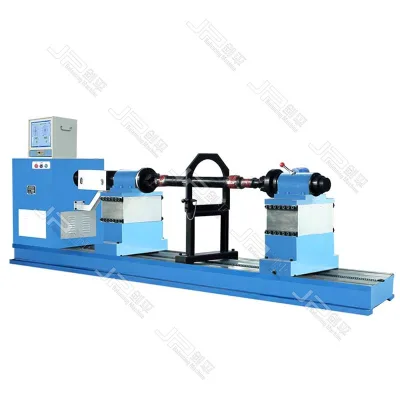


Comprehensive Sourcing Guide
Electronic Load Crankshaft Balancing Machine Sourcing Guide
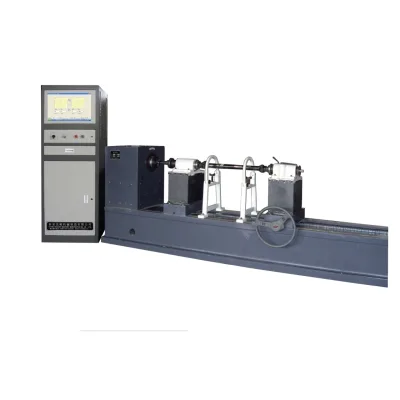
Procuring an Electronic Load Crankshaft Balancing Machine requires a nuanced understanding of both the mechanical dynamics involved and the specific digital control systems that drive modern balancing operations. These machines are engineered to identify and correct mass imbalances in rotating components, such as crankshafts, rotors, and impellers, ensuring smooth operation and extended equipment lifespan. The transition from manual to computer-controlled balancing has significantly improved precision, allowing manufacturers to achieve higher accuracy grades with reduced cycle times. Buyers must recognize that while the core function remains consistent—detecting imbalance and guiding correction—the implementation varies widely based on the load method, power source, and software integration capabilities.
The market for these machines is characterized by a diverse range of configurations, from static load testers to dynamic balancers capable of handling complex geometries. Observations from current listings indicate a strong presence of computer-controlled units with digital displays, which provide real-time feedback on imbalance magnitude and phase. These systems often utilize AC380V power sources and feature under-mounted or top-mounted oil cylinders depending on the specific model and load capacity. Understanding these variations is critical for aligning the equipment with your production line’s spatial constraints, power infrastructure, and throughput requirements.
Product Scope and Observed Listing Signals
The current market landscape for electronic load crankshaft balancing machines reveals a significant price variance, ranging from approximately $1 to over $30,000 USD, reflecting differences in automation levels, brand reputation, and technical sophistication. Minimum Order Quantities (MOQ) are generally low, often starting at just one unit, which facilitates trial purchases for small to medium-sized enterprises. This accessibility allows buyers to evaluate performance before committing to larger fleet acquisitions. However, the wide price range necessitates careful scrutiny of included features, such as software licensing, calibration services, and warranty terms, to ensure accurate cost comparisons across different suppliers.
Listing signals indicate a high degree of customization availability, with many suppliers offering OEM and ODM support to tailor machines to specific production needs. Common attributes observed include standard wooden box export packing, which protects the equipment during international shipping, and origins primarily from China, particularly Shanghai and Shandong provinces. Buyers should note that while many listings claim "New" condition, the specific model numbers, such as PHQ-160H or CBM-50, often correspond to distinct machine types with varying capabilities. It is essential to verify whether the listed specifications apply to the exact unit being quoted, as generic listings may aggregate data from multiple product lines.
Technical Specifications to Verify
When evaluating technical specifications, the load method is a primary differentiator between static and dynamic balancing machines. Static load systems are suitable for simpler components where imbalance is primarily radial, while dynamic load systems are necessary for crankshafts and longer rotors that require correction in multiple planes. Buyers must confirm the machine’s ability to handle the specific mass scope of their workpieces, with observed ranges extending up to 900kg for certain dynamic models. Additionally, the maximum diameter of the workpiece, often cited around 1000mm or less than 500mm depending on the model, must align with your largest components to ensure compatibility.
The control system and accuracy grade are critical for maintaining consistent quality in high-volume production. Most modern units feature computer control with digital displays, providing precise readouts of imbalance values. However, the accuracy grade can vary, with some models claiming high precision while others offer standard industrial accuracy. Buyers should verify the specific accuracy class, such as G2.5 or G1.0, which dictates the permissible residual imbalance. Furthermore, the physical dimensions of the machine, including length, width, and height, must be considered for floor space planning, as some units can be quite large, requiring dedicated installation areas and specialized lifting equipment for setup.
Compliance and Safety Documentation
Compliance with international safety and quality standards is non-negotiable for industrial machinery. Buyers should insist on documentation that verifies adherence to relevant electrical and mechanical safety directives, such as CE marking for European markets or other local regulatory requirements. Certifications like ISO, SGS, and CNAS indicate that the manufacturer has undergone rigorous quality management and testing processes. These documents not only ensure the machine meets safety benchmarks but also provide assurance regarding the reliability of the balancing results and the durability of the equipment under continuous operation.
Electrical safety is particularly important given the high voltage requirements of many balancing machines, which often operate on AC380V three-phase power. Buyers must verify that the machine includes appropriate grounding, emergency stop mechanisms, and protective enclosures to prevent accidental contact with moving parts. Documentation should also include detailed wiring diagrams and voltage specifications to ensure compatibility with your facility’s power supply. Additionally, software compliance should be checked, especially if the machine uses proprietary balancing algorithms, to ensure that the software is free from malware and meets data security standards for industrial control systems.
Cost Drivers and Commercial Terms
Several factors influence the total cost of ownership for electronic load crankshaft balancing machines, including the complexity of the control system, the precision of the sensors, and the level of automation. Machines with advanced digital displays and computer control typically command higher prices due to the integrated software and hardware components. Customization options, such as OEM branding or specific interface modifications, can also add to the initial cost. Buyers should request a detailed breakdown of costs, including the base machine price, software licenses, installation fees, and any optional accessories, to avoid hidden charges.
Commercial terms, including payment methods, shipping arrangements, and warranty coverage, play a significant role in the procurement process. Standard export wooden box packing is common, but buyers should confirm who bears the cost of fumigation and additional protective measures for international shipping. Lead times can vary based on customization requirements and production schedules, so it is essential to establish clear delivery timelines in the contract. Warranty terms should cover both mechanical components and electronic systems, with clear provisions for on-site service and spare parts availability to minimize downtime in case of failure.
Supplier Qualification and Quality Control
Selecting a qualified supplier is crucial for ensuring the long-term reliability of the balancing machine. Buyers should verify the supplier’s manufacturing capabilities, including their facility size, production capacity, and quality control processes. Suppliers with ISO certification and a history of exporting to international markets are generally more reliable, as they are accustomed to meeting diverse regulatory and quality standards. Requesting references from existing customers, particularly those in similar industries, can provide valuable insights into the supplier’s after-sales support and machine performance over time.
Quality control should extend beyond the final product to include the manufacturing process and component sourcing. Buyers should inquire about the origin of critical components, such as sensors, motors, and control panels, to ensure they are sourced from reputable manufacturers. Factory audits, either physical or virtual, can provide a deeper understanding of the supplier’s operational practices and commitment to quality. Additionally, buyers should establish clear acceptance criteria for the machine upon delivery, including performance tests and calibration checks, to ensure it meets the specified technical requirements before final payment is released.
Long-Term Procurement Checks
Long-term procurement success depends on establishing a robust maintenance and support framework for the balancing machine. Buyers should negotiate comprehensive service agreements that include regular calibration, preventive maintenance, and rapid response times for technical issues. Access to genuine spare parts is essential to avoid delays in repairs, so suppliers should guarantee the availability of critical components for a specified period. Training for your technical staff on machine operation and basic troubleshooting is also vital to maximize uptime and extend the machine’s lifespan.
Continuous improvement and technology updates are other key considerations for long-term procurement. Suppliers should provide regular software updates to enhance functionality and address any security vulnerabilities. Buyers should also monitor industry trends and technological advancements to determine when upgrades or replacements are necessary. Establishing a long-term relationship with a reliable supplier can facilitate better pricing, priority service, and early access to new products, ensuring that your balancing capabilities remain competitive and efficient over time.
FAQs
How is the Electronic Load Crankshaft Balancing Machine controlled?
The machine features computer control for precise operation. This digital system ensures accurate balancing results while allowing operators to monitor performance through the integrated digital display interface.
What is the maximum workpiece diameter supported by this equipment?
The equipment supports workpieces with a maximum diameter of 1000mm. Some specific models like the PHQ-16A handle diameters under 500mm, while others reach up to 700mm depending on the configuration.
Which certifications do these balancing machines typically hold?
These machines commonly hold ISO, CE, and SGS certifications. Additional standards like CNAS or GS may apply depending on the specific model and manufacturer requirements for international compliance.
Can the machine handle dynamic load balancing operations?
Yes, the machine is designed for dynamic load balancing operations. It utilizes an electronic load method to ensure high precision during the balancing process for various workpiece masses.
What is the standard packaging method for export?
Standard export packaging involves a fumigated wooden box or standard wooden case. This ensures the machine is protected during shipping and meets international export safety requirements.
How can the machine software be updated?
The machine software can be updated via email. This method allows for efficient delivery of new features or fixes without requiring physical media or on-site technician visits.
What is the power source requirement for this machine?
The machine requires an AC380V power source for operation. This standard industrial voltage ensures stable performance for the electronic load and computer control systems during balancing tasks.