Source Cute Cross Style Satin Headband for Wedding, Daily, and Sports
Find 30 options for the Cute Cross Style Satin Headband, featuring fabric and lace materials in various colors. Compare specifications from Chinese manufacturers to select the ideal hair accessory for weddings, daily wear, or sports activities.
Key considerations
Products List
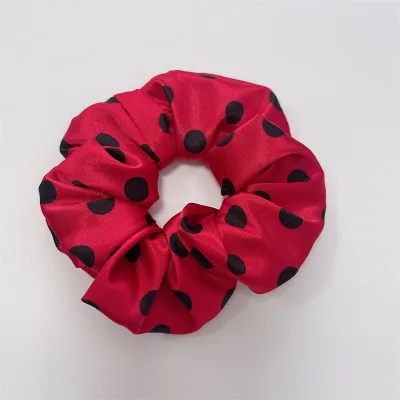
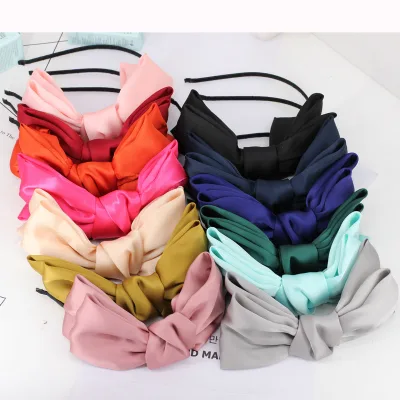
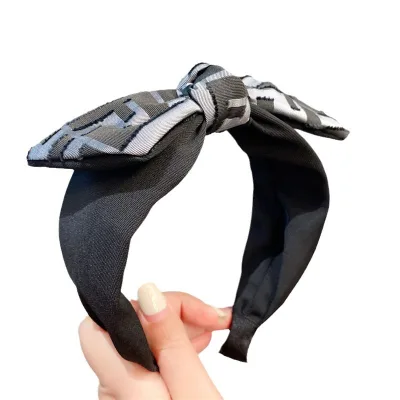
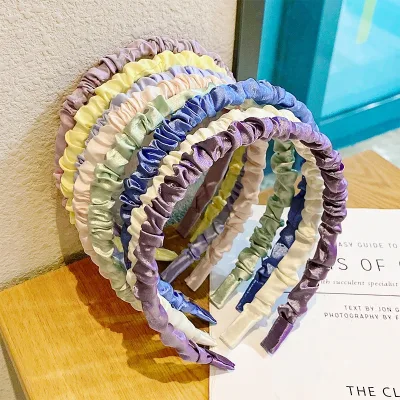
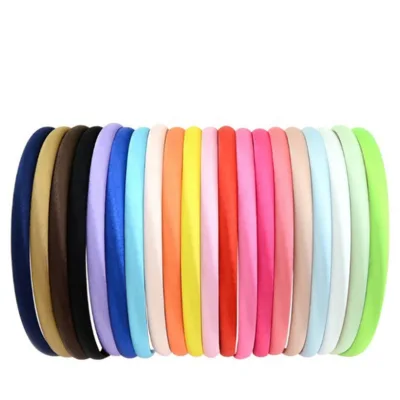
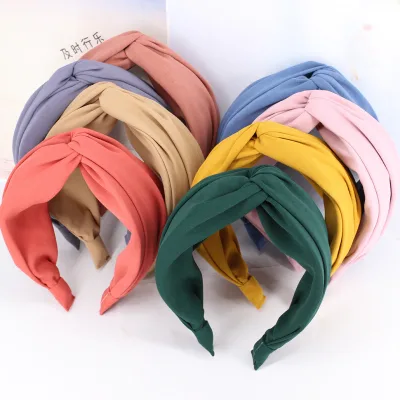
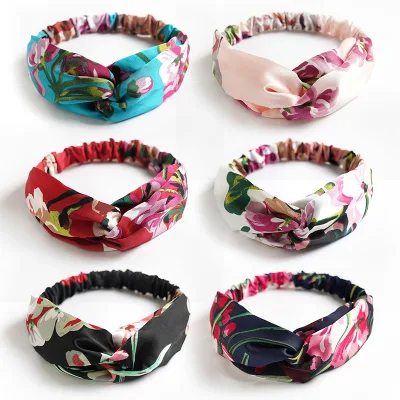
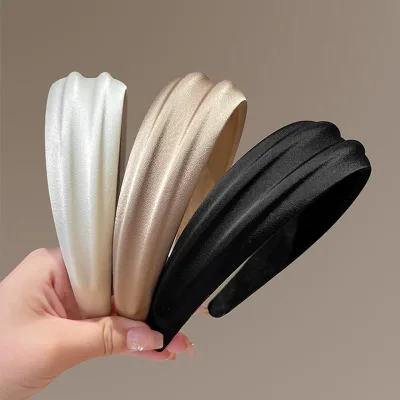
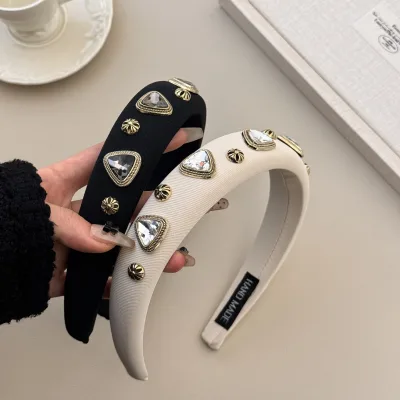
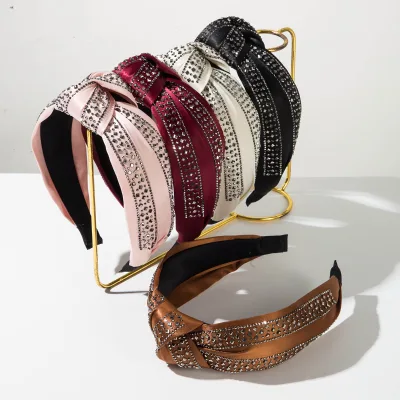
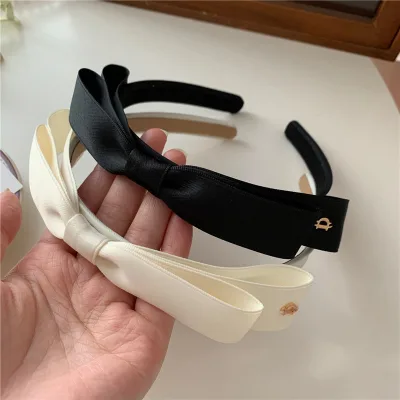
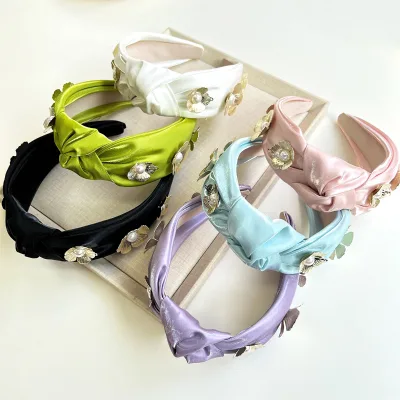


Sequin Headband Embroidery Head Band Cute Ears Sequin Headband for Kids
$0.40 - $0.45
MOQ: 1000 Pieces
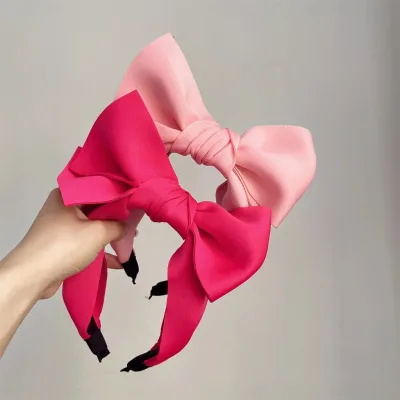
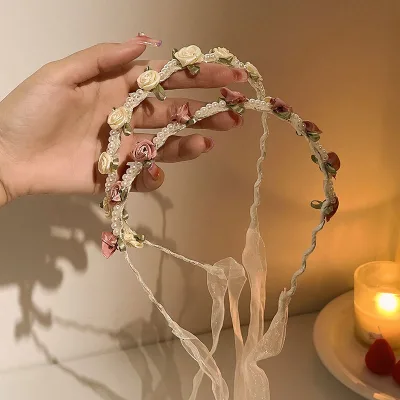


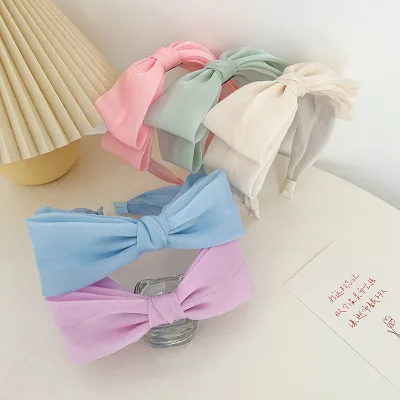
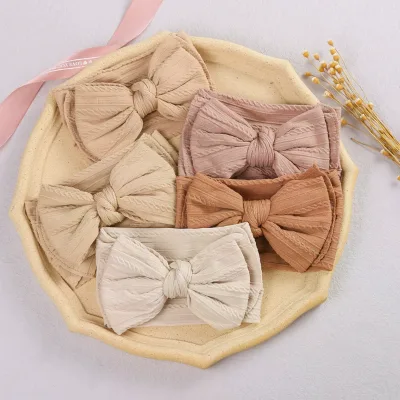
Comprehensive Sourcing Guide
Cute Cross Style Satin Headband Sourcing Guide
Sourcing decorative hair accessories requires a nuanced understanding of material properties, aesthetic trends, and commercial terms that vary significantly across suppliers. The "Cute Cross Style Satin Headband" represents a specific intersection of fashion-forward design and functional hair decoration, appealing to a broad demographic that includes both girls and women. Buyers must navigate a market where style descriptors like "fashion," "cute," and "sports" often overlap, requiring precise definition of the final product to avoid miscommunication with manufacturers. This guide provides evidence-based procurement strategies for sourcing these items, focusing on verified attributes, technical verification, and risk mitigation.
The observed market data indicates a diverse range of product configurations, with model numbers such as HL003, H-02, HB-02, and HO-01 appearing in listings. These variations suggest that while the core aesthetic may be consistent, the underlying construction, materials, and target occasions can differ. For instance, some models are explicitly linked to wedding or casual styles, while others are categorized under sports or daily decorative use. Understanding these distinctions is critical for aligning procurement with specific inventory needs, whether for bridal accessories, everyday wear, or athletic use.
Product Scope and Observed Listing Signals
The product scope for satin headbands encompasses a variety of styles, including crown, elastic, and decorative hanging ornaments, with materials ranging from fabric and lace to metal and plastic. Listings frequently highlight attributes such as "cream silk," "bright satin," and "thin fashion" designs, indicating a preference for lightweight, elegant finishes. The observed color palette is extensive, ranging from standard options like pink, white, black, green, and red to specific shades like "watermelon red" and numbered color codes. This variety allows buyers to curate collections that match seasonal trends or specific brand identities, but it also necessitates rigorous sample verification to ensure color accuracy and material consistency.
Style descriptors such as "antique," "Japanese," "sweet," and "solid color" appear alongside functional attributes like "head decoration" and "hair styling pin." This diversity suggests that the "cross style" may be interpreted differently by various suppliers, potentially involving knot designs, woven patterns, or structural elements. Buyers should note that some products are marketed with specific model numbers like GH220606 or GH210534, which may correspond to distinct packaging sizes or weight specifications. For example, one observed product has a single package size of 16x16x2 cm and a gross weight of 0.060 kg, while another measures 15x15x4 cm with a weight of 0.080 kg. These physical differences can impact shipping costs and storage efficiency, making them key factors in supplier selection.
Technical Specifications to Verify
Technical verification begins with confirming the material composition, as listings cite fabric, lace, metal, plastic, silk, feather, ribbon, rubber, crystal, and pearl as potential components. For a satin headband, the primary material is typically fabric or silk, but the presence of metal or plastic elements may indicate structural supports or decorative accents. Buyers must verify the exact material blend to ensure durability and comfort, especially for products intended for daily wear or sports activities. The model number serves as a critical identifier for these specifications, so cross-referencing the model number with the supplier’s technical datasheet is essential to confirm the presence of any non-fabric elements.
Size and packaging dimensions are equally important for logistical planning. Observed sizes include 14 cm for the product itself and packaging dimensions such as 16x15x7 cm or 15x15x4 cm. These variations suggest that the "cross style" may involve different folding or packaging methods, which can affect the final appearance of the product upon unboxing. Buyers should request detailed packaging diagrams to understand how the headband is secured within the OPP bag or other packaging types. Additionally, verifying the single gross weight, which ranges from 0.060 kg to 0.080 kg in observed listings, helps in calculating accurate freight costs and ensuring compliance with carrier weight limits.
Compliance and Safety Documentation
Compliance requirements for hair accessories vary by destination market, but buyers must ensure that all materials, especially those in direct contact with the skin, meet safety standards. While specific certification statuses are not provided in the observed data, buyers should request documentation for chemical safety, such as REACH compliance for European markets or CPSIA compliance for the United States. This is particularly important for products containing metal, plastic, or decorative elements like pearls or crystals, which may have specific restrictions on heavy metals or phthalates. Verifying that the supplier has a robust quality management system in place can help mitigate risks associated with non-compliant materials.
Safety also extends to the physical integrity of the product, especially for items marketed as "sports" or "elastic" headbands. Buyers should verify that the elastic components are durable and do not pose a choking hazard, particularly for products suitable for girls. Requesting test reports for tensile strength and colorfastness can provide assurance that the headband will withstand regular use without breaking or fading. Additionally, for products with decorative hanging ornaments or pins, buyers should ensure that these elements are securely attached to prevent accidental detachment during use.
Cost Drivers and Commercial Terms
Cost drivers for satin headbands include material quality, design complexity, and order volume. The observed MOQ range of 10 to 1000 pieces indicates flexibility in order sizes, with some suppliers accepting small orders and others requiring higher volumes. Specific MOQs, such as 30 pcs or 60 pcs, are noted in listings, suggesting that buyers can start with smaller test orders to evaluate quality before committing to larger purchases. The price range of 0.04 to 7 USD reflects significant variation based on material and design, with simpler fabric headbands likely at the lower end and more complex designs with multiple materials at the higher end.
Commercial terms such as OEM/ODM acceptance and sample making services are critical for buyers seeking customized products. Suppliers that offer mold making and sample making services provide greater flexibility for brand differentiation, allowing buyers to create unique designs that stand out in the market. However, these services may come with additional costs or longer lead times, which should be factored into the procurement timeline. Buyers should also clarify payment terms and shipping options, as these can significantly impact the total cost of ownership. Understanding the supplier’s policy on returns or defects is also essential for managing risk.
Supplier Qualification and Quality Control
Supplier qualification involves verifying the manufacturer’s location, production capacity, and quality control processes. The observed origin of Zhejiang, China, indicates a concentration of manufacturing expertise in this region, which is known for its textile and accessory production capabilities. Buyers should assess the supplier’s ability to handle OEM/ODM requests and their experience in producing products with specific style attributes like "cute" or "fashion." Requesting references or case studies from previous clients can provide insight into the supplier’s reliability and consistency.
Quality control measures should be clearly defined in the purchase agreement, including inspection criteria for materials, stitching, and packaging. Buyers should consider implementing pre-shipment inspections to ensure that the products meet the agreed-upon specifications. This is particularly important for products with multiple colors or complex designs, where inconsistencies can be more likely. Establishing a clear communication channel with the supplier for addressing quality issues is also crucial for maintaining a smooth procurement process. Regular audits or visits to the production facility can further enhance confidence in the supplier’s capabilities.
Long-Term Procurement Checks
Long-term procurement success depends on building a sustainable relationship with suppliers who can adapt to changing market trends and customer preferences. Buyers should monitor supplier performance metrics, such as on-time delivery rates, product quality consistency, and responsiveness to inquiries. Regular feedback loops can help identify areas for improvement and foster a collaborative partnership. Additionally, staying informed about emerging trends in hair accessories, such as new materials or styles, can help buyers stay ahead of the competition.
Diversifying the supplier base can mitigate risks associated with single-source dependencies, especially for high-volume or critical products. Buyers should explore opportunities to work with multiple suppliers in different regions to ensure supply chain resilience. Regularly reviewing and updating procurement strategies based on market data and supplier performance can help optimize costs and improve product quality. By maintaining a proactive approach to supplier management, buyers can ensure a steady supply of high-quality satin headbands that meet the evolving needs of their customers.
FAQs
What materials are used for these headbands?
These headbands are crafted from fabric, lace, metal, plastic, silk, and ribbon. Some models also incorporate feather, rubber, crystal, or pearl elements to enhance their decorative appeal and durability for daily wear.
Which styles are available for this product line?
Available styles include cute, fashion, sports, crown, elastic, antique, casual, Japanese, sweet, and wedding designs. The collection offers versatile options ranging from simple solid colors to intricate decorative patterns suitable for various occasions.
Can I place small orders for these headbands?
Yes, small orders are accepted with minimum order quantities starting as low as 30 pieces or 60 pieces depending on the specific model. This flexibility allows buyers to test the market without committing to large initial inventory volumes.
What is the origin location of these products?
The products originate from China, specifically from the Zhejiang province. This location is a known hub for textile and accessory manufacturing, ensuring efficient production capabilities and established supply chains for these fashion items.
How many color options are available for selection?
Buyers can choose from a wide range of colors including pink, white, black, green, red, and watermelon red. Some listings offer up to eleven distinct color choices or numbered options to match diverse customer preferences and seasonal trends.
What customization services are provided by the supplier?
The supplier provides sample making services and accepts OEM and ODM requests for customization. This allows buyers to request specific designs, packaging, or branding modifications to align with their unique business requirements and market positioning.