Source Cutting Electronic EVA Foam Sheet for Medical, Household, and Electronic Uses
Find and compare 30 Cutting Electronic EVA Foam Sheet options from China suppliers. Evaluate features like breathability, waterproofing, and anti-static properties for medical, electronic, and household applications. Customize sizes and densities to meet specific gasket and packing requirements.
Key considerations
Products List


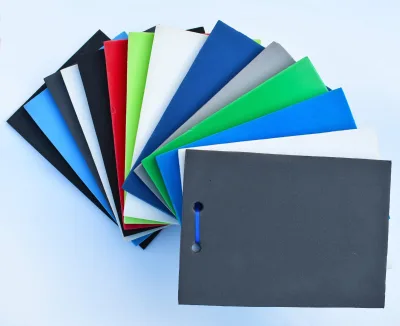


$0.45 - $0.55
MOQ: 3000 Square Meters


$0.45 - $0.55
MOQ: 3000 Square Meters





Comprehensive Sourcing Guide
Cutting Electronic EVA Foam Sheet Sourcing Guide
Sourcing cutting electronic EVA foam sheets requires a disciplined approach that balances material performance with precise manufacturing capabilities. Electronic equipment demands protective materials that offer shock absorption, thermal insulation, and electrical insulation while maintaining strict dimensional tolerances. The core keyword "Cutting Electronic EVA Foam Sheet" points to a specialized segment of the market where raw material properties are secondary to the precision of the final cut. Buyers must recognize that not all EVA foam suppliers possess the necessary engineering capabilities to deliver components that meet the rigorous standards of the electronics industry. This guide provides a structured framework for evaluating suppliers, verifying technical specifications, and ensuring compliance with safety and quality standards.
The procurement process for these components involves navigating a complex landscape of material grades, cutting technologies, and commercial terms. Observed market data indicates a wide variance in product attributes, ranging from basic plain styles to highly specialized features such as anti-static, fire-retardant, and conductive properties. Buyers must distinguish between generic foam suppliers and those who specialize in custom die-cutting or laser engraving for electronic applications. Understanding the distinction between standard sheet stock and finished, precision-cut components is critical for accurate cost estimation and quality assurance. This guide aims to equip procurement professionals with the knowledge to make informed decisions that mitigate risk and ensure supply chain reliability.
Product Scope and Observed Listing Signals
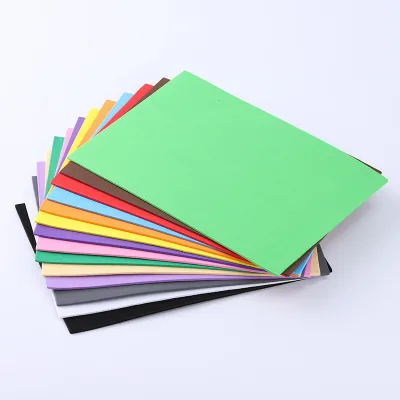
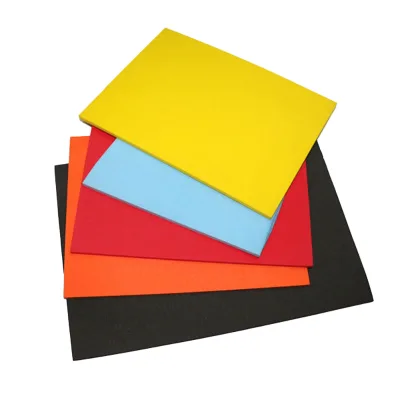
The product scope for cutting electronic EVA foam sheets encompasses a diverse range of materials and finishes, as evidenced by observed listing signals. Suppliers offer variations in style, including plain and DOT patterns, which may indicate specific surface treatments or structural designs intended for enhanced grip or aesthetic appeal. Color options are frequently listed as "Any Color" or "Different Color," suggesting a high degree of customization capability. However, buyers should note that specific applications, such as electronic gaskets, often require standardized colors like black, which may also serve functional purposes such as UV resistance or static dissipation. The availability of customization in color and style allows for brand alignment but requires clear communication of Pantone codes or physical samples to avoid discrepancies in mass production.
Material composition and physical specifications vary significantly across listings, reflecting the diverse needs of the electronics industry. Observed data highlights the use of EVA as the primary insole and sole material, with densities ranging from 10-48kg/m3, which directly impacts cushioning and compression set resistance. Some listings specify natural rubber outsoles, indicating hybrid constructions that may be relevant for applications requiring superior abrasion resistance or traction. Thickness is often customizable, allowing for tailored solutions to fit specific housing constraints. Additionally, features such as breathability, waterproofing, and eco-friendliness are commonly advertised, though buyers must verify which of these attributes are essential for their specific electronic application, as not all listed features may be simultaneously achievable in a single product variant.
Technical Specifications to Verify
Verifying technical specifications is paramount when sourcing cutting electronic EVA foam sheets, as performance is heavily dependent on precise material properties. Key attributes to confirm include density, hardness, and thermal conductivity. For instance, observed listings specify a hardness of 38 degrees and a thermal conductivity of 0.023W/m.K, which are critical for applications requiring thermal management and shock absorption. Buyers must ensure that the supplier can consistently maintain these values across production batches, as variations can lead to product failure in sensitive electronic devices. Additionally, the single package size and gross weight should be verified to optimize logistics and storage efficiency, particularly for high-volume orders where packaging dimensions can significantly impact shipping costs.
Cutting precision and edge quality are equally important technical considerations. Suppliers may employ various processing services, including cutting and laser engraving, to achieve the required dimensions and tolerances. Observed data mentions the use of stepper drives and CO2 laser types, which suggest a capability for high-precision engraving and cutting. Buyers should inquire about the tolerance levels achievable with these methods, as electronic components often require tight tolerances to ensure proper fit and function. Furthermore, the model numbers and standards, such as A4 or customized dimensions, should be cross-referenced with the buyer’s design specifications to avoid mismatches. It is also essential to verify the availability of anti-static properties, as indicated by specific keywords, to prevent electrostatic discharge damage to sensitive electronic components.
Compliance and Safety Documentation
Compliance and safety documentation are non-negotiable requirements for sourcing electronic EVA foam sheets, particularly when these materials are used in consumer electronics or medical devices. Buyers must request and verify certifications such as CE and FDA, which indicate adherence to specific safety and quality standards in relevant markets. Observed listings mention UL B1 fire retardant ratings, a critical specification for materials used in environments where fire safety is a concern. However, buyers should not assume that all listed products possess these certifications; each batch or product line must be independently verified through valid test reports from accredited laboratories. This due diligence ensures that the materials do not pose health risks or regulatory hurdles in the end market.
In addition to product-specific certifications, buyers should assess the supplier’s adherence to broader quality management standards. While ISO 9001 is mentioned in background data, its relevance should be confirmed with the specific supplier, as it indicates a systematic approach to quality control rather than a product attribute. Buyers should also inquire about the presence of anti-static and eco-friendly certifications, as these are increasingly important for global supply chains aiming to meet environmental, social, and governance (ESG) criteria. Documentation should include material safety data sheets (MSDS) and declarations of conformity, which provide detailed information about the chemical composition and safety handling of the EVA foam. Ensuring that all documentation is up-to-date and legally valid is essential for maintaining compliance in international trade.
Cost Drivers and Commercial Terms
Understanding the cost drivers and commercial terms is essential for effective budgeting and negotiation when sourcing cutting electronic EVA foam sheets. The observed price range of 0.1-2800 USD reflects the vast diversity in product complexity, quantity, and customization levels. Basic plain sheets may be priced at the lower end, while custom-cut, anti-static, or fire-retardant sheets with precise tolerances will command higher prices. Buyers should analyze the cost breakdown to identify which factors contribute most to the final price, such as material density, cutting complexity, or packaging requirements. This analysis enables more targeted negotiations and helps in identifying potential areas for cost optimization without compromising quality.
Minimum Order Quantities (MOQ) and payment terms are critical commercial considerations that impact cash flow and inventory management. Observed MOQs range from 1 to 15000 pieces, with some listings specifying an MOQ of 500pcs. Buyers should align their order quantities with their production needs and storage capacity, considering the trade-off between unit price and inventory holding costs. Packaging options, such as PP bags, PE film, or rolls, also influence cost and should be selected based on the product’s sensitivity to moisture and physical damage. Additionally, buyers should clarify the lead times and shipping terms, as these can affect the overall cost of ownership. Clear communication of these terms in the purchase agreement helps prevent disputes and ensures a smooth transaction process.
Supplier Qualification and Quality Control
Supplier qualification and quality control are foundational to securing a reliable supply of cutting electronic EVA foam sheets. Buyers should conduct thorough due diligence on potential suppliers, verifying their manufacturing capabilities, quality management systems, and track record in the electronics industry. Observed data indicates that suppliers are located in various regions of China, including Anhui and Guangdong, which may have different industrial ecosystems and supply chain efficiencies. Buyers should assess the supplier’s ability to handle customization, as indicated by the availability of cutting services and customizable sizes. This assessment should include a review of their equipment, such as laser engraving machines and cutting tools, to ensure they can meet the required precision standards.
Quality control processes should be clearly defined and agreed upon before production begins. Buyers should request a detailed quality control plan that outlines inspection points, acceptance criteria, and testing methods. This plan should cover raw material inspection, in-process quality checks, and final product verification. Given the variability in product attributes, such as density and hardness, buyers should insist on sample approvals before mass production. Additionally, buyers should consider implementing third-party inspections for large orders to ensure that the delivered products meet the specified standards. Establishing a robust quality control framework helps mitigate the risk of defects and ensures that the electronic components are protected by high-quality foam sheets.
Long-Term Procurement Checks
Long-term procurement checks are necessary to maintain supply chain resilience and ensure continuous compliance with evolving market and regulatory requirements. Buyers should establish a periodic review process to assess supplier performance, including metrics such as on-time delivery, defect rates, and responsiveness to issues. This review should also include a re-evaluation of the supplier’s certifications and compliance documentation, as standards and regulations may change over time. By maintaining an active relationship with suppliers and conducting regular audits, buyers can identify potential risks early and take corrective actions before they impact production. This proactive approach helps in building a more resilient and adaptable supply chain.
Furthermore, buyers should stay informed about advancements in EVA foam technology and cutting processes that could offer improved performance or cost savings. The observed diversity in product features, such as anti-static, fire-retardant, and eco-friendly properties, suggests a dynamic market with ongoing innovation. Buyers should engage with suppliers to explore new material options or processing techniques that could enhance their electronic products. Additionally, buyers should monitor market trends and pricing fluctuations to adjust their sourcing strategies accordingly. By continuously evaluating and optimizing their procurement processes, buyers can ensure that they remain competitive and responsive to the needs of their customers in the electronics industry.
FAQs
Can I customize the size of the Cutting Electronic EVA Foam Sheet?
Yes, the product supports customization for size and thickness. The standard specifications include A4 dimensions, but buyers can request any size or thickness to meet specific project requirements.
What certifications do the cutting electronic eva foam sheets have?
The products hold CE and FDA certifications. These standards ensure the material meets safety and regulatory requirements for applications in medical, electronic, and household sectors.
What is the minimum order quantity for these eva foam sheets?
The minimum order quantity is 500 pieces for specific models. However, general listings show an MOQ range from 1 to 15000 units depending on the supplier and product configuration.
Which features make the eva foam sheet suitable for electronic gaskets?
The sheets are non-toxic, eco-friendly, and anti-static. They also offer thermal conductivity of 0.023W/m.K and fire retardant properties rated UL B1 for safe electronic use.
How are the cutting electronic eva foam sheets packaged for shipping?
Packaging options include PP bags, PE film, rolls, or cartons. Specific models may use single rolls in OPP bags or bulk bales depending on the supplier and order volume.
What is the origin location of the cutting electronic eva foam sheets?
The products originate from China, specifically from regions like Anhui and Guangdong. This location supports the manufacturing and processing services required for custom cutting applications.