Source Low Shrinkage Liquid Silicone Rubber for Industrial, Medical, and Household
Find 27 listings for Low Shrinkage Liquid Silicone Rubber suitable for industrial, medical, and household applications. Compare specifications such as viscosity, hardness, and certifications including RoHS, FDA, and SGS to identify the right material for your manufacturing needs; compare the available evidence and request quotations based on your requirements.
Key considerations
Products List


Comprehensive Sourcing Guide
Low Shrinkage Liquid Silicone Rubber Sourcing Guide
Buyers must first distinguish between general liquid silicone rubber and specialized low-shrinkage formulations designed for precision molding. The supplied data confirms that specific models, such as GTSIL-P10-P40 and GTSIL-P00~P30, explicitly list low shrinkage as a core feature, making them suitable for applications requiring tight dimensional tolerances. Procurement teams should verify that the specific product model selected matches the required hardness range, typically observed between 10 and 25 Shore A, to ensure the material meets the mechanical demands of the final component.
When evaluating listings, it is critical to confirm the mixing ratio and curing mechanism, as these directly impact the final shrinkage rate. The available data indicates a standard 1:1 mixing ratio for certain grades, which simplifies the production process but requires precise metering equipment to maintain consistency. Buyers should also note that some variants utilize heat curing, necessitating specific oven infrastructure, while others may rely on different curing profiles. Ensuring the supplier provides clear technical data sheets for the specific model number is essential before committing to a bulk order.
Product Scope and Observed Listing Signals
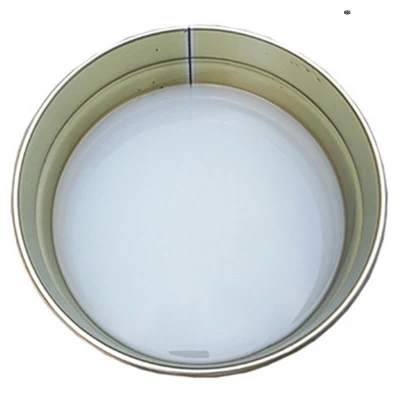
The market for liquid silicone rubber presents a wide spectrum of packaging formats and physical forms, ranging from small 1kg pots to large 200kg drums. Observed listings show diverse packaging standards, including 20kg barrels, iron drums, and plastic brums, which influence logistics planning and storage requirements. Buyers must align their internal handling capabilities with the supplier's standard packaging, such as the 20kg/barrel standard or the 25kg iron drum option, to avoid unnecessary repackaging costs or material degradation during transit.
Application scope varies significantly across the product range, with some grades tailored for industrial webbing coating and others for medical or household uses. The data highlights specific models like TCS-3330 and TCS-1140C, which are noted for uses such as embossed logos and webbing coating, while other formulations support broader industrial and agricultural applications. Procurement teams should carefully map the intended end-use, such as embossing or coating, to the specific product attributes listed, ensuring the selected silicone ink or rubber possesses the necessary viscosity and adhesion properties for the target substrate.
Technical Specifications to Verify
Dimensional stability is the primary technical differentiator for low-shrinkage liquid silicone rubber, requiring verification of the specific shrinkage rate under curing conditions. While the general category supports low shrinkage, buyers must request batch-specific test results to confirm that the material maintains its shape after heat curing, especially for complex geometries. The observed hardness range of 10 to 25 Shore A suggests these materials are optimized for flexible applications, but the exact durometer must be confirmed against the design specifications to prevent part failure or poor fit.
Thermal resistance and shelf life are critical operational parameters that define the material's longevity and processing window. The supplied facts indicate a temperature resistance range of -60 to 250 degrees Celsius, which is vital for applications exposed to extreme environments. Additionally, shelf life varies between 10 and 12 months depending on the specific grade and storage conditions, with some products requiring sealed room temperature storage. Buyers should verify the expiration date on the specific batch to ensure the material has not degraded, which could compromise the low-shrinkage performance and mechanical integrity.
Compliance and Safety Documentation
Regulatory compliance is a non-negotiable aspect of sourcing liquid silicone rubber, particularly for medical and food-contact applications. The observed certifications include RoHS, REACH, FDA, and Oeko-Tex100, which validate the material's safety for various end-uses. Procurement teams must ensure that the specific product model carries the necessary certificates for the intended market, as not all industrial grades may possess FDA or Oeko-Tex100 clearance. Requesting valid, up-to-date certificates from the supplier is essential to avoid regulatory hurdles during product certification or market entry.
Safety data sheets (MSDS) and material safety documentation provide the necessary information for safe handling and storage in the manufacturing environment. The data confirms that comprehensive documentation, including MSDS and SGS reports, is available for the product range. Buyers should review these documents to understand the specific handling requirements, such as ventilation needs or personal protective equipment, to ensure worker safety. Verifying that the supplier provides these documents in the required language and format is a key step in the qualification process before any material is introduced to the production floor.
Cost Drivers and Commercial Terms
Pricing for liquid silicone rubber is influenced by the complexity of the formulation, the specific certifications required, and the volume of the order. The observed price range spans from $0.10 to $2500, reflecting the diversity from small sample quantities to large industrial drums. Buyers should anticipate that specialized low-shrinkage grades with multiple certifications like FDA and ISO may command a premium over standard industrial grades. Understanding the cost structure helps in budgeting for both the initial material purchase and the long-term operational expenses associated with the product.
Minimum Order Quantities (MOQ) and lead times are significant commercial factors that affect supply chain flexibility. The data shows an MOQ range from 1 unit to 2000 units, offering flexibility for prototyping as well as mass production. However, larger orders often require longer lead times and specific shipping arrangements, such as sea or air freight, which impact the total landed cost. Buyers must negotiate terms that balance inventory costs with production schedules, ensuring that the supplier can meet delivery deadlines without compromising on the quality or consistency of the low-shrinkage material.
Supplier Qualification and Quality Control
Supplier qualification requires a thorough assessment of their manufacturing capabilities and quality assurance systems. The observed product origins are primarily in Guangdong, China, a region known for its silicone manufacturing ecosystem. Buyers should verify the supplier's production capacity and their ability to maintain consistent quality across different batches, especially for specialized formulations like the GTSIL series. Requesting a facility audit or a detailed quality control plan is recommended to ensure the supplier can consistently deliver materials that meet the low-shrinkage specifications.
Quality control processes must include rigorous testing of viscosity, mixing ratios, and curing performance to prevent production defects. The data indicates that some suppliers offer free samples, which allows buyers to conduct their own internal testing before committing to a large order. It is crucial to establish a clear protocol for sample approval, ensuring that the test results match the supplier's technical data sheet. Implementing a robust incoming quality inspection process for bulk shipments helps mitigate the risk of receiving materials that do not meet the required performance standards.
Long-Term Procurement Checks
Sustaining a successful procurement relationship involves regular performance reviews and continuous monitoring of material consistency. Buyers should establish a schedule for periodic testing of incoming batches to verify that the low-shrinkage properties and hardness remain within the specified range over time. This proactive approach helps identify any drift in material performance early, allowing for corrective actions before production is impacted. Maintaining open communication with the supplier regarding any changes in raw materials or manufacturing processes is also vital for long-term stability.
Supply chain resilience requires diversifying sources and maintaining safety stock to mitigate potential disruptions. Given the observed shelf life of 10 to 12 months, buyers must manage inventory levels carefully to avoid material expiration while ensuring a steady supply for production. Developing a contingency plan that includes alternative suppliers or backup product models can protect against supply chain interruptions. Regularly reviewing the supplier's performance against key metrics, such as on-time delivery and defect rates, ensures that the partnership remains beneficial and reliable for future procurement needs.
FAQs
What certifications are available for Low Shrinkage Liquid Silicone Rubber?
Certifications include RoHS, REACH, FDA, ISO, Oeko-Tex100, and SGS. These ensure compliance with industrial, medical, and household standards. Verify specific product models like TCS-5230 or GTSIL-P series for exact documentation. Always request current certificates from suppliers to confirm regulatory adherence for your target market applications.
How is Low Shrinkage Liquid Silicone Rubber packaged for shipment?
Packaging options include 1kg pots, 5kg and 10kg plastic drums, 25kg iron drums, and 20kg barrels. Some models use iron drum packaging exclusively. Shipping methods support both sea and air freight. Standard shelf life is 1 year or 12 months when sealed at room temperature. Ensure containers are intact to maintain material integrity during transit.
Can Low Shrinkage Liquid Silicone Rubber be customized for specific needs?
Yes, customization is available for personalized development based on performance requests. You can adjust rubber formulas to meet specific hardness or viscosity requirements. Models like GTSIL-P10-P40 offer varying hardness levels. Contact suppliers to discuss tailored solutions for embossed logos or webbing coating applications to ensure optimal product fit.
What is the mixing ratio for Low Shrinkage Liquid Silicone Rubber?
The standard mixing ratio is 1:1 for many liquid silicone rubber formulations. This simplifies the curing process for industrial and medical applications. Ensure precise measurement to achieve consistent hardness and low shrinkage properties. Verify the specific ratio for models like GTSIL-P series with your supplier to prevent curing defects or performance issues in final products.
Where is Low Shrinkage Liquid Silicone Rubber manufactured?
Products are primarily manufactured in Guangdong, China. This region hosts numerous factories specializing in silicone rubber and liquid silicone ink. Origin details are often listed as Guangdong Donggun or simply China. Buyers should verify specific factory locations and capabilities to ensure reliable supply chains and consistent quality for their sourcing requirements.
What are the temperature resistance limits of Low Shrinkage Liquid Silicone Rubber?
The material typically resists temperatures from -60 to 250 degrees Celsius. This wide range supports diverse industrial and household applications. High-temperature resistance ensures durability in demanding environments. Check specific product datasheets for exact thermal stability limits. Proper curing and formulation affect final performance, so confirm specifications with manufacturers for critical thermal applications.