Source Cutting Copper Sheet for Plumbing, HVAC, and Water Heaters
Find 30 verified listings for Cutting Copper Sheet for Plumbing, HVAC, and water heater applications. Buyers can compare specifications like thickness, grade, and surface finish from suppliers in China to select the right material for their projects.
Key considerations
Products List


Factory Outlet Polished Copper Sheet for Printed Circuit Boards with ASTM
$495.00 - $1055.00
MOQ: 1 Tons


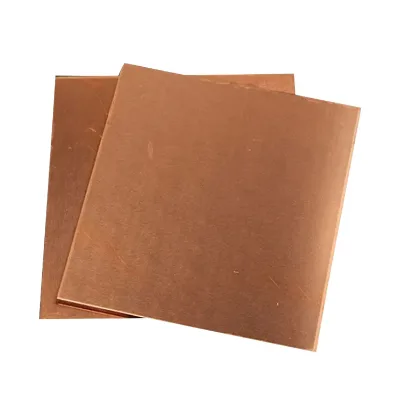
High Purity Copper Sheets Copper Roof Sheet 1mm-50mm Thickness for Electrical
$9.15 - $10.28
MOQ: 500 kilometers
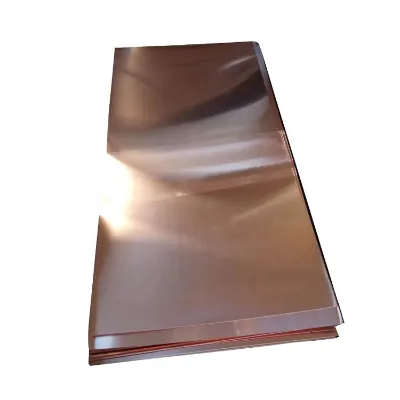


Comprehensive Sourcing Guide
Strategic Sourcing Guide for Cutting Copper Sheet in Plumbing Applications
Understanding Material Variants and Technical Specifications
When sourcing copper sheet for plumbing applications, the primary distinction lies in the alloy composition and the resulting mechanical properties. The market presents a dichotomy between non-alloy copper and various copper alloys. For critical plumbing components, non-alloy copper is often preferred due to its superior corrosion resistance and malleability. The supply data indicates that non-alloy copper sheets are available in specific grades such as T1 and T2, which correspond to high-purity copper variants. These grades are essential for applications requiring high conductivity and ductility, such as water heaters and air conditioning systems.
The physical dimensions of the sheet are equally critical for cutting and fabrication processes. The available thickness range spans from 0.1mm to 200mm, allowing for a vast array of applications from thin roofing elements to heavy-duty structural plates. For plumbing specifically, the thickness must be selected to withstand internal pressure without compromising the ease of cutting and bending. The width of the sheets typically ranges from 20mm to 2500mm, while lengths can extend up to 12000mm or be customized to specific project requirements. Buyers must verify that the supplier can provide sheets within the precise dimensional tolerances required for their cutting machinery, as the observed data suggests a tolerance capability of 0.01mm for high-quality products.
Surface finish is another technical parameter that influences the cutting process and the final aesthetic or functional outcome. Options include bright surfaces, which are often required for visible plumbing fixtures, or hot-rolled finishes, which may be more suitable for concealed piping or structural supports. The color of the raw material can vary, with observations noting red, purple, and golden hues depending on the specific alloy and surface treatment. For standard plumbing, the red copper variant is the industry norm, typically boasting a copper content of at least 99.9%.
Compliance Standards and Certification Verification
Navigating the regulatory landscape is a fundamental step in B2B procurement. The copper sheet market is governed by a complex web of international and regional standards. Buyers should verify that the supplier adheres to recognized standards such as ASTM, BS, ANSI, JIS, GB, GOST, and DIN. These standards ensure that the material meets specific mechanical and chemical requirements for safety and durability. The presence of these standards on product documentation is a strong indicator of quality control adherence.
In addition to material standards, certifications play a pivotal role in validating the supplier's commitment to quality and environmental safety. The observed data highlights certifications such as ISO, RoHS, CE, and ISO9001. ISO9001 certification indicates a robust quality management system, ensuring consistent product quality across batches. RoHS compliance is crucial for plumbing applications, as it restricts the use of hazardous substances, ensuring the copper sheet is safe for use in potable water systems. Furthermore, third-party inspection certifications like SGS and BV provide an additional layer of assurance, verifying that the material meets the specified grade and purity levels before shipment.
Buyers must also be aware of the specific grade designations. While T1 and T2 are common for non-alloy copper, other grades like C1100, C1220, and C10200 are available for specialized applications. The distinction between these grades often lies in the oxygen content and impurity levels, which directly affect the material's formability and resistance to stress corrosion cracking. It is imperative to match the specific plumbing application with the correct grade, as using a lower-grade alloy in high-pressure water systems could lead to premature failure.
Cost Drivers and Pricing Dynamics
The pricing of copper sheets is inherently volatile, driven by the fluctuating global price of raw copper and the specific processing requirements. The observed price range in the market is extensive, spanning from $0.35 to $11,200, reflecting the diversity of product types, from small custom-cut pieces to large industrial coils. This wide range underscores the importance of defining exact specifications before requesting a quote, as minor changes in thickness or alloy can significantly impact the final cost.
Several factors contribute to the cost structure of copper sheet procurement. The alloy composition is a primary driver; non-alloy copper is generally more expensive than alloyed variants due to the higher purity requirements. The surface finish also affects pricing, with bright-finished sheets commanding a premium over hot-rolled options due to the additional processing steps involved. Furthermore, the customization level plays a significant role. Customized lengths, widths, and thicknesses often incur higher costs compared to standard stock sizes.
Logistics and packaging are additional cost components. The observed data mentions standard seaworthy export packages, Europe standard packing, and shipping options. The choice of packaging must align with the shipping method to prevent damage during transit, which could otherwise lead to costly returns or replacements. Buyers should also consider the payment terms, which may include FOB, CIF, Ex-Work, or FCA, as these terms dictate who bears the cost and risk during transportation. Understanding these variables allows buyers to negotiate more effectively and budget accurately for their projects.
Typical Applications and Functional Requirements
Copper sheets serve a multitude of applications beyond simple plumbing, but their role in water systems is paramount. The observed data lists applications such as water tubes, air conditioners, refrigerators, water heaters, and oil cooler pipes. In the context of plumbing, copper sheets are frequently used to fabricate custom fittings, heat exchangers, and piping systems. The high thermal conductivity of copper makes it ideal for heat exchange applications, while its antimicrobial properties contribute to water safety.
The versatility of copper sheets extends to metal processing machinery, where they are used in casting, coating, drawing, engraving, forging, spinning, straightening, and cutting machinery. This broad applicability suggests that copper sheets are not only used in the final plumbing product but also in the manufacturing equipment itself. For instance, copper sheets may be used as components in metal cutting machines or as protective linings in metal coating machinery.
Specific product items observed in the market include copper sheets for roofing, 2mm copper sheets, and copper plates in various thicknesses. These items highlight the diverse thickness requirements across different industries. In plumbing, the thickness of the sheet determines its suitability for specific pressure ratings and bending radii. Thinner sheets (e.g., 0.1mm to 2mm) are often used for roofing or decorative elements, while thicker plates (e.g., 3mm and above) are reserved for high-pressure water lines or heavy-duty industrial applications.
Supplier Evaluation and Selection Criteria
Selecting the right supplier is critical for ensuring the reliability and quality of the copper sheet supply chain. Buyers should prioritize suppliers who demonstrate transparency in their product specifications and offer a wide range of customization options. The availability of customization is a key indicator of a supplier's flexibility and ability to meet unique project requirements. Suppliers who offer standard seaworthy export packages and can accommodate specific packing requirements demonstrate a commitment to product integrity during transit.
Geographic origin is another factor to consider. The observed data indicates that many suppliers are located in China, with specific hubs in Tianjin and Qingdao. While these regions are known for their manufacturing capabilities, buyers should verify the supplier's ability to meet international shipping and quality standards. The presence of certifications like ISO9001 and third-party inspections like SGS and BV can help mitigate risks associated with sourcing from international locations.
The supplier's production capacity and lead time are also vital considerations. The observed delivery time ranges from 7 to 15 days, which suggests a relatively quick turnaround for standard orders. However, for customized or large-volume orders, lead times may vary. Buyers should inquire about the supplier's ability to scale production and manage inventory to avoid delays. Additionally, the minimum order quantity (MOQ) is a significant factor; while some suppliers may have an MOQ of 500kg, others may offer lower thresholds, making them more suitable for smaller projects.
Quality Control and Testing Protocols
Ensuring the quality of copper sheets requires a rigorous approach to quality control and testing. Buyers should demand comprehensive test reports that verify the material's chemical composition, mechanical properties, and dimensional accuracy. The observed data mentions a minimum copper content of 99.9%, which serves as a baseline for high-purity copper. However, buyers should also verify the conductivity levels, which are typically measured in IACS (International Annealed Copper Standard), with observed values ranging from 19% to 23% for certain alloy variants.
Dimensional accuracy is another critical aspect of quality control. The tolerance of 0.01mm mentioned in the data highlights the precision required for high-quality copper sheets. Buyers should ensure that the supplier has the necessary equipment and processes to maintain these tolerances consistently. Surface quality is also important, with bright surfaces requiring specific finishing techniques to prevent defects such as scratches or oxidation.
Third-party inspections play a crucial role in validating quality. Certifications from organizations like SGS and BV provide independent verification of the product's compliance with specified standards. Buyers should request these inspection reports before finalizing the purchase to ensure that the delivered goods meet the agreed-upon specifications. Additionally, regular audits of the supplier's manufacturing processes can help maintain long-term quality standards and identify any potential issues early in the production cycle.
Long-Term Procurement Considerations and Sustainability
Sourcing copper sheets for plumbing involves more than just immediate transactional needs; it requires a strategic approach to long-term procurement. Sustainability is becoming an increasingly important factor, with buyers looking for suppliers who adhere to environmental standards such as RoHS. The use of sustainable materials and processes can enhance the brand reputation of the end product and ensure compliance with evolving environmental regulations.
Supply chain resilience is another key consideration. Diversifying the supplier base and maintaining relationships with multiple vendors can help mitigate risks associated with supply disruptions. Buyers should also consider the total cost of ownership, which includes not only the purchase price but also the costs associated with shipping, handling, and potential waste. Efficient inventory management and just-in-time delivery strategies can help minimize these costs.
Finally, the long-term performance of the copper sheet in plumbing applications must be considered. Copper's inherent resistance to corrosion and its ability to withstand high temperatures make it a durable choice for water systems. However, buyers should ensure that the specific grade and treatment of the copper sheet are suitable for the intended environment. Regular maintenance and inspection of the installed copper components can help extend their lifespan and prevent costly failures. By focusing on these long-term factors, buyers can build a robust and sustainable procurement strategy for copper sheet in plumbing applications.
FAQs
How thick can Cutting Copper Sheet for Plumbing be?
The thickness ranges from 0.1mm to 200mm depending on the specific product requirements. Buyers can request custom dimensions to suit their plumbing projects, ensuring the material fits the intended pressure and structural needs.
What certifications should I look for in copper sheet suppliers?
Suppliers often provide ISO, RoHS, CE, and ISO9001 certifications to ensure quality and safety. Third-party inspections like SGS and BV are also available to verify material purity and compliance with international standards before shipment.
Which copper grades are suitable for plumbing applications?
Non-alloy copper grades like T1 and T2 are preferred for their high purity and corrosion resistance. These grades typically contain at least 99.9% copper, making them ideal for water heaters and air conditioning systems.
Can I get customized copper sheets for specific plumbing needs?
Yes, customization is available for length, width, and thickness to meet exact project specifications. Suppliers can produce sheets in various forms, including bright or hot-rolled finishes, to match specific aesthetic or functional requirements.
How long does delivery take for copper sheet orders?
Standard delivery times typically range from 7 to 15 days for most orders. However, lead times may vary for customized requests or large volume orders, so buyers should confirm specific timelines with the supplier.
What is the minimum order quantity for copper sheets?
The minimum order quantity is often 500kg, though some suppliers may offer lower thresholds. Buyers should verify the specific MOQ with the vendor to ensure it aligns with their project scale and budget.
Where are the main manufacturing hubs for copper sheets located?
Major production hubs are located in China, specifically in cities like Tianjin and Qingdao. These regions offer extensive manufacturing capabilities and export infrastructure to support international plumbing supply chains.