Source Cycling Jersey and Bib Shorts Set for Racing, Fitness, Cycling
Explore 30 verified options for a Cycling Jersey and Bib Shorts Set designed for racing, fitness, and cycling. Buyers can compare features like quick-drying fabric, breathable materials, and custom sizing from suppliers in Guangdong, China.
Key considerations
Products List


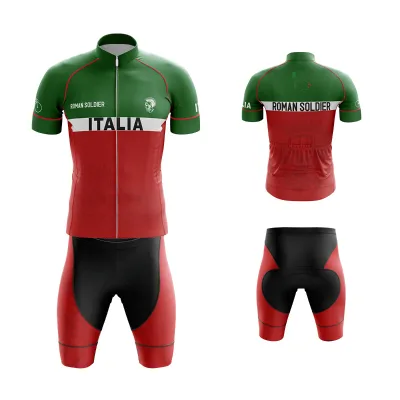


Unisex Cycling Jerseys Set Suits Sublimation Design Cycling Bib Shorts Custom
$10.99 - $16.99
MOQ: 10 Pieces


Custom Design Cycling Bib Shorts Clothing Clothes Suits Polyester Cycling Wear
$10.99 - $16.99
MOQ: 10 Pieces


PRO Long Sleeves Cycling Jersey Short Sleeve Bike Cycling Jersey Bib Shorts
$10.99 - $16.99
MOQ: 10 Pieces


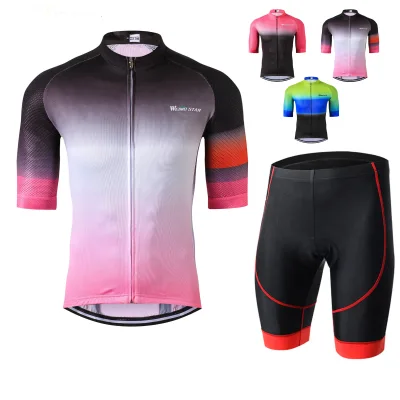


Cycling Clothing Set Short Sleeve Jersey with Cycling Shorts Summer Bike Wear
$15.00 - $25.00
MOQ: 600 Pieces



Comprehensive Sourcing Guide
Cycling Jersey and Bib Shorts Set Sourcing Guide
Sourcing a complete Cycling Jersey and Bib Shorts Set requires a disciplined approach to material selection, fit engineering, and supplier verification. The modern cycling apparel market is dominated by synthetic performance fabrics, primarily polyester and nylon blends, designed to manage moisture, reduce drag, and withstand high-intensity physical activity. Buyers must navigate a landscape where "cycling wear" encompasses everything from casual fitness tops to professional-grade racing suits. The observed product data indicates a strong prevalence of polyester and polyester-spandex blends, often treated with sublimation printing to achieve vibrant, durable patterns that do not add weight or compromise breathability. Understanding these material baselines is the first step in defining a procurement specification that aligns with your target market’s performance expectations.
The commercial reality of sourcing these sets involves balancing customization depth with manufacturing efficiency. Observed listing signals reveal a wide range of minimum order quantities (MOQs), spanning from single pieces for sampling up to 600 units for bulk production, suggesting that suppliers are flexible but require clear volume commitments for cost-effective pricing. The price range observed between $4.90 and $30.00 USD highlights significant variance in quality, fabric weight, and design complexity. Buyers should recognize that lower price points often correlate with basic fabric weights or simpler construction, while higher tiers likely involve advanced features like anti-UV treatments, windbreak capabilities, or specialized ergonomic padding for bib shorts. Establishing a clear budget and feature set early in the process prevents misalignment with supplier capabilities.
Product Scope and Observed Listing Signals
The product scope for cycling apparel extends beyond simple jerseys to include comprehensive kits that may feature tops, suits, and specialized lower garments. Observed data points to a diverse range of product types, including regular uniforms, tops, and full suits, catering to various usage scenarios such as volleyball, ball sports, racing, and general fitness. This versatility indicates that many suppliers offer modular design capabilities, allowing buyers to mix and match components or request full-kit configurations. The presence of "unisex" and "adult" age/gender attributes suggests that base patterns are often designed for broad applicability, though fit adjustments for specific demographics may be required for optimal market penetration.
Listing signals also reveal significant variation in sizing and packaging standards, which directly impacts logistics and retail readiness. Sizes range from XXS to 6XL, indicating that suppliers are equipped to handle inclusive sizing strategies, a critical factor for global distribution. Packaging is typically standardized, with items packed individually in polybags or PP bags, which simplifies inventory handling but requires buyers to verify if retail-ready packaging or hang tags are included in the base price. The availability of custom sizes and digital sublimation printing further underscores the importance of verifying how a supplier handles size grading and pattern alignment, as these factors significantly influence the final aesthetic and functional quality of the set.
Technical Specifications to Verify
Fabric composition and weight are the primary technical determinants of performance and comfort in cycling apparel. Buyers must verify whether the supplier uses pure polyester, polyester-spandex blends, or nylon, as each material offers distinct advantages in terms of stretch recovery, durability, and moisture management. The observed standard of 150-220gsm fabric provides a baseline for mid-weight performance wear, but buyers should confirm the exact gram weight for their specific use case, as lighter fabrics are preferred for summer racing while heavier blends may offer better durability for training. Additionally, features such as quick-drying, moisture-wicking, breathability, and anti-UV protection should be explicitly confirmed in the technical datasheet, as these are often marketing terms that require specific fabric treatments or weave structures to be effective.
Construction details, including zipper types, seam placement, and print technology, significantly affect the longevity and fit of the cycling set. Full-zip designs are common for jerseys, offering ventilation control, but buyers should verify the quality of the zipper tape and slider to prevent failure during high-stress activities. The use of digital sublimation printing is prevalent, allowing for all-over patterns without adding stiffness to the fabric, but buyers must ensure that colorfastness is maintained through repeated washing and exposure to sunlight. For bib shorts, the integration of chamois padding and the elasticity of the leg grippers are critical technical aspects that are not always detailed in basic listings, requiring direct inquiry into the supplier’s manufacturing capabilities and material sourcing for these components.
Compliance and Safety Documentation
While specific certification statuses are not explicitly confirmed in the observed data, buyers must proactively request documentation related to chemical safety and material compliance. The mention of Oeko-Tex as a background standard highlights the importance of verifying that fabrics are free from harmful substances, particularly for garments that are in close contact with the skin for extended periods. Buyers should ask for test reports from accredited laboratories to confirm that dyes, finishes, and elastic components meet international safety standards, such as REACH in Europe or CPSIA in the United States, depending on the target market. This due diligence is essential to avoid regulatory hurdles and ensure consumer safety, especially when dealing with synthetic materials that may retain chemical residues from manufacturing processes.
Labeling and care instruction compliance are also critical aspects of documentation that buyers must verify. Proper labeling ensures that consumers are informed about material composition, care instructions, and country of origin, which is often a legal requirement in many jurisdictions. Buyers should confirm that the supplier can provide accurate and compliant labels, including size charts and washing symbols, to prevent customer returns and dissatisfaction. Additionally, verifying the supplier’s adherence to labor standards and ethical manufacturing practices is increasingly important for brand reputation, although this may require third-party audits rather than simple documentation review.
Cost Drivers and Commercial Terms
The cost of cycling jersey and bib shorts sets is driven by several key factors, including material selection, design complexity, and order volume. The observed price range of $4.90 to $30.00 USD reflects these variables, with lower prices likely corresponding to basic polyester fabrics and simple designs, while higher prices may include advanced features like anti-UV treatments, windbreak capabilities, or complex sublimation patterns. Buyers should understand that customization, such as unique colorways or specific logo placements, can increase production costs due to setup fees and material waste. Additionally, the choice of fabric weight and blend can significantly impact the unit cost, as higher-quality or specialized materials often come at a premium.
Commercial terms, including minimum order quantities (MOQs), lead times, and shipping methods, play a crucial role in the overall procurement strategy. The observed MOQ range of 1 to 600 units offers flexibility, but buyers should negotiate terms that align with their inventory management capabilities and cash flow constraints. Sample times of 3-7 days and order lead times of 1-2 weeks are typical, but these can vary based on the complexity of the design and the supplier’s current production load. Shipping methods, such as DHL or UPS, should be evaluated for cost and speed, with buyers considering the trade-off between faster delivery and higher shipping expenses. Clear communication regarding these terms is essential to avoid unexpected costs and delays.
Supplier Qualification and Quality Control
Supplier qualification is a critical step in ensuring the reliability and consistency of the cycling apparel supply chain. Buyers should verify the supplier’s production capacity, technical expertise, and past performance through references or case studies. The observed product models, such as DPCJ007 and various cycling wear codes, suggest that suppliers have established production lines, but buyers should confirm that these lines are dedicated to high-quality output and not just mass production of lower-grade items. Additionally, verifying the supplier’s location, such as Guangdong, China, can provide insights into their access to raw materials and logistical advantages, but buyers should also assess their communication responsiveness and willingness to accommodate custom requests.
Quality control measures must be clearly defined and enforced throughout the production process. Buyers should establish a detailed quality assurance plan that includes pre-production sample approval, in-line inspections, and final random inspections before shipment. The observed feature of "Body Shape" in some products highlights the importance of fit consistency, which requires rigorous size grading and pattern checking. Buyers should also verify the supplier’s defect rate and return policy, ensuring that they have mechanisms in place to address quality issues promptly. Collaborating with a third-party inspection agency can provide an additional layer of assurance, particularly for large orders or new supplier relationships.
Long-Term Procurement Checks
Long-term procurement success depends on continuous monitoring of supplier performance and market trends. Buyers should regularly review key performance indicators (KPIs) such as on-time delivery, product quality, and responsiveness to issues. The cycling apparel market is dynamic, with frequent changes in fabric technologies and design trends, so buyers must stay informed about innovations that could enhance their product offerings. This includes keeping an eye on new moisture-wicking technologies, sustainable material options, and ergonomic design improvements that can provide a competitive edge.
Building a strong, collaborative relationship with suppliers is also essential for long-term success. Open communication, mutual respect, and fair negotiation practices can lead to better pricing, priority production slots, and improved support during peak seasons. Buyers should consider developing a multi-sourcing strategy to mitigate risks associated with single-supplier dependency, while also investing in deepening relationships with key partners who demonstrate reliability and innovation. Regular feedback loops and joint problem-solving sessions can help identify areas for improvement and foster a partnership that drives continuous value creation for both parties.
FAQs
What materials are used for the Cycling Jersey and Bib Shorts Set?
The products are primarily made from Polyester or a Polyester and Spandex blend. Some items also utilize Nylon fabric. These materials ensure durability and comfort for adult unisex users during cycling activities.
Can I get a sample before placing a bulk order?
Yes, product samples are available for verification. The sample time typically ranges from 1 to 7 days depending on the specific model. This allows buyers to check quality before committing to larger quantities.
What is the minimum order quantity for these cycling sets?
The minimum order quantity varies significantly across different listings. Observed MOQs range from as low as 1 piece up to 600 pieces. Buyers should check specific product models to confirm the exact requirement for their order.
How long does it take to receive an order after payment?
Order lead times generally span 1 to 2 weeks for production. Shipping methods like DHL or UPS are commonly used for delivery. Specific timelines may vary based on the chosen product model and customization needs.
Which printing technologies are available for custom designs?
Multiple printing technologies are supported including Sublimation, Silk Screen, Offset, and Embroidery. Digital Sublimation Printing is also highlighted for specific designs. These options allow for patterned and customized appearances on the cycling gear.
What sizes are available for the Cycling Jersey and Bib Shorts Set?
Sizes range from XXS to 6XL to accommodate various body types. Some listings specify all sizes while others list specific options like S, M, L, XL, and XXL. Customized sizing is also available for certain product models.
Where are these cycling products manufactured?
The products originate from Guangdong, China. This location is a known hub for textile manufacturing. Buyers can expect goods to be sourced from this region when ordering these specific cycling sets.