Source Cycling Gloves for Skiing, Racing, and Stunt Riding
Compare 30 verified Cycling Gloves suitable for skiing, racing, and stunt riding. Buyers can review specifications like material, size, and customization options to find the right gear for winter sports and motorcycle use.
Key considerations
Products List


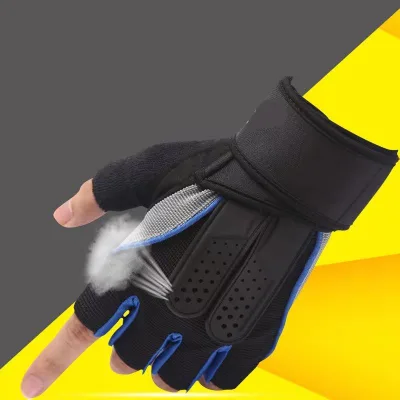


Hot Sale Sweat-Absorbent Breathable and Non-Slip in Good Price Cycling Gloves
$0.91 - $2.61
MOQ: 20 Pieces


China Factory Price Best Price Stretchy Comfortable and Breathable Cycling Gloves
$0.37 - $1.07
MOQ: 20 Pieces

Hot Sale Outdoor Men's and Women's Cycling Wear-Resistant Cycling Gloves
$1.00 - $2.86
MOQ: 500 Pieces

Hot Sell Breathable Windproof Material Cycling Gloves in Good Price Cycling Gloves
$0.91 - $2.61
MOQ: 20 Pieces

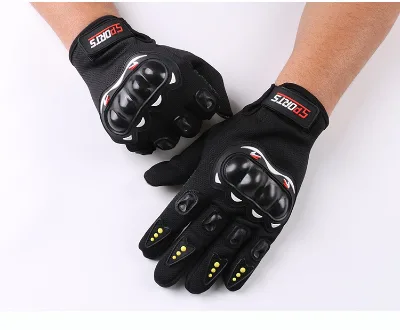


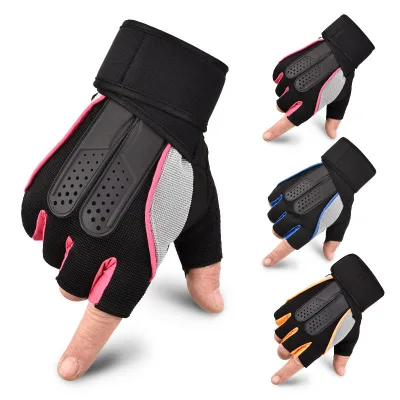
Customized Cheap Cycling Gloves Palm Pads Shock and Abrasion Resistant Cycling Gloves
$0.58 - $1.67
MOQ: 20 pieces


Comprehensive Sourcing Guide
Strategic Sourcing Guide for Cycling Gloves in the B2B Market
Understanding Product Specifications and Variants
When initiating a procurement strategy for Cycling Gloves, the first step involves a granular analysis of the technical specifications that define the product category. The market for Cycling Gloves is not monolithic; it encompasses a diverse range of variants designed for specific riding conditions, from high-speed racing to leisurely commuting. Based on current market data, the core product attributes distinguish between full-finger and fingerless designs, each serving distinct functional requirements. Full-finger gloves are often specified for colder environments or activities requiring maximum protection, such as skiing, shoveling snow, or stunt riding, while fingerless variants are typically associated with warmer seasons like spring and autumn, offering enhanced dexterity for gear shifting and braking.
The material composition is another critical specification that dictates the glove's performance and durability. Suppliers frequently utilize 100% polyester or blends involving polyamide and elastane to achieve the necessary balance of stretch, breathability, and abrasion resistance. The gauge of the knitting, such as 12GG, influences the fabric density and comfort level, which is particularly relevant for winter sports applications where thermal retention is key. Furthermore, the presence or absence of a buckle mechanism is a defining feature. Some models are equipped with adjustable buckles to ensure a secure fit during high-intensity activities, whereas others rely on elastic closures or simple cuff designs. The color palette generally defaults to standard options like black, though the capability for customized designs and colors is a prevalent feature in the supply chain, allowing buyers to align products with brand identity.
Application Scenarios and Usage Contexts
The versatility of Cycling Gloves extends beyond the bicycle itself, often overlapping with broader winter sports and recreational activities. The primary application is clearly defined as cycling, yet the observed usage data indicates a significant overlap with skiing, racing, and stunt riding. This cross-category utility suggests that the manufacturing processes for these gloves are adaptable, allowing a single production line to serve multiple market segments. For instance, gloves designed for "Leisure, Fancy, Racing, and Stunt" usage often share structural similarities with those intended for snowfield applications.
Buyers must carefully map the intended end-use to the specific product features. Gloves marketed for "Motorcycle & Bicycle" use often require reinforced padding and anti-slip properties to handle the higher speeds and potential impacts associated with motorized transport. In contrast, gloves intended for "Skiing" or "Shoveling Snow" prioritize thermal insulation and water resistance, often utilizing materials like cashmere or wool blends. The "Suitable Occasions" attribute highlights that these products are not limited to a single sport but are designed for a spectrum of physical activities including yoga, general sports, and outdoor recreation. Understanding this overlap is essential for inventory planning, as a single SKU might be viable for multiple marketing channels, from cycling clubs to winter sports retailers.
Cost Drivers and Pricing Dynamics
The pricing structure for Cycling Gloves in the B2B sector is influenced by a complex interplay of material costs, customization levels, and order volume. The observed price range in the market spans from approximately $0.37 to $17.16 USD, reflecting the vast disparity between basic, unbranded stock items and high-performance, custom-engineered products. The lower end of this spectrum typically corresponds to standard models with minimal customization, utilizing basic polyester fabrics and simple packaging. Conversely, the higher price points are associated with specialized features such as custom buckles, premium material blends like wool or cashmere, and bespoke design elements.
Order volume is a primary determinant of the unit cost. The Minimum Order Quantity (MOQ) varies significantly, ranging from as low as 1 piece for sample acquisition to 10,000 pieces for large-scale industrial orders. A specific benchmark observed in the market indicates an MOQ of 500 pieces for certain production runs, which serves as a common threshold for balancing cost efficiency with inventory risk. Additionally, the lead time required for production impacts the overall cost structure. Standard bulk lead times are reported between 45 to 60 days, while sample lead times are typically shorter, ranging from 10 to 15 days. Buyers should anticipate that expedited shipping or rush production orders will incur premium costs. Packaging requirements also play a role; while standard packaging involves placing one piece in a polybag and 30 to 60 in a carton, custom packaging solutions requested by the buyer can add to the final unit price.
Supplier Evaluation and Production Capabilities
Selecting the right supplier requires a thorough evaluation of their production capacity, geographic location, and flexibility regarding customization. The majority of the supply base for these products is concentrated in Fujian, China, a region known for its robust textile and sports equipment manufacturing infrastructure. When assessing potential partners, buyers should verify the supplier's stated production standards and capacity. For example, some suppliers indicate a production capacity of 50,000 pieces per week, which is a critical metric for ensuring supply chain stability during peak demand periods.
Customization is a key differentiator in the supplier landscape. The ability to offer "Customized Designs" and "Customized" products is a standard expectation for serious B2B buyers. This includes the ability to modify the product model, such as the ST11, ST09, ST12, YMX-3, YMX-1, LG-037, CY016, CY-12, or CY011 series, to meet specific client requirements. Buyers should inquire about the supplier's experience with different material standards, such as "Cashere/Wool blended" or "Polyester," and their ability to meet specific gauge requirements. Furthermore, the flexibility of the supplier to accommodate "According to Customer Required" packing specifications is vital for brands with unique logistical needs. It is also prudent to verify the supplier's origin and ensure that their manufacturing processes align with the buyer's ethical and quality standards.
Quality Control and Compliance Verification
Ensuring product quality and compliance is paramount in the procurement of Cycling Gloves, particularly given the safety implications of gear used in racing and stunt activities. While specific certification names are not universally standardized across all listings, buyers must verify that the products meet relevant safety and performance standards for the intended application. For gloves used in high-speed cycling or skiing, the "Anti-Slip" feature is a critical quality attribute that must be rigorously tested to ensure grip reliability under various conditions.
Quality control protocols should extend beyond the final product inspection to include raw material verification. Buyers should request documentation confirming the material composition, such as the 100% polyester or polyamide/elastane blends, to ensure consistency with the ordered specifications. The "Standard" attribute, which may refer to production standards like "carton" for packaging or material standards, should be clearly defined in the purchase agreement. Additionally, the "Gauge" of the knitting, such as 12GG, should be verified to ensure the fabric density meets the durability requirements for the specific use case. For products intended for international markets, buyers should also investigate if the supplier adheres to any specific regional safety standards or testing protocols, even if not explicitly listed in the initial product description.
Long-Term Procurement and Inventory Management
Sourcing Cycling Gloves effectively requires a strategic approach to long-term inventory management and supplier relationship building. The wide range of observed MOQs, from single units to 10,000 pieces, offers flexibility for buyers at different stages of their business lifecycle. However, managing the balance between stock availability and cash flow is essential. Buyers should consider the "Sample Leadtime" of 10-15 days and the "Bulk Leadtime" of 45-60 days when planning their production schedules. These timelines must be factored into the overall supply chain strategy to avoid stockouts during peak seasons, particularly for winter sports and cycling activities.
The "Colors: Stock for Sample or as Customized" attribute suggests that suppliers often maintain a stock of standard colors for quick sampling, which can accelerate the product development cycle. However, for large-scale orders, customization is likely required, which necessitates longer lead times. Buyers should establish clear communication channels with suppliers to monitor production progress and address any potential delays proactively. Additionally, the "Our Strong Products" attribute, which lists sports, cycling, sweater, yoga, and ski wear, indicates that many suppliers operate as multi-category manufacturers. This diversification can be advantageous for buyers looking to consolidate their sourcing, but it also requires careful vetting to ensure that the supplier's focus remains on the specific quality and performance standards required for Cycling Gloves. By maintaining a strategic partnership with a reliable supplier, buyers can ensure consistent product quality and a steady supply of goods that meet the evolving demands of the market.
FAQs
What customization options are available for Cycling Gloves?
Customization is available for these Cycling Gloves, allowing buyers to request customized designs and colors. Suppliers can produce products with specific models like ST11 or YMX-3 to meet unique brand requirements while maintaining standard quality features.
Which materials are commonly used for cycling glove production?
Common materials include 100% polyester and blends of polyamide with elastane. Some winter variants may utilize cashmere or wool blends, ensuring durability and comfort for various seasonal conditions and usage scenarios like skiing or racing.
How long does bulk production take for large orders?
Bulk lead times typically range from 45 to 60 days for standard production runs. Sample lead times are shorter, usually taking 10 to 15 days, allowing buyers to verify quality before committing to larger manufacturing volumes.
Can I order Cycling Gloves with a minimum quantity of 500 pieces?
Yes, an MOQ of 500 pieces is a standard threshold for many production runs. However, minimum order quantities can vary significantly, ranging from 1 piece for samples up to 10,000 pieces for large-scale industrial orders depending on the supplier.
What are the typical packaging specifications for these gloves?
Standard packaging involves placing one piece in a polybag with 30 to 60 units per carton. Suppliers also offer flexible packing solutions according to customer requirements, ensuring products are protected during shipping and meet specific logistical needs.
Where are these Cycling Gloves typically manufactured?
The majority of these products originate from Fujian, China, a region known for textile manufacturing. Suppliers in this location often demonstrate high production capacity, such as 50,000 pieces per week, ensuring supply chain stability for bulk orders.