Source Cyclic Flex Durability Tester for Shoes, Cables, and Adhesives
Compare 30 models of the Cyclic Flex Durability Tester designed for evaluating shoe soles, cable insulation, and adhesive bonds. These units feature digital displays, AC power options, and varying load capacities to suit different testing needs.
Key considerations
Products List


Wire Scratch Resistance Bally Style Flexometer Leather Flexing Tester
$1500.00 - $3000.00
MOQ: 1 Pieces

Bally Resistance Flexing Tester Bally Flex Tester for Leather Materials
$1500.00 - $3000.00
MOQ: 1 Pieces


Elastic Resilience Tester, Elastic Resilience Testing Machine of Dual Function
$1000.00 - $3000.00
MOQ: 1 Pieces


Low Temperature Brittleness Tester for Vulcanized Rubber and Plastic Materials
$299.00 - $2999.00
MOQ: 1 Pieces
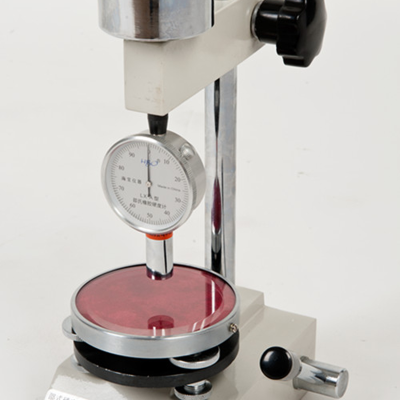


Textile Testing Instruments Manufacturers Low Temperature Flexing Tester
$100.00 - $2000.00
MOQ: 1 Sets

Comprehensive Sourcing Guide
Strategic Sourcing Guide for Cyclic Flex Durability Testers
Understanding the Technical Landscape of Flex Testing Equipment
When sourcing a Cyclic Flex Durability Tester, buyers must first distinguish between the various operational principles and mechanical configurations available in the current market. The core function of these devices is to evaluate the resistance of materials, particularly adhesives and structural components, to repeated bending or flexing forces. Based on observed product attributes, the market offers distinct working principles that dictate the testing methodology. Some units operate on a "Lever Ratio Pressure" mechanism, which relies on mechanical leverage to apply consistent stress to the specimen. In contrast, other models utilize a "Press and Stick" principle, which is particularly relevant for testing the adhesive strength of carbon-based materials or similar composites.
The power source is a critical differentiator that influences where and how the equipment can be deployed. While some high-capacity systems require a stable "AC220V 50Hz" or "AC380V" power supply, ensuring compatibility with industrial facility infrastructure, portable or semi-portable units may feature a "High Capacity Rechargeable Li Battery." This distinction is vital for buyers who need to conduct field tests or operate in environments with unstable grid power. Furthermore, the loading method varies significantly; advanced systems employ "Electronic Load" or "Computer Control" to manage "Dynamic Load" scenarios with high precision, whereas simpler models may rely on manual operation. The "Working Principle" directly impacts the "Result" output, with some systems providing a "Direct Reading" for immediate assessment, while others integrate with "PC Software" to generate detailed digital reports and data logging capabilities.
Compliance Standards and Certification Verification
In the realm of industrial testing equipment, adherence to international and national standards is non-negotiable for ensuring data reliability and regulatory compliance. Buyers must verify that the equipment meets specific structural and performance standards. Observed product data indicates that many manufacturers align their designs with "BS.ASTM" standards, which are widely recognized in the global market. However, it is crucial to note that while general standards like "ASTM F392," "ASTM D2670," "ISO 1419," and "ISO 2577" are often cited in the broader context of material testing, the specific application of these standards to a particular cyclic flex tester must be confirmed by the supplier.
Certification status serves as a primary indicator of a manufacturer's commitment to quality management. The presence of an "ISO9001: 2008" certificate is a significant positive signal, suggesting that the production process adheres to established quality management protocols. Buyers should request proof of this certification rather than relying on marketing claims. Additionally, the physical construction of the machine often reflects its compliance with safety and durability standards. For instance, the use of "Thick steel" or "Stainless Steel" (specifically "Thinck Stainless Steel" as noted in some listings) indicates a robust build designed to withstand the rigors of repeated testing cycles without deformation. The "Accuracy Grade" is another critical metric; while some high-end models claim an accuracy grade of "0," buyers must verify how this grade is defined and tested, as it directly correlates with the reliability of the "Counting" or "Direct Reading" results.
Cost Drivers and Pricing Structure Analysis
The pricing of cyclic flex durability testers is influenced by a complex matrix of factors, including material quality, automation level, and functional complexity. The observed price range in the market spans from $99 to $13,500, a disparity that reflects the vast difference between basic manual units and sophisticated computer-controlled systems. The lower end of the spectrum typically corresponds to manual devices with simple "Digital Display" or "LCD" counters, often featuring a "Lever Ratio Pressure" mechanism and basic "AC220V" power requirements. These units are suitable for low-volume testing or educational purposes where high precision is not the primary concern.
Conversely, the higher price points are associated with advanced systems that offer "Computer Control," "Dynamic Load" capabilities, and "Electronic Load" mechanisms. These machines often feature larger dimensions, such as the "2660mm×2140mm×1500mm" footprint observed in heavy-duty models, and are constructed from high-grade "Stainless Steel" to ensure longevity. The inclusion of "PC Software" integration and the ability to handle "2 Groups" of test specimens simultaneously also drives up the cost. Buyers should be aware that the "Weight" of the machine, ranging from "0-100Kg" for lighter units to "250 Kg" or even "100-500Kg" for industrial models, is a direct proxy for the structural integrity and power of the device. A heavier machine generally implies a more robust frame capable of handling higher loads, such as the ">1000KN" maximum capacity seen in top-tier equipment.
Operational Specifications and Performance Metrics
When evaluating the technical specifications of a cyclic flex tester, buyers must look beyond the headline numbers to understand the operational limits and capabilities. The "Bending Frequency" is a key performance indicator, with observed values of "16±1 Times/Second" indicating a high-speed testing capability suitable for rapid durability assessments. The physical range of motion is equally important; specifications such as a "Maximum Vertical Height of Bending" of "33mm" and a "Bending Distance" of "70mm" define the size of the specimens that can be tested. These dimensions must align with the physical requirements of the materials being evaluated.
The "Loading Method" and "Power Source" must be compatible with the intended application. For instance, a "Dynamic Load" system powered by "AC380V" is ideal for heavy industrial testing, while a "Manual" power source with a "Rechargeable Li Battery" offers flexibility for smaller workshops. The "Counter" mechanism, whether it is an "LCD0~999" display or a more advanced digital interface, determines how the test data is recorded. Some systems are designed for "Counting" specific cycles, while others provide "Direct Reading" of stress values. The "Applicable Shoe Size" range of "18 - 45 Yards" suggests that some models are specialized for testing footwear or flexible materials of specific dimensions, highlighting the need for buyers to match the machine's physical constraints to their specific product lines.
Supplier Evaluation and Origin Considerations
The geographic origin of the equipment plays a significant role in the procurement process, particularly regarding logistics, support, and manufacturing standards. The majority of the observed products originate from "China," with specific manufacturing hubs noted in "Hangzhou" and "Zhejiang." These regions are known for their concentration of industrial machinery manufacturers. Buyers should verify the "prod_origin" details to ensure they are dealing with established manufacturing centers rather than trading companies. The "Condition" of the equipment is consistently listed as "New," which is a standard expectation for direct procurement, but buyers should confirm the warranty terms. A "Warranty Period" of "12 Months" is a common baseline, but the scope of this warranty—covering parts, labor, or software—must be clearly defined in the contract.
Supplier evaluation should also focus on the "Customization" capabilities. The availability of "Customization" options allows buyers to tailor the machine to specific testing protocols, such as adjusting the "Bending Distance" or "Loading Method." The "Product Packing" is another critical factor; units are often shipped in "9mm and 15mm Plywood Packages" or "Sturdy Wooden Box" configurations to ensure safe transit. This packaging standard is essential for protecting the precision components of the tester during international shipping. Buyers should also consider the "Standard" of the product construction, such as "Thick steel" or "STAINLESS STEEL," as these materials affect the machine's lifespan and resistance to corrosion in various environments.
Quality Control and Long-Term Procurement Strategy
Implementing a robust quality control (QC) strategy is essential when integrating cyclic flex durability testers into a production or laboratory workflow. The "Testing Specimen" compatibility must be verified; for example, some machines are explicitly designed for "Automatic Cement Flexure Test Flexural Tester" applications, while others are optimized for "Multifunction Adhesive Strength Tester Adhesive" scenarios. This specificity ensures that the "Result" obtained is accurate and relevant to the material being tested. Buyers should request detailed test reports that demonstrate the machine's performance against the claimed "Accuracy Grade" and "Standard" specifications.
Long-term procurement considerations extend beyond the initial purchase price to include maintenance, calibration, and software updates. The "Power Source" stability is a recurring concern; systems relying on "AC220V" or "AC380V" require consistent electrical infrastructure, while battery-operated units need regular charging cycles and eventual battery replacement. The "Feature" set, such as the ability to measure "Pressure and Pull off Adhesive Strength of Carbon," should be evaluated for future relevance as material science evolves. Finally, the "prod_model" designation, such as "FT-A5," "MAST-10," "HY-313," "HY-963H," or "HY-747," serves as a unique identifier for the specific configuration. Buyers should maintain a clear record of these models to ensure that spare parts and technical support are available for years to come, securing the longevity of their investment in testing infrastructure.
Comparative Analysis of Key Product Attributes
To facilitate a clearer decision-making process, the following table summarizes the distinct attributes observed across the various Cyclic Flex Durability Tester models. This comparison highlights the trade-offs between manual and automated systems, power requirements, and structural specifications.
| Attribute Category | Manual/Low-Cost Models | Advanced/High-Capacity Models |
|---|---|---|
| Working Principle | Lever Ratio Pressure, Press and Stick | Electronic Load, Computer Control |
| Power Source | AC220V 50Hz, High Capacity Rechargeable Li Battery | AC380V, AC220V 50Hz |
| Display Type | Digital Display, LCD0~999 | PC Software, Digital |
| Material Construction | Thinck Stainless Steel, Thick steel | Stainless Steel, Thick steel |
| Loading Method | Manual, Dynamic Load | Electronic Load, Dynamic Load |
| Weight Range | 0-100Kg, 100-500Kg | 250 Kg, Heavy Duty |
| Max Capacity | Standard Load | >1000KN |
| Bending Frequency | Variable | 16±1 Times/Second |
| Certification | ISO9001: 2008 (Variable) | ISO9001: 2008 |
| Origin | China (Hangzhou, Zhejiang) | China |
This comparative overview underscores the importance of aligning the specific testing requirements with the machine's capabilities. While manual models offer cost-effectiveness and portability, advanced models provide the precision and automation necessary for rigorous industrial quality assurance. By carefully evaluating these attributes against the specific needs of the procurement project, buyers can select a Cyclic Flex Durability Tester that delivers optimal performance and value.
FAQs
What power sources are available for cyclic flex durability testers?
These testers typically use AC220V 50Hz or AC380V power supplies for industrial stability. Some portable models feature a high capacity rechargeable Li battery for field use without grid access.
Which standards do these machines comply with for testing accuracy?
Many units are designed to meet BS.ASTM standards for reliable performance. Buyers should verify specific compliance as some models also reference ISO9001:2008 for quality management systems.
Can buyers request customization for specific testing protocols?
Yes, customization is available to tailor machines to unique testing requirements. This allows adjustments to bending distances or loading methods to match specific material evaluation needs.
How does the working principle affect the test result output?
Working principles like lever ratio pressure or press and stick determine the output method. Results may appear as direct readings on a digital display or be processed via PC software for detailed analysis.
What is the typical weight range for these testing machines?
Weights vary significantly from 0-100Kg for lighter units to 250Kg or 100-500Kg for heavy industrial models. Heavier machines generally offer higher maximum capacities and structural rigidity.
What materials are used to construct the machine frame?
Frames are commonly built from thick steel or stainless steel for durability. Some listings specify thinck stainless steel to ensure resistance against corrosion and repeated stress cycles.
Where are these cyclic flex durability testers primarily manufactured?
The majority of these products originate from China, specifically hubs in Hangzhou and Zhejiang. Buyers should confirm the exact origin to ensure they are dealing with established manufacturing centers.