Source DC24V Automatic Swimming Pool Cover for Garden Gym Playground
Find 22 listings for the DC24V Automatic Swimming Pool Cover with customization options and delivery times ranging from 15 to 25 days. Buyers can compare models like SGPVC and GX828, noting variations in voltage, material, and warranty periods across suppliers from China.
Key considerations
Products List

Swimming Pool Cover Electric Motored 24V DC Slated Safety Automatic Pool Cover
$54.00 - $120.00
MOQ: 10 Square Meters

Water Crown Hot Selling Electric Motor DC24V Safety Automatic Pool Cover
$78.00 - $115.00
MOQ: 20 Square Meters

Water Crown Custom Swimming Pool Safety Cover Automatic Pool Cover
$85.00 - $115.00
MOQ: 20 Square Meters

Retractable Swimming Pool Cover Safety Electric Automatic Pool Cover
$65.00 - $120.00
MOQ: 20 Square Meters


Outdoor Safety Automatic PVC Pool Cover Electric Swimming Pools Covers
$54.00 - $85.00
MOQ: 10 Square Meters

Water Crown Custom Automatic Above Ground Safety Cover Swimming Pool Cover
$88.00 - $120.00
MOQ: 20 Square Meters

Water Crown Customize Automatic Pool Shutter Swimming Pool Cover
$98.00 - $118.00
MOQ: 10 Square Meters

Water Crown Customize Automatic Folding Deck Cover Swimming Pool Cover
$580.00 - $635.00
MOQ: 15 Square Meters

Water Crown Customize Automatic Swimming Pool Sliding Cover Pool Enclosure
$550.00 - $615.00
MOQ: 10 Square Meters

Water Crown Hot Selling Customize Heavy Duty PC Automatic Swimming Pool Cover
$96.00 - $126.00
MOQ: 10 Square Meters


Automatic Swimming Pool Cover Installed on Water Swimming Pool PC Cover Anti-Falling Pool Cover
$89.00 - $204.00
MOQ: 10 Square Meters

Ecopool Factory Price Electric Automatic Pool Cover DC24V Safety Pool Cover
$115.00 - $140.00
MOQ: 20 Square Meters
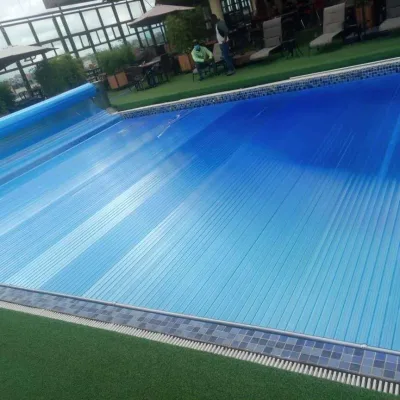
Comprehensive Sourcing Guide
Sourcing Guide for DC24V Automatic Swimming Pool Covers
Understanding the Core Product Architecture and Technical Specifications
When sourcing a DC24V Automatic Swimming Pool Cover, buyers must first distinguish between the mechanical drive system and the cover material itself. The "DC24V" designation specifically refers to the voltage of the motorized drive unit, a critical safety and efficiency feature for residential and commercial installations. This low-voltage direct current system is generally preferred over high-voltage AC systems for poolside equipment due to enhanced safety profiles and compatibility with solar power integration. Based on observed market data, the voltage specifications for these units typically range from 24VDC to 110V-220V, indicating that buyers must explicitly verify the power requirement to ensure compatibility with existing electrical infrastructure.
The mechanical performance of these units is often defined by torque and power ratings. In the current supply landscape, specific models have been observed with a power consumption of 150W and a torque output of 150n.M. These figures suggest a robust drive mechanism capable of handling covers of varying weights and sizes. The control mechanisms for these automated systems are diverse, with options including simple switches or remote controls, offering flexibility for different user preferences. The physical dimensions of the cover mechanisms vary significantly, with observed models ranging from 1.7 meters to 2.15 meters in width, while others are customized to specific pool dimensions. Buyers should note that while some models are designated by specific codes like SGP01 or SGPVC, the "All type" designation is also common, implying a broad compatibility with various pool shapes and sizes.
The material composition of the cover itself is a primary differentiator. While the motor is often constructed from stainless steel to resist corrosion in humid pool environments, the cover fabric varies. Observed materials include plastic-based composites and specialized woven polymers. The thickness of the cover material is a critical specification for durability and insulation; a standard thickness of 0.4mm has been noted in the market, which serves as a baseline for evaluating product longevity. The color options are equally varied, with common offerings including blue, green, grey, black, white, brown, and transparent blue. These color choices are not merely aesthetic but can impact the thermal properties of the pool, with darker colors absorbing more heat and lighter colors reflecting sunlight.
Compliance, Certification, and Safety Standards
Navigating the regulatory landscape for pool automation equipment requires a rigorous approach to certification and standard compliance. The primary safety concern for DC24V systems is electrical safety, particularly in wet environments. Buyers should verify that the motor and control units carry recognized safety certifications. In the observed market data, the CE mark is a frequently cited certification, indicating conformity with health, safety, and environmental protection standards for products sold within the European Economic Area. However, the presence of a CE mark on a listing does not automatically guarantee compliance with all local regulations in other regions, such as North America or Asia.
Beyond the CE mark, buyers should investigate compliance with international electromagnetic compatibility (EMC) standards. Standards such as IEC 61000-6-1 and IEC 61000-6-3 are relevant background benchmarks for electrical equipment, ensuring that the device does not emit excessive electromagnetic interference and can withstand external interference. While these specific standard numbers may appear in background documentation, buyers must confirm that the specific unit they are purchasing has been tested and certified against the applicable versions of these standards for their target market. The "Accept customized" standard noted in product listings suggests that manufacturers are willing to tailor compliance documentation to meet specific regional requirements, but this must be explicitly requested and verified before order placement.
Warranty periods serve as an indirect indicator of a manufacturer's confidence in their product's compliance and durability. Observed warranty terms for these systems range from 1 year to 2 years. A 1-year warranty is common for standard models, while a 2-year warranty may indicate a higher-tier product or a specific manufacturer policy. Buyers should scrutinize the warranty terms to understand what is covered, specifically regarding the motor, the remote control, and the cover fabric. The warranty period is a crucial factor in long-term procurement planning, as it defines the manufacturer's liability for defects in materials and workmanship.
Cost Drivers and Pricing Dynamics
The pricing of DC24V automatic swimming pool covers is influenced by a complex interplay of factors, including material quality, motor specifications, customization levels, and packaging requirements. The observed price range in the market spans from $52 to $635 USD. This wide variance reflects the difference between basic, off-the-shelf units and highly customized, heavy-duty systems. The lower end of the price spectrum likely corresponds to standard models with basic plastic components and minimal customization, while the higher end represents systems with stainless steel construction, advanced remote controls, and custom-sized covers.
Material costs are a significant driver of the final price. Units featuring stainless steel motors and high-grade plastic covers command a premium over those with standard materials. The thickness of the cover, such as the observed 0.4mm specification, also impacts cost, as thicker materials require more raw material and more complex manufacturing processes. Customization is another major cost factor. While the "Customized" standard is available, bespoke orders for specific dimensions, colors, or control interfaces will invariably increase the unit price and may affect the lead time.
Packaging requirements also play a role in the overall cost structure. Products are observed to be shipped in various packaging types, including cartons, wooden packages, and plywood boxes. Wooden and plywood packaging is typically more expensive than standard cartons but offers superior protection for heavy or delicate components during international shipping. Buyers should consider the total landed cost, which includes the unit price, packaging fees, and shipping logistics, rather than focusing solely on the base product price.
Typical Applications and Usage Scenarios
DC24V automatic swimming pool covers are designed for a wide range of applications, from private residential pools to public recreational facilities. The versatility of these systems allows them to be deployed in various settings, including playgrounds, gardens, and gyms. The specific application dictates the required specifications; for instance, a pool in a public gym may require a higher torque motor and a more durable cover material compared to a small backyard pool.
The color and material of the cover are often selected based on the intended environment. Blue and transparent blue covers are popular for residential pools as they mimic the look of water and allow for some light penetration, which can be beneficial for algae control. Grey, black, and green covers are often chosen for commercial applications where durability and heat retention are priorities. The "WPC" (Wood Plastic Composite) color option suggests a design aesthetic that blends with wooden decking or garden furniture, catering to high-end residential markets.
The control method is another application-specific consideration. Remote-controlled systems are ideal for large pools where manual operation is impractical, while switch-controlled systems may be sufficient for smaller, enclosed pools. The ability to customize the system to fit specific pool dimensions ensures that the cover can be used in irregularly shaped pools, expanding the potential market for these products.
Supplier Evaluation and Production Capabilities
Evaluating suppliers for DC24V automatic swimming pool covers requires a focus on production capabilities, location, and flexibility. The majority of observed suppliers are located in China, with specific manufacturing hubs identified in Guangdong. This region is known for its robust manufacturing infrastructure and supply chain for pool equipment. Buyers should verify the supplier's production capacity to ensure they can meet order volumes, especially when dealing with customized orders.
Lead times are a critical factor in supplier evaluation. Observed delivery times range from 15 to 25 days, with some listings specifying a production time of 20 to 25 days. These timelines can vary based on the level of customization and the current order backlog. Buyers should clarify whether the quoted lead time includes packaging and shipping or if it refers only to the production phase. The Minimum Order Quantity (MOQ) is another important consideration; observed MOQs range from 1 piece to 20 pieces, offering flexibility for both small-scale buyers and larger distributors.
Customization capabilities are a key differentiator among suppliers. Many suppliers offer "Accept customized" or "Customized" standards, allowing buyers to specify dimensions, colors, and control mechanisms. However, buyers must ensure that the supplier has the technical expertise to execute these customizations without compromising the product's integrity. The ability to provide a "prod_model" that matches the specific pool requirements is essential for a successful procurement.
Quality Control and Long-Term Procurement Considerations
Quality control is paramount when sourcing automated pool covers, as the equipment is exposed to harsh environmental conditions. Buyers should implement a rigorous inspection process that includes verifying the material thickness, motor torque, and electrical safety. The observed 0.4mm thickness and 150n.M torque should be confirmed through third-party testing or on-site inspection to ensure they meet the specified standards. The use of stainless steel for motor components is a positive indicator of corrosion resistance, but buyers should verify the grade of the steel used.
Long-term procurement considerations involve planning for maintenance and replacement. The warranty period, typically 1 to 2 years, provides a safety net for early failures, but buyers should also consider the availability of spare parts. The "All type" and "SGPVC" model designations suggest a modular approach to manufacturing, which may facilitate the sourcing of replacement parts. Additionally, the control system's compatibility with future upgrades should be evaluated to ensure the system remains relevant as technology evolves.
The packaging method also impacts long-term product integrity. Wooden and plywood boxes offer better protection against moisture and physical damage during transit, reducing the risk of damage before installation. Buyers should specify the appropriate packaging based on the shipping distance and the fragility of the components. Finally, buyers should maintain open communication with suppliers regarding any changes in standards or certifications to ensure continued compliance and product safety.
Strategic Sourcing and Risk Mitigation
To mitigate risks in the sourcing of DC24V automatic swimming pool covers, buyers should adopt a strategic approach that balances cost, quality, and reliability. The wide price range observed in the market ($52-$635) necessitates a clear definition of requirements before engaging with suppliers. Buyers should prioritize suppliers who offer transparent communication regarding lead times, customization options, and certification status.
The following table summarizes key comparison points for evaluating potential suppliers based on the observed data:
| Feature | Standard Model | Customized Model |
|---|---|---|
| Voltage | 24VDC | 24VDC or 110V-220V |
| Material | Plastic / Stainless Steel | Custom Material Options |
| Thickness | 0.4mm | Variable / Custom |
| Lead Time | 15-20 Days | 20-25 Days |
| MOQ | 1 Piece | 1-20 Pieces |
| Packaging | Carton | Wooden / Plywood Box |
| Warranty | 1 Year | 1-2 Years |
| Color | Blue/Grey/Black | Custom Color Options |
By carefully analyzing these factors and verifying all claims against the supplied facts, buyers can make informed decisions that align with their specific project needs. The key to successful procurement lies in thorough due diligence, clear communication, and a commitment to quality assurance throughout the sourcing process.
FAQs
What voltage options are available for automatic pool covers?
DC24V is a common voltage option, though some units support 110V-220V. Buyers must verify the specific power requirement to ensure compatibility with their existing electrical infrastructure before ordering.
How long is the typical delivery time for these covers?
Delivery times typically range from 15 to 25 days depending on the model. Some listings specify a production time of 20 to 25 days, so confirm the exact timeline with the supplier.
Can I customize the size and color of the pool cover?
Yes, customization is available for dimensions, colors, and control mechanisms. Common color options include blue, grey, black, and transparent blue, with specific models accepting custom standard requests.
What is the minimum order quantity for these products?
The minimum order quantity can be as low as 1 piece for many models. Some suppliers may require up to 20 pieces, so check the specific MOQ policy for your chosen vendor.
Which certifications are commonly found on these pool cover systems?
The CE mark is a frequently cited certification for these products. While background standards like IEC 61000-6-1 exist, buyers should explicitly verify that the unit meets applicable regional safety requirements.
What materials are used for the motor and cover fabric?
Motors are often constructed from stainless steel to resist corrosion. The cover fabric is typically made of plastic or composite materials with a standard thickness of 0.4mm for durability.
How much warranty coverage is typically provided for these units?
Warranty periods generally range from 1 year to 2 years. A 1-year warranty is common for standard models, while a 2-year term may indicate a higher-tier product or specific manufacturer policy.