Source DDR5 Industrial Embedded Motherboard for POS, Server, IoT
Find 30 DDR5 Industrial Embedded Motherboard options for POS terminals, servers, and IoT gateways. Compare Intel chipset specs, memory capacities up to 64GB, and Mini-ITX designs from verified manufacturers; compare the available evidence and request quotations based on your requirements.
Key considerations
Products List

Intel I3-1215u Industrial Motherboard - 12th Gen 6-Core/Pcie4.0 Nvme/9*USB+Lvds
$155.00 - $185.00
MOQ: 1 Pieces


Original Factory X86 Embedded Industrial Motherboard with 6*COM 10*USB 2*LAN
$139.90 - $179.90
MOQ: 2 Pieces

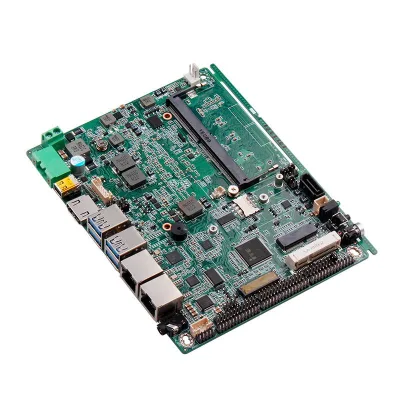
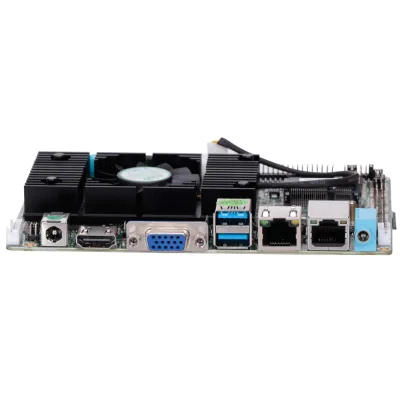
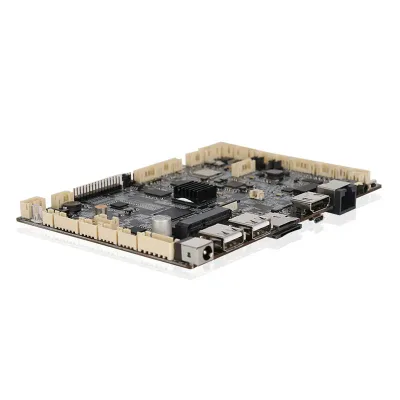
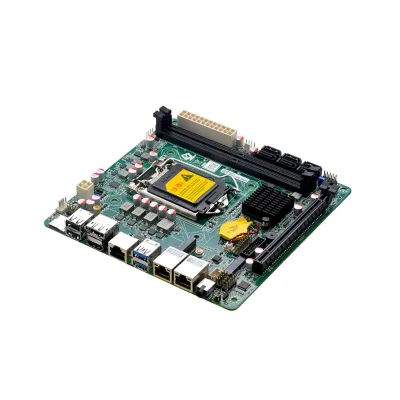

Motherboard with Processor Intel COM LAN Mini Itx Industrial Motherboard
$100.00 - $199.00
MOQ: 1 Pieces


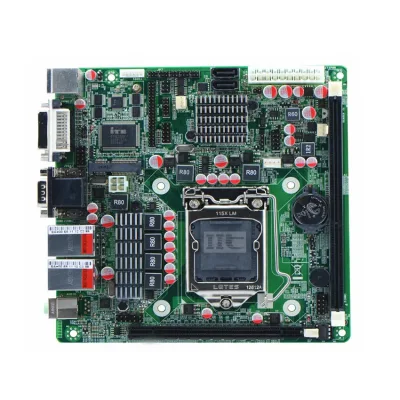


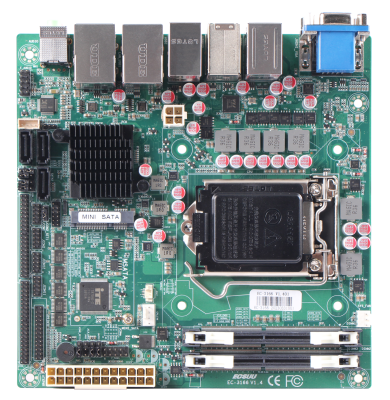

OEM/ODM Core B75 Embedded Industrial ATX Motherboard with 5*SATA+1*Msata 11*USB
$113.00 - $126.00
MOQ: 1 pieces

Comprehensive Sourcing Guide
DDR5 Industrial Embedded Motherboard Sourcing Guide
Procuring DDR5 industrial embedded motherboards requires distinguishing between general consumer-grade components and ruggedized systems designed for harsh environments. The observed market data indicates a diverse range of configurations, including models supporting Intel Core 12th and 13th generation processors alongside legacy 6th and 8th generation architectures. Buyers must carefully verify that the specific DDR5 memory support aligns with the intended application, as many listed units currently feature DDR4 or lower capacity limits, such as 8GB or 32GB maximums, rather than the high-density requirements of modern DDR5 systems.
When evaluating listings, it is critical to cross-reference the physical form factor and interface availability against your system integration needs. The available data highlights Mini-ITX structures with specific SATA and COM port configurations, yet the memory technology varies significantly across different model numbers like the POS-120L or GT-Med series. Sourcing teams should prioritize suppliers who explicitly confirm DDR5 compatibility in their technical datasheets, as the presence of a specific chipset does not automatically guarantee support for the latest memory standards or the required bandwidth for high-performance embedded tasks.
Product Scope and Observed Listing Signals
The current market landscape for industrial motherboards presents a wide spectrum of specifications, ranging from basic integrated graphics solutions to complex systems with extensive I/O capabilities. Listings frequently mention support for multiple display outputs including HDMI, VGA, and LVDS/EDP, which are essential for digital signage and control panel applications. However, the memory capacity observed in these listings varies from 8GB to 64GB, suggesting that buyers must explicitly confirm whether a specific unit supports the high-speed data throughput required for DDR5 operations rather than assuming uniform performance across the product range.
Buyers should also scrutinize the physical construction and packaging details to ensure suitability for industrial deployment. Many suppliers offer moisture-proof bags and antistatic bubble packaging, indicating a focus on component protection during transit, which is vital for sensitive electronics. The presence of specific model identifiers like UEC3-SKYUT or USKYUT-6CD8 suggests a modular approach to manufacturing, allowing for customization. Procurement teams must verify that the observed "Customized" attributes align with their specific mechanical and electrical requirements before committing to a purchase order.
Technical Specifications to Verify
Technical verification must begin with the central processing unit and its socket compatibility, as the observed data points to Intel Core processors in Fcbga 1744 packages. It is essential to confirm that the motherboard's BIOS and chipset support the specific DDR5 memory modules intended for use, as legacy models may only support older DDR standards despite having modern-looking chassis designs. Buyers should request detailed pinout diagrams and memory slot configurations to ensure that the physical layout matches the system's cooling and expansion needs, particularly for applications requiring high memory density.
Interface availability and expansion capabilities are equally critical for system integration success. The observed listings detail specific configurations such as nine USB ports, one COM port with optional expansion to two, and SATA interfaces ranging from SATA2 to SATA3. Procurement specialists must validate that these interface counts and types are sufficient for the target application, whether it involves server-grade data processing or industrial control. Additionally, verifying the maximum memory capacity against the specific model number is necessary, as some units are capped at 8GB while others support up to 64GB, directly impacting system scalability.
Compliance and Safety Documentation
Regulatory compliance is a non-negotiable aspect of industrial procurement, and the observed data confirms that many suppliers provide certifications such as CE, FCC, and RoHS. These certifications indicate adherence to electromagnetic compatibility and hazardous substance restrictions, which are mandatory for deploying equipment in European and North American markets. Buyers should request valid, up-to-date certification documents for each specific model, as the presence of a general certification claim does not guarantee that every configuration or revision of the motherboard meets current safety standards.
Beyond basic regulatory marks, industrial applications often require specific material and fire safety certifications to ensure operational reliability in demanding environments. The available information references UL94V-0 ratings for base materials and ISO9000 quality management systems, which are crucial for risk mitigation. Procurement teams must verify that the FR-4 silicon components and copper metal coatings used in the PCB construction meet the required fire resistance and thermal stability standards. Ensuring that the supplier can provide traceable test reports for these materials is essential for maintaining compliance with industry-specific safety regulations.
Cost Drivers and Commercial Terms
Pricing for industrial embedded motherboards is influenced by a complex mix of factors, including the specific chipset generation, memory capacity, and the level of customization required. The observed price range spans from $0.11 to $528, reflecting the vast difference between basic PCB assemblies and fully integrated systems with advanced features. Buyers should understand that lower prices often correspond to standard configurations with limited memory or older processor generations, while higher costs are associated with custom engineering, high-density memory support, and specialized industrial-grade components.
Commercial terms such as Minimum Order Quantity (MOQ) and lead times vary significantly based on the supplier's production capacity and the complexity of the order. The data indicates an MOQ range of 1 to 100 units, suggesting flexibility for prototyping but potentially higher per-unit costs for small batches. Procurement managers must negotiate clear terms regarding production modes, such as SMT and DIP assembly, and confirm whether the supplier offers OEM or ODM services. Understanding these cost drivers helps in budgeting accurately and avoiding unexpected expenses related to expedited shipping or custom tooling fees.
Supplier Qualification and Quality Control
Supplier qualification should focus on their manufacturing history and the robustness of their quality control processes. The observed listings highlight manufacturers with over a decade of experience, offering services like SMT, BGA, and DIP assembly, which are critical for producing reliable industrial-grade boards. Buyers must verify that the supplier has a proven track record in producing motherboards for industrial applications, as general consumer electronics experience may not translate to the rigorous demands of embedded systems operating in extreme conditions.
Quality assurance protocols are equally important to ensure long-term reliability and minimize field failures. The data mentions comprehensive inspection processes including 100% IQC, IPQC, FQC, and ICT testing, which are standard for high-quality manufacturing. Procurement teams should request detailed quality control reports and audit the supplier's facilities to confirm the implementation of Automatic Optical Inspection (AOI) and Conformal Coating processes. These steps are vital for detecting defects early and ensuring that the final product meets the stringent performance and durability standards required for industrial deployment.
Long-Term Procurement Checks
Sustaining a successful supply chain for industrial motherboards requires establishing long-term checks for component availability and lifecycle management. Buyers must verify that the supplier can guarantee the availability of key components, such as specific Intel chipsets and DDR5 memory modules, for the expected lifespan of the product. The rapid evolution of technology means that obsolescence is a significant risk, so procurement strategies should include plans for component substitution or design updates to maintain production continuity without disrupting the supply chain.
Regular performance audits and feedback loops are essential for maintaining high standards over time. Procurement teams should schedule periodic reviews of the supplier's quality metrics, including defect rates and response times to technical issues. It is also advisable to maintain a relationship with the supplier to ensure access to firmware updates and technical support as the product evolves. By proactively managing these long-term relationships, organizations can mitigate risks associated with supply disruptions and ensure that their industrial systems remain reliable and up-to-date throughout their operational life.
FAQs
What is the maximum memory capacity for these industrial motherboards?
The maximum memory capacity varies by model, with observed limits of 8G, 32G, and 64G. These specifications support DDR memory configurations suitable for embedded applications. Buyers should verify the specific model requirements to ensure compatibility with their system's data processing needs and operational constraints.
Which certifications are available for these industrial mainboards?
Available certifications include CE, FCC, RoHS, ISO13485, ISO9000, and UL94V-0. These standards ensure compliance with international safety and environmental regulations. The base material also meets RoHS and CCC requirements, providing assurance for industrial deployments requiring strict regulatory adherence and quality management systems.
Can these motherboards be customized for specific industrial applications?
Yes, customization is available for these industrial motherboards. The manufacturer offers OEM and ODM services, allowing for tailored specifications. Options include extending COM ports, selecting display interfaces like HDMI or VGA, and adjusting memory configurations. This flexibility supports diverse embedded system requirements and unique operational environments.
What is the standard structure size for these mini-ITX boards?
The standard structure size is 170mm by 170mm, adhering to the Mini-ITX form factor. This compact design facilitates integration into space-constrained industrial equipment. The integrated main board structure ensures efficient component placement, supporting reliable performance in embedded systems while maintaining compatibility with standard mounting solutions.
How are these products packed for safe shipping?
Products are packed using moisture-proof bags and cartons for general shipments. Specific models may utilize UPS or FedEx standard antistatic bubble packaging to prevent electrostatic discharge damage. Export carton boxes are also employed for international deliveries. These methods ensure the integrity of the sensitive electronic components during transit.
What production processes ensure quality for these motherboards?
Quality is ensured through SMT, BGA, and DIP processes, followed by assembling and testing. Inspection includes 100% IQC, IPQC, FQC, QA, ICT, and FCT. Automatic Optic Inspection (AOI) is also utilized. These rigorous steps verify circuit integrity and functional performance before the products leave the manufacturing facility.