Source Sustainable Modern Wine Glass for bars, hotels, and restaurants
Explore 30 listings of Sustainable Modern Wine Glass options tailored for commercial and hospitality use. Buyers can compare certifications like LFGB and FDA, material types, and customization features to find the right fit for their needs.
Key considerations
Products List


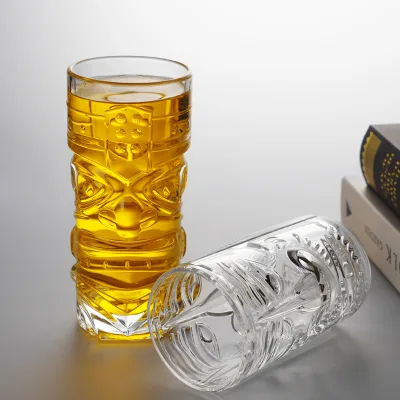


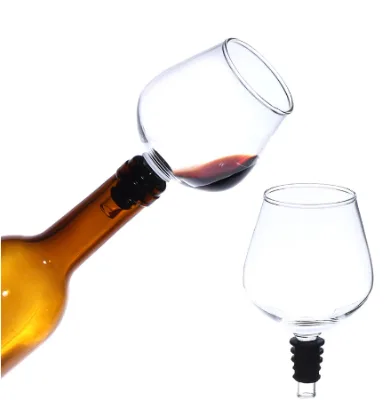
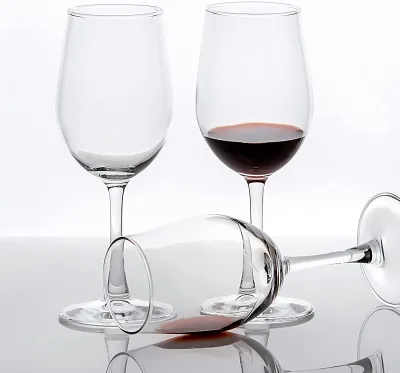
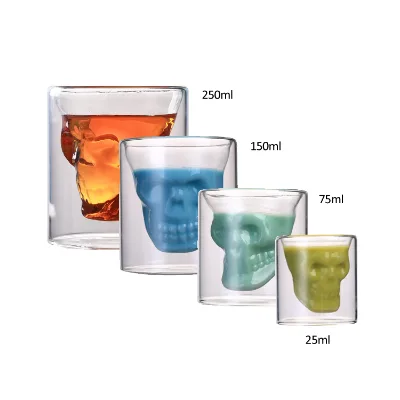


Elegant Wine Glass Modern Design Wholesale for Wedding and Restaurant Use
$1.49 - $1.96
MOQ: 500 Pieces

Comprehensive Sourcing Guide
Strategic Sourcing Guide for Sustainable Modern Wine Glass
Understanding the Product Category and Material Composition
Sourcing sustainable modern wine glasses requires a precise understanding of the material science and design attributes that define this category. The primary material observed in the current market for these products is glass, specifically categorized under high-clarity variants such as crystal glass. The structural integrity of these items is often defined by their shape, which ranges from cylindrical forms to more complex tapering designs. For buyers seeking a modern aesthetic, the "tapering glass" and "cylindrical shape" attributes are particularly relevant, as they offer a contemporary silhouette that differs from traditional, heavy-cut crystal.
The capacity of these vessels is a critical specification for modern wine service. Market data indicates that many sustainable options in this segment are designed with capacities under 10 ounces. This smaller footprint aligns with current trends toward portion control and sustainable consumption, reducing the overall volume of material required per unit while maintaining functionality for tasting or casual service. The product models identified in the supply chain, such as WG-013, 5209, and WSJ273, represent specific iterations of these designs. When evaluating a supplier, it is essential to verify that the glass composition meets the "crystal glass" usage standard, which implies a higher refractive index and clarity compared to standard soda-lime glass, though the specific lead content or chemical composition must be verified against safety standards.
Compliance and Certification Verification
In the realm of sustainable food and beverage ware, certification is not merely a marketing claim but a fundamental requirement for market access and consumer trust. The supply chain for modern wine glasses frequently lists specific regulatory approvals that must be validated. Key certifications observed in this sector include LFGB (German Food and Feed Code), FDA (U.S. Food and Drug Administration), and ROHS (Restriction of Hazardous Substances). These certifications are critical because they verify that the glass does not leach harmful substances like lead or cadmium into the beverage, a primary concern for modern, health-conscious buyers.
Furthermore, the presence of REACH (Registration, Evaluation, Authorization and Restriction of Chemicals) certification is a strong indicator of compliance with European Union chemical safety standards. For buyers targeting the North American or European markets, the absence of FDA or LFGB certification is a significant red flag. The CIQ (China Inspection and Quarantine) certification is also frequently cited, serving as an export quality control measure. When evaluating potential suppliers, procurement teams must request current, valid certificates for these specific standards. It is important to note that while a supplier may list "LFGB, FDA, ROHS" as general attributes, the specific product model being purchased must be covered under these certifications. Buyers should not assume that a supplier's general compliance extends to every SKU in their catalog without explicit verification.
Technical Specifications and Customization Capabilities
The technical specifications of sustainable modern wine glasses extend beyond simple dimensions to include customization options and packaging standards. A defining feature of the modern sourcing landscape is the availability of customization. Suppliers often offer "Customized" services, allowing buyers to alter the shape, logo, or surface finish. The observed customization methods include laser engraving, spray painting, decals, and direct painting. These techniques allow for brand integration without compromising the structural integrity of the glass. For instance, the "Custom Shape" attribute indicates that manufacturers can produce non-standard geometries, which is a significant advantage for brands seeking unique product differentiation.
Packaging is another critical technical specification. Sustainable sourcing often demands eco-friendly packaging solutions. The market offers options ranging from carton boxes to wooden boxes, with specific dimensions noted for certain models, such as 383214cm. The weight of the product is also a key specification; observed weights for similar glassware range from 315g to 385g. This variance impacts shipping costs and the perceived value of the product. A heavier glass may be perceived as higher quality, but it also increases the carbon footprint of transportation. Buyers must balance the desire for a premium feel with the logistics of shipping. Additionally, the reusability of the product is a core attribute, with most modern wine glasses designed for repeated use rather than single-use disposal. However, care instructions are vital; many of these items require "Hand Wash Only" to maintain their clarity and prevent thermal shock, which is a crucial operational detail for end-users in restaurants and hotels.
Cost Drivers and Minimum Order Quantities
The cost structure of sourcing modern wine glasses is influenced by several variables, including material quality, customization complexity, and order volume. The observed price range in the market spans from $0.04 to $12 per unit, a wide variance that reflects differences in glass thickness, design complexity, and branding requirements. The lower end of this spectrum typically corresponds to standard, unbranded tumblers with minimal customization, while the higher end reflects premium crystal glass with intricate laser engraving or custom shapes.
Minimum Order Quantities (MOQ) are a significant factor in the procurement strategy. The market data shows a broad MOQ range, from 20 sets to 10,000 pieces. Some suppliers offer low MOQs of 100 sets or even 20 pieces, which is advantageous for startups or small businesses testing the market. Conversely, larger manufacturers may require orders of 3,000 pieces or more to achieve economies of scale. Buyers must align their order volume with their cash flow and storage capabilities. It is also important to consider the sample process. Many suppliers provide free samples with a lead time of 3-7 days, allowing buyers to physically inspect the product quality before committing to a large order. This sample phase is a critical cost-saving measure, as it prevents the purchase of non-compliant or substandard inventory.
Typical Applications and Market Segmentation
The application of sustainable modern wine glasses is diverse, extending beyond the home to professional hospitality environments. The primary use cases identified include restaurants, bars, and hotels. In these settings, the durability and aesthetic appeal of the glass are paramount. The "Eco-Friendly" feature is particularly relevant for establishments aiming to reduce their environmental impact, as reusable glassware significantly lowers waste compared to single-use alternatives. The "Multi-Purpose" designation suggests that these glasses can be used for various beverages, not just wine, increasing their utility for venues with diverse drink menus.
The target audience for these products includes both B2B buyers and end-consumers. For B2B buyers, the ability to customize the logo via laser or spray methods allows for corporate gifting or branded merchandise. The "Sports" style mentioned in some product attributes indicates a niche market for event-specific glassware, such as those used in marathons or outdoor festivals. The "Sets" attribute suggests that these products are often sold in bundles, which is common for retail packaging or hotel room amenities. Understanding the specific application is essential for selecting the right product model; a high-end restaurant may require a heavier, crystal-like glass with a specific capacity, while a casual bar might prioritize a durable, cylindrical tumbler that is less prone to breakage.
Supplier Evaluation and Quality Control Protocols
Evaluating suppliers for sustainable modern wine glasses requires a rigorous approach to quality control and logistical reliability. The origin of the products is predominantly China, with specific manufacturing hubs noted in locations such as Liling, Hunan, and Fujian. Buyers should verify the supplier's ability to meet the specific production standards of these regions. Quality control should begin with the verification of certifications, ensuring that the LFGB, FDA, and ROHS marks are current and applicable to the specific product model.
Logistics and packaging are also critical components of supplier evaluation. The shipping methods observed include sea, air, and train transport, each with different cost and time implications. For large orders, sea freight is typically the most cost-effective, while air freight may be necessary for urgent, smaller orders. The packaging must be robust enough to prevent breakage during transit, with carton or wooden boxes being the standard. Buyers should request photos of the packaging process and test the durability of the packaging materials. Additionally, the "Service" attribute often includes ODM (Original Design Manufacturer) and OEM (Original Equipment Manufacturer) capabilities. Buyers should assess the supplier's flexibility in adapting designs to meet specific requirements, such as custom shapes or unique logo placements. A reliable supplier will provide clear communication regarding lead times, sample availability, and after-sales support.
Long-Term Procurement Considerations and Sustainability
Long-term procurement of sustainable modern wine glasses involves more than just finding a low-cost supplier; it requires a strategic approach to supply chain resilience and environmental responsibility. The "Eco-Friendly" attribute of the product itself is a starting point, but the sustainability of the supply chain must also be considered. Buyers should inquire about the energy efficiency of the manufacturing process and the recyclability of the packaging materials. The use of wooden boxes, while protective, may have different sustainability implications compared to cardboard cartons, depending on the source of the wood.
Furthermore, the lifecycle of the product is a key consideration. Since these glasses are designed to be reusable, the durability of the glass is a long-term cost factor. High-quality glass that resists chipping and scratching will have a longer lifespan, reducing the frequency of replacement and the overall environmental impact. Buyers should also consider the potential for future customization needs. As market trends shift, the ability to adapt the product design, such as changing the shape or logo application method, will be valuable. Establishing a long-term relationship with a supplier who offers flexible ODM/OEM services can provide a competitive advantage. Finally, buyers should monitor regulatory changes in their target markets, as standards for glassware safety and labeling are subject to evolution. Maintaining up-to-date compliance ensures that the supply chain remains uninterrupted and the products remain marketable.
FAQs
What certifications are required for Sustainable Modern Wine Glass?
Products must hold FDA, LFGB, and ROHS certifications to ensure safety. Some listings also include CIQ and REACH marks for European compliance. Buyers should verify that these specific certifications apply to the exact model being purchased rather than assuming general supplier compliance covers all SKUs.
Can I customize the shape and logo on these glasses?
Yes, customization is available for both shape and logo application. Suppliers offer laser engraving, spray painting, decals, and direct painting methods. Buyers can request custom shapes and specific logo placements to meet unique branding needs without compromising the glass structure.
What is the typical MOQ for ordering Sustainable Modern Wine Glass?
Minimum order quantities vary significantly between 20 sets and 10,000 pieces depending on the supplier. Some vendors accept low MOQs of 100 sets for testing, while others require 3,000 pieces for economies of scale. Buyers must align their order volume with cash flow and storage capabilities.
How long does it take to receive samples of these glasses?
Sample lead times typically range from 3 to 7 days for production. Many suppliers provide free samples to allow physical inspection before large orders. This phase helps prevent purchasing non-compliant inventory and ensures the product meets quality standards for restaurants or hotels.
Which packaging options are available for shipping these glass products?
Standard packaging includes carton boxes or wooden boxes to prevent breakage during transit. Specific dimensions like 38 by 32 by 14 cm are noted for certain models. Buyers should request photos of the packaging process to verify durability for sea, air, or train transport.
What is the capacity range for Sustainable Modern Wine Glass sets?
Observed capacities are generally under 10 ounces to align with portion control trends. The product models listed include specific volume standards ranging from 100 to 200 milliliters. This smaller footprint reduces material usage while maintaining functionality for tasting or casual service in bars.
Where are these sustainable modern wine glasses manufactured?
Products originate primarily from China, with hubs in Liling, Hunan, and Fujian. Buyers should verify the supplier's ability to meet production standards specific to these regions. The origin location impacts logistics and may influence the specific certifications or quality control protocols applied during manufacturing.