Source Decorative Outdoor String Lights for Festival, Home, Landscaping
Find 30 options for Decorative Outdoor String Lights suitable for festivals, home decor, and landscaping. Compare models like Hby-A02 and SNY-100 with varying voltages, lengths, and certifications to find the right fit for your project needs; compare the available evidence and request quotations based on your requirements.
Updated
Key considerations
Products List


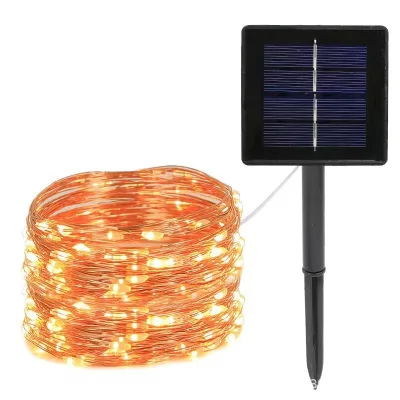


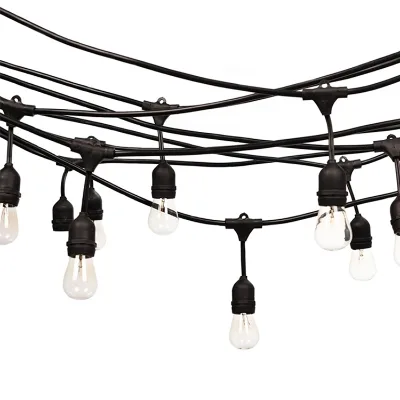
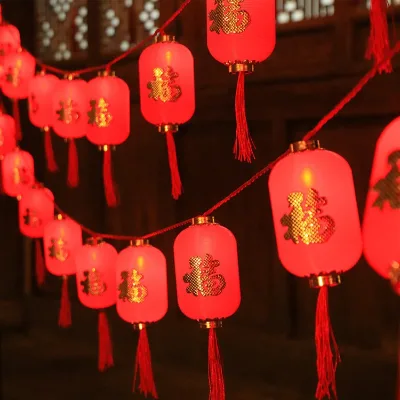
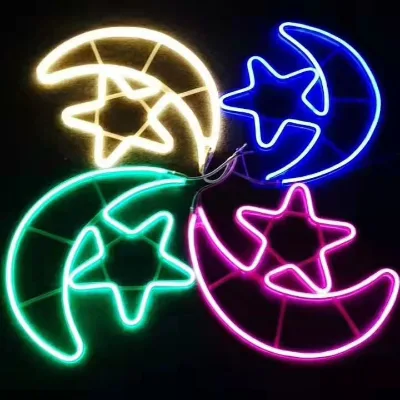


Comprehensive Sourcing Guide
Decorative Outdoor String Lights Sourcing Guide
Sourcing Decorative Outdoor String Lights requires a careful balance between aesthetic appeal and technical durability, particularly when the intended environment involves exposure to weather elements or high-traffic commercial areas. Buyers must first define the specific use case, whether it is for festive celebrations, permanent landscaping installations, or commercial street lighting, as these applications dictate the necessary IP ratings and power specifications. The observed market data indicates a wide range of product configurations, from simple 10-bulb sets to complex 100-LED strings, each serving distinct visual and functional needs.
Procurement teams should prioritize suppliers who provide transparent technical documentation, including exact voltage tolerances, operating temperature ranges, and material certifications. The presence of certifications such as CE, RoHS, and CCC suggests a baseline of regulatory compliance, but buyers must verify that these certifications apply to the specific model being ordered. Understanding the distinction between indoor-rated and outdoor-rated products is critical, as misapplication can lead to premature failure and safety hazards, making detailed specification review an essential first step in the sourcing process.
Product Scope and Observed Listing Signals
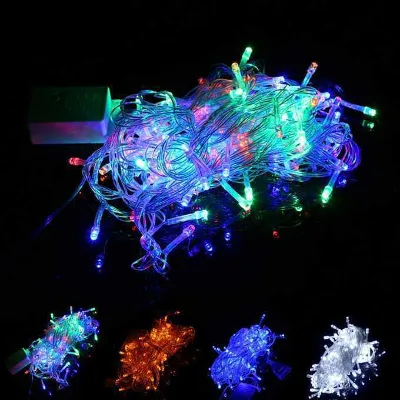
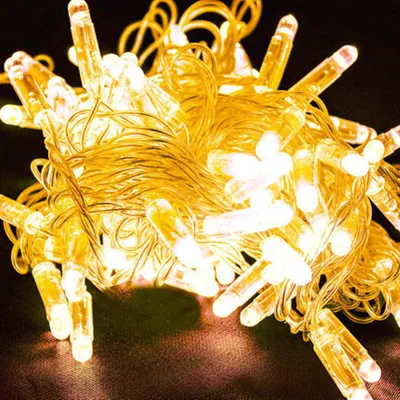
The current market landscape for Decorative Outdoor String Lights reveals a diverse array of product models, including identifiers such as Hby-A02, Hby-B43-1, and SNY-100, each catering to different aesthetic and functional requirements. Listings indicate that customization is available, allowing buyers to tailor aspects like emitting color, which ranges from changeable options to specific hues like red, yellow, orange, pink, blue, green, and warm white. This variability enables procurement specialists to match lighting solutions precisely with brand identities or event themes, ensuring that the visual impact aligns with the intended atmosphere of the installation site.
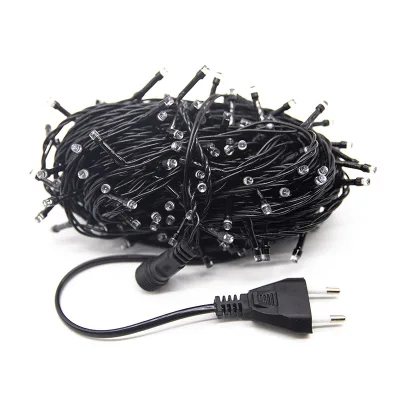
Observed listing signals also highlight significant variations in physical dimensions and bulb configurations, with total lengths ranging from 5 meters to 10 meters and bulb counts varying from 10 to 100 units. The distance between bulbs is specified at intervals such as 0.45 meters or 0.5 meters, which directly influences the density and continuity of the light display. Additionally, the inclusion of extension cables with defined male and female end lengths, such as 0.7 meters and 0.25 meters respectively, facilitates modular setups. Buyers should carefully review these physical attributes to ensure compatibility with existing infrastructure and desired coverage areas.
Technical Specifications to Verify
Voltage compatibility is a critical technical parameter that must be verified before placing any order, as observed listings show inputs ranging from 110V to 220V, with some models specifying AC 220V with a ±10% tolerance. Mismatched voltage can lead to immediate product failure or safety risks, so buyers must ensure that the selected string lights match the local electrical standards of the deployment location. Furthermore, the power consumption is generally low, with many models rated at ≤5W or <6W, which makes them energy-efficient options for large-scale installations where cumulative power draw could otherwise become a concern.
Operating temperature ranges and IP ratings are equally vital for ensuring longevity in outdoor environments. Products are observed to function within temperature spans of -10°C to 45°C or -25°C to 55°C, indicating varying levels of cold and heat resistance. While some listings mention IP ratings for illumination time or specific usage contexts, others specify waterproof grades like IP44, which offers protection against splashing water. Buyers should confirm the exact IP rating for the specific model to determine its suitability for rain, snow, or humid conditions, and verify the LED lifespan, which is cited as 8000 hours in some contexts, to estimate maintenance intervals.
Compliance and Safety Documentation
Certification documentation serves as the primary evidence of a product's adherence to safety and environmental standards, with observed listings frequently citing CE, RoHS, and CCC marks. These certifications indicate that the products meet European and Chinese regulatory requirements for electromagnetic compatibility, low voltage directives, and hazardous substance restrictions. However, buyers must request valid certificates for the specific model number being purchased, as certifications are often model-specific and may not cover all variations within a supplier's catalog. Verifying the authenticity of these documents through recognized testing bodies is a crucial step in mitigating legal and liability risks.
In addition to standard certifications, buyers should inquire about additional safety standards such as UL 588, UL 2388, or UL 1310, which are relevant for the North American market. Although these standards are mentioned in background contexts, their applicability depends on the supplier's manufacturing capabilities and target export regions. For products intended for commercial or public use, compliance with local electrical codes is mandatory, and suppliers should be able to provide test reports demonstrating compliance with these specific standards. Ensuring that the product packaging and labeling include all necessary regulatory information is also part of the documentation verification process.
Cost Drivers and Commercial Terms
The cost of Decorative Outdoor String Lights is influenced by several factors, including the number of LEDs, the length of the string, and the complexity of the control functions, such as steady versus flashing modes or the inclusion of controllers. Observed price ranges vary significantly, reflecting differences in material quality, LED type, and additional features like waterproofing or dimmability. Buyers should analyze the unit price in conjunction with the minimum order quantity (MOQ), which ranges from 1 to 500 units, to determine the most cost-effective purchasing strategy for their volume requirements.
Commercial terms also include packaging specifications and warranty provisions, which impact the total cost of ownership. Products are typically packed in cartons or boxes, and the efficiency of this packaging can affect shipping costs and product protection during transit. A quality warranty of 1 year is observed in some listings, which provides a baseline level of protection against manufacturing defects. Buyers should negotiate clear terms regarding warranty claims, return policies, and after-sales support to ensure that any potential issues are resolved efficiently without incurring additional unexpected costs.
Supplier Qualification and Quality Control
Supplier qualification begins with verifying the origin and manufacturing capabilities of the provider, with many observed products originating from Zhejiang, China, a hub for lighting manufacturing. Buyers should assess the supplier's production capacity, quality management systems, and ability to handle customization requests, as these factors directly impact the reliability of the supply chain. Requesting samples before placing bulk orders is essential to evaluate the build quality, light output, and durability of the products in real-world conditions. This hands-on verification helps identify any discrepancies between the listed specifications and the actual product performance.
Quality control processes should be clearly defined and agreed upon before production begins, including inspection points for materials, assembly, and final testing. Buyers should inquire about the supplier's internal quality assurance protocols, such as random sampling rates and failure rate thresholds. Additionally, understanding the supplier's lead times and production schedules is crucial for planning inventory levels and meeting project deadlines. Establishing a strong communication channel with the supplier ensures that any issues during production or shipping can be addressed promptly, maintaining the integrity of the procurement process.
Long-Term Procurement Checks
Long-term procurement success depends on establishing a robust framework for ongoing supplier performance evaluation and product lifecycle management. Buyers should regularly review supplier performance metrics, including on-time delivery rates, product defect rates, and responsiveness to issues. This continuous monitoring helps identify potential risks early and allows for proactive measures to mitigate supply chain disruptions. Additionally, staying informed about changes in regulatory standards and market trends ensures that the sourced products remain compliant and competitive over time.
Maintenance and replacement strategies should also be considered, as outdoor lighting is subject to wear and environmental degradation. Buyers should verify the availability of spare parts, such as replacement bulbs or controllers, and assess the ease of maintenance for the installed systems. Understanding the expected lifespan of components, such as the 8000-hour LED lifespan observed in some listings, helps in planning for periodic replacements and budgeting for long-term operational costs. By integrating these long-term checks into the procurement strategy, buyers can ensure sustained value and reliability from their decorative outdoor string light investments.
FAQs
What certifications do these Decorative Outdoor String Lights have?
These Decorative Outdoor String Lights typically hold CE, RoHS, and CCC certifications. Some models also include EMC, LVD, and VDE approvals. These certifications ensure compliance with international safety and environmental standards for electrical products used in various settings.
Can I customize the voltage for these string lights?
Yes, customization is available for these Decorative Outdoor String Lights. Standard options include 220V and 110V inputs. Some models support AC 220V with a ±10% tolerance. Buyers can request specific voltage configurations to match their local power infrastructure requirements.
What is the typical IP rating for outdoor use?
The IP rating varies by model, with some rated for Festival, Home, and Landscaping use. Specific waterproof grades like IP44 are available for certain designs. These ratings indicate protection against solid objects and water splashes, suitable for general outdoor decorative applications.
How many light bulbs are included in the string?
The number of light bulbs depends on the specific model. Options include strings with 10 bulbs or 100 LEDs. For instance, a 10-meter string may contain 100 LEDs. Buyers should check the specific model number to confirm the exact bulb count.
What is the operating temperature range for these lights?
Most models operate within a temperature range of -10°C to 45°C. Some robust variants support a wider range from -25°C to 55°C. This ensures reliable performance in various climates, making them suitable for both indoor and outdoor decorative lighting needs.
What is the warranty period for these decorative lights?
The quality warranty is typically 1 Year for these Decorative Outdoor String Lights. This covers manufacturing defects and ensures product reliability. Buyers should verify the specific warranty terms with the supplier, as conditions may vary based on the model and purchase volume.