LED Christmas Light Suppliers and Manufacturers in China
Compare 25 verified LED Christmas Light suppliers by location, response time, lead time, and certifications. Review product specs like IP ratings and voltage. Contact suppliers directly to request quotes and verify customization options; review the available evidence before requesting comparable quotations from suitable candidates.
Updated
Suppliers List

Hangzhou Yaoyang Technology Co., Ltd.
- Trading Company,Manufacturer/Factory
- China Zhejiang
- Lead time15 days
- Avg. response≤ 25h
Main productsPolyester Fiber, Plush Toys, Fabric, Air Cepration Plant, Paper
Main marketsSouth America,Eastern Europe,Mid East,North America,Southeast Asia,Eastern Asia,Oceania,Western Europe,Africa
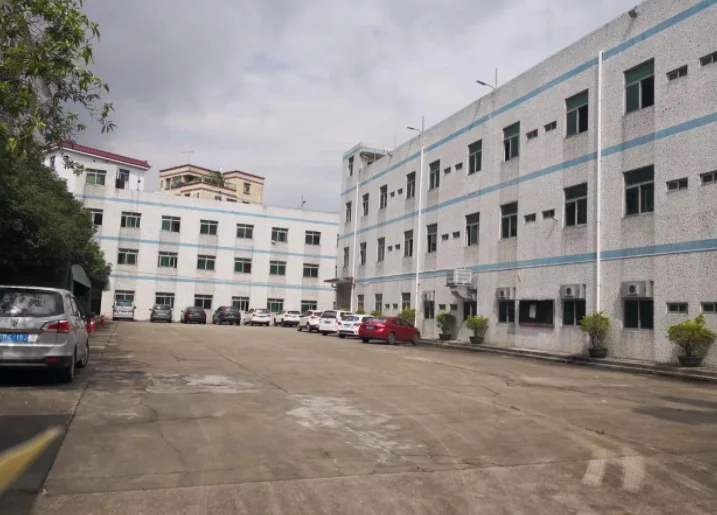
Shenzhen Gensheng Technology Co., Ltd.
- Manufacturer, Trading Company, Distributor/Wholesaler
- Guangdong, China
- Lead time20 days
- Avg. response≤ 8h
Main productsCommercial and Industrial Lighting,Indoor lighting,outdoor lighting,Smart strip light,holiday lighting
Main marketsNorth America(17.00%), South Asia(15.00%), Eastern Europe(10.00%), Oceania(9.00%), Southeast Asia(9.00%), Northern Europe(8.00%), Mid East(6.00%), Central America(5.00%), South America(5.00%), Domestic Market(5.00%), Western Europe(3.00%), Eastern Asia(3.00%), Africa(3.00%), Southern Europe(2.00%)
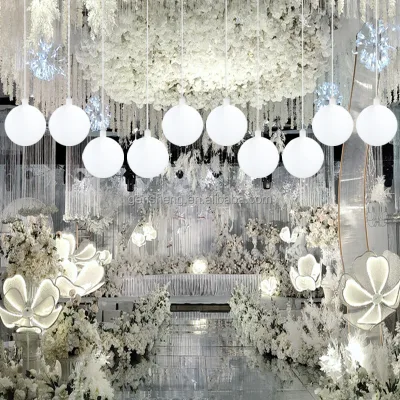
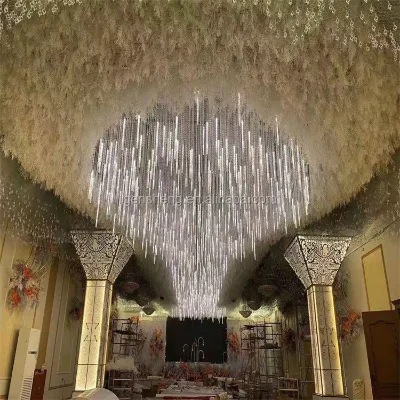
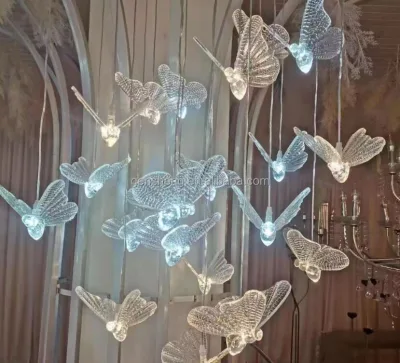
Christmas Santa Claus decorations rope led motif lights
$10.38 - $13.36

- Verified by BV
- Trading Company
- China Zhejiang
- Lead time45 days
- Avg. response≤ 23h
Main productsChristmas Light, Decoration Light, LED Lighting, Home Light, LED Lamp, Festival Light
Main marketsSouth America,Southeast Asia/ Mideast,Europe,North America
Shaanxi Jiayang Lighting Technology Co., Ltd.
- Manufacturer, Trading Company
- Lead time旺季: "1 - 50":15,"> 50":"To be negotiated", 淡季: "1 - 50":15,"> 50":"To be negotiated"
- Avg. response≤ 2h
Main productsChandeliers, Ceiling Lights, Floor Lamps, Wall Lamps, Customize Lights

- Combined
- China Guangdong
- Lead time45 days
- Avg. response≤ 1h
Main productsResin Craft, Baby Doll, Christmas Tree, Christmas Wreath, Christmas Garland, Christmas Decoration, Artificial Flower, Artificial Plant, Artificial Tree, Christmas Ornaments
Main marketsSouth America,Europe,North America

LED Christmas Lights LED Christmas Lights Christmas Decoration String Lights Christmas Tree Lights
$0.10 - $1.00
MOQ: 1 Pieces


Wuxi Shinuoyi Electronic Electrical Co., Ltd.
- Verified by TUVRHEINLAND
- Trading Company
- China Jiangsu
- Lead time15 days
- Avg. response≤ 9h
Main productsChristmas Light, E27 Festoon Light, Christmas Motif Light, LED String Light, LED Rope Light, LED Strip Light, Solar Light, Christmas Tree, LED Net Light, Christmas Ball
Main marketsEast Asia(Japan/ South Korea),Europe,Australia,North America

Ningbo Weixin Houseware Co., Ltd.
- Trading Company
- China Zhejiang
- Lead time30 days
- Avg. response≤ 5h
Main productsLED Garlands, LED Flood Lights, LED Decoration Lights, LED Night Lights
Main marketsSouth America,Africa,Southeast Asia/ Mideast,Europe,North America

Longshine Electrical Science & Technology Co., Ltd.
- Combined
- China Guangdong
- Lead time23 days
- Avg. response≤ 13h
Main productsChristmas Light, LED String Light, LED2d 3D Motif Light, LED Rope Light, LED Neon Flex, LED FRP Sculpture Light, LED Icicle Curtain Light, LED SMD Strip Light, LED Decoration Light, LED Fairy Light
Main marketsSouth America,Southeast Asia/ Mideast,Europe,Australia,North America


LED Decoration Light/Christmas Light /LED Motif Light /Father Christmas Light
Negotiable
MOQ: 10 Pieces

- Combined
- China Guangdong
- Lead time23 days
- Avg. response≤ 3h
Main productsPromotion Gift, Toy, Flashing Item, Free Gift, Business Gift, Novelty
Main marketsAfrica,Europe,North America


LED Christmas Lights String Battery Box LED Color String Christmas Tree Lamp
$0.89 - $0.98
MOQ: 1000 Pieces

Lankao Rayer Lighting Product Co., Ltd.
- Verified by TUVRHEINLAND
- Combined
- China Henan
- Lead time30 days
- Avg. response≤ 6h
Main productsLED Christmas Light, LED String Light, LED Motif Light, LED Icicle Light, LED Waterfall Light, Holiday Light, Solar Garden Light, LED Decorative Light
Main marketsEast Asia(Japan/ South Korea),Europe

Christmas Light Holiday Decoration Christmas LED Motif Light Ball Light
$50.00 - $1000.00
MOQ: 10 Sets


Outdoor Decoration Holiday Light LED Christmas Decoration Light LED Curtain Light
$15.00 - $200.00
MOQ: 100 Sets

Holiday Christmas Customized Color LED String Lights Decoration Lights
$15.00 - $300.00
MOQ: 50 Pieces
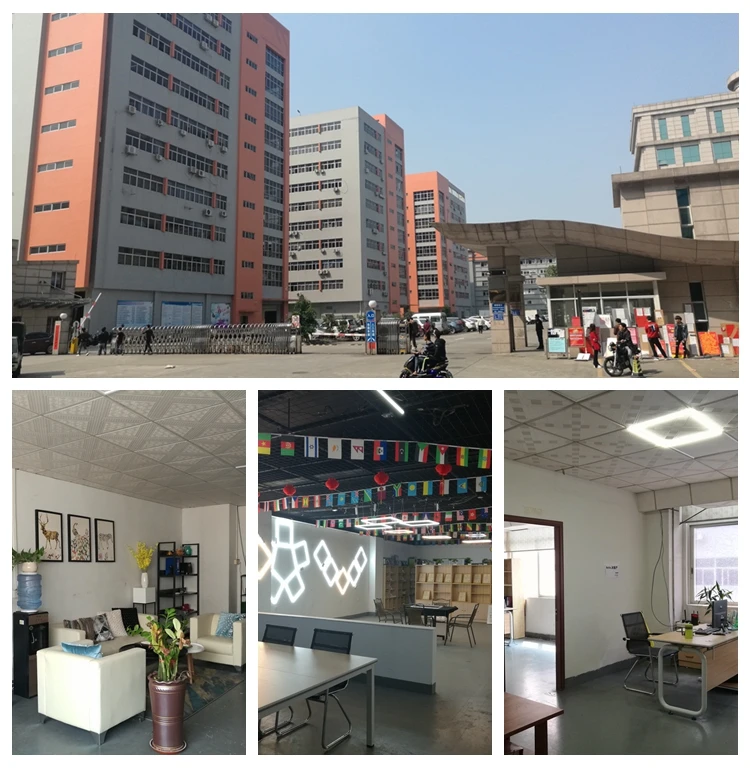
Meizhou Juncheng Technology Co., Ltd.
- Trading Company
- Guangdong, China
- Lead time7 days
- Avg. response≤ 4h
Main productsled strip light,led flex neon light,led solar light,led street light,led wall light
Main marketsEastern Europe(20.00%), South America(20.00%), North America(20.00%), Eastern Asia(5.00%), Mid East(5.00%), Central America(5.00%), Africa(5.00%), Southeast Asia(5.00%), Northern Europe(3.00%), Oceania(3.00%), Domestic Market(3.00%), Western Europe(2.00%), South Asia(2.00%), Southern Europe(2.00%)

Yiwu Shuangyuan Christmas Artware Co., Ltd.
- Verified by TUVRHEINLAND
- Combined
- China Zhejiang
- Lead time30 days
- Avg. response≤ 6h
Main productsChristmas Decoration, Christmas Tree, Christmas Ball, Christmas Santa, Christmas Ornament, Christmas Gift, Christmas Wreath
Main marketsOthers(foreignTradeCapacity.exportBusinessCapacityMarketOther)

Zhongshan Grandview Lighting Co., Ltd.
- Combined
- China Guangdong
- Lead time23 days
- Avg. response≤ 13h
Main productsChristmas Lights, Insect Lights, Strip and Rope Lights, Landscape Lights, Artificail Tree Lights, Firework Lights, Wedding Lights, Garden Decoration Lights
Main marketsSouth America,Africa,Southeast Asia/ Mideast,East Asia(Japan/ South Korea),Domestic,Europe,Australia,North America


Christmas LED String Light (CE, IP44, IP66 Approved) for Christmas Decoration
$1.00 - $9.90
MOQ: 1000 Meters

Ningbo Anpu Lighting Co., Ltd.
- Verified by SGS Group
- Manufacturer, Trading Company
- Lead time7 days
- Avg. response≤ 7h
Main productsGiant Christmas Tree, Motif Light, Pixel RGB LED Light, Christmas Decorative Light, Walk Through Arch & Tunnel Light
Main marketsNorth America(30%), Domestic Market(18%), Mid East(15%)
Taizhou Kingkey Technology Co., Ltd.
- Verified by TüVRheinland
- Manufacturer, Trading Company
- Lead time60 days
- Avg. response≤ 2h
Main productsRGB Smart Lights, Solar Lights, Holiday Lights, Decorative Lights, Christmas Lights
Main marketsNorth America(30%), South America(30%), Domestic Market(10%)
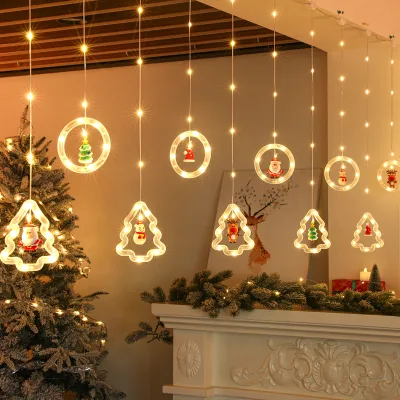
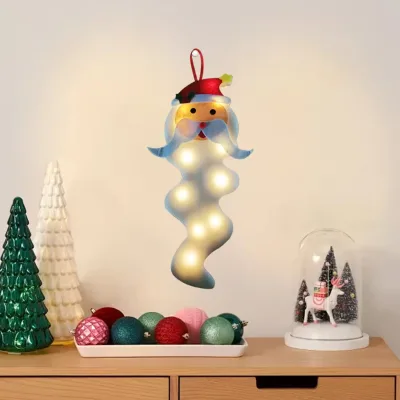
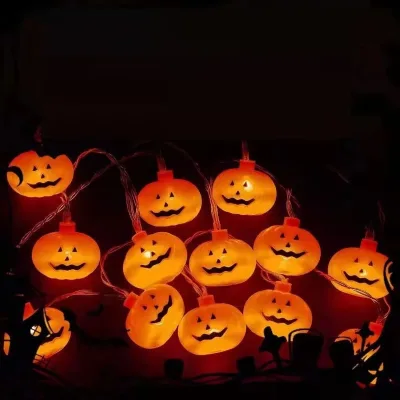
$0.5804 - $7.103
MOQ: 10 Minimum
Linhai Noshado Industrial And Trading Co., Ltd.
- Verified by Intertek
- Manufacturer, Trading Company
- Lead time60 days
- Avg. response≤ 3h
Main productsFestive Light, Garden Light, Decorative Light
Main marketsSouthern Europe(55%), Western Europe(30%), South America(15%)
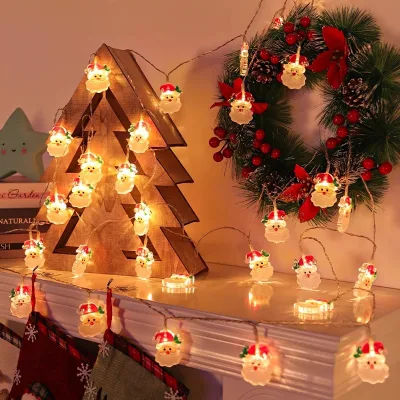
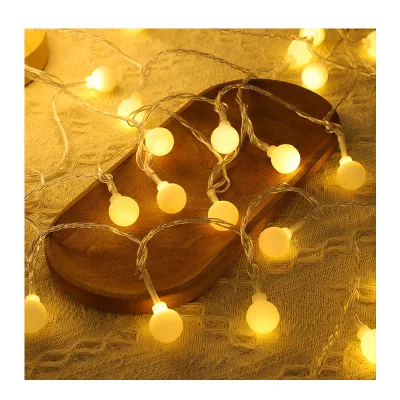
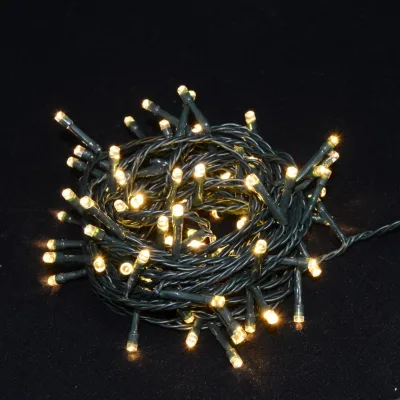
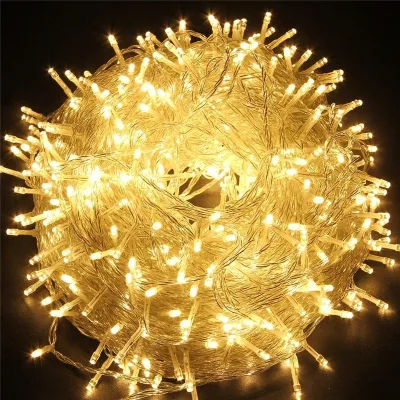
Assessed Manufacturer Best Cheap Christmas Lights
$8.80 - $9.00
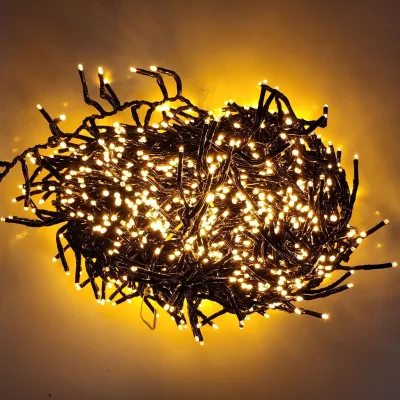
Deyang Simple Trading Co., Ltd.
- Trading Company
- Sichuan, China
- Lead time0 days
- Avg. response≤ 1h
Main productsArtificial Rose,Artificial Hydrangea,Artificial Lily,Artificial Carnation,Artificial Bouquets
Main marketsAfrica(20.00%), Southeast Asia(20.00%), Eastern Europe(20.00%), South America(20.00%), North America(20.00%)

Wuxi Lejin Electronic & Electrical Co., Ltd.
- Verified by SGS
- Manufacturer/Factory
- China Jiangsu
- Lead time45 days
- Avg. response≤ 3h
Main productsChristmas Light, Holiday Light, Decoration Light, LED String Light, 3D Motif Light, 2D Motif Light, Smart Light, Festival Light, Curtain Light, Icicle Light
Main marketsSouth America,Eastern Europe,North America,Western Europe
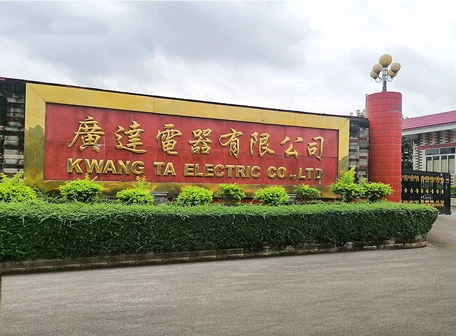
- Manufacturer, Trading Company
- Guangdong, China
- Lead time90 days
- Avg. response≤ 10h
Main productsChristmas Lights, Decorative Lighting, Halloween Lights
Main marketsNorth America(100.00%)
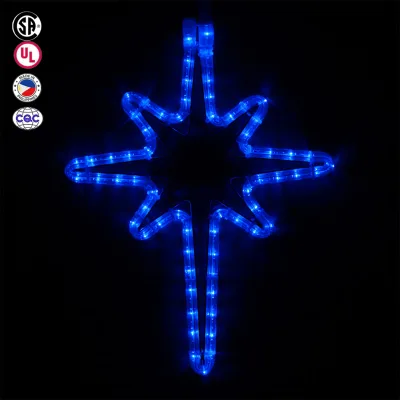
Christmas lights Waterproof LED Light Garland for Outdoor Wedding and Festivals
$5.50 - $7.00
MOQ: 1000
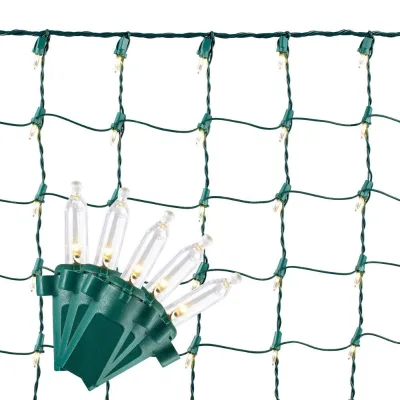
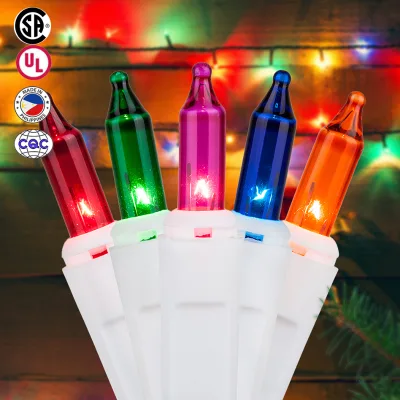
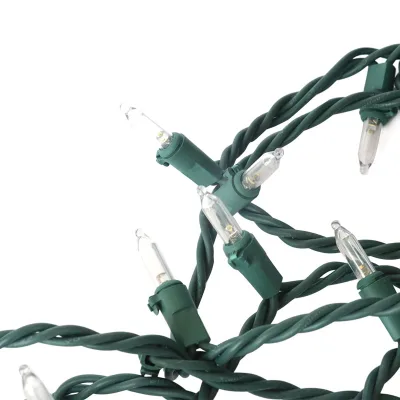
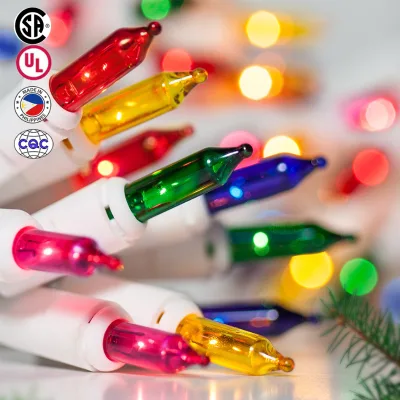
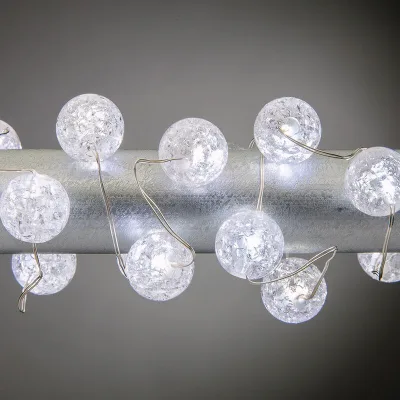
Christmas lights waterproof outdoor use 50LED string with remote control energy saving
$2.95 - $3.50
MOQ: 1000

Wenzhou Jssan Electric Co., Ltd.
- Verified by SGS
- Combined
- China Zhejiang
- Lead time23 days
- Avg. response≤ 7h
Main productsElectric Toothbrush, Oral Irrigator, UV Sterilizer, Ultrasonic Scaler, Electric Face Washer, Electric Nail Clipper, Hair Straightening Comb, Hair Straightener, Shaver, Hair Clipper
Main marketsSouth America,Southeast Asia/ Mideast,East Asia(Japan/ South Korea),Domestic,Europe,Australia,North America
Taizhou Wanli Lighting Manufacturing Co., Ltd.
- Manufacturer
- Zhejiang, China
- Lead time45 days
- Avg. response≤ 17h
Main productsLighting Chain, Decoration Lighting, Modeling Lighting
Main marketsWestern Europe(20.00%), Southern Europe(20.00%), Northern Europe(20.00%), Eastern Europe(20.00%), Oceania(10.00%), North America(8.00%), Southeast Asia(2.00%)

Dongguan Huayicai Landscape Technology Co., Ltd.
- Combined
- China Guangdong
- Lead time23 days
- Avg. response≤ 13h
Main productsChristmas Decoration, Christmas Tree, Christmas Light, Wedding Decoration, Artificial Tree, Christmas Ornaments, Party Decoration, Festival Lantern, Festival Lights, Party Lighting
Main marketsSouth America,Africa,Southeast Asia/ Mideast,East Asia(Japan/ South Korea),Domestic,Europe,Australia,North America

White Light Blue Light Outdoor Pattern Lights Christmas Decoration Lighting
$70.00 - $85.00
MOQ: 10 Pieces


Shenzhen Luk Technology Co., Ltd.
- Verified by SGS
- Manufacturer/Factory
- China Guangdong
- Lead time23 days
- Avg. response≤ 1h
Main productsLED Lighting, LED Strips, LED Modules, Neon Strip, Outdoor Lighting
Main marketsSouth America,Eastern Europe,Mid East,North America,Southeast Asia,Eastern Asia,Oceania,Western Europe,Africa

LED Neon Lights/LED Outdoor Lighting/LED Neon Sign/Christmas Lights for Decoration Light
$1.00 - $1.99
MOQ: 100 Pieces

LED-Light/Decoration Light LED Strip Light for Decoration-Light/Christmas Light
$1.00 - $1.99
MOQ: 100 Pieces

Strip Light/Rope Light/LED Strip Light/LED Light Fitting for Christmas Lights
$1.00 - $1.99
MOQ: 100 Pieces

Strip Light/String Light/LED Strip Light/LED Strip Fixture for Christmas Lights
$1.00 - $1.99
MOQ: 100 Pieces
Linhai Weiyi Lighting Co., Ltd.
- Manufacturer, Trading Company
- Zhejiang, China
- Lead time25 days
- Avg. response≤ 4h
Main productsColored lights and accessories,Electronic components,Electronic prots,Electric light source,Arts and crafts
Main marketsNorth America(40.00%), South Asia(30.00%), Mid East(20.00%), Western Europe(10.00%)

- Trading Company,Manufacturer/Factory
- China Guangdong
- Lead time0 days
- Avg. response≤ 12h
Main productsChristmas Ball, Christmas Decoration, Christmas Ornaments, Christmas Tree, Tinsel Garland, Mirror Ball, Disco Ball, Inside Painted Glass Ball










Comprehensive Sourcing Guide
LED Christmas Light Supplier Concentration and Factory Types
The current supplier landscape for LED Christmas Light products reveals a distinct geographic concentration within China, specifically highlighting manufacturing hubs in Zhejiang and Guangdong provinces. These regions serve as primary centers for production, offering buyers access to established industrial clusters that specialize in lighting and decorative goods. Factories located in these areas often benefit from mature supply chains for components such as LEDs, plastic molds, and wiring, which are critical for producing holiday lighting efficiently. When evaluating potential partners, it is essential to recognize that suppliers in these locations may vary significantly in their operational focus, ranging from pure manufacturing entities to trading companies that aggregate products from multiple factories. This distinction is crucial for understanding the directness of communication and the flexibility of production adjustments. Buyers should prioritize suppliers who explicitly identify as manufacturers or factories if they require deep customization or direct oversight of the production line, whereas trading companies might offer broader product assortments and streamlined logistics for smaller orders.
Company types listed in the search results include Trading Companies, Manufacturers/Factories, and Distributors/Wholesalers, indicating a diverse ecosystem of service providers. Manufacturers typically possess the capability for OEM and ODM services, allowing for significant customization of product designs, packaging, and technical specifications. Some suppliers also highlight their capacity for developing own brands, which suggests a higher level of investment in research and development and brand identity. In contrast, trading companies may focus on sourcing efficiency and quality control across multiple product lines, such as polyester fiber, plush toys, or general fabric, while also offering LED Christmas Light items. This diversification can be advantageous for buyers seeking a one-stop-shop for various holiday decorations. However, it is important to verify the actual manufacturing capabilities of trading companies to ensure they have direct access to reliable production facilities. The presence of both types in the results underscores the need for buyers to carefully assess the supplier’s primary business model to align with their specific sourcing strategy, whether it involves high-volume standard production or bespoke, low-volume customized designs.
How to Verify LED Christmas Light Suppliers
Verifying the legitimacy and capability of LED Christmas Light suppliers requires a multi-layered approach that goes beyond surface-level profile information. One critical step is to examine the system certifications displayed by the supplier, as these provide evidence of adherence to international quality and safety standards. The search results indicate that some suppliers hold certifications such as ISO 9001, ISO 14001, BSCI, and various electrical safety marks like CE, UL, and RoHS. These certifications are particularly important for LED Christmas Light products, which involve electrical components and must meet specific safety regulations for consumer use. Buyers should request copies of these certificates and verify their validity through the issuing bodies. Additionally, the presence of verification badges, such as BV (Bureau Veritas) verification, adds another layer of trust, indicating that a third-party agency has inspected the supplier’s business operations. However, not all suppliers display these credentials, so the absence of a visible certification should prompt further inquiry rather than immediate dismissal.
Beyond certifications, assessing the supplier’s response time and verification status provides insight into their operational efficiency and reliability. The data shows response times ranging from approximately 8 hours to over 24 hours, which can significantly impact the speed of negotiations and order processing. A faster response time often correlates with a more active and responsive sales team, which is beneficial for resolving issues quickly during the sourcing process. Buyers should also look for indicators of established business history, although specific establishment years are not always provided in the initial results. In such cases, requesting information about the company’s founding date and track record can help gauge their stability. Furthermore, checking for any negative feedback or disputes in the supplier’s history can reveal potential red flags. It is also advisable to ask for recent client references or case studies, particularly for large orders, to understand the supplier’s performance in real-world scenarios. This comprehensive verification process helps mitigate risks and ensures that the chosen partner is both credible and capable of meeting the buyer’s requirements.
What to Compare Across LED Christmas Light Suppliers
When comparing LED Christmas Light suppliers, several key dimensions must be evaluated to determine the best fit for specific business needs. One of the most critical factors is the lead time, which indicates how long it takes for the supplier to produce and deliver the goods. The observed lead times vary, with some suppliers offering a 15-day turnaround while others may require up to 45 days. This variation can be influenced by the complexity of the order, the current production load, and the supplier’s operational efficiency. Buyers should align their order planning with these lead times to avoid stockouts or delays in meeting market demand. Additionally, the minimum order quantity (MOQ) is a significant consideration, as it affects the initial investment and inventory risk. Some suppliers have an MOQ of just one unit, which is ideal for testing new products or small-scale projects, while others may require a minimum of 500 units or more. Understanding these thresholds helps buyers determine the feasibility of working with a particular supplier based on their order volume and budget constraints.
Another important aspect to compare is the customization capability and product specifications offered by each supplier. The search results show that many suppliers provide OEM and ODM services, allowing for tailored designs and branding. Buyers should inquire about the extent of customization available, including options for color, material, packaging, and technical features such as voltage and IP rating. For instance, some products are specified with an IP44 rating, making them suitable for outdoor use, while others may be designed for indoor applications only. Comparing these technical specifications ensures that the selected supplier can meet the specific requirements of the target market. Additionally, the price range for LED Christmas Light products varies, with some items priced as low as $0.28 per unit and others reaching up to $15.00. This price disparity reflects differences in material quality, design complexity, and production volume. Buyers should request detailed quotations that break down costs to understand the value proposition of each supplier. By systematically comparing lead times, MOQs, customization options, and pricing, buyers can make informed decisions that balance cost, quality, and delivery speed.
Common LED Christmas Light Sourcing Risks
Sourcing LED Christmas Light products involves several inherent risks that buyers must proactively manage to ensure a successful procurement process. One significant risk is the variability in product quality, which can arise from differences in manufacturing standards and material sourcing. Since LED Christmas Light products often involve electrical components, there is a risk of defects such as flickering, short circuits, or premature failure if quality control measures are not stringent. Buyers should be aware that not all suppliers may have robust quality assurance processes in place, even if they claim to hold certain certifications. To mitigate this risk, it is essential to request product samples before placing bulk orders and to conduct thorough inspections upon receipt. Additionally, verifying the authenticity of safety certifications, such as CE or UL, is crucial to ensure that the products meet the regulatory requirements of the destination market. Failure to do so can result in customs delays, product recalls, or legal liabilities.
Another common risk is the potential for communication breakdowns and delays in order fulfillment. The observed response times among suppliers vary significantly, with some taking over 24 hours to reply. Slow communication can lead to misunderstandings regarding product specifications, order details, and shipping arrangements, ultimately causing delays and dissatisfaction. Buyers should prioritize suppliers with faster response times and clear communication channels to minimize these risks. Furthermore, the reliance on third-party logistics and shipping methods introduces the risk of damage or loss during transit. The search results indicate that products are often packed for sea freight, which is cost-effective but slower and potentially more susceptible to handling issues. Buyers should ensure that adequate packaging standards are met and consider purchasing shipping insurance for high-value orders. Additionally, currency fluctuations and changes in raw material costs can impact pricing stability, so it is advisable to lock in prices through contracts when possible. By identifying and addressing these risks early in the sourcing process, buyers can enhance the reliability and predictability of their supply chain.
LED Christmas Light Regional Sourcing and Logistics
The geographic location of suppliers plays a pivotal role in determining logistics costs, lead times, and overall supply chain efficiency for LED Christmas Light products. The current results highlight a concentration of suppliers in China, specifically in the Zhejiang and Guangdong provinces. These regions are well-established manufacturing hubs with extensive infrastructure for exporting goods, including proximity to major ports like Ningbo and Shenzhen. Sourcing from these locations can offer advantages in terms of competitive pricing and access to a wide range of suppliers. However, buyers must also consider the logistical implications of shipping from these regions, including transit times and customs clearance procedures. Sea freight is a common method for shipping LED Christmas Light products due to their volume and weight, but it can result in longer lead times compared to air freight. Buyers should evaluate the trade-off between cost and speed when selecting a shipping method, especially for time-sensitive holiday orders.
In addition to domestic logistics, international shipping and compliance with destination market regulations are critical considerations. The search results indicate that products are often labeled with specific certifications and standards, such as CE, RoHS, and UL, which are required for entry into various markets. Buyers must ensure that the suppliers’ products meet the specific regulatory requirements of their target countries to avoid customs holds or penalties. Furthermore, the packaging specifications, such as white boxes with color labels, must be suitable for international transit to prevent damage. Buyers should also consider the environmental impact of their sourcing decisions, as many suppliers now emphasize sustainability through certifications like ISO 14001. Choosing suppliers with strong environmental practices can enhance brand reputation and align with growing consumer demand for eco-friendly products. By carefully evaluating the regional advantages and logistical challenges associated with sourcing from China, buyers can optimize their supply chain for efficiency, cost-effectiveness, and compliance.
LED Christmas Light Commercial Terms and Order Planning
Effective order planning for LED Christmas Light products requires a thorough understanding of commercial terms, including pricing structures, payment conditions, and after-sales support. The price ranges observed in the search results vary widely, from as low as $0.28 to over $15.00 per unit, reflecting differences in product complexity, material quality, and order volume. Buyers should request detailed quotations that include all costs, such as manufacturing, packaging, and shipping, to avoid hidden fees. Additionally, negotiating favorable payment terms, such as partial upfront payments and balance upon shipment, can help manage cash flow and reduce financial risk. It is also important to clarify the warranty policies offered by suppliers, as some products come with a one-year warranty, while others may have different terms. Understanding these warranties ensures that buyers are protected against defects and can seek repairs or replacements if necessary.
Beyond pricing and warranties, buyers must plan for the seasonal nature of LED Christmas Light products, which often experience high demand during specific periods. Lead times can vary significantly, with some suppliers offering 15-day production cycles and others requiring up to 45 days. To avoid stockouts, buyers should place orders well in advance of the holiday season and maintain open communication with suppliers to monitor production progress. Additionally, considering the MOQ requirements is crucial for inventory management, as ordering too much can lead to excess stock, while ordering too little may result in missed sales opportunities. Buyers should also evaluate the supplier’s flexibility in handling rush orders or changes in specifications, as market demands can shift rapidly. By aligning commercial terms with strategic order planning, buyers can optimize their procurement process, minimize risks, and maximize profitability in the competitive LED Christmas Light market.
FAQs
What is the price range for LED Christmas lights?
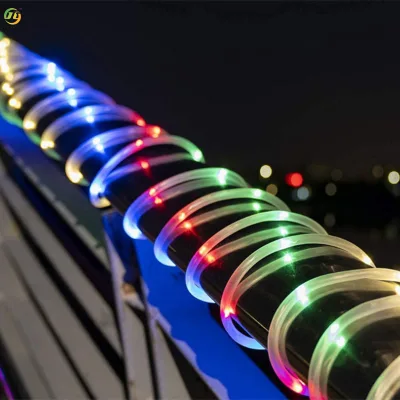
Prices for LED Christmas lights vary significantly based on material and design. Basic plastic battery-operated options start at $0.28 per unit. Glass decorative lights range from $6.60 to $8.00. Premium indoor decorative lamps cost between $9.70 and $15.00. Rope motif lights are priced around $10.38 to $13.36. Wooden Santa designs range from $1.20 to $3.00. Buyers should verify specific quotes for bulk orders.
What certifications are available for these lights?
Manufacturers offer various safety and quality certifications depending on the product line. Some suppliers hold ISO 9001, ISO 14001, BSCI, and TS 16949. Specific LED products may carry GS, CE, UL, CCC, RoHS, and FCC marks. One verified supplier lists BV verification. Buyers must check individual product specifications to confirm which standards apply to their specific order requirements.
What are the typical lead times for orders?
Production lead times differ among suppliers based on order volume and customization. Standard manufacturing lead times are reported at 15 days. Some suppliers indicate a 20-day production window. Custom or complex orders may require up to 45 days for completion. Buyers should confirm exact timelines with their chosen supplier before finalizing purchase agreements to ensure timely delivery.
What is the minimum order quantity (MOQ)?
Minimum order quantities vary by product type and supplier policy. Some LED Christmas lights have an MOQ of just 1 unit. Other decorative items require a minimum of 500 units. Buyers seeking small quantities can find low-MOQ options, while bulk buyers should verify requirements for specific designs. Always confirm the MOQ directly with the supplier to avoid order rejection.
Where are these suppliers located?
LED Christmas Light suppliers are primarily located in China. Key manufacturing hubs include Zhejiang and Guangdong provinces. Zhejiang suppliers often focus on polyester fiber and plush toy integration. Guangdong suppliers specialize in commercial, industrial, and holiday lighting solutions. Buyers can filter results by these specific regions to align with logistics preferences and supply chain strategies.
Do suppliers offer OEM and customization services?
Many manufacturers provide OEM and ODM services for LED Christmas lights. Customization is available for various products, including shape, color, and packaging. Suppliers support custom branding and specific design requirements. Some factories offer own-brand capabilities alongside standard OEM options. Buyers should discuss specific customization needs directly with suppliers to ensure production feasibility and cost implications.
What is the supplier response time?
Supplier response times vary across the platform. Some manufacturers respond within 8 hours. Others take approximately 22.87 hours. Average response times are around 24.27 hours. Faster response times often indicate higher availability and readiness to handle inquiries. Buyers should prioritize suppliers with quicker response rates for urgent sourcing needs.