Source Custom Changeable Color Neon Lamp for signs, decor, and displays
Find 30 listings for Custom Changeable Color Neon Lamp options including NE-2 and NE-2Y models. Buyers can compare specifications like diameter, voltage, and lifespan to select the right neon lighting for signage, home decor, and commercial displays; compare the available evidence and request quotations based on your requirements.
Updated
Key considerations
Products List





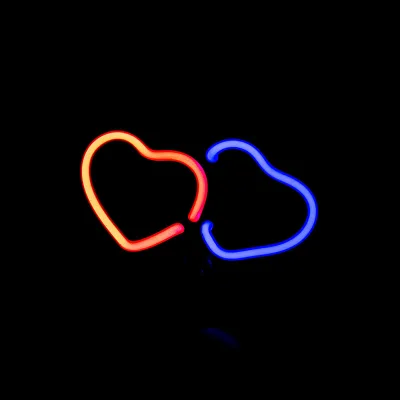
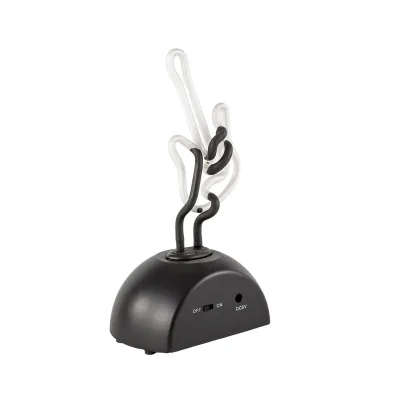
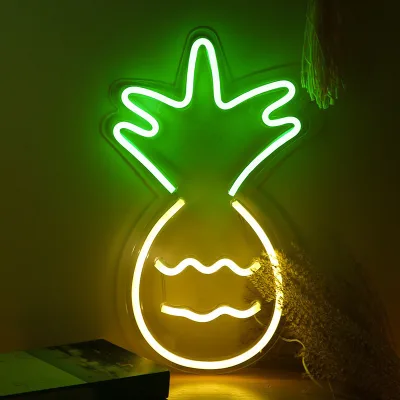


$0.60 - $0.70
MOQ: 200 Meters






Comprehensive Sourcing Guide
Custom Changeable Color Neon Lamp Sourcing Guide
Procuring custom changeable color neon lamps requires a nuanced understanding of both traditional neon technology and modern LED alternatives, as the market often blends these categories under similar terminology. Buyers must first clarify whether the requirement is for genuine gas-discharge neon tubes or flexible LED neon strips, as the sourcing channels, technical specifications, and compliance requirements differ significantly. Genuine neon tubes typically involve glass bending and gas filling, whereas LED neon offers greater durability and lower voltage operation. This distinction is critical for defining the scope of the request and ensuring that suppliers are equipped with the appropriate manufacturing capabilities.
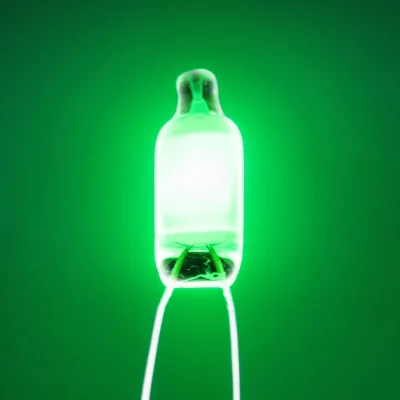
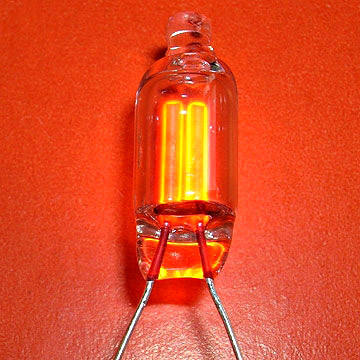
The observed market signals indicate a wide range of product models, such as NE-2 series variants, which often refer to specific tube diameters or standard neon sizes. These listings frequently highlight attributes like high brightness, specific color outputs including red and green, and various shapes such as D-shape or round configurations. Understanding these baseline attributes helps buyers filter suppliers who can meet specific aesthetic and functional needs. It is essential to verify if the "changeable color" feature is achieved through external controllers for multi-color LEDs or if it refers to the inherent color of the gas discharge, as this impacts the complexity of the electrical integration required for the final product.
Product Scope and Observed Listing Signals
The current listing landscape reveals a diverse array of product specifications that buyers must navigate carefully. Observed models include NE-2Y, NE-2, NE-2H, NE-2B, and NE-2G, each potentially representing different physical dimensions or electrical characteristics. Diameter sizes of 5mm and 6mm are commonly cited, alongside lengths such as 13mm and 16mm, which are typical for small-scale indicator or decorative applications. These dimensions suggest that the products may be components rather than finished luminaires, requiring integration into larger systems. Buyers should confirm whether the listed dimensions refer to the tube itself or the overall fixture, as this affects installation planning and spatial requirements in the final design.
Color and brightness attributes vary across listings, with options ranging from standard to high brightness and colors including red, green, and neutral white. Some listings specify color temperatures such as 2700K, 3500K, 4100K, and 6000K, indicating the presence of white LED neon options alongside traditional colored gas tubes. Input voltages are frequently listed as AC 220V with a tolerance of ±10%, which is standard for many international markets but requires verification for local grid compatibility. The presence of customization options suggests that suppliers can tailor shapes and colors, but buyers must provide precise technical drawings or color codes to ensure the final output matches the design intent, avoiding costly revisions during production.
Technical Specifications to Verify
Technical verification is paramount when sourcing neon lamps, particularly regarding electrical safety and performance longevity. Buyers must confirm the input voltage requirements, as listings show AC 220V inputs, which may necessitate transformers or drivers for lower voltage LED components. The lifespan is a critical performance metric, with observed specifications citing ranges such as 20,001-30,000 hours or specific hour counts like 25,000 hours. These figures should be validated against independent testing data or manufacturer warranties to ensure they reflect real-world operating conditions. Additionally, the gas type, often specified as Neon (Ne) for traditional tubes, affects the color output and efficiency, so buyers should verify the exact gas mixture if color accuracy is a priority.
Physical construction details, including coating and material, also require close scrutiny. Listings mention glass materials and various coating types, such as no coating or single coating, which can impact durability and light diffusion. The shape of the lamp, whether round, D-shape, or other custom forms, must be aligned with the mechanical constraints of the installation. Furthermore, the packing dimensions, observed as 39 x 31 x 21 cm or 36 x 34 x 34 cm, are essential for logistics planning and cost estimation. Buyers should request detailed technical datasheets that include electrical curves, thermal management data, and mechanical drawings to ensure the components integrate seamlessly with the rest of the lighting system.
Compliance and Safety Documentation
Compliance with international standards is non-negotiable for neon lamp procurement, especially when products are destined for regulated markets. The observed certifications include CE, RoHS, and ISO9001, which indicate adherence to European safety, environmental, and quality management standards. Buyers must verify that the CE marking is valid and covers the specific product model and voltage range, as counterfeit or invalid markings are a risk in some supply chains. RoHS compliance is particularly important for LED-based neon products to ensure the absence of hazardous substances, while ISO9001 certification suggests a consistent quality management system, though it does not guarantee product-specific performance.
In addition to product-level certifications, buyers should inquire about the testing protocols used to validate compliance. Standards such as ISO9001, CE, and SGS are mentioned in various listings, but the specific test reports for electrical safety, electromagnetic compatibility, and material safety should be requested. For products claiming specific lifespans or brightness levels, independent test results from accredited laboratories provide greater assurance than manufacturer self-declarations. Buyers must also ensure that the documentation includes clear instructions for installation and maintenance, as improper handling of high-voltage neon transformers or LED drivers can pose safety risks. Verifying the origin of the products, often listed as China or Jiangsu, can also help in assessing the regulatory environment and export compliance capabilities of the supplier.
Cost Drivers and Commercial Terms
Cost structures for custom neon lamps are influenced by several factors, including material costs, customization complexity, and order volume. The observed price range of $0.01 to $45 USD suggests a wide variance, likely driven by the difference between simple indicator tubes and complex, custom-shaped luminaires. Minimum Order Quantities (MOQs) range from 1 to 100,000 units, indicating that suppliers cater to both prototyping and mass production needs. Buyers should negotiate MOQs based on their project scale, as lower MOQs may incur higher per-unit costs due to setup and tooling expenses. Understanding the cost breakdown, including raw materials like glass or LED strips and labor for bending or assembly, helps in evaluating the competitiveness of quotes.
Commercial terms such as lead times, payment methods, and shipping conditions also impact the total cost of ownership. While specific lead times are not detailed in the observed data, buyers should establish clear timelines for production and delivery, especially for custom orders that require unique tooling or color matching. Packaging options, such as cartons with specific dimensions, affect shipping costs and protection during transit. Buyers should clarify whether the quoted prices include packaging and whether any additional fees apply for customization, such as design fees or sample costs. Establishing a clear understanding of these commercial terms early in the sourcing process helps in budgeting accurately and avoiding unexpected expenses during the procurement lifecycle.
Supplier Qualification and Quality Control
Supplier qualification is a critical step in ensuring the reliability and consistency of custom neon lamp orders. Buyers should assess suppliers based on their manufacturing capabilities, quality control processes, and track record in producing similar products. The presence of ISO9001 certification is a positive indicator, but buyers should also verify the supplier's internal quality control measures, such as incoming material inspections, in-process checks, and final product testing. Requesting references or case studies from previous clients can provide insights into the supplier's ability to meet deadlines and maintain quality standards. Additionally, suppliers with experience in exporting to the buyer's target market are preferable, as they are likely more familiar with the relevant compliance and logistical requirements.
Quality control should extend beyond the initial order to include ongoing monitoring and feedback mechanisms. Buyers should establish clear acceptance criteria for product quality, including visual defects, electrical performance, and color consistency. Regular audits or third-party inspections may be necessary for large orders to ensure that the production process remains consistent. Communication is key, so buyers should maintain open lines of communication with the supplier to address any issues promptly. Building a strong relationship with the supplier can also facilitate better support for future projects, including technical assistance and faster response times for changes or reorders.
Long-Term Procurement Checks
Long-term procurement success depends on continuous evaluation of supplier performance and market trends. Buyers should regularly review supplier metrics, such as on-time delivery rates, defect rates, and responsiveness to issues, to ensure that the partnership remains beneficial. Monitoring changes in technology, such as advancements in LED efficiency or new gas mixtures for neon tubes, can help buyers stay competitive and offer innovative products to their customers. Additionally, staying informed about regulatory changes in target markets is essential to ensure ongoing compliance. Buyers should also consider diversifying their supplier base to mitigate risks associated with single-source dependencies, such as production disruptions or price volatility.
Sustainability and ethical sourcing are increasingly important considerations in long-term procurement strategies. Buyers should inquire about the supplier's environmental practices, such as waste management and energy efficiency, to align with corporate sustainability goals. Verifying that the supplier adheres to ethical labor practices is also crucial for maintaining brand reputation. By integrating these long-term checks into the procurement process, buyers can build a resilient and responsible supply chain that supports business growth and minimizes risks. Regularly updating the sourcing strategy based on these evaluations ensures that the procurement function remains agile and responsive to changing market conditions.
FAQs
Can custom changeable color neon lamps be customized for specific projects?
Yes, customization is available for these neon lamps to meet specific project requirements. Buyers can request tailored specifications such as diameter, length, and shape. The product line includes various models like NE-2Y and NE-2H, allowing for flexible design integration. This ensures the lighting solution fits unique aesthetic or functional needs precisely.
What certifications do these neon lamps hold for safety and quality?
These neon lamps hold CE, RoHS, and ISO9001 certifications, ensuring compliance with international safety and quality standards. Some listings also mention SGS certification. These credentials verify that the manufacturing processes and final products meet rigorous regulatory requirements, providing buyers with confidence in the reliability and safety of the electrical components.
What is the typical lifespan of a Custom Changeable Color Neon Lamp?
The typical lifespan ranges from 20,001 to 30,000 hours, depending on the specific model and usage conditions. Some specifications indicate a lifespan of up to 25,000 hours. This durability ensures long-term performance for signage or decorative applications, reducing the frequency of replacements and maintenance costs for commercial or residential installations over time.
What input voltage is required for these neon lamps to operate?
These neon lamps typically require an input voltage of AC 220V with a tolerance of plus or minus 10%. This standard voltage ensures compatibility with common electrical systems in many regions. Buyers should verify the specific voltage requirements for their local grid to ensure safe and efficient operation of the neon lighting components without damage.
What materials are used in the construction of these neon lamps?
The lamps are primarily constructed from glass, which provides durability and transparency for the neon gas discharge. The coating may vary, with some options offering no coating or single coating finishes. This material choice supports the high brightness and color output, ensuring the neon effect is vivid and consistent across different environmental conditions and usage scenarios.
What are the standard packaging dimensions for shipping these neon lamps?
Standard packaging dimensions are typically 39 x 31 x 21 cm or 36 x 34 x 34 cm, depending on the order quantity and model. Some listings also mention carton packaging. These standardized sizes help optimize shipping logistics and protect the fragile glass components during transit, ensuring the products arrive in perfect condition for installation.