Source Deep Cleansing Nose Patch for Blackhead Removal and Pore Care
Source 30 Deep Cleansing Nose Patch options from Chinese manufacturers. Compare OEM/ODM services, certifications like CE and FDA, and bulk pricing for blackhead removal and pore unclogging applications.
Key considerations
Products List


Private Label Blackhead Removal Nose Patch Deep Cleaning Nose Pore Strips
$0.03 - $0.07
MOQ: 50000 Pieces


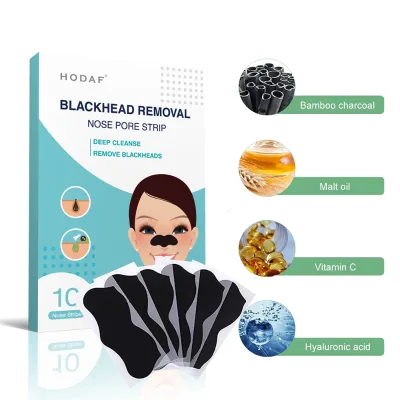
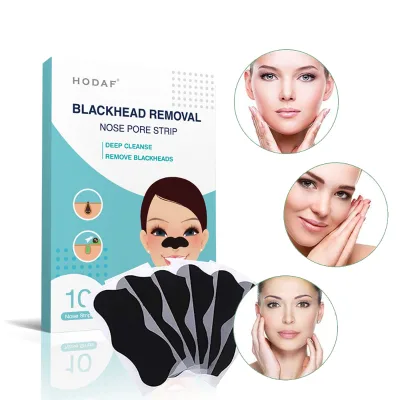
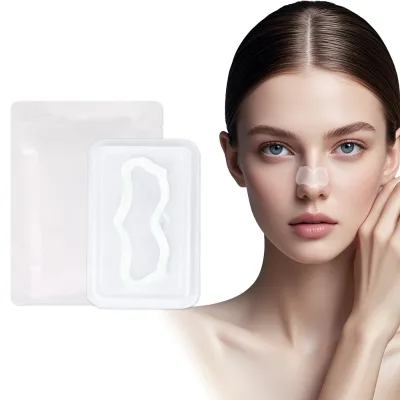


Deep Cleansing Nose Strips Blackhead Removal and Skin Pores Shrinking Patch
$0.03 - $0.04
MOQ: 30000 Pieces


Ingot Shaped Deep Blackhead Removal Nose Patch Skin Cleansing Nose Strips
$0.08 - $0.09
MOQ: 50000 Pieces

Butterfly Skin Care Patch Deep Cleansing Blackhead Remover Nose Strip Patch
$0.03 - $0.04
MOQ: 10000 Pieces


Deep Cleansing Blackhead Remover Nose Patch Hydrocolloid Nose Blackhead Remove Stickers
$0.10 - $0.20
MOQ: 20000 Pieces

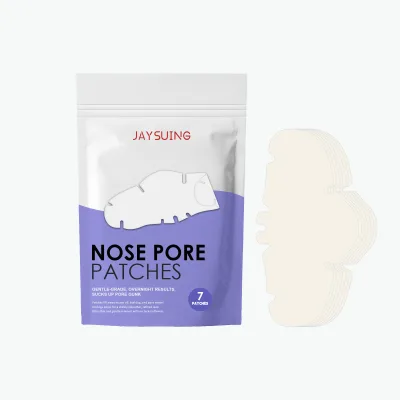
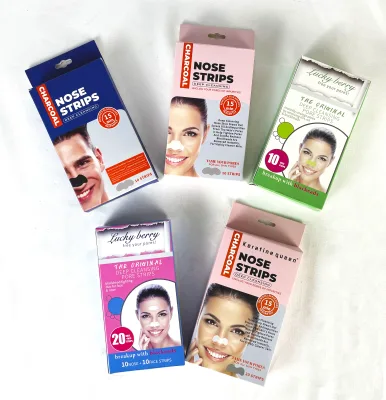


Comprehensive Sourcing Guide
Deep Cleansing Nose Patch Sourcing Guide
The Deep Cleansing Nose Patch market is defined by a diverse range of products designed to address blackhead removal and pore unclogging through adhesive extraction methods. Buyers must distinguish between general skin care masks and specialized medical-grade devices, as the supplied data indicates a split between Class I instrument classifications and standard cosmetic formulations. The core product category includes non-woven fabric strips infused with adhesive and essence, available in multiple shapes and colors to target specific facial contours. These items are primarily marketed for home use, offering a disposable solution for external application that claims to be free of side effects when used as directed.
Procurement strategies must account for the variability in product composition, ranging from natural product extraction technologies to standard adhesive formulations. The observed listings reveal a significant divergence in minimum order quantities, with some suppliers offering low-volume entry points while others require bulk commitments of tens of thousands of units. This variance directly impacts the feasibility of sourcing for different business models, from small private label startups to large-scale retail distributors. Understanding these structural differences is essential before engaging with potential suppliers to ensure alignment with inventory capacity and capital requirements.
Product Scope and Observed Listing Signals
Buyers should first verify the specific application claims against the physical attributes of the product, as the data shows listings for both "Blackhead Remover Strips" and "Non Woven Wax Strip for Hair Remover." While the primary focus is on facial cleansing, some product descriptions conflate hair removal with pore extraction, requiring careful review of the intended use case. The observed product forms include masks and strips with specific dimensions, such as 39mm by 90mm or 8.5cm by 3.5cm, which must match the target demographic's facial anatomy. The availability of five distinct shapes suggests a need for suppliers who can provide variety to cater to different nose bridge widths and pore configurations.
Commercial signals in the market indicate a strong emphasis on customization and branding services, with OEM and ODM capabilities widely advertised. The presence of free samples allows buyers to evaluate the adhesive strength and essence quality before committing to large orders, a critical step given the wide range of observed prices from $0.01 to $1.38 per unit. However, the price disparity often correlates with the complexity of the packaging and the specific certification status of the batch. Buyers must scrutinize whether the low-cost options include the necessary regulatory documentation or if the premium pricing reflects genuine quality assurance and compliance with international standards.
Technical Specifications to Verify
The structural composition of the nose patch is a primary determinant of performance, with the core materials identified as non-woven fabric, adhesive, and essence. Buyers must confirm the specific type of adhesive used, as it dictates the strip's ability to adhere to the skin without causing irritation during removal. The shelf life of three years is a standard benchmark for these products, but the actual stability of the essence component depends on the preservation methods employed during manufacturing. Verification of the single package size and weight, such as the 2g weight and 7x11x0.2 cm dimensions, is necessary to calculate accurate shipping costs and storage requirements for the supply chain.
Dimensional consistency is another critical technical parameter, as the listed specifications vary from 5x10cm to 39mm by 90mm depending on the model. Procurement teams must ensure that the selected model aligns with the target market's expectations for coverage area and fit. The product standard of 1pc per pouch, 10 pouches per box, and 40 boxes per carton provides a baseline for packaging efficiency, but deviations in this standard can significantly alter logistics costs. Additionally, the classification of the product as a Class I instrument implies specific manufacturing controls that differ from general cosmetic products, necessitating a review of the production line's capability to maintain these technical standards.
Compliance and Safety Documentation
Regulatory compliance is a non-negotiable aspect of sourcing deep cleansing nose patches, particularly given the product's classification as a medical device in some contexts. The observed certifications include CE, FDA, ISO 13485, and ISO 9001, which indicate a high level of adherence to quality management and medical device safety standards. Buyers must request current, valid certificates for each specific product model, as the presence of one certification does not automatically extend to all SKUs within a supplier's catalog. The distinction between cosmetic and medical device regulations is vital, as the FDA and CE marks carry different implications for market access in the United States and Europe.
Safety documentation must also address the chemical composition of the essence and the adhesive used in the strips. While some listings claim "No Side Effects," this assertion requires backing from Material Safety Data Sheets (MSDS) and toxicological testing results. The use of natural product extraction technologies should be verified through ingredient lists to ensure no allergens are present for sensitive skin types. Buyers should explicitly request proof of the "External Use" designation and confirm that the product is disposable, as reusing these items can compromise hygiene and efficacy. Without comprehensive safety data, the risk of product liability and consumer complaints increases significantly.
Cost Drivers and Commercial Terms
The cost structure of deep cleansing nose patches is heavily influenced by the Minimum Order Quantity (MOQ) and the level of customization required. The observed MOQ range spans from 10 units to 50,000 units, with specific listings showing thresholds of 5,000 boxes, 10,000 pieces, and even 100,000 pieces. High-volume orders typically unlock lower unit prices, but the initial capital outlay can be prohibitive for smaller buyers. Buyers must calculate the total landed cost, including the base price, tooling fees for custom molds, and the cost of custom packaging, to determine the true economic viability of the partnership.
Payment terms and lead times are equally critical factors that vary by supplier capability and order volume. While the data does not specify exact lead times, the complexity of obtaining certifications like ISO 13485 often extends the production cycle. Buyers should negotiate clear terms regarding sample approval, as the transition from sample to mass production can introduce delays if specifications are not finalized early. The availability of free samples is a positive indicator, but the cost of shipping these samples and the time required for evaluation must be factored into the project timeline. Understanding these commercial dynamics helps in setting realistic expectations for inventory replenishment and cash flow management.
Supplier Qualification and Quality Control
Supplier qualification requires a rigorous assessment of their manufacturing location and operational history, with the majority of observed products originating from Hubei, Hebei, and other regions in Mainland China. Buyers should verify the supplier's capacity to handle the specific production volume required, as the wide range of MOQs suggests a mix of small workshops and large-scale factories. The presence of OEM and ODM services indicates that the supplier has the flexibility to adapt to brand requirements, but this capability must be validated through site audits or third-party verification reports. Ensuring that the supplier has a proven track record in producing Class I medical devices is essential for maintaining product integrity.
Quality control protocols must be established to ensure consistency across batches, particularly given the variability in product models and specifications. Buyers should implement a pre-shipment inspection process that checks for defects in the non-woven fabric, adhesive application, and packaging integrity. The standard packaging of 50 pieces per box and 24 or 40 boxes per carton should be verified to prevent damage during transit. Additionally, the supplier's ability to provide traceability for raw materials, such as the essence and adhesive components, is crucial for addressing any potential quality issues that may arise post-delivery. A robust quality control framework minimizes the risk of returns and protects the brand's reputation.
Long-Term Procurement Checks
Sustaining a successful supply chain for deep cleansing nose patches requires ongoing monitoring of supplier performance and market trends. Buyers should regularly review the supplier's adherence to the agreed-upon standards, such as the 3-year shelf life and the specific product dimensions, to ensure that quality does not degrade over time. The dynamic nature of the beauty and personal care market means that consumer preferences for shapes, colors, and ingredients may shift, requiring the supplier to remain agile in their production capabilities. Establishing a long-term partnership involves regular communication and joint planning to anticipate demand fluctuations and adjust order volumes accordingly.
Continuous compliance verification is also necessary to maintain market access and consumer trust. As regulations evolve, suppliers must stay updated on changes to FDA, CE, and ISO standards, and buyers must ensure that their products remain compliant with these updated requirements. The procurement team should conduct periodic audits of the supplier's quality management systems to confirm that they continue to meet the ISO 9001 and ISO 13485 standards. By maintaining a proactive approach to supplier management, buyers can mitigate risks associated with regulatory changes and ensure a steady supply of high-quality deep cleansing nose patches for their customers.
FAQs
What materials are used in blackhead remover strips?
The strips are constructed from nonwoven fabric, adhesive, and essence. This structure supports effective blackhead removal and unclogging cleansing. The product is designed for external use on the face. It is classified as a Class I instrument. The formulation utilizes natural product extraction technology for efficacy.
Can these nose pore strips be customized for branding?
Yes, customization is available through OEM or ODM services. Buyers can request specific packaging formats such as pouches, boxes, or cartons. The service supports tailored branding needs. This flexibility allows businesses to align the product with their specific market requirements and distribution channels effectively.
What certifications do the blackhead removal strips hold?
The products hold CE, FDA, ISO 13485, and ISO 9001 certificates. These certifications ensure compliance with international quality and safety standards. Some listings also mention MSDS certification. These credentials support global sourcing and regulatory compliance for buyers in various markets.
What is the typical shelf life of the nose patches?
The shelf life is three years. This duration ensures product stability and efficacy until use. The strips are disposable and intended for single-use applications. Proper storage is recommended to maintain the integrity of the adhesive and essence components throughout the specified period.
Are samples available for quality verification before bulk orders?
Free samples are available for evaluation. This allows buyers to verify product quality and specifications before committing to larger orders. The availability of samples supports due diligence in the sourcing process. It helps ensure the product meets the required standards for blackhead removal and skin compatibility.
What are the standard packaging configurations for these strips?
Standard packaging includes 1 piece per pouch, 10 pouches per box, and 40 boxes per carton. Alternative configurations may include 50 pieces per box with 24 boxes per carton. These options accommodate different distribution needs. The packaging is designed to protect the strips and maintain hygiene until use.