Source Portable Mini Espresso Machine for Home, Hotel, Office
Explore 30 listings for the Portable Mini Espresso Machine suitable for home kitchens, hotel rooms, and commercial settings. Buyers can compare specifications such as pressure, power supply, and material to find the right option for single or multiple cup brewing needs.
Key considerations
Products List


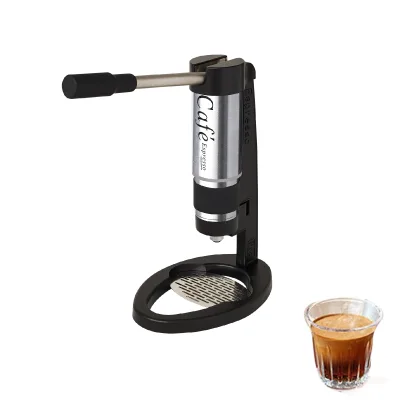
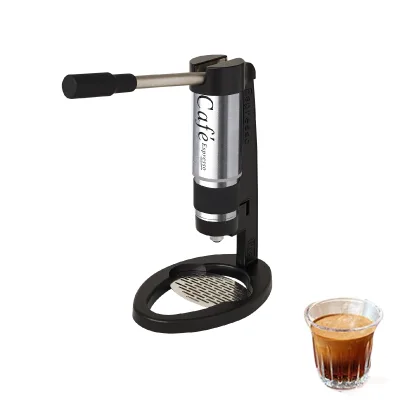
Single Cup Mini Nespresso Capsule Portable Espresso Cup Machine Coffee Maker
$14.00 - $20.00
MOQ: 100 Pieces



Comprehensive Sourcing Guide
Sourcing Guide for Portable Mini Espresso Machines
The global demand for portable mini espresso machines has surged as consumers and commercial operators seek high-quality coffee solutions that do not compromise on mobility. For B2B procurement professionals, navigating this category requires a disciplined approach to verifying technical specifications, ensuring regulatory compliance, and understanding the cost drivers inherent in miniaturized brewing equipment. This guide synthesizes observed market data and standard industry practices to provide a robust framework for sourcing these devices. Buyers must distinguish between general product observations and specific performance claims, as the market contains a diverse range of models with varying capabilities.
Technical Specifications and Brewing Mechanics
When evaluating portable mini espresso machines, the primary technical differentiator is the pressure generation system and the power source. The observed market data indicates a significant variance in pressure ratings, with specific models citing 15 bar and others reaching 20 bar. These figures represent the maximum pump pressure capability, which is critical for extracting crema and flavor compounds from coffee grounds. However, buyers should verify that the stated pressure is sustainable under load, as miniaturized pumps often struggle to maintain peak pressure during continuous operation.
Power supply is another critical specification. The product landscape includes units powered by high-capacity batteries, such as 1800mAh or larger 13500mAh variants, alongside models with lower wattage ratings like 6W or 150W. The distinction between battery-only extraction and units with heating functions is paramount. Some observed models feature a "Heating Function: Yes," utilizing 150W power to heat water, while others rely on "Extraction Method: Battery" without active heating, potentially limiting the brewing temperature to ambient levels. Procurement teams must align these specifications with the intended use case; a unit without a heating function may be suitable for cold brew or specific capsule systems but fails to meet traditional espresso standards requiring 90-96°C water temperatures.
Furthermore, the material composition of the vessel and housing dictates durability and heat retention. Observed materials include aluminum housing, 304 stainless steel water tanks, and FDA-approved plastic or ABS vessels. The choice of material impacts the machine's weight, which ranges from 500g to 810g in observed listings. A 304 stainless steel tank offers superior corrosion resistance and hygiene compared to plastic alternatives, a vital consideration for commercial applications.
Compliance and Certification Verification
Regulatory compliance is non-negotiable for B2B procurement, particularly when importing goods for commercial or consumer markets. The observed product data lists several certifications, including FDA, CE, RoHS, and LFGB. These certifications indicate adherence to specific safety and environmental standards, but their presence on a listing does not guarantee that every unit in a batch meets the standard. Buyers must request valid, up-to-date test reports from the supplier to confirm that the specific model being ordered holds these certifications.
The CE and EU certifications are essential for selling within the European market, covering electrical safety and electromagnetic compatibility. RoHS compliance ensures the absence of restricted hazardous substances, which is increasingly mandated in global supply chains. For products intended for food contact, FDA approval and LFGB (German Food and Feed Code) are critical. The data notes "FDA Plastic" and "LFGB" certifications, suggesting that certain components are rated for food safety. However, procurement teams should verify that the entire assembly, including gaskets and seals, meets these standards, not just the primary vessel material.
Cost Drivers and Pricing Dynamics
The pricing for portable mini espresso machines in the observed market ranges from 10 to 248 USD. This wide disparity is driven by several factors, including the complexity of the brewing mechanism, the quality of materials, and the battery capacity. Models with higher pressure ratings (20 bar vs. 15 bar) and larger battery capacities (13500mAh vs. 1800mAh) command higher price points. Additionally, the inclusion of heating functions significantly increases the cost due to the added electrical components and safety requirements.
The Minimum Order Quantity (MOQ) is another significant cost driver, ranging from 1 unit to 3000 units. Lower MOQs allow for smaller test orders but often result in a higher unit cost. Conversely, bulk orders of 3000 units may secure a lower price per unit but require substantial capital investment and storage capacity. Buyers should also consider the "Customization" factor. The data confirms that customization is available, including logo printing and color variations (Multicolor, Black, White, Space Grey, Orange, Green). Customized orders typically incur setup fees and higher MOQs, which must be factored into the total cost of ownership.
Typical Applications and Usage Scenarios
The versatility of portable mini espresso machines allows them to serve diverse applications, from home kitchens to commercial hotel rooms. The observed data lists "Usage: Commercial, Home Use" and "Application: Home Kitchen Hotel Room," indicating a broad market fit. For home users, the priority is often portability and ease of use, with features like "Single" piece packaging and compact dimensions (e.g., 69mm*203mm) being highly valued.
In commercial settings, such as hotel rooms or small cafes, reliability and capacity become more important. Models with "Full-Automatic" procedures and "Coffee Powder" or "Coffee Pill" processing capabilities are preferred. The "Appropriate Types: Powder/Capsule" specification suggests compatibility with various coffee formats, enhancing their utility in mixed-use environments. However, the "Capacity: 5-10 Cups" observed in some models may limit their suitability for high-volume commercial operations, necessitating a careful assessment of throughput requirements.
Supplier Evaluation and Customization Options
Selecting the right supplier involves more than just comparing price and MOQ. The availability of customization is a key indicator of a supplier's flexibility and manufacturing capability. The data confirms that "Customized" options are available, including logo printing and color customization. Buyers should evaluate the supplier's ability to handle these customizations without compromising quality or lead times.
When evaluating suppliers, procurement teams should verify their production standards and quality control processes. The observed "Standard: 69mm*203mm" suggests a specific dimensional requirement that must be met consistently. Suppliers should provide evidence of their ability to maintain these tolerances across large batches. Additionally, the "Mode of Shipment" options, including sea, air, and express delivery via carriers like FedEx, DHL, TNT, and UPS, offer flexibility in logistics planning. Buyers should assess the supplier's experience with international shipping and their ability to manage the "Mode of Payment" options, which include PayPal, Western Union, T/T, Visa, and Mastercard.
Quality Control and Performance Assurance
Quality control is essential to ensure that the portable espresso machines perform reliably over time. Buyers should implement a rigorous inspection protocol that covers both visual and functional checks. Visual inspections should verify the finish of the aluminum or stainless steel housing, the integrity of the ABS or plastic vessels, and the accuracy of the color matching for customized units. Functional tests must confirm the pressure output, battery life, and heating function performance.
The "Working Principle: Pump Pressure" requires specific attention during testing. Buyers should verify that the pump operates quietly and maintains consistent pressure throughout the extraction cycle. For battery-powered models, testing the "Power Supply" capacity is crucial to ensure the machine can complete multiple brewing cycles on a single charge. The "Net Weight" specifications (500g to 810g) should also be verified to ensure the product matches the promised specifications, as weight discrepancies can indicate material shortages or assembly errors.
Long-Term Procurement Considerations
Sourcing portable mini espresso machines is not a one-time transaction but a long-term partnership that requires strategic planning. Buyers should consider the availability of spare parts, such as pumps, batteries, and seals, to ensure the longevity of the product line. The "Product Model" variations, such as "1-1" and "PCM01," suggest that different models may have different component compatibilities, making standardization important for inventory management.
Furthermore, the "International Express" options and "Mode of Shipment" capabilities should be evaluated for their impact on supply chain resilience. In times of global disruption, having multiple shipping options can mitigate delays. Finally, buyers should monitor the evolving regulatory landscape, particularly regarding battery safety and food contact materials, to ensure continued compliance. By maintaining a proactive approach to supplier evaluation and quality control, B2B buyers can secure a reliable supply of high-quality portable mini espresso machines that meet the demands of their customers.
| Feature Category | Observed Range/Options | Procurement Focus |
|---|---|---|
| Pressure | 15 bar, 20 bar | Verify sustainable pressure under load |
| Power Source | 1800mAh, 13500mAh Battery | Match battery capacity to usage frequency |
| Heating | Yes, No | Confirm heating function for true espresso |
| Materials | Aluminum, 304 Stainless Steel, ABS, FDA Plastic | Prioritize stainless steel for commercial use |
| Certifications | FDA, CE, RoHS, LFGB | Request valid test reports for each batch |
| Customization | Logo Print, Color (Multicolor, Black, White, etc.) | Assess setup costs and MOQ impact |
| MOQ | 1 - 3000 Units | Balance unit cost against inventory risk |
| Weight | 500g - 810g | Verify against dimensional standards |
FAQs
What certifications are available for these machines?
Available certifications include FDA, CE, EU, RoHS, and LFGB. Buyers must request valid test reports to confirm that specific models hold these standards for safety and food contact compliance.
How does the heating function affect performance?
Some models feature a heating function with 150W power, while others rely solely on battery extraction without heating. Units with heating functions are required for traditional espresso temperatures between 90 and 96 degrees Celsius.
Which pressure ratings are observed in the market?
Observed pressure ratings include 15 bar and 20 bar maximum pump pressure. Buyers should verify that the stated pressure remains sustainable under load during continuous operation cycles.
Can I customize the logo and color of the unit?
Customization is available for logo printing and color options like black, white, or multicolor. Customized orders typically require higher minimum order quantities and may incur additional setup fees.
What is the range of minimum order quantities?
Minimum order quantities range from 1 unit to 3000 units depending on the supplier. Lower MOQs allow for smaller test orders but often result in a higher cost per unit.
Which materials are used for the vessel and housing?
Materials include aluminum housing, 304 stainless steel water tanks, and FDA plastic or ABS vessels. Stainless steel offers superior corrosion resistance and hygiene compared to plastic alternatives for commercial use.
How do battery capacities vary across models?
Battery capacities observed range from 1800mAh to 13500mAh depending on the specific model. Larger capacities support more brewing cycles but may increase the overall weight and price of the device.