Source Deep Tissue Massage Gun for Home Gym and Recovery
Explore 30 listings of Deep Tissue Massage Gun options featuring rechargeable power, brushless motors, and various massage points. Buyers can compare specifications, certifications, and prices from verified Chinese manufacturers to find suitable units for whole body or targeted relief.
Key considerations
Products List


Powerful Handheld Percussion Multi Angle Massage Gun Deep-Tissue Massage
$24.12 - $24.71
MOQ: 1000 Sets


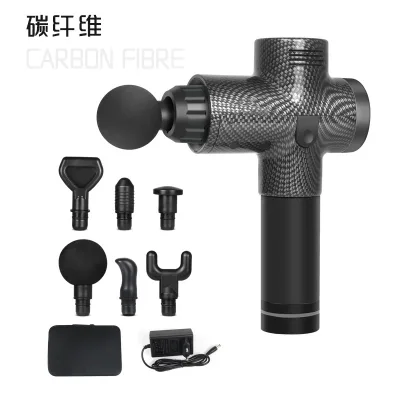


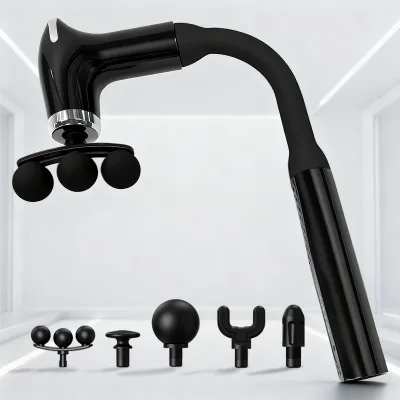
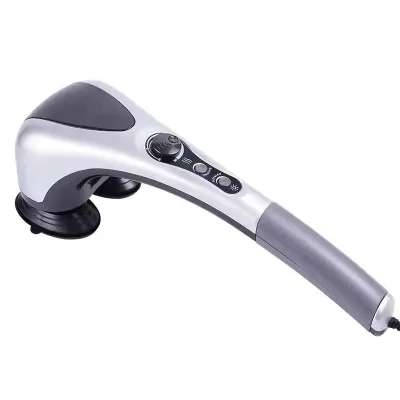
Massage Gun Deep Tissue, Percussion Back Massager Gun for Athletes Muscle
$9.70 - $9.90
MOQ: 1000 Pieces



Comprehensive Sourcing Guide
Strategic Sourcing Guide for Deep Tissue Massage Gun Procurement
The global demand for deep tissue massage guns has surged as consumers and professional athletes seek effective recovery tools. For B2B buyers, navigating this market requires a disciplined approach that separates marketing claims from verifiable product attributes. This guide synthesizes observed market data and technical specifications to provide a framework for sourcing high-quality percussion therapy devices. The focus remains on objective analysis of model numbers, power systems, motor types, and compliance standards to ensure procurement decisions are grounded in evidence rather than speculation.
Understanding Core Technical Specifications
When evaluating deep tissue massage guns, the primary differentiator lies in the motor technology and power delivery system. The observed product landscape reveals a clear distinction between manual and electric variants, with the majority of deep tissue applications requiring electric power sources. Specifically, the market data indicates the presence of brushless motors, which are critical for delivering consistent torque and reducing heat generation during extended use. A brushless motor design is often associated with higher efficiency and longer operational lifespans compared to brushed alternatives.
Power supply mechanisms vary significantly across models. While some units operate on manual power, the prevailing trend for deep tissue devices involves rechargeable electric systems. Buyers must verify the specific charging parameters, as observed ranges include 5V/2A charging types. The duration of the charging cycle is a vital metric for operational readiness; observed data points to charging times ranging from 3 to 5 hours. Furthermore, the working time per charge is a decisive factor for commercial viability. Specifications indicate that functional units can sustain operation for 4 to 10 hours, depending on the model and intensity settings.
The physical dimensions of the device also play a role in its application. Standardized product dimensions observed in the market include configurations such as 17570235mm, 17813849mm, and 229247105mm. These measurements influence the device's portability and the reach of the massage head. For deep tissue applications, the size of the attachment head is equally important. The observed product attributes list "Round" contact types, which are suitable for broad muscle groups, while other models may offer specialized heads for specific anatomical areas.
Compliance and Certification Verification
In the medical and wellness device sector, certification is not merely a formality but a prerequisite for market entry and liability protection. The observed data confirms that products in this category frequently carry CE certification, indicating compliance with European health, safety, and environmental protection standards. Some advanced models also display RoHS and ISO certifications, suggesting adherence to restrictions on hazardous substances and international quality management systems.
Buyers must treat these certifications as evidence of a supplier's commitment to regulatory compliance rather than as a guarantee of performance for every unit. The presence of "CE" on a product listing is a strong indicator, but the absence of "RoHS" or "ISO" does not necessarily disqualify a product; it may simply reflect the specific batch or model configuration. It is imperative to request valid certification documents directly from the supplier to verify the scope of approval.
Additionally, the material composition of the device affects its safety profile. The observed materials include plastic and ABS (Acrylonitrile Butadiene Styrene). ABS is preferred for its durability and impact resistance, making it suitable for devices subjected to frequent handling. Buyers should verify that the plastic components are free from harmful chemicals, particularly if the device is intended for direct skin contact over extended periods. The condition of the product is consistently listed as "New," which is a standard expectation for B2B procurement, but verification of the manufacturing date and storage conditions is advisable to ensure battery health.
Cost Drivers and Pricing Dynamics
The pricing structure for deep tissue massage guns is influenced by a complex interplay of factors, including motor technology, battery capacity, and certification status. The observed price range in the market spans from $3.40 to $3,000. This wide disparity reflects the difference between basic, entry-level models and high-end, professional-grade units with advanced features. The lower end of the spectrum likely corresponds to devices with simpler motor designs or lower battery capacities, while the upper end encompasses units with brushless motors, extended working times, and comprehensive certification packages.
Minimum Order Quantity (MOQ) is another significant cost driver. The observed MOQ range extends from 1 to 1,000 units. This flexibility allows buyers to test the market with small orders or commit to larger volumes for better unit economics. Suppliers offering an MOQ of 1 are particularly valuable for startups or those conducting market research, whereas suppliers with higher MOQs may offer more competitive pricing for bulk purchases.
Customization is a key factor that can influence the final cost. The market data confirms that customization is available for these products. This could involve branding, packaging design, or specific technical modifications. While customization adds value, it often incurs additional setup costs and may increase the MOQ. Buyers should weigh the benefits of a customized product against the potential increase in unit price and lead time.
Typical Applications and Usage Scenarios
Deep tissue massage guns are designed for a variety of applications, ranging from personal wellness to professional sports therapy. The observed product attributes list "Adult" as the target age group, indicating that these devices are not intended for pediatric use. The intended exercise parts include the whole body, with specific emphasis on the arm, head, neck, and shoulder. This versatility makes them suitable for a wide range of users, from office workers seeking relief from tension to athletes recovering from intense training.
The appliance classification further clarifies the usage environment. Products are designated for use in homes, gymnasiums, parks, and community centers. This broad applicability suggests that the devices are robust enough to withstand varied environments. For instance, a model intended for gymnasium use might require a more durable casing and a higher capacity battery to support multiple users throughout the day.
The "Folded" attribute is listed as "Unfolded" for some models, suggesting that certain units are designed to be compact and portable, while others may be fixed in a specific configuration. For buyers targeting the travel or outdoor market, portability is a critical feature. Devices that can be easily carried in a case, such as those with "Carry Case with Color Box" packaging, are ideal for mobile applications.
Supplier Evaluation and Origin Analysis
The geographical origin of the product is a critical factor in supplier evaluation. The observed data indicates that the majority of these products originate from China, with specific manufacturing hubs identified in Yongkang and Shenzhen. Yongkang is known for its hardware and tool manufacturing capabilities, while Shenzhen is a global hub for electronics and consumer goods. Understanding the regional specialization of the supplier can provide insights into the quality of the components used.
Supplier reliability is often reflected in the product's packaging and documentation. The observed packaging types include "Plastic Box" and "Carry Case with Color Box." High-quality packaging not only protects the product during transit but also enhances the unboxing experience for the end consumer. For B2B buyers, the consistency of packaging across large orders is essential for maintaining brand integrity.
When evaluating suppliers, buyers should look for evidence of a structured production process. The presence of specific model numbers, such as "7705569," "MSG-810-#5883," and "FY-RX01," indicates a standardized product line. This standardization suggests that the supplier has a mature manufacturing process capable of maintaining quality control across different batches. However, buyers should remain cautious of suppliers who offer a vast array of unrelated products, as this may indicate a lack of specialization.
Quality Control and Long-Term Procurement
Ensuring consistent quality is paramount in the procurement of electronic devices. The observed "Condition: New" attribute is a baseline requirement, but buyers must go further to verify the functional integrity of the units. Key quality control checks should include testing the motor performance, battery charging cycles, and the durability of the attachment heads. The working time specifications, ranging from 4 to 10 hours, should be validated through independent testing to ensure they meet the claimed performance.
Long-term procurement considerations also involve the availability of spare parts and after-sales support. Given the mechanical nature of massage guns, components like motors and batteries may eventually require replacement. Suppliers who offer a comprehensive warranty and a reliable supply chain for spare parts are preferable. Additionally, the "Small Orders: Accepted" attribute suggests that some suppliers are flexible in their order policies, which can be beneficial for managing inventory risks.
Buyers should also consider the environmental impact of their procurement decisions. The presence of RoHS certification indicates that the products comply with restrictions on hazardous substances, which is a positive indicator for sustainability. However, buyers should also inquire about the recyclability of the packaging materials and the disposal protocols for end-of-life devices.
Comparative Analysis of Key Product Attributes
To facilitate a clearer understanding of the market offerings, the following table summarizes the key attributes observed in the product data. This comparison highlights the variations in specifications that buyers should consider when selecting a supplier.
| Attribute | Observed Range/Value | Relevance to Procurement |
|---|---|---|
| Motor Type | Brushless, Brushed | Brushless motors offer higher efficiency and longevity. |
| Power Source | Electric (Rechargeable), Manual | Electric is required for deep tissue applications. |
| Charging Time | 3 to 5 Hours | Impacts operational readiness and user convenience. |
| Working Time | 4 to 10 Hours | Determines suitability for extended use or commercial settings. |
| Certification | CE, RoHS, ISO | Essential for regulatory compliance and market access. |
| Material | Plastic, ABS | Affects durability and safety for skin contact. |
| Origin | China (Yongkang, Shenzhen) | Indicates manufacturing hub and potential supply chain dynamics. |
| MOQ | 1 to 1,000 Units | Influences inventory strategy and initial capital outlay. |
| Price Range | $3.40 - $3,000 USD | Reflects the spectrum from basic to premium professional models. |
This table serves as a reference point for buyers to compare different models and suppliers. It underscores the importance of aligning specific technical requirements with the observed market data. By focusing on these verified attributes, buyers can make informed decisions that balance cost, quality, and performance.
In conclusion, sourcing deep tissue massage guns requires a meticulous approach that prioritizes technical verification and compliance. By leveraging the observed data on motor types, battery performance, and certification status, buyers can navigate the complex B2B landscape with confidence. The key to successful procurement lies in maintaining a disciplined focus on evidence-based criteria rather than relying on unverified marketing claims.
FAQs
What power sources are available for deep tissue massage guns?
Electric rechargeable and manual power sources are available. Most deep tissue models use rechargeable electric systems with brushless motors, while some variants operate manually. Verify the specific power type required for your intended usage scenario before ordering.
Which certifications do these devices typically carry?
CE certification is commonly observed, with some models also holding RoHS and ISO certifications. These indicate compliance with safety and environmental standards. Always request valid certification documents directly from the supplier to verify the scope of approval for specific batches.
How long do the batteries last on a single charge?
Working times range from 4 to 10 hours depending on the model. Charging times typically vary between 3 and 5 hours. Check the specific model specifications, such as the ZM-117 or ZM-113, to confirm the exact operational duration for your needs.
Can I order small quantities of these massage devices?
Yes, small orders are accepted with Minimum Order Quantities ranging from 1 to 1000 units. This flexibility allows buyers to test the market with minimal inventory risk. Confirm the specific MOQ with the supplier to align with your initial procurement strategy.
What materials are used to construct these massage guns?
Devices are constructed using plastic and ABS materials. ABS is preferred for its durability and impact resistance, making it suitable for frequent handling. Ensure the materials are safe for direct skin contact and verify the condition is new upon delivery.
Where are these products manufactured?
Products originate from China, specifically from manufacturing hubs in Yongkang and Shenzhen. Yongkang specializes in hardware, while Shenzhen is a hub for electronics. Knowing the origin helps assess supply chain dynamics and component quality for your procurement decisions.
Are customization options available for branding or packaging?
Customization is available for branding, packaging design, and technical modifications. This service may increase the unit price and affect the Minimum Order Quantity. Discuss specific customization requirements with the supplier to understand the associated costs and lead time implications.