Source Deep Tissue Foot Massage Roller for Yoga, Recovery, and Daily Wellness
Explore 30 listings for the Deep Tissue Foot Massage Roller, comparing manual and electric options made from PVC, EVA, or solid wood. Buyers can evaluate specifications like size, weight, and customization features to find suitable suppliers for yoga, recovery, and daily wellness applications.
Key considerations
Products List


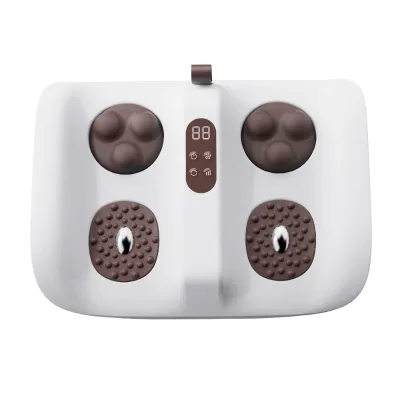
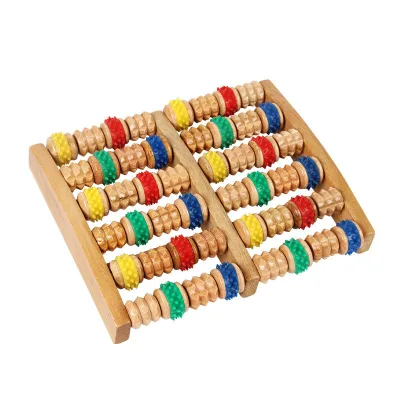


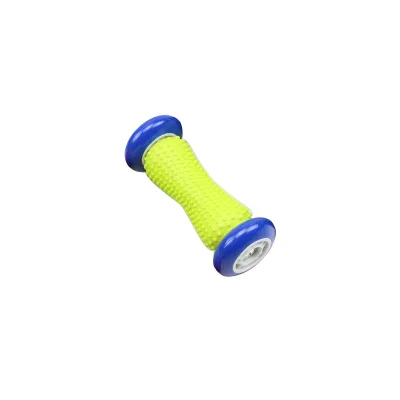

Relax Relieve Foot Pain Wooden Roller Foot Leg Massager Body Foot Massager
$0.65 - $0.85
MOQ: 2000 Pieces
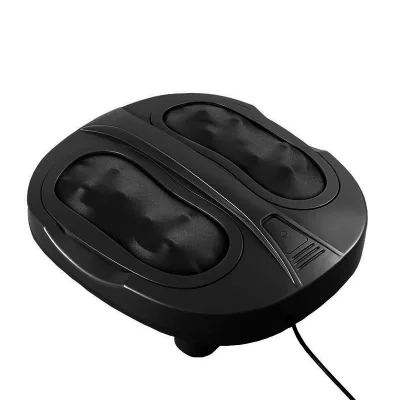


Electric Rolling Air Compression Kneading Foot Calf Massage Foot Massager
$68.00 - $71.00
MOQ: 500 Pieces

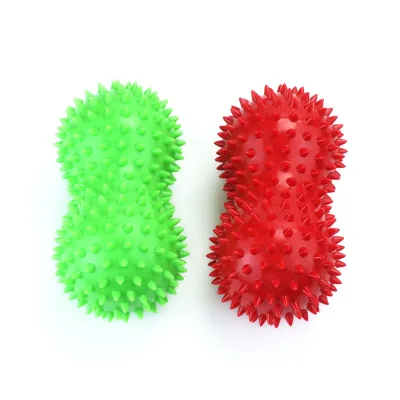
Comprehensive Sourcing Guide
Strategic Sourcing Guide for Deep Tissue Foot Massage Rollers
Sourcing deep tissue foot massage rollers requires a disciplined approach that balances technical specifications with supply chain reliability. The market for these devices is diverse, ranging from simple manual EVA foam tools to complex electric units with rechargeable power supplies. Buyers must navigate a landscape where product attributes vary significantly, including power sources, material compositions, and standard dimensions. This guide outlines the critical factors for evaluating suppliers and products, ensuring that procurement decisions are grounded in verified data and industry best practices rather than unverified marketing claims.
Technical Specifications and Material Composition
The first step in sourcing is defining the precise technical requirements of the product. Deep tissue rollers are not monolithic; they differ fundamentally in their power mechanisms and construction materials. The observed product data reveals a distinct split between manual and electric variants. Manual units, often characterized by a "Round" contact type, rely entirely on user force. These are frequently constructed from materials like EVA (Ethylene-Vinyl Acetate) or PVC, which offer varying degrees of density and durability. For instance, specific models in the market utilize EVA for a balance of softness and support, while others may employ PVC for a firmer texture.
In contrast, electric models introduce complexity through power supply requirements. The data indicates the existence of units with "Electric" power and "USB" connectivity, as well as those featuring "Rechargeable" power supplies. These devices often include features like heating, though the available data also notes models explicitly "Without Heating." When sourcing electric rollers, buyers must verify the voltage compatibility and battery capacity, as these are critical for international distribution. The physical dimensions also vary widely. Standards observed in the market include specific metric measurements such as 140x330MM, 150x300/450/600/900MM, and imperial equivalents like 13.7 * 5.3 * 5.2 inches.
Material selection is equally critical for deep tissue efficacy. While some products are made from Solid Wood with a "Grinding" process to achieve a specific finish, others utilize synthetic foams. The choice between Solid Wood and EVA/PVC often dictates the product's weight and intended use case. For example, a unit with a "Unit Weight" of 920g suggests a denser, more substantial tool compared to lighter foam alternatives. Buyers should request material safety data sheets (MSDS) to ensure the materials used, particularly PVC and EVA, meet safety standards for skin contact.
Compliance, Certification, and Safety Standards
Navigating the regulatory landscape is essential for importing massage equipment. While specific certification statuses for every listed product cannot be confirmed without direct verification, the market context suggests that compliance with international safety standards is a prerequisite for serious buyers. The data mentions "reach" in a low-confidence background context, indicating that chemical compliance (such as REACH regulations in the European Union) is a relevant consideration for products containing PVC or other polymers.
Buyers must verify that suppliers can provide evidence of compliance with local safety standards for electrical appliances, particularly for the electric and rechargeable models. This includes testing for electrical safety, battery stability, and electromagnetic compatibility. For non-electric rollers made of wood or foam, chemical safety regarding volatile organic compounds (VOCs) and heavy metals is paramount. The "prod_standard" field in the data lists various dimensions, but these are physical specifications rather than safety certifications. Therefore, procurement teams should explicitly request third-party test reports from recognized laboratories (such as SGS, Intertek, or TUV) to validate claims regarding material safety and electrical performance.
Cost Drivers and Pricing Dynamics
Understanding the cost structure of deep tissue rollers is vital for budgeting and margin analysis. The observed price range in the market spans from $0.56 to $71 USD, a variance that reflects the significant differences in complexity, materials, and functionality. The lower end of this spectrum typically corresponds to simple manual EVA or PVC rollers with basic packaging, such as "Oppbag" or simple "Carton" packing. These items often have low Minimum Order Quantities (MOQ), ranging from 1 to 50 pieces, making them accessible for small-scale testing.
Conversely, the higher price points, approaching $71, are associated with electric models featuring rechargeable batteries, USB connectivity, and advanced features like heating elements. These units often require more complex manufacturing processes, such as "Grinding" for wooden components or assembly of electronic circuits. The cost is also driven by customization options. The data confirms that "Customization" is available, including "Customized" logos and specific packaging requirements like "Shrink Film, Individual Box or Color Box." Customization inevitably increases the unit cost and may raise the MOQ, as seen in models with an MOQ of 50 PCS or higher.
Packaging standards also influence cost. Products packed in "Each in Polybag Then in Carton" or "Carton" formats may have different shipping efficiencies compared to those in "Oppbag" only. Buyers should calculate the total landed cost, including shipping, duties, and packaging, rather than focusing solely on the unit price. The wide MOQ range of 1 to 2000 units suggests that buyers can scale their orders based on cash flow and storage capacity, but bulk orders often yield better per-unit pricing.
Typical Applications and Usage Scenarios
The application of deep tissue foot massage rollers extends beyond simple relaxation. The data highlights specific usage categories, including "Yoga and Training," "Personal Decoration," "Collection," "Home Decoration," and "Gift." This diversity indicates that the market serves both functional fitness enthusiasts and the gift/home decor sectors.
For the fitness and rehabilitation sector, the focus is on "Usage" efficacy. Products labeled for "Yoga and Training" often feature specific shapes, such as "Hollow Foam Roller" designs, which are engineered to target specific muscle groups. The "Shape: Human" attribute in some listings suggests anatomically contoured rollers designed for specific body parts, including the feet. These are often used for myofascial release and deep tissue therapy.
In the home and gift market, the aesthetic and decorative aspects become more prominent. Attributes like "Style: Retro," "Color: Natural Color," and "Solid Color" point to products designed to blend with interior decor. The "Usage" field listing "Commercial Use" and "Residential Use" further broadens the scope, indicating that these rollers are suitable for spas, gyms, and private homes. Buyers should align their product selection with their target demographic; a commercial buyer might prioritize durability and "Durable" features, while a gift buyer might focus on "Customized" logos and attractive "Color Box" packaging.
Supplier Evaluation and Origin Verification
Evaluating suppliers requires a careful examination of their location and production capabilities. The data indicates that products originate from specific regions in China, including "Zhejiang," "Nantong," and general "China" origins. These regions are known for their manufacturing clusters in textiles, plastics, and wood products. A supplier located in Zhejiang may have expertise in foam and textile-based rollers, while a Nantong-based supplier might specialize in wood or home textile products.
When evaluating a supplier, buyers should verify their capacity to handle the specific "prod_model" numbers observed, such as IR97433, IR97453B-1, or YM-07. The presence of specific model numbers suggests established production lines. However, buyers must be cautious of suppliers who claim to offer a wide range of models without verifying their actual manufacturing capability. The "Payment: Platform Guarantee" attribute suggests that using secure payment platforms is a recommended practice to mitigate financial risk.
Furthermore, the "Customization: Available" attribute implies that suppliers should have the flexibility to modify products. Buyers should assess the supplier's R&D capabilities and their ability to handle custom requests, such as changing the "prod_packing" from standard cartons to branded boxes. A supplier's ability to provide samples and their responsiveness to technical queries are strong indicators of their reliability.
Quality Control and Long-Term Procurement
Ensuring consistent quality is the final pillar of successful sourcing. The data mentions "Feature: Durable," which is a key quality indicator. However, durability claims must be validated through physical testing. For electric models, this includes cycle testing of the rechargeable battery and USB port. For manual rollers, testing should focus on material resilience, ensuring the EVA or PVC does not degrade or lose shape under repeated pressure.
Quality control processes should be established at multiple stages: incoming material inspection, in-process quality control during "Grinding" or assembly, and final random inspection before shipment. Buyers should define clear acceptance criteria for dimensions, such as the "140x330MM" or "16*7cm" standards, and ensure that the "Unit Weight" matches the specification to prevent material substitution.
Long-term procurement considerations involve building a relationship with a supplier who can maintain consistency over time. The "MOQ" range of 1 to 2000 units allows for flexible ordering, but buyers should aim to establish a steady order volume to secure better pricing and priority production slots. The availability of "Customized" options suggests that suppliers can adapt to changing market trends, but this requires clear communication and documentation.
Comparison of Product Attributes
To assist in decision-making, the following table summarizes the key attributes observed in the market data, highlighting the distinctions between different product types.
| Attribute | Manual/EVA/PVC Models | Electric/Rechargeable Models | Wood/Decorative Models |
|---|---|---|---|
| Power Source | Manual | Electric / Rechargeable | Manual |
| USB Connectivity | Without USB | USB | Without USB |
| Material | EVA, PVC | Plastic/Electronics | Solid Wood |
| Typical Dimensions | 140x330MM, 16*7cm | Varies (Expanded size noted) | 150x300/450/600/900MM |
| Primary Usage | Yoga, Training, Foot Massage | Deep Tissue, Heating (Optional) | Decoration, Gift, Collection |
| Packaging | Oppbag, Carton | Individual Box, Color Box | Carton, Polybag |
| Origin | Zhejiang, Nantong, China | China | China |
| MOQ Range | 1 - 50 PCS | 50 - 2000 PCS | 1 - 2000 PCS |
This comparison underscores the need for buyers to clearly define their needs before engaging with suppliers. Whether the priority is cost-effectiveness for a fitness center, advanced features for a retail store, or aesthetic appeal for a gift shop, the product attributes vary significantly. By adhering to the verification steps outlined in this guide, buyers can navigate the complex landscape of deep tissue foot massage rollers with confidence, ensuring they source products that meet their specific technical, regulatory, and commercial requirements.
FAQs
What power options are available for deep tissue foot massage rollers?
Deep tissue foot massage rollers are available in both manual and electric power options. Manual units rely on user force, while electric models feature rechargeable batteries and USB connectivity for enhanced functionality.
Which materials are commonly used in deep tissue foot massage rollers?
Manufacturers use diverse materials including EVA, PVC, and solid wood for construction. The choice of material affects the product weight and texture, with some units weighing up to 920 grams for durability.
Can buyers request customization for deep tissue foot massage rollers?
Yes, customization is available for deep tissue foot massage rollers including logo printing and specific packaging. Buyers can choose between carton, polybag, or color box packaging depending on their branding needs.
What are the standard dimensions for deep tissue foot massage rollers?
Standard dimensions vary significantly across models, ranging from 140x330MM to 150x300/450/600/900MM. Some specific models also feature expanded sizes of 13.7 by 5.3 by 5.2 inches for different usage scenarios.
How does the MOQ vary for deep tissue foot massage rollers?
The minimum order quantity ranges from 1 piece to 2000 pieces depending on the supplier and product type. Specific models may require a minimum of 50 pieces, while others allow for smaller trial orders.
Where are deep tissue foot massage rollers typically manufactured?
These products are primarily manufactured in China, with specific origins noted in Zhejiang and Nantong regions. The location influences the type of materials used, such as foam in Zhejiang or wood in Nantong.
What is the price range for deep tissue foot massage rollers?
The observed price range spans from 0.56 to 71 USD per unit based on complexity and features. Lower prices typically correspond to simple manual EVA rollers, while higher prices reflect electric models with advanced features.