Source Dental Air Abrasion System for Cleaning, Whitening, and Surgery
Explore 30 listings for the Dental Air Abrasion System designed for teeth cleaning, whitening, and oral surgery. Buyers can compare models like MM1500 and VM-001, review certifications such as CE and ISO, and evaluate specifications including air pressure and autoclave compatibility.
Key considerations
Products List


Air Compressor Oral Surgery Suction System for Clinics High-Efficiency Dental
$280.00 - $350.00
MOQ: 1 Pieces


Dental Equipment Portable Dental Unit System with Built-in Air Compressor
$660.00 - $730.00
MOQ: 1 Sets


Silver Aluminum Box Portable Dental Unit System with Built-in Air Compressor
$480.00 - $520.00
MOQ: 1 Sets

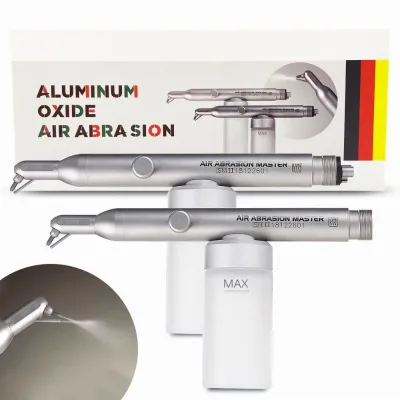
High Quality 2/4 Holes Dental Alumina Air Sandblasting Polisher with Water
$33.00 - $36.00
MOQ: 1 Sets




Comprehensive Sourcing Guide
Strategic Sourcing Guide for Dental Air Abrasion Systems
Procuring a Dental Air Abrasion System requires a nuanced understanding of the intersection between clinical utility, regulatory compliance, and supply chain reliability. These systems, often categorized under cleaning and filling teeth equipment, serve as critical tools for minimally invasive dentistry, offering alternatives to traditional drilling for caries removal, stain elimination, and surface preparation. The market presents a diverse array of configurations, ranging from standalone units to integrated turbine-driven handpieces. Buyers must navigate a landscape where product attributes vary significantly between models, necessitating a rigorous, evidence-based approach to selection. This guide outlines the essential factors for evaluating dental air abrasion systems, focusing on the specific technical and operational realities observed in current market offerings.
Technical Specifications and Operational Parameters
The core functionality of a Dental Air Abrasion System relies on the precise delivery of abrasive particles via a high-pressure air stream. When evaluating potential units, buyers must scrutinize the specific operational parameters that define performance. The power source is a primary differentiator; observed market data indicates that many systems utilize a turbine mechanism, which requires a specific air pressure input to function correctly. For instance, specific models are designed to operate within an air pressure range of 0.3 to 0.4 MPa, while others may accommodate a broader range of 2 to 5 kg/cm². Verifying that the clinic's existing compressed air supply matches these requirements is essential to prevent equipment failure or inconsistent performance.
The delivery mechanism is equally critical. The system typically features a handpiece with a specific connector configuration, such as 2-hole or 4-hole interfaces, which must be compatible with the clinic's existing tubing and suction systems. The blasting hole diameter is a precise specification, often standardized at 0.5mm for optimal particle flow. The system's capacity to handle abrasive materials is defined by its maximum powder flow rate, which can range from 1.5 to 3.6 grams per minute. This flow rate determines the efficiency of the cleaning or cutting process. Furthermore, the nature of the abrasive material itself is a key variable; systems are frequently designed to apply alumina powder, with particle sizes ranging from 50 microns up to 1000 grams loaded, depending on the specific clinical application.
Weight and dimensions also play a role in ergonomics and workflow. Units vary significantly in mass, with some handpieces weighing as little as 144 grams, while the overall system weight, including the main engine, can be around 0.4 kg. The physical footprint of the equipment, often packed in standard export cartons with dimensions like 24x11x4 cm, must be considered for storage and transport logistics. Buyers should verify the specific model number, such as MM1500, VM-001, or SD-APU05, as these identifiers often correlate with distinct sets of specifications and capabilities.
Compliance, Certification, and Regulatory Standards
In the medical device sector, regulatory compliance is not merely a formality but a prerequisite for market access and clinical safety. When sourcing dental air abrasion systems, buyers must demand explicit documentation regarding certifications. The most frequently observed certifications in the current market include CE, ISO, and RoHS. The presence of the CE mark indicates conformity with health, safety, and environmental protection standards for products sold within the European Economic Area. Similarly, ISO certification, particularly ISO 13485 for medical devices, suggests adherence to international quality management standards, though the specific standard version should be verified against the supplier's documentation.
RoHS compliance is another critical factor, ensuring that the device does not contain restricted hazardous substances, which is vital for both environmental safety and worker health in the manufacturing and disposal phases. It is important to note that certification status can vary between product models; some listings may indicate CE and ISO, while others might only list CE. Buyers must treat these attributes as observations of specific listings rather than universal guarantees for all products in the category. The origin of the product, typically China for many of these systems, does not preclude high-quality manufacturing, but it necessitates a more rigorous verification of the supplier's ability to maintain consistent quality control standards across international shipments.
Cost Drivers and Procurement Economics
The pricing structure for dental air abrasion systems is influenced by a complex interplay of factors, including material composition, technological complexity, and packaging standards. The observed price range in the market is substantial, spanning from $0.50 to $730 USD. This wide variance suggests that the category includes everything from individual replacement parts or consumables to complete, high-end clinical units. Buyers must carefully distinguish between the cost of the main engine, the handpiece, and ancillary components like powder containers or tubing.
Material quality is a primary cost driver. Systems constructed from steel or high-grade metal generally command higher prices due to durability and sterilization capabilities. The packaging standard also impacts cost; units shipped in robust carton boxes or standard exported cartons often reflect a higher value proposition compared to those in minimal packaging. Additionally, the inclusion of customization options can influence the final price. While many suppliers offer customization, the extent of this service—whether it involves branding, specific color coding, or modified technical specifications—will directly affect the unit cost.
Minimum Order Quantity (MOQ) is another economic factor that buyers must consider. The observed MOQ range spans from 1 to 60 units. For clinics looking to upgrade a single station, a supplier with an MOQ of 1 set is preferable. However, for larger procurement projects or distributors, higher MOQs may offer economies of scale. The warranty period, typically observed as 1 year for many systems, also serves as a cost factor; a longer warranty might indicate higher manufacturing confidence but could be reflected in the initial purchase price.
Typical Applications and Clinical Departments
Dental air abrasion systems are versatile tools designed for specific clinical applications across various departments within a dental practice. The primary application is teeth cleaning and whitening, utilizing methods such as laser whitening or abrasive blasting to remove stains and plaque without damaging the underlying enamel. These systems are particularly effective in the Oral Surgery department, where precision is paramount for minimally invasive procedures. The ability to operate as a non-disposable, shared instrument equipment makes them suitable for high-volume practices.
Beyond cleaning, these systems are utilized in the Orthodontic Department for bracket removal and surface preparation, as well as in the Oral Rehabilitation Department for preparing tooth structures for restorations. The specific nature of the equipment, whether classified as a specialized instrument or mechanic equipment, dictates its suitability for different procedures. For example, a system with a max water flow of 30ml/min might be optimized for cleaning, while a system with higher powder flow capabilities might be better suited for aggressive caries removal. Buyers should match the system's capabilities, such as its applicability to specific departments, with their clinic's specific procedural needs to ensure optimal return on investment.
Supplier Evaluation and Quality Assurance
Evaluating suppliers for dental air abrasion systems requires a focus on transparency, consistency, and after-sales support. Since the market is populated with various models from different origins, buyers must verify the supplier's ability to provide consistent product attributes. The "Nature" of the equipment, described as either specialized or shared instrument equipment, should align with the supplier's stated production capabilities. A reliable supplier will provide clear documentation on the product model, such as YP06 or SD-APU05, and confirm that the listed specifications, such as the autoclavable temperature of 132°C for 15 minutes, are accurate and repeatable.
Quality control is paramount, especially given the medical nature of the devices. Buyers should inquire about the supplier's testing protocols to ensure that the air pressure, powder flow, and connector integrity meet the specified standards. The export markets served by the supplier can also be an indicator of their experience and reliability; a supplier with a global export footprint is likely more accustomed to international shipping standards and regulatory requirements. Furthermore, the availability of customization should be verified, as this can be a critical differentiator for clinics with specific branding or workflow requirements.
Long-Term Procurement and Maintenance Considerations
Sourcing a Dental Air Abrasion System is not a one-time transaction but the beginning of a long-term operational relationship. Buyers must consider the lifecycle of the equipment, including maintenance, sterilization, and consumable replacement. The autoclave compatibility is a critical long-term factor; systems must withstand sterilization at 132°C for 15 minutes without degradation. The durability of the materials, such as steel or metal construction, ensures that the handpiece can endure repeated sterilization cycles.
The warranty period, typically 1 year, serves as a baseline for manufacturer support. Buyers should clarify the terms of the warranty, including what constitutes a defect and the process for claiming repairs or replacements. The availability of spare parts, such as blasting holes or tubing, is also essential for minimizing downtime. Additionally, the standard of the product, whether defined by weight (e.g., 0.8kg or 24x11x4 cm) or other metrics, should be consistent over time to ensure that replacement units are compatible with existing infrastructure.
Comparative Analysis of System Attributes
To facilitate decision-making, buyers should compare the key attributes of different systems side-by-side. The following table summarizes the critical specifications observed in the market, highlighting the variations that influence procurement decisions.
| Attribute | Model A (Example) | Model B (Example) | Model C (Example) |
|---|---|---|---|
| Product Model | MM1500 | VM-001 | SD-APU05 |
| Material | Steel | Metal | Metal |
| Certification | CE | CE, ISO | CE, ISO, RoHS |
| Air Pressure | 0.3-0.4 MPa | 2-5 kg/cm² | Variable |
| Max Powder Flow | 1.5-3.6 g/Min | 1.5-3.6 g/Min | Variable |
| Autoclave Temp | 132°C (15 Min) | 132°C (15 Min) | 132°C (15 Min) |
| Connector | 2/4 Hole | 4 Holes | 4 Holes |
| Weight | 144g (Handpiece) | 0.4kg | 0.4kg |
| Packing | Cartoom | Carton | Standard Exported Carton |
| Application | Teeth Whitening | Cleaning & Filling | Teeth Cleaning |
| MOQ | 1 Set | 1 Set | 1 Set |
This comparison illustrates that while core functions like autoclaving and air pressure delivery remain consistent, the specific model numbers, material grades, and certification levels vary. Buyers must use this data to align their specific clinical requirements with the most appropriate product offering.
Conclusion
Sourcing a Dental Air Abrasion System demands a meticulous approach that balances technical specifications, regulatory compliance, and economic factors. By focusing on verified attributes such as air pressure ranges, material composition, and certification status, buyers can make informed decisions that ensure clinical efficacy and operational reliability. The wide range of available models, from the MM1500 to the SD-APU05, offers flexibility for diverse clinic needs, but it also requires careful evaluation to avoid mismatches between equipment capabilities and clinical workflows. Ultimately, a successful procurement strategy relies on a clear understanding of the product's nature, its intended applications, and the long-term support provided by the supplier.
FAQs
What certifications do dental air abrasion systems typically have?
Most systems carry CE, ISO, and RoHS certifications. Buyers should verify specific model documentation as some listings may only show CE or ISO marks. These certifications confirm compliance with safety and environmental standards for medical devices sold in international markets.
How is the autoclave sterilization process handled for these units?
Units are designed to withstand autoclaving at 132 degrees Celsius for 15 minutes. This standard ensures the equipment can be safely reused in clinical settings without degradation. Always confirm the specific temperature and duration limits for the selected model before purchase.
Which air pressure range is required for turbine-powered systems?
Specific models operate within an air pressure range of 0.3 to 0.4 MPa. Other variants may accommodate a broader range of 2 to 5 kg/cm². Clinics must match their compressed air supply to these exact requirements to ensure consistent performance.
Can buyers customize the packaging or branding of these systems?
Customization is available for many dental air abrasion systems. This service may include specific branding or modified technical specifications. Buyers should inquire about the extent of customization options and associated costs before finalizing the order with a supplier.
What is the typical minimum order quantity for these systems?
The minimum order quantity ranges from 1 set to 60 units depending on the supplier. Clinics needing a single unit can find suppliers with an MOQ of 1 set. Larger procurement projects may benefit from higher quantities to achieve economies of scale.
Which departments in a dental clinic can utilize this equipment?
These systems are applicable in Oral Surgery, Orthodontic, and Oral Rehabilitation departments. They are primarily used for teeth whitening, cleaning, and surface preparation. Select a model based on the specific clinical procedures required by your department.
What material is used to construct the main engine and handpiece?
The equipment is typically constructed from steel or high-grade metal. This material choice ensures durability and resistance to repeated sterilization cycles. Verify the specific material composition for the model to confirm its longevity and maintenance requirements.