Source Denim Fabric for Garments, Bags, and Curtains
Compare 30 verified Denim Fabric listings from Chinese manufacturers. Buyers can evaluate material composition, GSM weight, and customization options for dress, bag, and curtain applications.
Key considerations
Products List

$2.10
MOQ: 5000 Meters


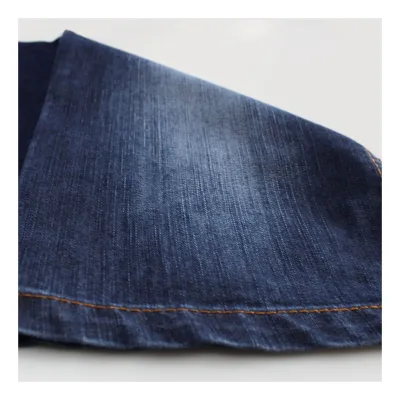


Denim Cotton Polyester Elastane Spandex Woven Stretch Fabric for Garments
$1.50 - $3.00
MOQ: 2000 Meters


Comprehensive Sourcing Guide
Strategic Sourcing Guide for Denim Fabric Procurement
The global market for Denim Fabric remains a cornerstone of the apparel and industrial textile industries, driven by its enduring versatility and functional durability. For procurement professionals, navigating the supply chain requires a granular understanding of material composition, technical specifications, and supplier capabilities. This guide synthesizes verified product attributes and industry standards to provide a disciplined framework for sourcing denim. Buyers must distinguish between generic market observations and specific, verifiable product data to mitigate risk and ensure supply chain resilience. The following sections detail the critical dimensions of denim procurement, from fiber composition to long-term supplier relationships.
Technical Specifications and Material Composition
The foundation of any denim procurement strategy lies in the precise definition of technical specifications. Denim is not a monolithic material; it varies significantly based on yarn construction, weave density, and fiber blend. In the current market, buyers encounter a spectrum of materials ranging from 100% cotton to complex blends involving synthetic fibers. A primary observation in the available product data indicates a strong presence of 100% cotton variants, which are often preferred for their breathability and traditional aesthetic. However, other listings specify blends such as Spandex/Cotton or P/Sp/C/N, which introduce elasticity and specific performance characteristics.
The weave structure is equally critical. The standard for denim is a twill weave, characterized by diagonal parallel ribs. This structure provides the fabric with its signature durability and drape. Specific product data confirms the "Twill" style and "Woven" technique as standard attributes. Beyond the weave, the yarn thickness and density dictate the fabric's weight and hand feel. Data points show yarn thicknesses ranging from 10×10 to 12×12, with corresponding density variations such as 72×54 or 80×50 threads per inch. These metrics directly influence the fabric weight, which is observed in the range of 200-340 GSM (grams per square meter). Buyers must verify these specific numbers against their design requirements, as a 200 GSM fabric will behave differently in a heavy-duty workwear application compared to a 340 GSM garment.
Furthermore, the width of the fabric is a logistical constraint that affects cutting efficiency and waste. Standard widths observed in the market include 56/57 inches, 59/60 inches, and 60/67 inches. Selecting the correct width is essential for optimizing yield in pattern making. The coloration process also varies; while "Bromine Indigo" and "Dark Blue" are common specific listings, "Customized" and "Many Colors" indicate the availability of bespoke dyeing services. The pattern type, whether "Yarn Dyed" or "Plain," further defines the visual texture and colorfastness of the final product.
Compliance, Certification, and Performance Features
In the modern textile landscape, compliance and performance features are not merely add-ons but prerequisites for market access. Buyers must rigorously verify the safety and environmental standards of their denim suppliers. While specific certification bodies like GOTS, OEKO-TEX, and BSCI are often cited in the broader industry context, procurement teams must demand proof of these certifications rather than relying on general claims. The product data highlights several functional features that are critical for specific end-uses. These include "Shrink-Resistant," "Anti-Static," "Waterproof," "Eco-Friendly," and "Anti-Uv" properties.
The presence of "Static Wire" or "Increase: Static Wire" in certain listings points to specialized applications, particularly in industrial or workwear contexts where static discharge could pose a safety hazard. For workwear applications, the "Anti-Static" feature is a non-negotiable specification. Similarly, the "Eco-Friendly" attribute suggests adherence to sustainable dyeing or finishing processes, which is increasingly demanded by global brands. However, buyers should not assume that all listed products possess every feature mentioned in a general category description. Each specific SKU must be evaluated for its specific feature set. For instance, while one product model may be marked as "Eco-Friendly," another may focus solely on "Shrink-Resistant" properties.
Standardization is another area requiring careful attention. The data references standards such as "100%cotton" and "9OZ," which serve as benchmarks for material purity and weight. However, the term "CUSTOMED" appears as a standard for certain models, indicating that specifications may be negotiated on a case-by-case basis. This flexibility allows for tailored solutions but requires a robust quality assurance protocol to ensure that custom standards are met consistently. Buyers should verify that any claimed standard, whether it relates to weight, fiber content, or chemical safety, is backed by third-party test reports or supplier declarations of conformity.
Cost Drivers and Pricing Dynamics
Understanding the cost structure of Denim Fabric is essential for budgeting and negotiation. The pricing of denim is influenced by a complex interplay of raw material costs, processing complexity, and order volume. The observed price range in the market spans from 0 to 5.8 USD, a wide variance that reflects differences in material quality, finish complexity, and order size. A lower price point often correlates with standard cotton blends and high-volume production, whereas premium finishes like "Waterproof" or "Anti-Uv" treatments, or specialized yarns like 100% cotton with specific dyeing techniques, command higher prices.
The Minimum Order Quantity (MOQ) is a significant cost driver. The data indicates an MOQ range from 1 to 10,000 units, with a specific high-confidence fact noting an MOQ of 5,000 meters for certain models. This high threshold suggests that the supply chain is optimized for large-scale production runs. For buyers with smaller volume requirements, the unit cost may be disproportionately high due to the setup costs associated with weaving and dyeing. Conversely, buyers capable of meeting the 5,000-meter threshold can leverage economies of scale to reduce the per-unit cost.
Supply type also impacts cost. The "Make-to-Order" (MTO) model is prevalent, meaning that production begins only after the order is placed. This approach reduces inventory risk for the supplier but can introduce variability in lead times and costs compared to "Ready-to-Ship" inventory. The "ODM/OEM: Acceptable" attribute indicates that suppliers are willing to customize designs, which adds value but may incur additional development costs. Buyers should factor in the cost of sample development, tooling, and the premium for custom colors or finishes when calculating the total landed cost.
Typical Applications and End-Use Scenarios
Denim Fabric serves a diverse array of applications, ranging from casual apparel to heavy-duty industrial gear. The product data explicitly lists uses such as "Bag, Cap, Curtain, Dress, Garments," as well as more specialized applications like "Overcoat, Jacket, Windbreaker, Casual Pants." This versatility underscores the importance of matching the fabric's technical specifications to the intended end-use. For example, a "Shrink-Resistant" fabric is ideal for dress garments where fit consistency is paramount, while "Anti-Static" and "Work Wear" designations point to industrial applications where safety is the priority.
The weight of the fabric is a primary determinant of its application. Lighter weights, potentially around 200 GSM, are suitable for dresses, curtains, and lightweight jackets. Heavier weights, approaching 340 GSM, are better suited for heavy-duty workwear, overcoats, and durable bags. The "Ultra-Indigo Dyed Denim" and "Dark Blue" variants are typically associated with traditional denim apparel, while "Customized" colors allow for brand-specific differentiation in fashion lines. The "Soft" hand feel noted in some listings is particularly valuable for garments intended for direct skin contact, such as casual pants and dresses, whereas a stiffer hand feel might be preferred for structured jackets or bags.
Supplier Evaluation and Production Capabilities
Selecting the right supplier requires a deep dive into their operational capabilities and geographic footprint. The data identifies production origins in "China," with specific mentions of "Zhejiang" and "Jiangsu" as key manufacturing hubs. These regions are known for their robust textile infrastructure, offering access to a wide range of raw materials and skilled labor. However, buyers must verify the specific location of the factory to assess logistics costs and potential supply chain disruptions.
The production capacity and flexibility are critical evaluation criteria. The "Make-to-Order" supply type and the acceptance of "ODM/OEM" services indicate that suppliers are equipped to handle custom projects. The "Delivery" lead time is observed between 25 and 35 days, with some listings specifying 25-30 days. This timeframe is a crucial factor in supply chain planning, especially for seasonal collections or urgent replenishment orders. Buyers should confirm if these lead times are consistent or if they fluctuate based on order volume or complexity.
Packing methods are another aspect of supplier evaluation. The data shows variations such as "Rolls and Bales," "in Rolls or Bales," and "Roll-Packing," with some options including "Plastic Bag Inside, Outside with Woven Bag." These packing standards affect the protection of the fabric during transit and the ease of handling upon arrival. Suppliers offering robust packing solutions minimize the risk of damage and moisture exposure, which is particularly important for cotton-based fabrics that can be susceptible to mold.
Quality Control and Long-Term Procurement Considerations
Ensuring consistent quality is the ultimate goal of any procurement strategy. The "Shrink-Resistant" and "Anti-Static" features mentioned in the data must be validated through rigorous testing protocols. Buyers should establish clear quality control checkpoints that align with the specific features of the ordered fabric. For instance, verifying the shrinkage rate of a "Shrink-Resistant" fabric before mass production can prevent costly fit issues in the final garment. Similarly, testing for static dissipation is essential for workwear applications.
Long-term procurement considerations involve building a resilient supply chain. The "Customization: Available" attribute suggests that suppliers are willing to adapt to changing market needs. However, buyers should maintain a diversified supplier base to mitigate risks associated with single-source dependencies. The variability in lead times and MOQs across different product models highlights the need for flexible ordering strategies. Buyers should also consider the environmental impact of their sourcing decisions, given the "Eco-Friendly" attributes found in some listings. Aligning with suppliers who prioritize sustainability can enhance brand reputation and meet regulatory requirements in various markets.
In conclusion, sourcing Denim Fabric requires a meticulous approach that balances technical specifications, compliance requirements, and cost efficiency. By leveraging verified data on material composition, weave structures, and performance features, buyers can make informed decisions that align with their product goals. The dynamic nature of the denim market, characterized by diverse applications and evolving standards, demands continuous vigilance and adaptability. Through strategic supplier evaluation and robust quality control measures, procurement professionals can secure a reliable supply of high-quality denim that meets the rigorous demands of the global market.
| Attribute Category | Key Observations from Data | Procurement Verification Point |
|---|---|---|
| Material | 100% Cotton, Spandex/Cotton, P/Sp/C/N | Verify fiber blend percentage and source of raw materials. |
| Weave & Style | Twill, Woven, Yarn Dyed, Plain | Confirm weave density (e.g., 72x54) and pattern consistency. |
| Dimensions | Width: 56/57", 59/60", 60/67"; Weight: 200-340 GSM | Validate width tolerance and weight consistency across rolls. |
| Features | Shrink-Resistant, Anti-Static, Waterproof, Eco-Friendly | Request test reports for specific functional claims. |
| Logistics | Lead Time: 25-35 days; MOQ: 5,000m (typical); Origin: China | Confirm lead time stability and packaging standards (Rolls/Bales). |
| Customization | ODM/OEM Acceptable, Custom Colors, Custom Standards | Define clear specifications for custom orders to avoid ambiguity. |
FAQs
What customization options are available for Denim Fabric orders?
Customization is available for this Denim Fabric through a make-to-order supply model. Buyers can request specific colors like Bromine Indigo or Dark Blue, along with tailored yarn thicknesses and densities to match their design needs.
Which material compositions are offered for this Denim Fabric?
The product data lists 100% cotton as a primary material, alongside blends such as Spandex and Cotton or P/Sp/C/N. These compositions allow buyers to select fabrics based on required elasticity, breathability, or specific performance features.
How long is the delivery lead time for these denim products?
The standard delivery lead time ranges from 25 to 35 days depending on the specific product model. Some listings specify a tighter window of 25 to 30 days for certain orders, requiring early planning for seasonal collections.
Can buyers find Denim Fabric with anti-static and waterproof features?
Yes, specific models include features like anti-static, waterproof, and eco-friendly properties. These functional attributes are particularly relevant for workwear applications or garments requiring enhanced durability and safety against static discharge.
What is the minimum order quantity for purchasing this Denim Fabric?
The minimum order quantity varies significantly, ranging from 1 unit up to 10,000 units across different listings. One specific high-confidence fact notes an MOQ of 5,000 meters for certain models, which impacts budget planning for smaller buyers.
Which fabric widths are available for this denim product?
Available widths include 60/67 inches, 56/57 inches, and 59/60 inches depending on the specific model. Selecting the correct width is essential for optimizing cutting efficiency and minimizing waste during the garment manufacturing process.
Where are the manufacturers of this Denim Fabric located?
Production origins are listed in China, with specific manufacturing hubs identified in Zhejiang and Jiangsu provinces. Buyers should verify the exact factory location to assess logistics costs and potential supply chain disruptions effectively.