Source Multi-Head Automatic Glue Dispenser for Electronics, Automotive, and Packaging
Find and compare 30 multi-head automatic glue dispenser options from verified suppliers. Evaluate key specifications such as precision, flow speed, and customization features to select the right equipment for your manufacturing line.
Key considerations
Products List


Glue Dispensing Machine Ab Glue Dispenser Machine Automatic Glue Dispenser
$1999.00 - $2600.00
MOQ: 1 Pieces


Multi Head High Speed Automatic Dispensing Machine Ab Glue Dispensing Machine
$1999.00 - $2600.00
MOQ: 1 Pieces
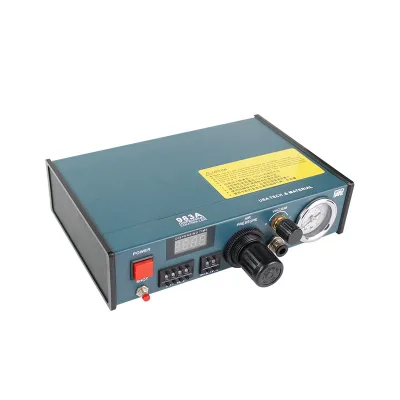


Hot Melt Glue Machine Large Capacity Melt Adhesive Dispenser Automatic Glue Dispenser
$3850.00 - $4280.00
MOQ: 1 Sets

Automatic Glue Dispensing Machine Liquid Dispenser Glue Filling Dispens Robot
$2000.00 - $20000.00
MOQ: 1 Pieces


Precision Automatic Glue Dispenser Multipurpose for Various Industrial Glues
$2800.00 - $3000.00
MOQ: 1 Pieces


High Precision Automatic Glue Dispenser Robotic Glue Dispensing Machine
$2099.00 - $2799.00
MOQ: 1 Pieces


Comprehensive Sourcing Guide
Multi-Head Automatic Glue Dispenser Sourcing Guide
Selecting the right multi-head automatic glue dispenser requires a careful balance of precision, throughput, and material compatibility. These machines are engineered to handle complex dispensing tasks across various industries, from electronics assembly to automotive manufacturing. Buyers must prioritize equipment that offers adjustable ratios and high repeatability to ensure consistent bond quality. The decision process should begin with a clear definition of the adhesive types and volume requirements, as these factors directly influence the mechanical design and control systems of the dispenser.
The market offers a range of configurations, from desktop units for low-volume prototyping to large-scale vertical systems for high-speed production lines. Understanding the distinction between static and dynamic mixing methods is crucial for selecting the appropriate hardware. Static mixers are often preferred for their simplicity and lower maintenance, while dynamic mixers provide superior homogeneity for challenging material combinations. Procurement teams should evaluate these technical nuances against their specific production goals to avoid costly mismatches between machine capability and operational needs.
Product Scope and Observed Listing Signals
The current market landscape for multi-head automatic glue dispensers reveals a diverse array of models, each tailored to specific operational scales. Observed listings indicate a wide price range, reflecting variations in automation levels, brand components, and feature sets. Buyers will encounter models such as the PGB-200, PGB-700, and SZD-400, which represent different tiers of functionality. These models often come with optional tank sizes, including 10L, 25L, and 40L configurations, allowing for flexibility in batch processing and continuous operation.
Listing signals also highlight significant variability in automation grades, with options spanning from semiautomatic to fully automatic systems. This distinction is critical for labor planning and throughput expectations. Fully automatic units typically integrate PLC controls, such as those from Panosinic, to manage complex dispensing sequences. Additionally, many listings emphasize customization availability, suggesting that buyers can tailor the equipment to specific workflow requirements. This flexibility is a key selling point for manufacturers with unique dispensing patterns or specialized adhesive handling needs.
Technical Specifications to Verify
Precision and accuracy are paramount when evaluating multi-head glue dispensers. Buyers should verify the repeat accuracy of the machine, with many high-end models offering specifications around ±0.5% to 1%. This level of precision ensures that the dispensed volume remains consistent across thousands of cycles, reducing material waste and improving product quality. The gluing out speed is another critical metric, with observed ranges typically falling between 5-66g/5s. This throughput capacity must align with the production line’s cycle time to avoid bottlenecks.
The mixing ratio and adhesive compatibility are equally important technical considerations. Many systems support adjustable ratios from 1:1 to 20:1, accommodating a wide variety of adhesives including epoxy, silicone, PU, and UV-curing materials. The pump type, whether gear, screw, or DH pump, should be selected based on the viscosity of the adhesive. Furthermore, additional functions such as heating, vacuum, and self-cleaning capabilities can significantly enhance operational efficiency. Buyers must confirm that the chosen model supports the specific cleaning and maintenance routines required for their adhesive types.
Compliance and Safety Documentation
Certification status is a primary indicator of a machine’s adherence to international safety and environmental standards. Most observed models carry CE certification, which is essential for operation within European markets and many other regions. Some listings also include RoHS, ISO, FDA, and CCC certifications, indicating broader compliance with environmental and quality management systems. Buyers should request valid certificates for each specific model, as certification status can vary between different manufacturers and product lines.
Documentation should also cover the machine’s electrical and mechanical safety features. While specific safety standards may not always be listed, the presence of CE marking implies compliance with relevant EU directives. Buyers must ensure that the supplier provides comprehensive user manuals, electrical schematics, and maintenance guides. These documents are vital for safe operation and troubleshooting. Additionally, verifying that the machine meets local workplace safety regulations is crucial, especially for automated systems with moving parts and high-pressure fluid handling.
Cost Drivers and Commercial Terms
The total cost of ownership for a multi-head glue dispenser is influenced by several factors, including the initial purchase price, shipping, and installation costs. Observed price ranges are broad, reflecting differences in automation levels and component quality. Buyers should also consider the cost of consumables, such as mixing nozzles and filters, which can vary significantly depending on the adhesive type and usage volume. The warranty period, typically 12 months or one year, provides a baseline for risk mitigation but should be evaluated against the supplier’s support capabilities.
Commercial terms often include specific packing requirements, such as wooden cases or poly-wood boxes, to ensure safe transit. These packing methods can impact shipping costs and handling procedures. Buyers should clarify whether installation and training are included in the quoted price, as these services can add substantial value. Additionally, the minimum order quantity (MOQ) and lead times should be negotiated early in the process. Understanding these commercial terms helps in budgeting accurately and planning production schedules effectively.
Supplier Qualification and Quality Control
Supplier qualification is a critical step in ensuring the reliability of the purchased equipment. Buyers should verify the supplier’s manufacturing capabilities and quality control processes. Many listings indicate that video outgoing inspections are provided, allowing buyers to visually confirm the machine’s condition before shipment. This transparency is a positive indicator of supplier confidence in their product. Additionally, suppliers with established certifications, such as ISO, are more likely to adhere to consistent quality standards.
Quality control should also extend to the core components of the dispenser. Buyers should inquire about the brands and origins of key parts, such as pumps, PLCs, and sensors. High-quality components contribute to the machine’s longevity and performance stability. It is advisable to request detailed component lists and maintenance schedules from the supplier. This information helps in assessing the long-term reliability of the equipment and planning for spare parts inventory. Engaging with suppliers who provide comprehensive technical support and training is also essential for successful implementation.
Long-Term Procurement Checks
Long-term procurement success depends on the supplier’s ability to provide ongoing support and maintenance services. Buyers should establish clear communication channels for technical assistance and troubleshooting. The availability of spare parts is crucial for minimizing downtime in case of component failure. Suppliers who offer extended warranty options or maintenance contracts can provide additional peace of mind. Regular maintenance checks, including cleaning and calibration, should be scheduled to ensure consistent performance.
Furthermore, buyers should monitor the supplier’s product updates and technological advancements. The glue dispensing industry is evolving, with new features and improvements being introduced regularly. Staying informed about these developments can help buyers upgrade their equipment or expand their capabilities over time. Building a strong relationship with the supplier can also facilitate better pricing and priority support in the future. Continuous evaluation of the machine’s performance against production goals is essential for identifying areas for improvement and optimizing the dispensing process.
FAQs
What certifications do the multi-head automatic glue dispensers have?
The dispensers hold CE, RoHS, ISO, FDA, and CCC certifications depending on the model. Some units also carry SGS certification. These standards ensure compliance with international safety and quality requirements for industrial applications.
Can the glue dispensers be customized for specific production needs?
Yes, customization is available for these automatic glue dispensers. Buyers can select specific tank sizes like 10L, 25L, or 40L. Additional functions such as heating, vacuum, and self-cleaning can also be integrated to match unique workflow demands.
Which glue ratios are supported by the multi-head automatic glue dispenser?
The machines support adjustable glue ratios ranging from 1:1 to 20:1. They handle various materials including epoxy, silicone, PU, and UV adhesives. This flexibility allows precise mixing for different industrial bonding requirements without manual adjustment.
How accurate is the dispensing process on these automatic units?
The dispensing accuracy is rated at 1% with a repeat accuracy of ±0.5%. The flow speed ranges from 0 to 66g per 5 seconds. This precision ensures consistent application quality for high-precision manufacturing environments requiring tight tolerances.
What warranty period is provided for the multi-head automatic glue dispenser?
A standard warranty of 12 months or 1 year is provided for these units. This coverage applies to the new condition machines supplied from China. Buyers should verify specific terms based on the selected model and supplier agreement.
Which installation types are available for the automatic glue dispensers?
The dispensers are available in both vertical and desktop installation configurations. This allows flexibility for different factory floor layouts. The choice depends on the specific workspace constraints and the required operational workflow for the production line.