Source Die Casting Housing for Car, Appliances, and Electronics
Compare 30 Die Casting Housing options from verified Chinese suppliers. Buyers can evaluate aluminum and zinc alloy parts with CNC machining, heat treatment, and custom dimensions for automotive, household appliance, and electronic hardware applications.
Key considerations
Products List


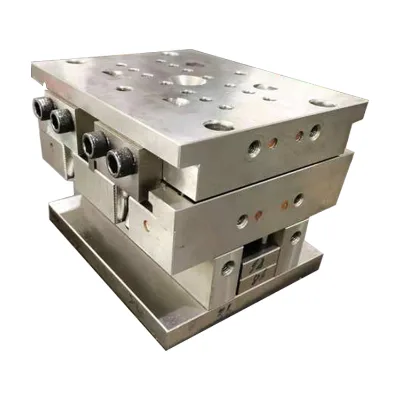
Factory Precision Die Casting Hardware Machinery Parts Investment Casting Mould
$1543.00 - $2309.00
MOQ: 20 sets


Comprehensive Sourcing Guide
Strategic Sourcing Guide for Die Casting Housing Components
Understanding the Technical Landscape of Die Casting Housings
When sourcing Die Casting Housing components, buyers must first distinguish between the raw material properties and the specific manufacturing processes employed. The market for these components is diverse, ranging from precision parts for electronic hardware to robust housings for industrial machinery. Based on current market observations, the primary materials utilized in this sector include aluminum and zinc alloys. Aluminum die casting is frequently cited for applications requiring a balance of weight reduction and structural integrity, while zinc alloy variants are often selected for their fluidity and ability to produce intricate geometries with tight tolerances.
The manufacturing process itself is a critical differentiator. The observed data indicates a prevalence of cold chamber die casting machines, particularly for aluminum alloys, which allows for the handling of high-melting-point metals with precision. The pressure chamber structure in these machines is typically vertical, a configuration that influences the flow dynamics of the molten metal and the final density of the casting. Furthermore, the application of CNC machining as a secondary process is standard for achieving the final dimensional accuracy required for housing components. This combination of precision die casting followed by CNC machining ensures that the final product meets the rigorous demands of modern hardware and electronic applications.
Buyers should also note the specific application domains where these housings are deployed. The observed usage spans a wide spectrum, including automotive components, household appliances, electronic devices, and general hardware. The versatility of these parts is further enhanced by the availability of customization services, allowing suppliers to tailor the design to specific client requirements. Whether the need is for a custom mold or a standardized part, the supply chain supports both OEM and custom production models.
Material Selection and Process Specifications
Selecting the correct material and process parameters is the foundation of a successful procurement strategy for die casting housings. The choice between aluminum and zinc alloy is not merely a matter of cost but is deeply rooted in the functional requirements of the end product. Aluminum is often preferred for its corrosion resistance and lightweight characteristics, making it ideal for electronic and automotive applications where weight savings are critical. Conversely, zinc alloy offers superior strength and the ability to produce very thin walls, which is beneficial for complex electronic enclosures.
The technical specifications provided in the market data highlight several key performance indicators that buyers must verify. For instance, the average wall thickness for these components is observed to be greater than 3mm, a specification that suggests a focus on structural durability rather than ultra-thin, delicate parts. Additionally, the hardness of the finished product is a critical metric, with observed data indicating a hardness level exceeding HRC45. This high hardness ensures that the housing can withstand mechanical stress and wear over its operational life.
The mold life is another significant factor in the procurement decision. The data suggests that molds are capable of sustaining over 1000 shots, though in industrial contexts, molds often last for significantly higher volumes. The demoulding process is typically automatic, which enhances production efficiency and reduces the risk of human error during the extraction of the casting. Surface treatment processes, such as heat treatment, are also commonly applied to further enhance the mechanical properties of the housing, ensuring it meets the specific demands of its intended application.
| Feature | Observed Specification | Relevance to Procurement |
|---|---|---|
| Primary Material | Aluminum Alloy, Zinc Alloy | Determines weight, corrosion resistance, and cost. |
| Casting Method | Cold Chamber Die Casting | Suitable for high-melting-point alloys like aluminum. |
| Pressure Chamber | Vertical Structure | Influences metal flow and casting density. |
| Wall Thickness | >3mm Average | Indicates structural robustness; verify for thin-wall needs. |
| Hardness | >HRC45 | Ensures resistance to wear and mechanical stress. |
| Secondary Process | CNC Machining | Critical for achieving tight tolerances and final fit. |
| Surface Treatment | Heat Treatment | Enhances mechanical properties and durability. |
| Demoulding | Automatic | Improves production speed and consistency. |
Compliance, Certification, and Regulatory Standards
Navigating the regulatory landscape is essential for any procurement operation involving industrial components. The market data indicates that suppliers often provide certifications such as ISO 9001, CE, RoHS, FCC, and REACH. These certifications serve as indicators of a supplier's commitment to quality management and environmental compliance. ISO 9001, in particular, is a standard for quality management systems that ensures the supplier has consistent processes in place to meet customer requirements.
However, buyers must exercise caution and verify these claims directly. While the presence of these certifications is a positive signal, the specific scope of the certification and the validity of the certificates for the specific product line should be confirmed. For instance, RoHS compliance is crucial for electronic components, ensuring that hazardous substances are not used in the manufacturing process. Similarly, CE marking indicates conformity with health, safety, and environmental protection standards for products sold within the European Economic Area.
The origin of the products is also a significant factor in compliance. The majority of the observed supply originates from China, with specific mentions of Guangzhou as a production hub. While this region is a major manufacturing center, buyers should ensure that the specific factory they are engaging with adheres to international standards and that the products are not subject to any trade restrictions or tariffs that could impact the total landed cost.
In addition to product certifications, the manufacturing process itself must be scrutinized. The use of specific standards, such as those related to die casting molds, should be verified. The data mentions "OEM" as a standard, which implies that suppliers are capable of producing parts to the buyer's specific design specifications. However, buyers should ensure that the supplier's quality control processes align with their own internal standards, particularly regarding material traceability and process documentation.
Cost Drivers and Pricing Dynamics
The pricing of Die Casting Housing components is influenced by a complex interplay of factors, including material costs, production volume, and the complexity of the design. The observed price range in the market is extensive, spanning from $0.10 to $60,000. This wide variance reflects the diversity of the products available, from small, simple hardware components to large, complex assemblies or molds.
Material costs are a primary driver of pricing. Aluminum and zinc alloys have different market prices, and fluctuations in commodity markets can directly impact the cost of the final product. Additionally, the weight of the component, which is determined by the volume of material used, plays a significant role in the overall cost. For instance, a housing with an average wall thickness of over 3mm will naturally require more material than a thinner-walled component, leading to a higher base cost.
Production volume is another critical factor. The observed Minimum Order Quantity (MOQ) ranges from 1 to 10,000 units. For buyers requiring small quantities, the unit cost will likely be higher due to the setup costs associated with mold creation and machine calibration. Conversely, larger orders can benefit from economies of scale, reducing the per-unit cost significantly. Buyers should also consider the lead time, which can vary based on the complexity of the mold and the current production schedule of the supplier.
Customization is a significant cost driver. The availability of custom services, including the creation of custom molds, adds to the initial investment. While this allows for a tailored solution, it also increases the upfront costs and lead time. Buyers must weigh the benefits of a custom design against the additional expenses and time required for development.
| Cost Factor | Impact on Pricing | Buyer Consideration |
|---|---|---|
| Material Type | Aluminum vs. Zinc | Compare material costs and performance requirements. |
| Component Weight | Direct correlation | Calculate based on volume and wall thickness. |
| Order Volume | Economies of scale | Higher volumes reduce per-unit cost; check MOQ. |
| Customization | High initial cost | Evaluate if custom mold is necessary vs. standard parts. |
| Surface Treatment | Added processing | Heat treatment and other finishes increase cost. |
| Secondary Machining | CNC costs | Precision machining adds time and labor costs. |
Typical Applications and Industry Use Cases
Die casting housings are ubiquitous across a wide range of industries, each with its own set of requirements and performance expectations. The observed applications include automotive, household appliances, electronics, hardware, and general machinery. In the automotive sector, these housings are often used for engine components, transmission parts, and structural elements where strength and weight reduction are paramount. The use of aluminum alloys in this sector is particularly common due to the industry's push for fuel efficiency and reduced emissions.
In the household appliance sector, die casting housings are utilized for various components, including motor housings, gearboxes, and structural frames. The durability and aesthetic appeal of these parts make them suitable for appliances that are visible to the consumer. The ability to produce complex shapes with a smooth finish is a key advantage in this application area.
The electronics industry relies heavily on die casting for the production of enclosures and housings for devices such as computers, communication equipment, and consumer electronics. The precision of the die casting process allows for the creation of tight-fitting enclosures that provide protection against dust, moisture, and electromagnetic interference. The use of heat treatment and surface treatments further enhances the performance of these components in demanding electronic environments.
In the hardware and machinery sectors, die casting housings are used for a variety of tools and equipment. The high hardness and durability of these components make them ideal for applications where mechanical stress and wear are common. The ability to customize the design allows manufacturers to create housings that are specifically tailored to the needs of their equipment.
Supplier Evaluation and Quality Assurance
Evaluating potential suppliers requires a comprehensive approach that goes beyond simple price comparisons. Buyers should assess the supplier's technical capabilities, including their experience with die casting, CNC machining, and surface treatment processes. The presence of certifications such as ISO 9001, CE, and RoHS is a positive indicator, but buyers should request copies of these certificates and verify their validity.
Quality assurance is a critical component of the supplier evaluation process. Buyers should inquire about the supplier's quality control procedures, including in-process inspections, final testing, and traceability systems. The ability to provide test results and performance data is essential for ensuring that the components meet the required specifications. Additionally, buyers should assess the supplier's capacity to handle customization requests and their ability to meet tight deadlines.
The supplier's location and logistics capabilities are also important factors. The majority of the observed supply originates from China, with Guangzhou being a notable hub. Buyers should consider the implications of shipping from this region, including lead times, shipping costs, and potential tariffs. The supplier's ability to provide reliable packaging, such as export cartons or wooden boxes, is also crucial for ensuring that the components arrive in good condition.
Long-Term Procurement and Relationship Management
Building a long-term relationship with a Die Casting Housing supplier is essential for ensuring consistent quality and cost-effectiveness. Buyers should focus on establishing clear communication channels and setting mutual expectations regarding quality, delivery, and pricing. Regular audits and performance reviews can help maintain high standards and identify areas for improvement.
Buyers should also consider the supplier's ability to innovate and adapt to changing market conditions. The die casting industry is constantly evolving, with new materials and technologies emerging regularly. A supplier that is committed to continuous improvement and investment in new equipment is more likely to provide a competitive advantage in the long run.
Finally, buyers should be mindful of the total cost of ownership, which includes not only the purchase price but also the costs associated with logistics, quality control, and potential rework. By taking a holistic approach to procurement, buyers can ensure that they are making informed decisions that align with their long-term strategic goals. The ability to negotiate favorable terms, such as volume discounts and flexible payment schedules, can also contribute to a more sustainable procurement strategy.
FAQs
What materials are used for Die Casting Housing components?
The primary materials used are aluminum and zinc alloys. Aluminum is preferred for lightweight structural integrity, while zinc alloy offers fluidity for intricate geometries and tight tolerances in electronic enclosures.
Which certifications do suppliers typically provide for these parts?
Suppliers often provide ISO 9001, CE, RoHS, FCC, and REACH certifications. These indicate compliance with quality management systems and environmental standards, though buyers must verify the specific scope for their product line.
How is the hardness of the finished Die Casting Housing determined?
The hardness of the finished product is observed to exceed HRC45. This high hardness ensures the housing can withstand mechanical stress and wear over its operational life in demanding applications.
Can buyers request customization for Die Casting Housing molds?
Yes, customization services are available for custom molds and standardized parts. Suppliers support OEM models and can tailor designs to specific client requirements, though this increases initial investment and lead time.
What is the typical average wall thickness for these components?
The average wall thickness is observed to be greater than 3mm. This specification suggests a focus on structural durability rather than ultra-thin parts, suitable for robust industrial and automotive applications.
Where are these Die Casting Housing products primarily manufactured?
The majority of products originate from China, with Guangzhou identified as a specific production hub. Buyers should ensure the specific factory adheres to international standards and check for any applicable trade restrictions.