Source Diesel 4x4 Dump Truck for mining, construction, and agriculture
Find 30 Diesel 4x4 Dump Truck options with varying horsepower, load capacities, and transmission types. Buyers can compare specifications from manufacturers in China to match requirements for heavy-duty transport and mining operations.
Key considerations
Products List

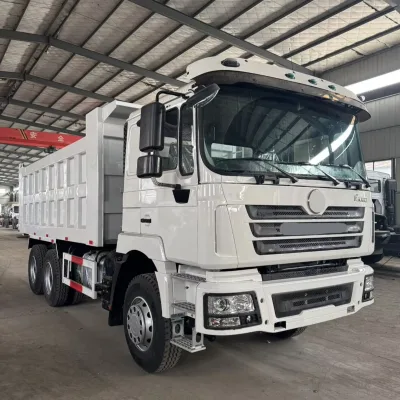


$20999.00 - $68000.00
MOQ: 1 Pieces


8X4 Drive Wheel Dump Truck Standard Diesel Dump Truck for Construction
$13800.00 - $19700.00
MOQ: 1 Pieces


China Brand Dumper Truck 4X2 4 Wheeler Tipper Truck Dump Truck with Low Price
$1300.00 - $1500.00
MOQ: 1 Sets


Customizable High Quality 12t Diesel Dump Truck 4X2 Heavy Duty Transport Truck
$13955.00 - $18545.00
MOQ: 1 Pieces

Hot Sale 4X2 Diesel Truck Left Drive Light Multi-Function Transport Truck
$13555.00 - $17855.00
MOQ: 1 Pieces


Reliable Performance 6X4 Diesel Dump Truck for Construction Industry
$25888.00 - $48888.00
MOQ: 1 Unit


Comprehensive Sourcing Guide
Strategic Sourcing Guide for Diesel 4x4 Dump Trucks
The global demand for heavy-duty off-road and construction equipment continues to drive the procurement of diesel-powered dump trucks. For buyers specifically targeting a Diesel 4x4 Dump Truck configuration, the sourcing landscape requires a nuanced understanding of technical specifications, regulatory compliance, and supply chain logistics. This guide synthesizes available market data to provide a disciplined framework for evaluating potential suppliers and products, ensuring that procurement decisions are grounded in verified facts rather than unconfirmed marketing claims.
Technical Specifications and Configuration Analysis
When evaluating a Diesel 4x4 Dump Truck, the primary focus must be on the drivetrain, engine capacity, and load-bearing capabilities. The "4x4" designation indicates a four-wheel drive system, which is critical for operations in unstable terrain, such as mining sites, construction zones, or agricultural areas where traction is paramount. Based on observed market data, diesel power units are the standard for this segment, offering the torque necessary for heavy hauling.
Buyers should verify the engine capacity and horsepower ratings against their specific operational needs. The market presents a wide spectrum of power outputs. Some units are observed with horsepower ratings between 150-250hp, suitable for lighter agricultural or sideline transportation tasks. Conversely, heavy-duty applications often require engines exceeding 450hp, with specific models noted in the range of 451-500hp. For mid-range requirements, configurations with 351-450hp are available. The engine displacement is another critical metric; data indicates that high-performance units often feature engine capacities greater than 8 liters, while others may fall within the 6-8 liter range.
The transmission type is equally significant for operational efficiency. The market offers both manual and automatic transmission options. Manual transmissions are frequently cited in heavy-duty contexts, providing direct control over gear selection in challenging conditions. Automatic transmissions, on the other hand, may be preferred for reducing operator fatigue during long haul cycles. The drive wheel configuration, while the core keyword specifies 4x4, often appears in broader listings as 6x4 or 8x4, indicating that buyers must carefully distinguish between the specific 4x4 requirement and other heavy-duty variants that might be listed under similar categories.
Compliance, Certification, and Emission Standards
Navigating the regulatory landscape is a non-negotiable aspect of sourcing heavy machinery. Compliance with international emission standards is a primary concern for buyers exporting to regions with strict environmental regulations. The observed data highlights "Euro" emission standards as a common classification. Buyers must explicitly verify which specific Euro standard (e.g., Euro 3, Euro 4, Euro 5, or Euro 6) applies to the specific unit, as this varies by manufacturer and target market.
Certification requirements also differ based on the destination country. Tire certifications are a notable area of variation in the market. Some units are listed with ECE (Economic Commission for Europe) and ISO certifications, while others may include GCC (Gulf Cooperation Council) or DOT (Department of Transportation) standards. It is imperative for the buyer to confirm that the tire design and certification match the legal requirements of the destination country. The tire design itself is often observed as "Tubeless" or "Radial," with specific dimensions like 12.00r20 being common in the heavy-duty sector.
Regarding vehicle standards, the market data references a "prod_standard" range of 40ton-120ton, suggesting that compliance with load capacity standards is a key differentiator. Additionally, the Gross Vehicle Weight (GVW) is a critical specification, with observed ranges including 50-60 tons. Buyers must ensure that the selected truck's GVW and load capacity align with local road laws and bridge weight limits. The "Condition" of the vehicle is another compliance factor; the market includes both "New" and "Used" units, each with different implications for warranty, residual value, and immediate regulatory inspection requirements.
Cost Drivers and Pricing Structures
The pricing of diesel dump trucks is influenced by a complex matrix of factors, including horsepower, load capacity, transmission type, and customization options. The observed price range in the market is substantial, spanning from $1,300 to $68,000. This wide variance indicates that the keyword "Diesel 4x4 Dump Truck" may encompass a broad spectrum of vehicle classes, from smaller agricultural utility trucks to massive heavy-duty mining haulers.
Several key drivers influence where a specific unit falls within this price range. First, the horsepower rating is a direct cost driver; units exceeding 450hp will naturally command a higher price than those in the 150-250hp range. Second, the load capacity plays a significant role. Trucks designed for loads between 31-40 tons may be priced differently than those rated for 41-50 tons or those exceeding 50 tons. Third, the transmission type affects cost, with automatic transmissions often carrying a premium over manual counterparts due to their complexity and added value.
Customization is another major cost factor. The market data confirms that customization is "Available" for many models. Buyers requesting specific cargo tank lengths (ranging from 5.3 to 6.2 meters), customized colors, or specialized dumping types (such as front lifting styles) should anticipate a price adjustment. Furthermore, the origin of the vehicle impacts cost; units originating from Shandong, China, are prevalent in the data, and shipping costs from Qingdao Port via sea freight will be a variable expense that buyers must factor into their total landed cost.
Typical Applications and Market Segments
Understanding the intended application of the Diesel 4x4 Dump Truck is essential for selecting the right configuration. The market data reveals diverse usage scenarios. One prominent segment is "Agricultural and Sideline Products Transportation," where trucks with lower horsepower (150-250hp) and smaller load capacities (31-40t) are often utilized. These vehicles are typically equipped with fence-type cargo tanks and may feature manual transmissions for cost efficiency.
In contrast, the heavy-duty construction and mining sectors require robust units. These applications often demand higher horsepower (451-500hp), larger engine capacities (>8L), and greater load capacities (41-50t or >50t). The "Dumping Type" is also application-specific; "Front Lifting Style" is noted in the data, which is suitable for specific loading mechanisms in construction sites. The "Type" of the truck, such as "Flatbed Style," is another indicator of its intended use, often preferred for transporting construction materials like steel or timber.
The "Segment" classification of "Heavy Truck" generally points to vehicles designed for long-haul, high-volume transport. These units are characterized by their durability and high load capacity. Buyers must match the truck's specifications to the terrain and material type. For instance, a 4x4 configuration is ideal for off-road conditions, whereas a 6x4 or 8x4 configuration might be more efficient for paved highway transport.
Supplier Evaluation and Origin Verification
When evaluating suppliers, buyers must prioritize transparency regarding the product's origin and manufacturing standards. The data indicates that a significant portion of these vehicles originate from China, with specific mentions of Shandong as a production hub. Qingdao Port is frequently cited as the port of departure, which is a standard logistical node for heavy machinery exports.
Suppliers should be vetted based on their ability to provide clear documentation regarding the "prod_model" and "Model Number." Specific models like "HOWO" and "F3000" are observed in the market, serving as identifiers for the manufacturer's lineup. Buyers should verify that the supplier can provide the specific model number requested and confirm that the unit matches the described specifications, such as the drive wheel configuration and engine type.
The "prod_packing" standard is another indicator of supplier professionalism. Options range from "Normal" packing to "Export Packing" and "Suitable Package." For international shipping, "Export Packing" is generally preferred to ensure the vehicle withstands sea freight conditions. Additionally, the availability of "After-Sales Service" is a critical evaluation criterion. The market data lists services such as "Video Technical Support" and "Field Installation," which are vital for buyers who may not have immediate access to specialized mechanics in their local region.
Quality Control and Procurement Considerations
Quality control in the heavy truck sector involves rigorous verification of both new and used units. For new vehicles, the "Condition" is explicitly "New," and buyers should request factory inspection reports. For used units, the condition must be thoroughly assessed, as wear and tear can significantly impact the vehicle's remaining lifespan. The "Customization" availability allows buyers to specify quality standards, but they must ensure that these customizations do not compromise the structural integrity of the cargo tank or chassis.
The "Standard" of the product is another area requiring attention. While some listings reference "As per your request," others cite specific tonnage standards like "40ton-120ton." Buyers should insist on a detailed specification sheet that confirms the vehicle meets the required load capacity and structural standards. The "Emission Standard" must also be verified against local regulations to avoid import rejection.
Long-term procurement considerations include the availability of spare parts and the reliability of the supplier's support network. The "After-Sales Service" options, such as video support and field installation, are positive indicators, but buyers should also inquire about the availability of genuine parts for the specific model. The "Payment" terms, typically "T/T" (Telegraphic Transfer), are standard in this industry, but buyers should negotiate terms that protect their interests, such as escrow services or letters of credit for large orders.
Logistics and Delivery Framework
The logistics of acquiring a diesel dump truck involve complex coordination, particularly regarding shipping and delivery. The "Shipment" method is predominantly "Sea Freight," reflecting the size and weight of the vehicles. The "Port of Departure" is often Qingdao Port, a major hub for Chinese exports. Buyers must account for the lead time associated with sea freight, which can vary based on the destination port and current global shipping conditions.
The "Fuel Tank Capacity" is another logistical consideration, with observed values such as 400 liters. This impacts the range of the vehicle and the frequency of refueling stops, which is crucial for long-distance operations. The "Cargo Tank Length," ranging from 5.3 to 6.2 meters or customizable, also affects the overall dimensions of the truck, which in turn influences transport logistics and road legality.
In conclusion, sourcing a Diesel 4x4 Dump Truck requires a meticulous approach that balances technical specifications, regulatory compliance, and logistical feasibility. By focusing on verified data points such as horsepower, load capacity, emission standards, and supplier origin, buyers can make informed decisions that align with their operational requirements and budget constraints. The diversity of the market, from agricultural utility trucks to heavy-duty mining haulers, offers ample opportunities for procurement, provided that the buyer conducts thorough due diligence on each potential supplier and product configuration.
FAQs
What is the price range for diesel 4x4 dump trucks?
The observed price range spans from 1300 to 68000 USD. This variance depends on horsepower, load capacity, and customization options like cargo tank length or color.
Which emission standards do these trucks meet?
Units commonly meet Euro emission standards. Buyers must verify the specific Euro level against local regulations to ensure compliance for import and operation.
Can I customize the cargo tank length?
Customization is available for cargo tank lengths ranging from 5.3 to 6.2 meters. Buyers can also request customized colors and specific dumping types like front lifting styles.
What is the typical load capacity range?
Load capacities observed range from 31 to over 50 tons. Specific models support capacities between 31-40t, 41-50t, or exceeding 50t depending on the configuration.
Where are these trucks manufactured and shipped from?
Products originate primarily from China, specifically Shandong. Shipments typically depart from Qingdao Port via sea freight for international delivery.
What tire certifications are available?
Tire certifications include ECE, ISO, GCC, and DOT. The tire design is often radial or tubeless, with common sizes like 12.00r20.