Source Diesel 130HP Wrecker Tow Truck for recovery, transport, and roadside service
Explore 30 available options for a Diesel 130HP Wrecker Tow Truck designed for heavy recovery, vehicle transport, and roadside assistance. Buyers can compare specifications, towing capacities, and chassis brands like JAC, SINOTRUK, and HOWO to find the right unit.
Key considerations
Products List


4X2 Wrecker Tow 5ton Flatbed Tow Truck Diesel Rescue Trailer Wrecker
$17000.00 - $22500.00
MOQ: 1 Pieces


Rescue Wrecker Truck Heavy Duty Wrecker Equipment Towing Truck Prices
$19000.00 - $22000.00
MOQ: 1 Pieces

High Quality 4*2 Heavy Duty Wheel Lift Tow Truck Wrecker Towing Truck
$15000.00 - $18000.00
MOQ: 1 Pieces


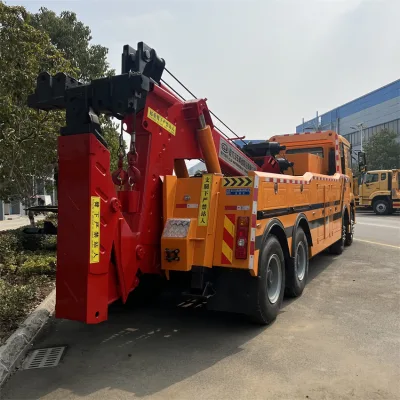
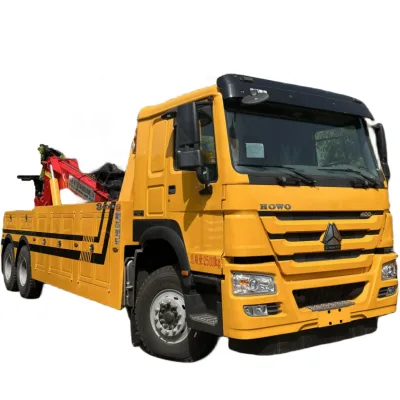
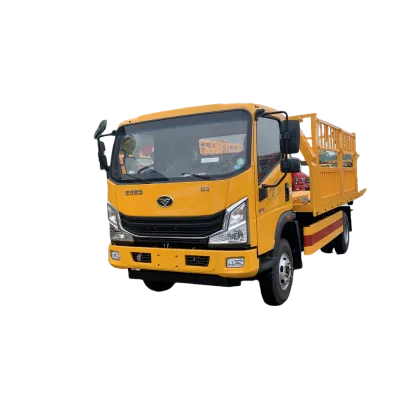

Heavy Tow Trucks 10 Ton Car Carrier Wrecker Towing Break Down Truck Winch Wrecker Truck
$18000.00 - $39000.00
MOQ: 1 Pieces

5 Ton 6 Ton 8 Ton Wrecker Tow Truck Wrecker Equipment China Wrecker Towing Truck
$15000.00 - $18900.00
MOQ: 1 Pieces


Road Tow Truck Wrecker Tow Truck with Heavy Duty Performance and Durability
$58000.00 - $60000.00
MOQ: 1 Pieces
Comprehensive Sourcing Guide
Strategic Sourcing Guide for Diesel 130HP Wrecker Tow Trucks
Understanding Technical Specifications and Chassis Variability
When sourcing a Diesel 130HP Wrecker Tow Truck, buyers must first navigate the complex landscape of technical specifications that define vehicle capability. The core keyword implies a specific powertrain configuration, yet the actual market offerings often vary significantly in chassis brand, towing capacity, and physical dimensions. Based on observed product data, the diesel fuel type is a consistent standard across the available inventory, ensuring compatibility with standard commercial fueling infrastructure. However, the horsepower rating of 130HP serves as a baseline for medium-duty operations, while the market also presents heavy-duty variants with significantly higher power outputs, such as the 370HP models observed in the dataset.
The chassis brand is a critical differentiator that influences maintenance availability and parts compatibility. The supply chain features a diverse range of manufacturers, including JAC, SINOTRUK, HOWO, Foton, DFAC, and JMC. Each of these brands offers distinct engineering philosophies regarding durability and load distribution. For instance, specific models are identified by chassis codes such as CLW5043TQZCDP and CLW5311TQZZ5, which denote specific configurations of the towing mechanism and chassis layout. Buyers must verify that the 130HP engine variant aligns with the intended duty cycle, as the dataset includes vehicles with towing tonnages ranging from 3 tons to 25 tons. A 130HP engine is typically suited for light to medium towing scenarios, whereas heavier loads require the higher torque outputs found in the 25-ton class vehicles.
Physical dimensions are equally vital for logistics and operational compliance. The observed product standards indicate a wide variance in size, with lengths ranging from approximately 6,360mm to 11,120mm and widths varying between 1,960mm and 2,500mm. The height of these units also fluctuates, with records showing heights of 2,450mm, 2,680mm, and up to 3,695mm. These dimensions directly impact the vehicle's ability to navigate urban environments, fit within standard shipping containers, and comply with road regulations in the buyer's target market. The "Naked," "Waxed," "RO-RO," and "Bulk Ship" packing methods listed in the data suggest that the physical footprint of the vehicle dictates the shipping strategy, requiring careful coordination between the vehicle's standard dimensions and the chosen transport method.
Compliance, Certification, and Regulatory Alignment
Navigating the regulatory landscape is a non-negotiable aspect of sourcing heavy-duty commercial vehicles. The dataset highlights a robust array of certifications, including ISO, CE, CCC, TSEPA, EEC, and RoHS. These certifications serve as indicators of manufacturing quality and regulatory compliance, but their applicability depends heavily on the destination market. For example, the EEC (European Economic Community) certification is essential for vehicles intended for sale or operation within Europe, while CCC (China Compulsory Certification) is a prerequisite for domestic Chinese operations. The presence of RoHS certification indicates compliance with restrictions on hazardous substances, a standard increasingly required in global supply chains.
Buyers must verify that the specific unit they are purchasing carries the certifications valid for their region. The data shows that some models list "ISOCondition:New" and "Condition:New," which confirms the manufacturing state but does not replace the need for local homologation. Furthermore, emission standards are a critical compliance factor. The observed data references "Euro" emission standards, though the specific tier (e.g., Euro 4, Euro 5, Euro 6) is not explicitly quantified in the provided text. Buyers must request specific emission documentation to ensure the vehicle meets the environmental regulations of their operating jurisdiction. Failure to verify these details can result in the vehicle being deemed non-compliant, leading to registration bans or heavy fines.
The "Overseas Office" locations listed, such as Algeria, Russia, Republic of Belarus, and Egypt, suggest that the manufacturers have established distribution networks in these regions. This presence often implies a level of familiarity with local regulatory requirements in those specific countries. However, buyers in other regions should not assume that these offices guarantee compliance in their own territories. The certification list is comprehensive, but the specific model purchased must be cross-referenced with the local authority's requirements. For instance, a vehicle certified for the Russian market may not automatically meet the safety standards required in North America or the Middle East without additional testing or modification.
Cost Drivers and Pricing Structure Analysis
The pricing structure for diesel wrecker tow trucks is influenced by a multitude of factors, including towing capacity, chassis brand, and customization options. The observed price range in the market spans from $5,339 to $136,000 USD. This vast disparity underscores the difference between light-duty, basic models and heavy-duty, fully equipped units. The lower end of the spectrum likely corresponds to the 3-ton or 5-ton towing capacity models, which may feature standard configurations and minimal customization. In contrast, the higher price points are associated with heavy-duty units, such as the 25-ton HOWO models, which boast advanced features like high lifting capacities and powerful winches.
Towing tonnage is a primary cost driver. The dataset clearly delineates models with 3-ton, 5-ton, and 25-ton capacities. A 25-ton wrecker requires a significantly more robust chassis, a more powerful engine, and a heavier-duty towing mechanism, all of which contribute to a higher manufacturing cost. Additionally, the "Max Lifting Capacity of Under Lift" and "Max Towing Capacity of Under Lift" are critical performance metrics that correlate with price. For example, a unit with a max lifting capacity of 25,000kg and a max towing capacity of 60,000kg will command a premium over a unit with a 3-ton capacity.
Customization is another significant factor affecting the final price. The product attributes explicitly state that "Customization: Available" and "Color: Custimization" (sic). Buyers who require specific body modifications, specialized towing equipment, or unique color schemes will incur additional costs. The "Made Year: 2025" indicates that the market is currently offering the latest models, which may carry a price premium due to updated technology and compliance with newer standards. Furthermore, the "Curb Weight" varies significantly, with some models listed at 3,110kg and others at 7,650kg. Heavier vehicles generally require more raw materials and more powerful engines, directly influencing the unit price.
Typical Applications and Operational Scenarios
The versatility of diesel wrecker tow trucks allows them to serve a wide range of applications, from light roadside assistance to heavy-duty recovery operations. The 130HP diesel variant is particularly well-suited for light to medium-duty tasks, such as recovering passenger vehicles, small commercial vans, and light trucks. The observed "Plate Bearing Weight" of 3 tons and "Towing Tonnage" of 3 tons or 5 tons aligns with these lighter operational scenarios. These vehicles are ideal for municipal services, private towing companies, and fleet maintenance teams that primarily deal with breakdowns of standard passenger and light commercial vehicles.
For more demanding applications, the heavier-duty models in the dataset, such as the 25-ton HOWO wrecker, are designed for industrial and highway recovery. These units are capable of handling large trucks, buses, and construction equipment. The "Max Pulling Force of Winch" of 25,000kg and "Max Towing Capacity of Under Lift" of 60,000kg indicate that these vehicles are built for extreme conditions where heavy loads must be moved over long distances or difficult terrain. The "Bearing Capacity" classifications of "Light," "Medium," and "Powered Mechanical" further define the operational envelope of each vehicle type.
The "Key Words" associated with these products, such as "Wrecker Tow Truck" and "Tow Truck," highlight their primary function. However, the specific design features, such as the "Under-Pulling Capacity" of 10,000mm, suggest specialized capabilities for under-lifting and recovery of vehicles that are stuck in ditches or off-road. The "Steering: Left Hand Drive" configuration is standard for many markets, but buyers must ensure this matches their local traffic laws. The "Fuel: Diesel" specification ensures high torque output, which is essential for the low-speed, high-load operations typical of towing and recovery work.
Supplier Evaluation and Global Reach
Evaluating a supplier for heavy-duty commercial vehicles requires a deep dive into their global presence and support infrastructure. The dataset reveals that manufacturers maintain overseas offices in key regions, including Algeria, Russia, Republic of Belarus, and Egypt. This global footprint suggests a commitment to international markets and the ability to provide localized support, including spare parts, technical assistance, and after-sales service. Buyers should prioritize suppliers with a verified presence in their region or a strong network of authorized distributors.
The "Chassis Brand" diversity, including JAC, SINOTRUK, HOWO, Foton, DFAC, and JMC, indicates that many suppliers act as integrators, offering vehicles built on various chassis platforms. This flexibility allows buyers to select a vehicle that best fits their specific operational needs and budget constraints. However, it also means that buyers must carefully evaluate the reputation and reliability of the specific chassis manufacturer, as the long-term performance of the wrecker is heavily dependent on the chassis quality.
When assessing a supplier, buyers should verify the "Condition: New" status and the "Made Year" to ensure they are receiving a current, non-refurbished unit. The "Certification" list, including ISO, CE, and RoHS, should be cross-referenced with the specific model to ensure authenticity. Additionally, the "Overseas Office" locations can serve as a proxy for the supplier's logistical capabilities. A supplier with offices in multiple countries is likely better equipped to handle complex shipping arrangements, customs clearance, and regional compliance issues. Buyers should also inquire about the "Lead Time" and "MOQ" (Minimum Order Quantity), although specific values for these metrics are not provided in the current data. Understanding the supplier's ability to meet delivery schedules is crucial for maintaining operational continuity.
Quality Control and Long-Term Procurement Considerations
Ensuring the quality of a diesel wrecker tow truck involves rigorous inspection protocols and a focus on long-term durability. The "Curb Weight" and "Bearing Capacity" are key indicators of the vehicle's structural integrity. A heavier curb weight often correlates with a more robust frame and higher load-bearing capabilities, which are essential for heavy-duty towing. Buyers should request detailed specifications on the frame material, suspension system, and braking components to verify that the vehicle can withstand the stresses of daily towing operations.
The "Packing" methods listed, such as "Bulk/RO-RO," "Container," and "Naked," offer insights into how the vehicle is prepared for transport. Proper packing is essential to prevent damage during shipping, especially for vehicles with sensitive mechanical components. Buyers should ensure that the supplier uses packaging methods that protect the vehicle from corrosion, impact, and environmental exposure during transit. The "Waxed" option, for instance, suggests an additional layer of protection against rust, which is a critical consideration for vehicles operating in coastal or humid environments.
Long-term procurement considerations extend beyond the initial purchase price. Buyers should evaluate the availability of spare parts, the cost of maintenance, and the expected service life of the vehicle. The "Brand" and "Chassis Brand" information is crucial here, as established manufacturers like SINOTRUK and JAC typically have extensive global networks for parts distribution. The "Emission Standard" compliance is also a long-term factor, as regulations are becoming increasingly stringent. A vehicle that meets current emission standards may become obsolete or face restrictions in the future if it does not meet upcoming regulations.
Finally, the "Customization" availability offers an opportunity to tailor the vehicle to specific operational needs, but it also introduces complexity. Buyers must ensure that any customizations do not compromise the vehicle's safety or structural integrity. Working with a supplier that has a proven track record of successful customization and quality control is essential. By focusing on these quality control measures and long-term factors, buyers can secure a reliable diesel wrecker tow truck that delivers value over its entire lifecycle.
Comparative Analysis of Key Vehicle Attributes
To facilitate informed decision-making, the following table summarizes the key attributes observed in the market for diesel wrecker tow trucks. This comparison highlights the variance in specifications, helping buyers identify the model that best fits their operational requirements.
| Attribute | Light/Medium Duty (e.g., 3T-5T) | Heavy Duty (e.g., 25T) | Notes |
|---|---|---|---|
| Towing Tonnage | 3T - 5T | 25T | Critical for load matching |
| Max Lifting Capacity | Not specified (Lower) | 25,000kg | Determines recovery capability |
| Max Towing Capacity | Not specified (Lower) | 60,000kg | Indicates heavy-load capability |
| Engine Power | ~130HP (Target) | 370HP (Observed) | Higher power for heavier loads |
| Dimensions (L x W x H) | ~6,360 x 1,960 x 2,680mm | ~11,120 x 2,500 x 3,695mm | Affects transport and storage |
| Curb Weight | ~3,110kg - 7,650kg | Higher (Implied) | Heavier frames for stability |
| Chassis Brands | JAC, JMC, DFAC | SINOTRUK, HOWO | Influences parts availability |
| Certifications | ISO, CE, CCC | ISO, EEC, RoHS, TSEPA | Verify for target market |
| Packing Method | RO-RO, Bulk, Container | RO-RO, Bulk | Impacts shipping cost |
This table serves as a reference point for buyers to quickly assess the differences between light and heavy-duty wrecker trucks. It emphasizes that while the core keyword "diesel 130HP" points to a specific power range, the actual market offers a spectrum of capabilities that must be carefully matched to the buyer's specific needs. By understanding these distinctions, buyers can make more precise and effective procurement decisions.
FAQs
What certifications are available for diesel 130hp wrecker tow trucks?
Available certifications include ISO, CE, CCC, TSEPA, EEC, and RoHS. Buyers must verify that the specific model carries certifications valid for their region, as EEC is essential for Europe and CCC for domestic China.
Can buyers request customization for diesel 130hp wrecker tow trucks?
Yes, customization is available for color and body modifications. Buyers requiring specific towing equipment or unique color schemes will incur additional costs, and the final price depends on the extent of these customizations.
Which chassis brands are used for diesel 130hp wrecker tow trucks?
Chassis brands include JAC, SINOTRUK, HOWO, Foton, DFAC, and JMC. Each brand offers distinct engineering philosophies, so buyers must verify that the chassis aligns with their intended duty cycle and maintenance requirements.
How does towing tonnage affect the price of diesel 130hp wrecker tow trucks?
Towing tonnage is a primary cost driver, with prices ranging from 5339 to 136000 USD. Heavier capacities like 25 tons require robust chassis and powerful engines, commanding a premium over lighter 3-ton or 5-ton models.
What are the standard dimensions for diesel 130hp wrecker tow trucks?
Dimensions vary significantly, with lengths from 6360mm to 11120mm and heights up to 3695mm. These physical footprints dictate shipping strategies, requiring coordination between vehicle size and transport methods like RO-RO or container shipping.
Where are the manufacturers of diesel 130hp wrecker tow trucks located?
The primary production origin is Hubei, China. Manufacturers also maintain overseas offices in Algeria, Russia, Belarus, and Egypt, suggesting established distribution networks in these specific regions for localized support.