Source Dielectric Low Temperature Grain Dryer for Rice Corn Wheat
Compare 30 Dielectric Low Temperature Grain Dryer options from verified Chinese manufacturers. These units support drying rice, corn, wheat, soybeans, and coffee beans with customizable capacities ranging from 10 to 500 TPD.
Key considerations
Products List


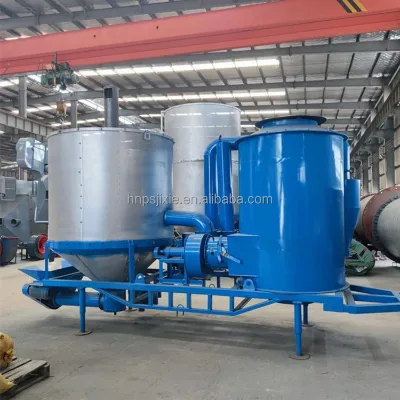
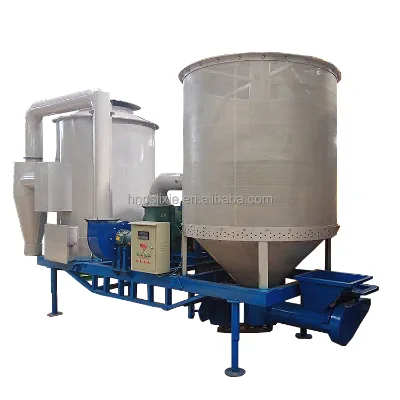


High Performance Dryer Grain Drying Equipment with Low Consumption
$29999.00 - $32999.00
MOQ: 1 Pieces


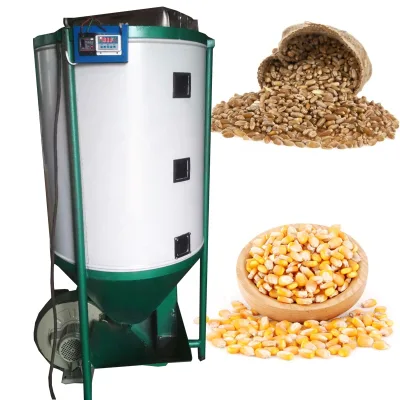


Mobile Grain Dryer with Digital Temperature Control for Paddy and Maize
$4999.00 - $14999.00
MOQ: 1 Pieces

Energy-Efficient Continuous Type Dryer for Optimal Grain Drying Performance
$18800.00 - $26000.00
MOQ: 1 Pieces

Advanced Grain Dryer with Superior Energy Efficiency and Preservation Techniques
$18800.00 - $26000.00
MOQ: 1 Pieces
Comprehensive Sourcing Guide
Strategic Sourcing Guide for Dielectric Low Temperature Grain Dryers
The global agricultural supply chain relies heavily on post-harvest preservation technologies to minimize grain loss and maintain quality. Among the various drying solutions available, the Dielectric Low Temperature Grain Dryer represents a specialized category of equipment designed to handle sensitive agricultural products with precision. For procurement professionals, sourcing these machines requires a deep understanding of their unique operational mechanics, specific technical configurations, and the rigorous compliance standards that govern their manufacture. This guide provides a comprehensive framework for evaluating suppliers and selecting equipment that aligns with specific operational needs, ensuring that the investment delivers long-term value without compromising on safety or efficiency.
Understanding Dielectric Drying Mechanics and Operational Parameters
The core distinction of a dielectric dryer lies in its heating mode, which utilizes electromagnetic energy to generate heat directly within the material rather than relying solely on convective heat transfer from the air. In the context of grain drying, this method is often categorized under "Dielectric" heating modes, offering a distinct advantage for products that require uniform drying without surface hardening. The operational environment for these machines typically operates at atmospheric pressure, ensuring that the drying process remains safe and manageable without the complexities associated with high-pressure vessels.
The ambient temperature requirements for the facility housing these dryers are critical for optimal performance. Specifications indicate that the equipment is designed to function effectively within an ambient temperature range of 5°C to 45°C. Operating outside this range could impact the efficiency of the dielectric field or the stability of the control systems. Furthermore, the drying chamber itself maintains a controlled temperature environment, typically ranging from 35°C to 80°C. This low-temperature profile is essential for preserving the nutritional value and germination potential of grains such as rice, corn, wheat, soybeans, coffee beans, and rapeseed. The drying medium is primarily air, which is heated and circulated through the grain mass, but the primary energy transfer mechanism remains the dielectric interaction.
The movement of the grain within the drying chamber is another critical factor. Observed configurations for these units often feature a "Combined" movement way, suggesting a hybrid approach that may integrate vertical and horizontal transport mechanisms to ensure even exposure to the drying field. The physical appearance of the machine is typically vertical, allowing for a compact footprint that maximizes floor space utilization in processing facilities. The condition of the machinery is consistently listed as "New," indicating that buyers should expect modern manufacturing standards and the latest technological integrations in the units they procure.
Technical Specifications and Capacity Planning
When evaluating dielectric grain dryers, capacity planning is paramount. The market offers a wide spectrum of models, ranging from small-scale units to large industrial installations. The observed product models include designations such as 15-500TPD (Tons Per Day), 10TPD, 20TPD, and 100-500TPD. These figures represent the throughput capacity, allowing buyers to match the equipment size directly to their harvest volume. For instance, a facility processing 10 tons per day would look for a model specifically rated for 10TPD, while larger commercial operations might require the 100-500TPD range.
Power consumption is a significant variable in the total cost of ownership. Specific models have been observed with power ratings such as 21.3kW and 12.45kW. These figures are indicative of the energy required to sustain the dielectric field and the auxiliary systems like fans and conveyors. Buyers must verify the voltage level compatibility, as the observed standards often align with 380-440V/50-60Hz. This is a standard industrial voltage range, but it requires careful verification against local grid infrastructure to ensure seamless integration.
The physical dimensions of the dryers vary significantly based on capacity. Standard specifications have been noted for dimensions such as 620022006700mm and 560cm220cm620cm. Additionally, the standard packaging and shipping requirements often involve wooden packing or shipping containers, with specific standards like 40HC containers mentioned for larger units. The material status of the grain being processed is typically "Bulk," and the internal contact surfaces, such as the granary material, are often constructed from 304 Stainless Steel to prevent corrosion and ensure food safety compliance.
Compliance, Certification, and Safety Standards
In the B2B procurement of agricultural machinery, certification and adherence to standards are non-negotiable. The observed data points to ISO9001.2008 as a relevant certification standard for these manufacturers. This certification indicates that the supplier has established a quality management system that meets international benchmarks for consistency and reliability. However, buyers should not assume that every listed product automatically satisfies this standard without verification. It is essential to request current certification documents and confirm that the specific model being purchased is covered under the valid scope of the certification.
Safety standards are equally critical, particularly given the high-voltage nature of dielectric heating systems. The "standard" for the product often depends on the capacity, suggesting that larger units may be subject to more stringent regulatory requirements. Buyers must verify that the equipment complies with local electrical safety codes and agricultural machinery regulations in their region. The fuel type compatibility is another area where compliance plays a role. The observed fuel types include Diesel, Natural Gas, LPG, Wood, Coal, and Biomass. The specific fuel system must be certified for safe operation in the intended environment, especially when dealing with combustible materials like wood or biomass pellets.
Cost Drivers and Economic Considerations
The pricing for dielectric grain dryers is influenced by several factors, with the observed range in the market spanning from $1,399 to $56,500. This wide disparity reflects differences in capacity, automation levels, and the complexity of the dielectric system. The minimum order quantity (MOQ) for these units is typically 1, indicating that buyers can procure single units without needing to commit to large bulk orders. However, the total cost of ownership extends beyond the initial purchase price.
Energy efficiency is a primary cost driver. While dielectric drying can be highly efficient for certain applications, the power consumption (e.g., 21.3kW) directly impacts operational expenses. Buyers should calculate the cost per ton of dried grain based on local electricity rates and the specific power rating of the selected model. Additionally, the fuel type selected can significantly alter operating costs. Biomass and wood may offer lower fuel costs in rural areas but require more complex handling systems, whereas natural gas and LPG offer convenience but may be subject to market price volatility.
Maintenance and spare parts availability are also hidden cost factors. The "Customization" availability suggests that buyers can tailor the machine to their specific needs, but this may increase the initial cost and potentially complicate the supply chain for replacement parts. The "Wooden Packing" and "Shipping Container" requirements add to the logistics costs, which must be factored into the total budget.
Supplier Evaluation and After-Sales Support
Selecting the right supplier is as important as selecting the right machine. The observed data highlights that suppliers provide "Engineers Available to Service Machinery Overseas," a critical feature for international buyers. This indicates a commitment to global support and the ability to resolve technical issues remotely or through on-site visits. The "On Site Installation Guidance" is another key service attribute that ensures the machine is set up correctly, reducing the risk of operational errors.
Buyers should evaluate suppliers based on their origin and manufacturing location. The observed data points to "China" and specifically "Hubei, China" as common origins. While this does not preclude other regions, it suggests a concentration of manufacturing in this area. Buyers should verify the supplier's track record in exporting similar equipment and their ability to navigate international trade regulations. The "Customized" color options (Green, Yellow, White) and the ability to customize the machine suggest a flexible manufacturing process, but buyers should ensure that customization does not compromise the structural integrity or safety of the unit.
Quality Control and Long-Term Procurement Strategy
Quality control in the production of dielectric grain dryers involves rigorous testing of the heating elements, control systems, and structural components. The "Condition: New" status implies that the machines are manufactured to current standards, but buyers should insist on factory acceptance tests (FAT) before shipment. These tests should verify the drying chamber temperature range (35-80°C), the ambient temperature tolerance (5-45°C), and the power consumption figures.
For long-term procurement, buyers should consider the scalability of the equipment. The "15-500TPD" and "100-500TPD" models suggest that suppliers offer a range of capacities, allowing for future expansion without replacing the entire system. The "Silo: ≥10m³" specification indicates that storage capacity is a key consideration, and buyers should ensure that the drying capacity matches the storage capacity to avoid bottlenecks.
The "Application: All" designation suggests versatility, but buyers should verify that the specific grain types they handle (Rice, Corn, Wheat, Soybeans, Coffee Beans, Rapeseed) are compatible with the dielectric settings of the selected model. The "Combined" movement way and "Vertical" appearance are design features that should be validated against the specific layout of the buyer's facility to ensure smooth material flow.
Conclusion
Sourcing a Dielectric Low Temperature Grain Dryer requires a meticulous approach that balances technical specifications, compliance requirements, and economic factors. The observed data provides a solid foundation for understanding the capabilities of these machines, from their dielectric heating mode and atmospheric pressure operation to their diverse capacity ranges and fuel options. By focusing on verified certifications like ISO9001.2008, ensuring robust after-sales support, and carefully evaluating the total cost of ownership, buyers can make informed decisions that enhance their post-harvest operations. The flexibility in customization and the availability of global engineering support further underscore the viability of these machines for modern agricultural processing. As the industry continues to evolve, maintaining a focus on quality control and long-term strategic planning will be essential for maximizing the return on investment in dielectric grain drying technology.
FAQs
How does the dielectric heating mode affect grain quality?
Dielectric heating generates heat directly within the material, preventing surface hardening. This method operates at atmospheric pressure and maintains chamber temperatures between 35 and 80 degrees Celsius to preserve nutritional value.
What capacity ranges are available for these dryers?
Available models range from 10 tons per day up to 500 tons per day. Specific configurations include 15-500TPD, 10TPD, and 20TPD options to match various harvest volumes and operational needs.
Can the machine be customized for specific grain types?
Yes, customization is available for color and specific operational requirements. The units can handle rice, corn, wheat, soybeans, coffee beans, and rapeseed with a combined movement way for uniform drying.
Which certifications do the manufacturers typically hold?
Manufacturers often hold ISO9001.2008 certification for quality management. Buyers should verify that the specific model is covered under this standard before finalizing the procurement agreement.
How is the equipment shipped and packed?
Equipment is shipped using wooden packing or shipping containers, including 40HC standards for larger units. Dimensions vary by model, with some reaching 6200 by 2200 by 6700 millimeters.
What fuel types can power the drying system?
The system supports multiple fuel types including diesel, natural gas, LPG, wood, coal, and biomass. This flexibility allows operators to select the most cost-effective energy source for their location.
Are after-sales services provided for overseas buyers?
Engineers are available to service machinery overseas, and on-site installation guidance is provided. This support ensures proper setup and operational efficiency regardless of the buyer's geographic location.