Source Diesel Dual Mass Flywheel for Cars, Tractors, and Trucks
Explore 30 listings for Diesel Dual Mass Flywheel components suitable for cars, farm machinery, and heavy-duty trucks. Buyers can compare specifications, materials, and packaging options from verified suppliers in China.
Key considerations
Products List


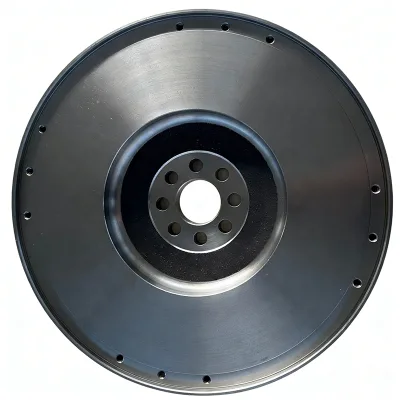

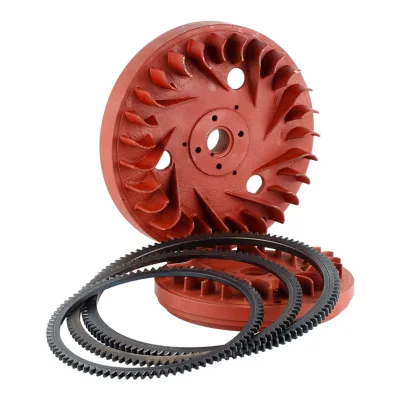
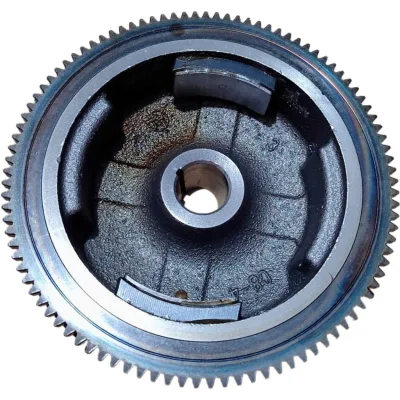

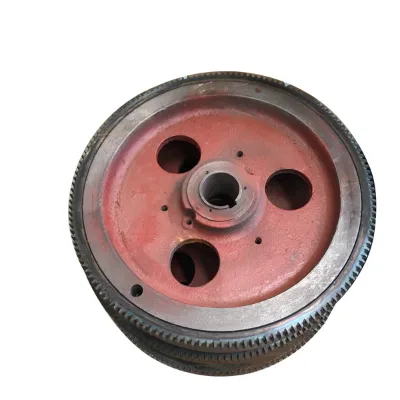
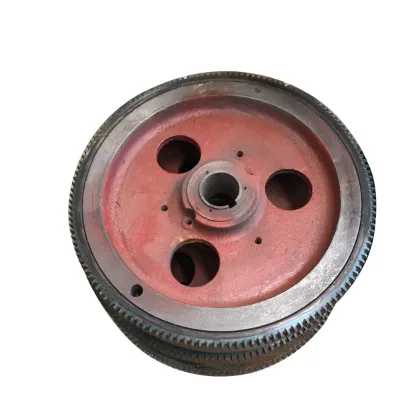

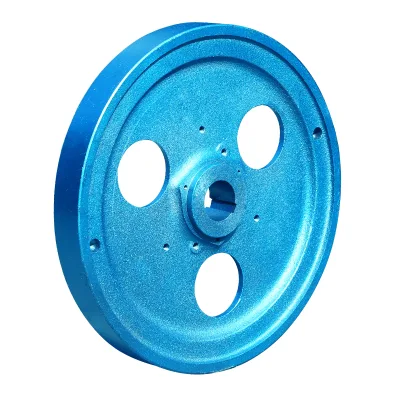
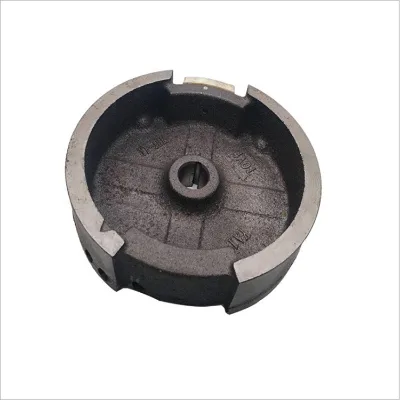
Flywheel for Ms170 Ms180 017 018
$2.79 - $4.29
MOQ: 99 Pieces
Ningbo Eastar Electromechanical Industrial Trading Co., Ltd.

Comprehensive Sourcing Guide
Strategic Sourcing Guide for Diesel Dual Mass Flywheels
The global market for diesel dual mass flywheels (DMF) is characterized by a complex interplay of mechanical precision, rigorous certification requirements, and diverse application profiles. For procurement professionals, navigating this sector requires a disciplined approach that separates verified product attributes from generic marketing claims. The following guide synthesizes available market data and technical requirements to assist buyers in sourcing reliable DMF components for heavy-duty applications.
Technical Specifications and Component Variability
When evaluating diesel dual mass flywheels, the primary technical differentiator lies in the specific model number and the engine architecture it supports. Market data indicates that these components are not universally interchangeable; they are engineered to fit specific engine families. For instance, documented listings reference specific model identifiers such as 178F, FL912/913, and 0216 0723, which correspond to distinct engine configurations. A critical observation in the current supply landscape is the variation in material composition. While some components are manufactured from steel to ensure high tensile strength, others utilize aluminum alloys, likely for weight reduction in specific non-critical mass applications or as part of a hybrid assembly.
The physical dimensions and weight are equally critical. Observed product attributes list a standard weight of approximately 10kg for certain units, though this figure must be verified against the specific engine load requirements. The manufacturing process often involves forging, a technique that enhances the grain structure of the metal, providing superior durability compared to casting for high-torque applications. Buyers must distinguish between "Standard Component" variants and custom-engineered solutions. The latter may offer specific tolerances required for heavy-duty trucks, tractors, or farm machinery, whereas standard components are designed for broader compatibility.
| Attribute Category | Observed Variations | Verification Requirement |
|---|---|---|
| Material | Steel, Aluminum, Metal | Confirm material grade against engine torque specs |
| Model Number | 178F, FL912/913, 0216 0723, 1487558 | Match exact OEM part number |
| Weight | 10kg (observed) | Verify against engine displacement and load |
| Fit Model | 178F, Universal | Cross-reference with vehicle/engine manual |
| Technics | Forging | Confirm heat treatment and hardness levels |
Compliance and Certification Standards
In the heavy machinery sector, compliance is not merely a formality but a prerequisite for operational safety and warranty validity. The supply chain for diesel flywheels is heavily influenced by certification standards. A prominent standard observed in the market is ISO/TS16949, which specifically addresses quality management systems for the automotive industry. This certification is particularly relevant when sourcing parts for cars, heavy-duty trucks, and tractors. Additionally, CE marking is frequently cited, indicating conformity with health, safety, and environmental protection standards for products sold within the European Economic Area.
It is imperative for buyers to understand that certifications are often tied to specific materials or production batches. For example, a listing might associate ISO/TS16949 with a specific steel material grade. Buyers should not assume that a supplier holding a general certification automatically qualifies their entire product line. The presence of a "Quality: Original, Copy" attribute in some listings further underscores the need for rigorous verification. Procurement teams must demand documentation that explicitly links the certification to the specific part number and material composition being purchased. Relying on generic claims without verifying the scope of the certification can lead to the acquisition of substandard components that fail under the high stress of diesel engine operation.
Cost Drivers and Pricing Dynamics
The pricing structure for diesel dual mass flywheels exhibits significant volatility, with observed ranges spanning from $0.10 to $600.00 USD. This wide disparity is driven by several factors, including the complexity of the dual-mass mechanism, the material quality, and the level of customization required. Lower-priced items often correspond to basic replacement parts or components with simpler manufacturing processes, while the upper end of the spectrum typically reflects high-performance units designed for heavy-duty trucks or specialized farm machinery.
The Minimum Order Quantity (MOQ) is another critical cost driver. Market data shows MOQs ranging from a single unit to 5,000 units, with specific listings citing thresholds of 10 pieces or 30 pieces. For small-scale procurement, the unit cost may be higher due to the lack of economies of scale. Conversely, bulk purchasing can significantly reduce the per-unit cost but requires careful inventory management. Buyers must also consider the packaging costs, which vary from neutral carton boxes to safety cartons and wooden cases. Wooden cases, often used for heavy or high-value items, add to the overall logistics cost but provide superior protection during international shipping.
Typical Applications and Operational Context
Diesel dual mass flywheels are essential components in a variety of heavy-duty sectors. The observed usage data highlights their application in cars, farm machinery, tractors, and heavy-duty trucks. The dual-mass design is specifically engineered to dampen torsional vibrations generated by the high compression ratios of diesel engines. This is crucial for protecting the transmission system and ensuring a smoother driving experience.
The specific application dictates the required specifications. For instance, a flywheel intended for a tractor may require different damping characteristics compared to one designed for a heavy-duty truck. The "Replacement Chain Saw Parts" attribute found in some listings suggests that the supply chain also serves smaller machinery, although this is less common for heavy diesel applications. Buyers must ensure that the flywheel they select matches the engine type, which is predominantly diesel in this context, but can also include gasoline variants for smaller equipment. The "Condition: New" attribute is standard for these components, as refurbished units are rarely recommended for critical drivetrain applications due to the risk of fatigue failure.
Supplier Evaluation and Origin Verification
Geographic origin plays a significant role in supplier evaluation. The majority of the observed supply originates from China, with specific hubs identified in Zhejiang, Beijing, and Hebei provinces, as well as Jinan. These regions are known for their robust manufacturing capabilities in the automotive and machinery sectors. However, the concentration of suppliers in these areas requires buyers to conduct thorough due diligence.
When evaluating a supplier, buyers should look beyond the stated origin. Key evaluation criteria include the supplier's ability to provide customization, as many listings indicate "Customization: Accept" or "Available." This flexibility is vital for sourcing parts that may not be readily available as off-the-shelf items. Additionally, the packaging method is a strong indicator of a supplier's attention to detail. Options range from simple poly bags to robust wooden cases and safety cartons. A supplier offering multiple packaging options demonstrates a capacity to handle different logistics requirements and product values.
Quality Control and Long-Term Procurement
Quality control is the linchpin of successful procurement in this sector. The presence of a "Warranty: 24 Months" in some listings suggests that reputable suppliers stand behind their products. However, buyers must verify the terms of this warranty, including coverage for defects in materials and workmanship. The distinction between "Original" and "Copy" quality is particularly important. While copy parts may offer a lower initial cost, they often lack the durability and precision of original equipment manufacturer (OEM) parts, potentially leading to higher long-term maintenance costs.
Long-term procurement considerations involve establishing a relationship with suppliers who can guarantee consistent quality over time. This includes verifying the consistency of the "Standard Component" attributes and ensuring that the "Universal" fit claims are backed by rigorous testing. Buyers should also consider the lead times and production capacity, especially when sourcing custom components. The ability to maintain a steady supply of new, high-quality flywheels is essential for minimizing downtime in fleet operations or agricultural cycles.
Conclusion
Sourcing diesel dual mass flywheels requires a meticulous approach that balances technical specifications, certification verification, and cost analysis. The market offers a wide range of options, from standard components to highly customized solutions, with significant variations in material, weight, and origin. By focusing on verified attributes such as model numbers, material grades, and specific certifications like ISO/TS16949 and CE, buyers can mitigate the risks associated with substandard parts. Ultimately, the goal is to secure components that ensure the longevity and reliability of diesel engines in demanding applications, from heavy-duty trucks to farm machinery.
FAQs
What certifications apply to diesel dual mass flywheels?
ISO/TS16949 and CE certifications are observed for these components. ISO/TS16949 specifically addresses quality management for automotive parts, while CE indicates conformity with European safety standards. Buyers must verify that these certifications explicitly cover the specific material and part number being purchased.
Which materials are used for diesel flywheels?
Steel and aluminum are the primary materials observed in the supply chain. Steel is often used for high tensile strength in heavy-duty applications, while aluminum may be utilized for weight reduction in specific assemblies. The material grade must be confirmed against engine torque specifications to ensure durability.
Can suppliers customize diesel flywheel specifications?
Yes, customization is accepted and available for many listed products. Suppliers can adjust tolerances and features to meet specific engine requirements for trucks, tractors, or farm machinery. This flexibility allows buyers to source parts that are not readily available as standard off-the-shelf items.
How does packaging vary for these components?
Packaging options range from neutral carton boxes and safety cartons to wooden cases. Wooden cases are typically used for heavy or high-value items to ensure protection during international shipping. The choice of packaging often correlates with the product value and the specific logistics requirements of the buyer.
What is the typical weight of a diesel flywheel?
An observed standard weight for certain units is approximately 10kg. This figure varies based on the specific engine load requirements and material composition. Buyers should verify the exact weight against the engine displacement and load specifications before finalizing procurement to ensure compatibility.
Which origins supply these diesel components?
The majority of supply originates from China, specifically from Zhejiang, Beijing, Hebei, and Jinan. These regions are known for robust manufacturing capabilities in the automotive and machinery sectors. Buyers should conduct due diligence on suppliers in these hubs to ensure consistent quality and reliability.
What is the minimum order quantity for these parts?
MOQs range from 1 unit up to 5000 units, with specific listings citing thresholds of 10 or 30 pieces. Lower MOQs allow for smaller procurement but may result in higher unit costs due to a lack of economies of scale. Bulk purchasing can significantly reduce the per-unit cost.