Source Diesel Engine Oil Pressure Sensor for Automotive, Industrial, and Marine Use
Find 30 available Diesel Engine Oil Pressure Sensor options with varying certifications like CE and CCC. Buyers can compare specifications including material, IP rating, and output signal type to select the right component for their needs.
Key considerations
Products List


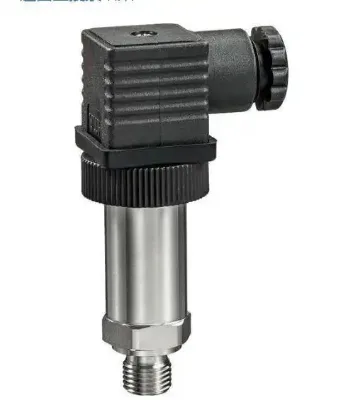
2897324 Original Diesel Engine Part Oil Pressure Sensor Pressure Switch 2897324
$10.00 - $13.00
MOQ: 1 Pieces


$8.00 - $12.00
MOQ: 10 Pieces



Comprehensive Sourcing Guide
Strategic Sourcing Guide for Diesel Engine Oil Pressure Sensors
Navigating the global market for diesel engine oil pressure sensors requires a disciplined approach that balances technical precision with rigorous supplier verification. The diesel engine sector demands components that can withstand high-vibration environments, extreme temperature fluctuations, and the corrosive nature of lubricants under pressure. For procurement professionals, the objective is to secure a supply chain that guarantees reliability without compromising on cost-efficiency or compliance. This guide outlines the critical dimensions of sourcing these sensors, drawing from observed market data and established engineering principles to provide a robust framework for decision-making.
Technical Specifications and Operational Parameters
The core functionality of a Diesel Engine Oil Pressure Sensor lies in its ability to accurately convert hydraulic pressure into an electrical signal that the engine control unit (ECU) can interpret. When evaluating potential products, buyers must scrutinize the specific output signal type, as this dictates compatibility with existing vehicle electronics. Market observations indicate a prevalence of digital output signals, which offer enhanced noise immunity and data integrity compared to analog alternatives. This is particularly critical in modern diesel engines where the ECU relies on precise, real-time data to manage fuel injection timing and turbocharger boost pressure.
Material composition is another non-negotiable technical factor. The sensor housing and internal wetted parts must be constructed from materials resistant to oil degradation and mechanical stress. Aluminum alloy and metal constructions are frequently observed in high-performance applications, offering a balance of weight reduction and structural integrity. In contrast, plastic housings may be suitable for lower-pressure auxiliary systems but require careful validation for main engine oil circuits. The sealing interface is equally vital; sensors must be compatible with standard thread sizes and capable of maintaining a leak-proof seal under the dynamic pressure spikes common in diesel operation.
Pressure ranges and accuracy grades are specific variables that vary by engine displacement and design. While some observed specifications list accuracy grades such as 1.0G, buyers should not assume this applies universally. Instead, the procurement team must verify the specific pressure range (e.g., 0-10 bar, 0-100 bar) against the engine manufacturer's requirements. The measured medium is typically liquid oil, but the sensor must also account for the presence of contaminants, temperature extremes, and potential chemical interactions with the lubricant.
Compliance, Certification, and Regulatory Standards
In the B2B automotive sector, certification is not merely a formality but a prerequisite for market entry and liability protection. Buyers must verify that suppliers possess valid certifications that align with the target market's regulatory framework. Common certifications observed in the industry include CE (Conformité Européenne) and CCC (China Compulsory Certification). The presence of CE marking suggests compliance with European health, safety, and environmental protection standards, while CCC is essential for products manufactured in or sold within China.
Beyond general safety certifications, specific environmental standards such as RoHS (Restriction of Hazardous Substances) are increasingly mandatory. These standards ensure that the sensor does not contain restricted levels of lead, mercury, cadmium, or other hazardous materials. Additionally, while ISO 9001 is a widely recognized quality management standard, buyers should treat it as a baseline expectation rather than a guarantee of product performance. The actual quality of the sensor depends on the supplier's implementation of these standards within their specific manufacturing processes, such as injection molding or precision machining.
It is crucial to distinguish between product-specific certifications and general company-level accreditations. A supplier may hold an ISO certification for their management system, but this does not automatically validate the specific model number being purchased. Procurement teams must request test reports and certification documents specific to the model, such as model 3810020AD142 or C4931169, to ensure the exact unit meets the required regulatory thresholds.
Cost Drivers and Pricing Dynamics
The pricing structure for diesel engine oil pressure sensors is influenced by a complex interplay of factors, including material costs, manufacturing complexity, and order volume. Observed market data suggests a wide price range, typically spanning from $1 to $99 USD, reflecting the diversity in sensor quality, technology, and brand positioning. Lower-priced units often utilize standard components and basic materials, suitable for aftermarket replacements or less critical applications. Conversely, premium-priced sensors may incorporate advanced digital signal processing, higher-grade alloys, and extended warranty periods.
Minimum Order Quantity (MOQ) is a significant driver of unit cost. Data indicates that MOQs can range from 1 unit to 500 units. Buyers purchasing small quantities for prototyping or emergency repairs may face higher per-unit costs but benefit from flexibility. Large-scale procurement, often required for original equipment manufacturer (OEM) contracts, allows for negotiation of lower unit prices but necessitates a commitment to higher volume orders. The packaging method also influences cost; carton packaging and box packaging are standard, but specialized protective packaging for high-value sensors may incur additional charges.
Customization is a key variable in cost estimation. While many suppliers offer standard components, the availability of customization options can significantly alter the price. Customized sensors, which may feature unique thread configurations, specific wiring harnesses, or proprietary mounting interfaces, command a premium due to the non-standard tooling and production runs required. Buyers must weigh the long-term benefits of a custom solution against the immediate cost increase, considering factors like inventory management and supply chain resilience.
Typical Applications and Industry Use Cases
Diesel engine oil pressure sensors are ubiquitous across a broad spectrum of industrial and transportation sectors. The primary application is in automotive systems, where these sensors monitor the lubrication pressure to prevent engine failure. In this context, the sensor must be robust enough to handle the high RPMs and thermal loads associated with heavy-duty trucks, buses, and off-road machinery. The "Use: Automotive" designation observed in product listings confirms this primary market, but the versatility of these sensors extends far beyond road vehicles.
Industrial machinery, including generators, pumps, and compressors, also relies heavily on these sensors. In these applications, the operating environment may be more static but often involves continuous duty cycles that demand high reliability. The "Explosion-proof Type: Flameproof" attribute observed in some listings highlights the necessity of safety-critical sensors in hazardous environments, such as oil and gas facilities or mining operations, where a spark could trigger a catastrophic event.
Furthermore, the versatility of these sensors is evident in their compatibility with various fluids. While designed primarily for oil, some models are rated for "Liquid" media and are compatible with stainless steel components like 304/316 grades, allowing for use in chemical processing or water treatment systems. The "Measuring Medium: Liquid" specification underscores this adaptability. Buyers should carefully match the sensor's rated medium and temperature range to the specific application to avoid premature failure.
Supplier Evaluation and Sourcing Strategy
Selecting the right supplier requires a multi-faceted evaluation process that goes beyond price comparison. The origin of the product is a critical factor, with observed data indicating production in China, Germany, Brazil, India, and specific regions like Zhejiang. Each origin offers distinct advantages: German engineering is often associated with high precision and durability, while Chinese manufacturing provides cost-effective scalability. However, the "prod_origin" field listing multiple countries suggests a complex global supply chain where final assembly or component sourcing may vary.
Buyers should prioritize suppliers who demonstrate transparency in their production processes. Attributes such as "Production Process: Injection" indicate the manufacturing method, which impacts the consistency and quality of the final product. Suppliers who can provide detailed information about their injection molding facilities, quality control checkpoints, and material sourcing are better positioned to deliver consistent results. Additionally, the availability of "Customization" services is a strong indicator of a supplier's technical capability and willingness to collaborate on specific project requirements.
Warranty terms serve as a proxy for supplier confidence. A "Warranty: 2 Years" offering suggests a supplier's belief in the longevity of their product. However, buyers must verify the terms and conditions of this warranty, including coverage for defects, shipping costs, and replacement procedures. The "Condition: New" attribute is a basic requirement, but buyers should also inquire about the supplier's inventory management to ensure that products are stored in conditions that prevent degradation before shipment.
Quality Control and Long-Term Procurement Considerations
Ensuring the quality of diesel engine oil pressure sensors requires a proactive approach to quality control (QC). Buyers should implement a rigorous inspection protocol that includes visual checks for packaging integrity, such as "Carton Packaging" or "Carton Box" conditions, and functional testing of the sensor's output signal. The "IP Rating" is a critical metric for environmental protection, though specific values should be verified against the application's exposure to dust and water. A sensor with an inadequate IP rating may fail prematurely in harsh operating conditions.
Long-term procurement considerations extend beyond the initial purchase. Buyers must evaluate the supplier's ability to maintain consistent supply over time, especially given the variability in "prod_model" numbers. The existence of multiple model numbers, such as "SA-3993-13" or "782/175," indicates a diverse product portfolio, but it also necessitates careful inventory management to avoid obsolescence. Standardization of models where possible can simplify the supply chain and reduce the risk of sourcing discontinued parts.
Furthermore, the "Standard Component" status of many sensors suggests that they are interchangeable with existing systems, which is beneficial for maintenance and repair. However, buyers must verify the "Standard Component" designation against the specific vehicle or machine manual to ensure compatibility. The "Screen Size: No Screen" attribute is typical for standalone sensors, but buyers should confirm that the sensor does not require a display interface for the intended application.
In conclusion, sourcing diesel engine oil pressure sensors is a complex task that demands a thorough understanding of technical specifications, regulatory requirements, and market dynamics. By focusing on verified certifications, material quality, and supplier reliability, procurement professionals can build a resilient supply chain that supports the operational needs of diesel engine systems. The observed data provides a foundation for decision-making, but the ultimate success of the procurement strategy relies on continuous verification and adaptation to the evolving needs of the industry.
FAQs
What certifications are available for diesel engine oil pressure sensors?
Common certifications include CE, CCC, and RoHS for regulatory compliance. Some products also meet ISO standards, but specific model verification is required to ensure the exact unit meets your target market's safety thresholds.
Can I request customization for the Diesel Engine Oil Pressure Sensor?
Yes, customization is available for specific requirements like thread configurations or wiring. Buyers should verify if the supplier can accommodate unique mounting interfaces or proprietary signal outputs before placing an order.
What materials are used to construct the Diesel Engine Oil Pressure Sensor?
Housings are typically made from aluminum alloy, metal, or plastic depending on the application. Aluminum alloy offers structural integrity for high-vibration environments, while plastic may suit lower-pressure auxiliary systems.
Which output signal type does the Diesel Engine Oil Pressure Sensor provide?
The sensor typically provides a digital output signal for enhanced noise immunity. This ensures data integrity for the engine control unit, which is critical for managing fuel injection and turbocharger boost pressure accurately.
How long is the warranty period for the Diesel Engine Oil Pressure Sensor?
A standard warranty period of two years is often offered for these components. Buyers must verify specific terms regarding defect coverage and replacement procedures to ensure long-term reliability for their fleet.
What is the minimum order quantity for the Diesel Engine Oil Pressure Sensor?
Minimum order quantities range from one unit to five hundred units depending on the supplier. Smaller orders suit prototyping, while larger volumes allow for negotiation of lower per-unit costs in bulk procurement.
Where are the diesel engine oil pressure sensors manufactured?
Products originate from various locations including China, Germany, Brazil, India, and Zhejiang. Each region offers distinct advantages in engineering precision or cost-effective scalability for different procurement strategies.