Source Diesel Engine Oil Filter Cap for Marine Mining Construction
Find 30 verified listings for the Diesel Engine Oil Filter Cap suitable for marine, mining, and construction applications. Buyers can compare specifications, materials like aluminum and steel, and customization options from Chinese manufacturers.
Key considerations
Products List


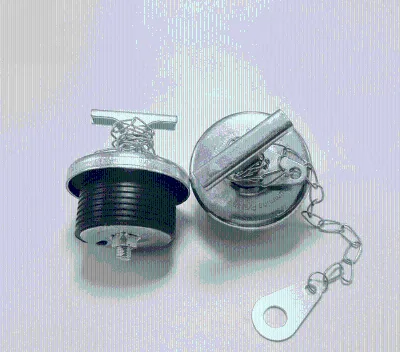


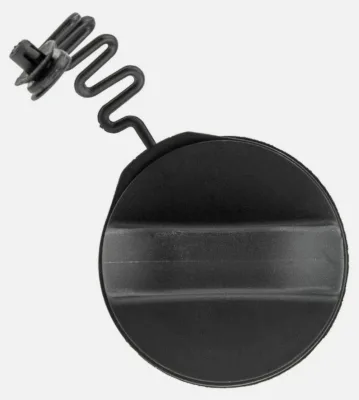

Comprehensive Sourcing Guide
Strategic Sourcing Guide for Diesel Engine Oil Filter Caps
Procuring a Diesel Engine Oil Filter Cap is a critical component of maintaining heavy-duty machinery, marine vessels, and construction equipment. The oil filter cap serves as the primary seal and structural interface for the filtration system, ensuring that engine oil is properly directed through the filter element while preventing leaks under high pressure. For procurement professionals, sourcing this specific component requires a nuanced understanding of material compatibility, manufacturing tolerances, and the diverse standards governing industrial fasteners. This guide outlines the essential factors for evaluating suppliers and selecting the correct product specifications to ensure operational reliability and cost efficiency.
Technical Specifications and Material Compatibility
The technical integrity of a Diesel Engine Oil Filter Cap depends heavily on the material selected and the manufacturing process employed. Based on current market offerings, the primary materials utilized for these components include aluminum, brass, steel, copper, and various alloys. Aluminum is frequently cited for its lightweight properties and corrosion resistance, making it suitable for applications where weight reduction is beneficial without sacrificing structural integrity. Brass and steel offer superior strength and durability, which are often required for high-pressure diesel engine environments. Additionally, plastic variants are available, typically for lower-pressure applications or specific housing requirements.
The manufacturing technique is equally vital. The observed production methods for these caps include casting and CNC machining. Casting is a common process for creating complex shapes with high volume efficiency, while CNC machining, including turning, milling, and lathe operations, provides the precision necessary for tight tolerances. Buyers must verify that the supplier utilizes CNC capabilities if the application demands high-precision fits, as the standard tolerance observed in the market is often +/- 0.005mm, though this can vary based on specific client specifications. The surface treatment process, such as anodizing, is frequently applied to aluminum components to enhance corrosion resistance and extend the service life of the cap in harsh environments.
Compliance, Certification, and Standard Verification
In the industrial sector, compliance with international standards is non-negotiable for safety and interoperability. When sourcing diesel engine oil filter caps, buyers should look for products that adhere to recognized standards such as ASME, TEMA, EN, and GB. These standards ensure that the dimensions, pressure ratings, and material properties meet established safety benchmarks. Furthermore, the product standard classification often falls under "Original" or "OEM" specifications, indicating that the part is designed to replace or match the original manufacturer's part number exactly.
Certification plays a pivotal role in supplier validation. The market data indicates that ISO certifications, specifically ISOCCC and ISO-related quality standards, are common indicators of a supplier's commitment to quality management systems. Buyers should request proof of these certifications to ensure the manufacturing facility operates under rigorous quality control protocols. It is important to note that while "Standard Component" is a common classification, the specific certification status must be verified for each batch, as not every listed product automatically satisfies every certification requirement without explicit confirmation. The presence of an ISO certification suggests that the supplier has undergone third-party audits, which reduces the risk of receiving substandard components.
Cost Drivers and Procurement Economics
The cost of diesel engine oil filter caps is influenced by several dynamic factors, including material costs, production volume, and customization requirements. The observed price range in the market spans from $0.01 to $998, reflecting the vast difference between simple plastic caps and complex, high-tolerance metal components with specialized surface treatments. Material selection is a primary cost driver; aluminum and brass are generally more expensive than plastic, while steel and titanium alloys command premium prices due to their superior mechanical properties.
Minimum Order Quantity (MOQ) is another significant economic variable. Suppliers typically offer flexible MOQs ranging from 1 piece to 5000 pieces. For small-scale maintenance or prototyping, suppliers offering an MOQ of 1 piece or 10 pieces are essential. However, for large-scale fleet maintenance or manufacturing integration, higher volume orders can significantly reduce the unit cost. Lead times also impact procurement planning, with a standard lead time of 30 days observed for batch production. Buyers must account for this duration when planning inventory replenishment to avoid production downtime. Customization, such as specific thread sizes or unique part numbers, will inevitably increase both the unit cost and the lead time compared to standard off-the-shelf components.
Typical Applications and Engine Compatibility
Diesel engine oil filter caps are utilized across a broad spectrum of industries, each with unique operational demands. The primary application sectors include machinery accessories, automotive and motorcycle accessories, marine vessels, mining equipment, and construction machinery. In marine and mining applications, the caps must withstand extreme vibration, moisture, and corrosive environments, necessitating robust materials like stainless steel or heavily anodized aluminum.
Engine compatibility is the most critical technical constraint. The caps are designed for specific engine models, and using an incorrect cap can lead to catastrophic engine failure. Common engine models associated with these components include the K19, K38, K50, Qsk50, and Nt855 series. The part number, such as 107981, is often a direct identifier for these specific engine applications. Buyers must cross-reference the engine model and the required thread size, which can vary from 38mm to 50mm, with the specific cap specifications. The product description often highlights the application as "Aluminum Oil Diesel Fuel Filter Cap," indicating its dual potential for fuel and oil systems, though the primary function remains oil filtration. Ensuring the cap matches the engine type, whether it is a diesel or gasoline engine, is paramount for safety and performance.
Supplier Evaluation and Quality Assurance
Evaluating a supplier requires a multi-faceted approach that goes beyond price comparison. The first step is verifying the supplier's location and production capabilities. Most suppliers in this sector are based in China, with specific origins noted in regions like Beijing. Buyers should confirm that the supplier has the capacity for batch production and offers customization services if unique specifications are required. The availability of free samples is a strong indicator of a supplier's confidence in their product quality and their willingness to engage in a trial period.
Quality control measures should be explicitly discussed during the evaluation process. The condition of the product is typically listed as "100% New," but buyers must verify the manufacturing process to ensure there are no defects in casting or machining. The warranty period, often observed as 6 months, provides a baseline for the supplier's confidence in the product's durability. However, a warranty is only as good as the supplier's ability to honor it. Buyers should inquire about the supplier's return policy and their process for handling defective batches. Additionally, the packaging method, which often includes polybags and carton boxes or carton cases, is essential for protecting the caps during ocean or air shipment. Proper packaging prevents damage during transit, which is a common issue in international trade.
Long-Term Procurement Considerations and Logistics
Sourcing diesel engine oil filter caps is not a one-time transaction but a long-term relationship that requires strategic planning. Logistics play a crucial role in the overall procurement cost and efficiency. The shipping methods available typically include ocean freight, air freight, and express delivery. For large orders where cost is a primary concern, ocean freight is the most economical option, though it involves longer transit times. Air freight and express services are suitable for urgent replacements or smaller, high-value orders.
Inventory management is another long-term consideration. Given the variability in MOQs and lead times, buyers should establish a safety stock level that accounts for the 30-day production lead time. This ensures that critical spare parts are always available for maintenance schedules. Furthermore, buyers should consider the standardization of parts across their fleet. By consolidating orders for specific engine models and part numbers, such as the 107981 or 42mm plastic caps, buyers can leverage volume discounts and simplify their inventory management.
The following table summarizes the key technical and logistical parameters observed in the market to assist in supplier comparison:
| Parameter | Observed Range/Options | Verification Requirement |
|---|---|---|
| Material | Aluminum, Brass, Steel, Plastic, Alloy | Confirm compatibility with engine pressure/temperature |
| Manufacturing | Casting, CNC Machining, Turning, Milling | Verify tolerance levels (e.g., +/- 0.005mm) |
| Certification | ISOCCC, ISO | Request valid certificate copies |
| Standards | ASME, TEMA, EN, GB, OEM | Ensure alignment with original equipment specs |
| MOQ | 1 Piece to 5000 Pieces | Negotiate based on volume needs |
| Lead Time | 30 Days (Standard) | Confirm for custom orders |
| Warranty | 6 Months | Review terms and conditions |
| Shipping | Ocean, Air, Express | Calculate total landed cost |
In conclusion, sourcing diesel engine oil filter caps requires a meticulous approach that balances technical specifications, compliance, and logistical efficiency. By focusing on material quality, verifying certifications, and understanding the specific engine compatibility, buyers can secure reliable components that ensure the longevity and performance of their diesel engines. The market offers a wide range of options, but the key to successful procurement lies in rigorous supplier evaluation and clear communication of technical requirements.
FAQs
What materials are used for diesel engine oil filter caps?
These caps are manufactured from aluminum, brass, steel, copper, alloy, and plastic. Material selection depends on the specific application requirements, with aluminum offering corrosion resistance and steel providing superior strength for high-pressure environments.
Which manufacturing processes are available for these components?
Available production methods include casting and CNC machining techniques such as turning, milling, and lathe operations. Buyers requiring high precision should verify that the supplier utilizes CNC capabilities to meet tight tolerance specifications.
What certifications do suppliers typically hold for these parts?
Suppliers often hold ISO certifications, specifically ISOCCC and ISO-related quality standards, to validate their quality management systems. Buyers should request proof of these certifications to ensure the manufacturing facility operates under rigorous quality control protocols.
How does the minimum order quantity affect procurement?
Minimum order quantities range from 1 piece to 5000 pieces depending on the supplier and customization needs. Small maintenance orders can start at one unit, while large fleet maintenance benefits from higher volume orders to reduce unit costs.
What is the standard lead time for batch production?
The standard lead time for batch production is typically 30 days. Buyers must account for this duration when planning inventory replenishment to avoid production downtime, especially for custom orders which may require additional time.
Can these caps be customized for specific engine models?
Customization is available for specific engine models and part numbers like 107981 or 42mm plastic caps. Buyers should verify thread sizes and specifications to ensure compatibility with engines such as the K19, K38, or Nt855 series.
What shipping methods are available for international orders?
Shipping options include ocean freight, air freight, and express delivery services. Ocean freight is economical for large orders, while air and express services are suitable for urgent replacements or smaller, high-value shipments.