Source Diesel Hydraulic Solar Ramming Machine for foundations
Find 26 Diesel Hydraulic Solar Ramming Machine units with hydraulic hammers and vibration piling capabilities. Buyers can compare specifications like engine power, weight, and hammer models from Chinese manufacturers to select the right equipment for construction projects.
Key considerations
Products List


Hydraulic Power Screw Solar Photovoltaic Hammer Ramming Pile Machine
$18888.00 - $39999.00
MOQ: 1 Pieces

Hydraulic Hammer Pile Driver Solar Ramming Piling Machine for Solar Project
$18000.00 - $26000.00
MOQ: 1 Sets

PV Portable Hydraulic Screw Photovoltaic Ramming Solar Pile Machine
$25000.00 - $42500.00
MOQ: 1 Pieces


Pile Driver Machine Hydraulic Post Driver Solar Ramming Machine on Sale
$23999.00 - $26999.00
MOQ: 1 Pieces


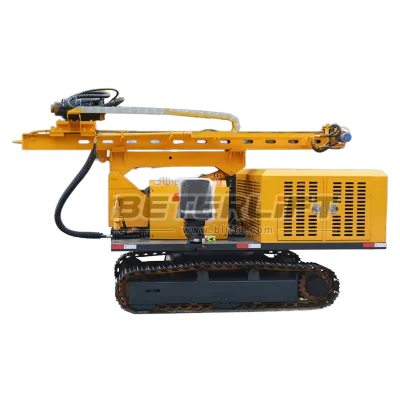

Hydraulic Photovoltaic Solar Ramming Machine Pile Driver Drilling Machine
$40000.00 - $44000.00
MOQ: 1 Sets


Hydraulic Ramming Machine Solar Pile Driver Machine for Construction Bore Piling Rig Price
$22800.00 - $25800.00
MOQ: 1 Sets

Solar Pile Installation Machine for Ramming PV Piles Ramming Solar Post
$32000.00 - $38000.00
MOQ: 1 Sets
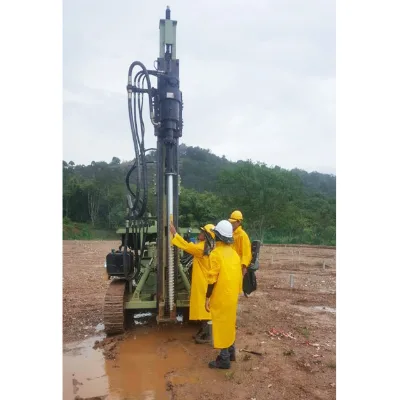
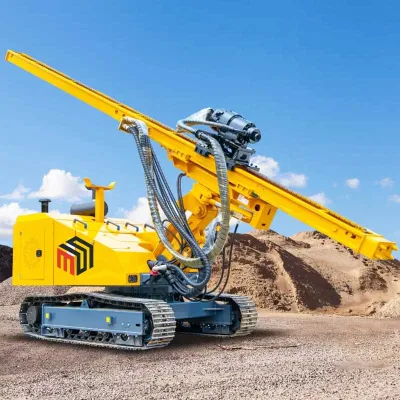

Hot Sell Solar Ramming Machines of Solar Systems with Superior Photovoltaic Pile Driver
$9800.00 - $25000.00
MOQ: 1 Pieces

Ground Solar Cleaning Machine with Diesel Drive and Hydraulic Device
$50745.77 - $59700.77
MOQ: 1 Pieces
Comprehensive Sourcing Guide
Strategic Sourcing Guide for Diesel Hydraulic Solar Ramming Machines
The procurement of heavy construction machinery, specifically diesel hydraulic solar ramming machines, requires a disciplined approach that balances technical performance with regulatory compliance and total cost of ownership. In the current global market, buyers often encounter a diverse array of specifications under similar product names. The core keyword "Diesel Hydraulic Solar Ramming Machine" suggests a convergence of power sources and operational mechanisms. However, a rigorous analysis of available product data reveals that the primary power source for the specific models observed is diesel, with hydraulic systems driving the ramming action. The term "solar" in the search context may refer to specific operational environments or marketing terminology, but the factual data confirms the reliance on diesel engines for power generation. This guide outlines the critical factors for sourcing these machines, ensuring that procurement decisions are grounded in verified specifications rather than unverified marketing claims.
Technical Specifications and Operational Capabilities
Understanding the technical architecture of a diesel hydraulic ramming machine is the first step in the sourcing process. The observed product data indicates a high degree of standardization in the hydraulic systems used for these machines. The core mechanism relies on a hydraulic hammer, with models such as the HWL400R and HWL500R featuring hydraulic hammer models available in 75mm, 85mm, or 100mm options. This modularity allows buyers to select a configuration that matches the specific pile diameter requirements of their project. The hydraulic system pressure is consistently observed at 22 MPa across multiple models, providing a stable baseline for operational force.
The powertrain is a critical differentiator. The data confirms that these units are powered by diesel engines, with specific models citing an engine power of 85 kW and a rated speed of 2600 R/Min. Another variant lists a motor power of 75 kW, while a third model specifies a 11 kW motor, likely for auxiliary functions or a different class of machine. The walking motor torque is a vital specification for mobility, with observed values under 11,500 N.M. The machines are designed as vibration piling machines, utilizing a hydraulic system to generate the necessary impact frequency, which ranges from 350 to 800 BMP (blows per minute). This frequency range is essential for penetrating various soil types efficiently.
Mobility is another key technical consideration. The machines are equipped with tracks, with a track shoe width of 350 mm and a total of 42 sections per track. The traveling speed is recorded at 3 km/h, which is typical for heavy piling equipment that requires stability over speed. The vehicle weight varies significantly between models, ranging from 6,200 kg to 7,700 kg, directly impacting the ground pressure and the type of terrain the machine can navigate. The frame rotation angle is a standard 360 degrees, allowing for versatile operation without repositioning the entire chassis frequently.
Compliance, Certification, and Regulatory Standards
In the international procurement of heavy machinery, compliance with international standards is non-negotiable. The product data explicitly lists ISO 9001 and CE certifications for several models. ISO 9001 indicates that the manufacturer adheres to a quality management system, ensuring consistent production standards. The CE marking signifies conformity with health, safety, and environmental protection standards for products sold within the European Economic Area. Additionally, some product listings include EPA certification, which is crucial for machines intended for use in markets with strict emissions regulations, such as North America.
However, buyers must exercise caution when interpreting certification claims. One data point lists "ISO 9001:Condition:New" alongside the certification field, which appears to be a data entry anomaly rather than a standard certification type. It is imperative for the buyer to request valid, up-to-date certification documents directly from the supplier rather than relying solely on product page listings. The physical dimensions of the machines also vary, with standard sizes listed as 567019802375mm, 430021507600mm, and 1011024703350mm. These dimensions are critical for logistics planning, particularly regarding container shipping and site access. The origin of these machines is consistently listed as China, with specific mentions of Shandong province, a major hub for heavy machinery manufacturing.
Cost Drivers and Pricing Dynamics
The pricing of diesel hydraulic ramming machines is influenced by a complex interplay of factors, including engine power, hydraulic system capacity, and the specific configuration of the hammer. The observed price range in the market is substantial, spanning from 5,900 USD to 59,700.77 USD. This wide variance suggests that the "Diesel Hydraulic Solar Ramming Machine" category encompasses entry-level units, mid-range standard models, and high-specification heavy-duty machines. The lower end of the price spectrum likely corresponds to machines with lower engine power (e.g., 11 kW auxiliary motors) or smaller hydraulic capacities, while the upper end reflects full-scale diesel engines with 85 kW power and comprehensive hydraulic systems.
The minimum order quantity (MOQ) for these machines is observed to be 1 unit, indicating that buyers can procure single units for specific projects without needing to commit to bulk orders. This flexibility is advantageous for small to medium-sized contractors. However, the total cost of ownership extends beyond the initial purchase price. Buyers must consider the cost of the hydraulic hammer model (75mm vs. 100mm), the weight of the machine (which affects transport costs), and the fuel consumption of the diesel engine. The 85 kW engine models will inherently have higher fuel costs compared to smaller variants, but they offer greater power for demanding applications.
Typical Applications and Operational Environments
These machines are designed primarily for piling operations in construction, infrastructure, and civil engineering projects. As vibration piling machines, they are suitable for driving piles into various soil conditions, including clay, sand, and gravel. The 360-degree frame rotation allows for precise placement of piles in confined spaces or complex site layouts. The hydraulic hammer flow rate, observed between 50 and 110 L/Min, provides the necessary fluid volume to sustain high-frequency impacts, making these machines effective for deep foundation work.
The specific applications depend heavily on the vehicle weight and track configuration. Heavier models, such as the 7,700 kg unit, are better suited for soft ground or heavy-duty piling where stability is paramount. Lighter models, around 6,200 kg, may be preferred for sites with weight restrictions or where mobility on harder surfaces is required. The noise level is another factor; while some data points indicate "Without Noise," others list "With Noise." In reality, all diesel hydraulic machines generate noise, and the "Without Noise" designation likely refers to specific noise-reduction features or a marketing distinction. Buyers working in urban environments or residential areas must verify the actual decibel levels and ensure the machine meets local noise ordinances.
Supplier Evaluation and Verification Protocols
Evaluating a supplier for diesel hydraulic machinery requires a rigorous due diligence process. The product data indicates that the origin is China, specifically Shandong. While this region is a known manufacturing hub, buyers should not assume quality based solely on location. The presence of ISO 9001 and CE certifications is a positive indicator, but these must be verified through official channels. Buyers should request copies of the certificates and check their validity dates.
When assessing a supplier, the focus should be on the transparency of their technical data. The observed inconsistencies in data formatting, such as the "ISO 9001:Condition:New" entry, suggest that some product listings may be aggregated or poorly managed. A reliable supplier will provide clear, consistent, and detailed technical manuals. The packaging standards are listed as "Standard Packaging" or "Container," which implies that the machines are prepared for international shipping, but buyers should confirm the specific packaging details to ensure protection during transit. The lead time and delivery terms are not explicitly provided in the data, so these must be negotiated directly with the supplier.
Quality Control and Performance Verification
Quality control is essential to ensure that the purchased machine meets the required performance standards. The hydraulic system pressure of 22 MPa and the impact frequency of 350-800 BMP are key performance indicators. Buyers should verify these parameters through factory acceptance tests (FAT) before shipment. The gear pump displacement, listed as 40+40+25 ml/R for some models, indicates a complex hydraulic circuit that requires precise manufacturing tolerances. Any deviation from these specifications could lead to reduced efficiency or premature failure.
The condition of the machine is listed as "New" in the data, but buyers must confirm the manufacturing date and ensure that the machine has not been stored for extended periods, which can degrade hydraulic seals and batteries. The "Standard Packing" mentioned in the data should be inspected upon arrival to ensure that the machine has not sustained damage during transit. For long-term reliability, the buyer should also inquire about the availability of spare parts, particularly for the hydraulic hammer and the walking motor, which are high-wear components.
Long-Term Procurement and Maintenance Considerations
Procuring a diesel hydraulic ramming machine is a long-term investment that requires careful planning for maintenance and lifecycle management. The diesel engine, with its rated speed of 2600 R/Min, requires regular maintenance, including oil changes, filter replacements, and cooling system checks. The hydraulic system, operating at 22 MPa, is sensitive to contamination and requires high-quality hydraulic fluid and regular filtration. The walking motor, with a reduction ratio of 1:54.4, is a critical component for mobility and should be inspected for leaks and wear.
Buyers should also consider the environmental impact of the machine. While the data mentions EPA certification for some models, the diesel engine will still produce emissions. Buyers operating in regions with strict environmental regulations should ensure that the machine meets the latest emission standards. The "solar" aspect of the keyword may imply a potential for hybrid or solar-assisted systems in the future, but current data confirms the reliance on diesel. Therefore, planning for fuel storage and management is essential for the operational site.
Comparative Analysis of Key Models
To assist in the decision-making process, the following table summarizes the key specifications of the observed models. This comparison highlights the differences in weight, power, and dimensions, which are critical for selecting the right machine for a specific project.
| Specification | Model HWL400R | Model HWL500R | Model HW400R |
|---|---|---|---|
| Engine Power | 85 kW | Not Specified | 75 kW |
| Vehicle Weight | 6,200 kg | 7,700 kg | 6.2 t |
| Hydraulic Pressure | 22 MPa | 22 MPa | Not Specified |
| Dimensions (mm) | 567019802375 | 430021507600 | 1011024703350 |
| Hammer Model | 75/85/100 mm | 75/85/100 mm | 75/85/100 mm |
| Certification | ISO 9001, CE, EPA | ISO 9001, CE | Not Specified |
| Origin | China | China | Shandong, China |
This table illustrates that while the hammer options are consistent across models, the physical dimensions and weight vary significantly. The HWL500R is notably heavier and has a different dimensional profile, suggesting it is designed for more demanding applications. The HW400R has a much larger footprint, which may be a consideration for site logistics. Buyers must align these specifications with their specific project requirements to ensure optimal performance and efficiency.
In conclusion, sourcing a Diesel Hydraulic Solar Ramming Machine requires a meticulous approach that prioritizes verified technical data, compliance with international standards, and a clear understanding of the total cost of ownership. By focusing on the core specifications such as engine power, hydraulic pressure, and vehicle weight, buyers can make informed decisions that ensure the longevity and effectiveness of their investment. The wide price range and varying specifications underscore the importance of detailed supplier evaluation and quality control to mitigate risks and achieve project success.
FAQs
What certifications do these diesel hydraulic solar ramming machines have?
These machines typically hold ISO 9001 and CE certifications, with some models also featuring EPA compliance. Buyers should verify valid certificates directly from the supplier rather than relying solely on product listings.
Which hydraulic hammer models are available for these piling machines?
The hydraulic hammer models are available in 75mm, 85mm, or 100mm options to match specific pile diameter requirements. This modularity allows buyers to select configurations that fit their project's soil and depth needs.
How much does a Diesel Hydraulic Solar Ramming Machine cost?
The observed price range spans from 5,900 USD to 59,700.77 USD depending on engine power and specifications. Lower prices often correspond to smaller auxiliary motors, while higher prices reflect full-scale diesel engines with 85 kW power.
Can I order a single unit of this Diesel Hydraulic Solar Ramming Machine?
Yes, the minimum order quantity is 1 unit, allowing procurement of single machines for specific projects. This flexibility is advantageous for small to medium-sized contractors who do not need to commit to bulk orders.
What is the engine power rating for these diesel hydraulic solar ramming machines?
Specific models cite an engine power of 85 kW with a rated speed of 2600 R/Min. Other variants may list a motor power of 75 kW or 11 kW for auxiliary functions depending on the machine class.
Where are these diesel hydraulic solar ramming machines manufactured?
The products originate from China, with specific mentions of the Shandong province as a manufacturing hub. Buyers should request detailed origin documents to confirm the specific factory location and production standards.