Source Diesel Injector Diagnostic Tool for repair, testing, and calibration
Compare 30 Diesel Injector Diagnostic Tool options from verified Chinese suppliers. Buyers can evaluate specifications like rail pressure, fuel temperature, and update methods to find the right equipment for repair, testing, and calibration tasks.
Key considerations
Products List

Universal Testing Machine Measuring Instruments Diesel Pump Injector Car Diagnostic Tool
$18285.71 - $21000.00
MOQ: 1 Pieces


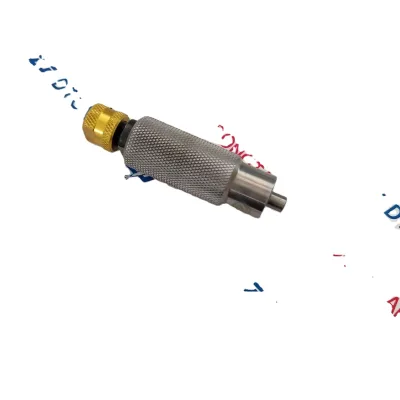


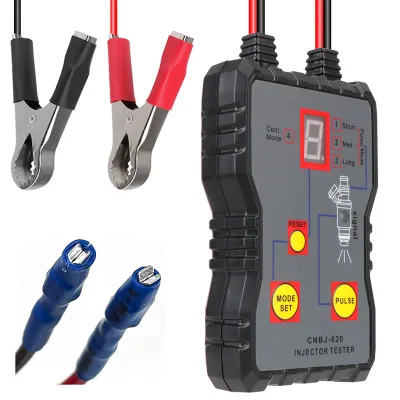


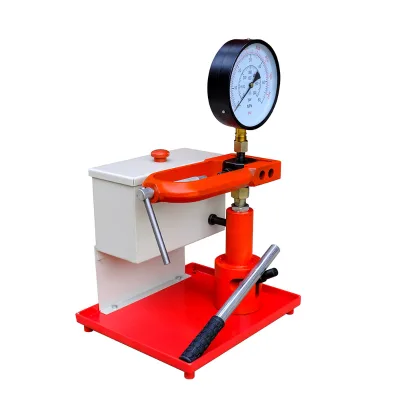


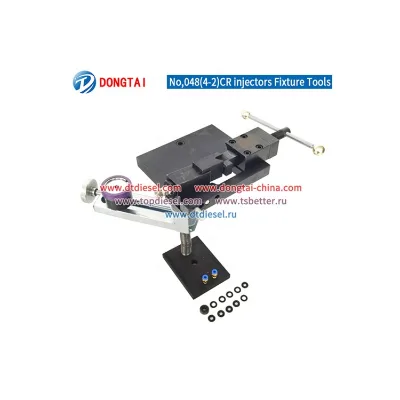


Comprehensive Sourcing Guide
Diesel Injector Diagnostic Tool Sourcing Guide
Procuring a Diesel Injector Diagnostic Tool requires a nuanced understanding of the diverse hardware and software capabilities available in the current market. These devices range from simple mechanical measuring tools to complex, computerized bench test systems capable of simulating real-world engine conditions. Buyers must distinguish between handheld scanners used for on-vehicle diagnostics and stationary bench units designed for detailed component analysis and repair verification. The selection process hinges on aligning the specific testing requirements of your workshop or manufacturing line with the technical specifications offered by suppliers.
The market presents a wide spectrum of options, with observed listing prices ranging from approximately $1 to over $21,000 USD. This vast disparity reflects differences in functionality, build quality, and technological sophistication. Lower-cost items may include basic valve measuring tools or simple engine analyzers, while high-end units feature advanced fuel pressure simulation, precise flow measurement, and integrated software diagnostics. Understanding these distinctions is critical for budgeting and ensuring that the purchased equipment meets the operational demands of your specific diagnostic workflows.
Product Scope and Observed Listing Signals
The product landscape includes specialized equipment such as car fault detectors, engine analyzers, and dedicated injector valve measuring tools. Some listings highlight devices with specific model numbers like JZ-825 or JZ-x15, indicating standardized industrial designs often originating from manufacturing hubs in China. These units are frequently described as new condition items with customizable options, suggesting that suppliers may offer OEM support or tailored configurations for bulk buyers. The presence of both "Nonstandard" and "Standard" classifications indicates that buyers should carefully review whether a device is a generic off-the-shelf unit or a specialized piece of machinery.
Listing signals also reveal significant variation in physical and operational attributes. For instance, some high-capacity bench test systems boast substantial power outputs, such as 22 Kw, and operate on 3-Phase 4-Wire 380V power supplies, requiring robust electrical infrastructure. In contrast, other devices may be lighter, portable units with lower power requirements. Buyers should note that packaging varies from wooden cases to cardboard boxes, which impacts shipping costs and handling procedures. Additionally, the origin of these tools is frequently listed as cities like Wuxi or regions like Shandong, providing context for supply chain logistics and potential lead times.
Technical Specifications to Verify
When evaluating diesel injector diagnostic tools, precise technical parameters are paramount for ensuring compatibility with your existing equipment and testing protocols. Key specifications to verify include rail pressure ranges, with some advanced units capable of simulating pressures up to 2700 Bar with a precision of 5 Bar. This level of accuracy is essential for testing modern high-pressure common rail systems. Additionally, fuel temperature control capabilities, such as maintaining a range of 38-42 C, are critical for simulating realistic operating conditions during injector performance tests. Buyers must confirm that the device’s output and sensor types, such as gear flow sensors, align with the specific injector models they intend to service.
Software and connectivity features are equally important for modern diagnostic workflows. Many devices now support internet-based updates, ensuring that the tool remains compatible with the latest vehicle models and software patches. Operating systems like Android, paired with quad-core processors and substantial RAM and ROM capacities, facilitate smooth operation of diagnostic applications. Features such as auto-scan, manual input, and vehicle selection by area enhance usability. Buyers should also verify the protection class, with IP55 being a common standard for industrial environments, and ensure that the device’s dimensions and weight, such as 1200 Kg for larger units, fit within their workshop space and handling capabilities.
Compliance and Safety Documentation
Ensuring that diagnostic equipment meets relevant safety and quality standards is a critical step in the procurement process. Buyers should request documentation verifying certifications such as ISO and CE, which indicate adherence to international quality management and European safety directives. These certifications are particularly important for equipment that involves high voltages, high-pressure fluid systems, or complex electronic components. Without proper certification, there is a risk of operational hazards, legal liabilities, and incompatibility with international safety regulations.
In addition to certifications, buyers must verify the warranty terms and after-sales support provided by the supplier. A standard warranty period, such as six months, offers a baseline level of protection against manufacturing defects. However, for high-value equipment, buyers should negotiate extended warranty options or comprehensive service agreements. It is also essential to confirm the availability of technical support, spare parts, and software updates. Clear documentation regarding the device’s standard compliance, whether it is classified as standard or nonstandard, helps in assessing its suitability for specific regulatory environments and industry applications.
Cost Drivers and Commercial Terms
The cost of diesel injector diagnostic tools is influenced by several factors, including the complexity of the hardware, the sophistication of the software, and the level of customization offered. High-capacity units with precise pressure control and advanced diagnostic software command higher prices, reflecting their specialized capabilities. Buyers should also consider the minimum order quantity (MOQ) requirements, which can range from single units to thousands of pieces. Bulk purchases may offer economies of scale, but they also require careful inventory management and storage planning.
Commercial terms such as payment methods, shipping arrangements, and lead times significantly impact the total cost of ownership. Buyers should clarify whether the quoted price includes packaging, such as wooden cases or cardboard boxes, and whether it covers international shipping and insurance. For customized orders, additional costs may apply for OEM branding or specific configuration changes. It is advisable to request a detailed breakdown of costs, including any potential tariffs or duties, to avoid unexpected expenses. Clear communication regarding these terms ensures a transparent and predictable procurement process.
Supplier Qualification and Quality Control
Selecting a reliable supplier is crucial for obtaining high-quality diagnostic tools and ensuring long-term operational success. Buyers should verify the supplier’s manufacturing capabilities, including their production facilities in regions like Wuxi or Shandong, and their ability to maintain consistent quality standards. Requesting samples or conducting factory audits can provide valuable insights into the supplier’s quality control processes and production capacity. Additionally, checking the supplier’s reputation and history in the industry can help assess their reliability and commitment to customer satisfaction.
Quality control measures should be clearly defined and agreed upon before placing an order. This includes specifications for incoming material inspections, in-process quality checks, and final product testing. Buyers should ensure that the supplier provides detailed test reports and performance data for each unit, particularly for critical parameters like rail pressure precision and fuel temperature control. Establishing a clear protocol for handling defects or non-conforming products is also essential. A robust quality control framework minimizes the risk of receiving faulty equipment and ensures that the diagnostic tools meet the required performance standards.
Long-Term Procurement Checks
Sourcing diesel injector diagnostic tools is not a one-time transaction but an ongoing process that requires continuous monitoring and evaluation. Buyers should regularly review the performance of the equipment in their operations, assessing factors such as accuracy, reliability, and ease of use. Feedback from technicians and operators can provide valuable insights into any issues or areas for improvement. Additionally, staying informed about advancements in diagnostic technology and industry standards helps buyers make informed decisions about future upgrades or replacements.
Maintaining strong relationships with suppliers is also key to long-term procurement success. Regular communication regarding market trends, new product developments, and potential supply chain disruptions can help buyers stay ahead of challenges. Buyers should also periodically re-evaluate their supplier base to ensure they are getting the best value and quality. By implementing a structured approach to long-term procurement checks, buyers can optimize their investment in diagnostic tools and ensure that their operations remain efficient and competitive.
FAQs
What is the rail pressure precision of the Diesel Injector Diagnostic Tool?
The rail pressure precision is 5 Bar. This tool supports a rail pressure range of 0 to 2700 Bar and includes a gear flow sensor for accurate measurement during testing operations.
Can the Diesel Injector Diagnostic Tool be customized for specific needs?
Yes, customization is available for this equipment. Buyers can request OEM support and specific configurations, with the product model JZ-825 or JZ-x15 serving as a base for tailored solutions.
How is the Diesel Injector Diagnostic Tool updated via the internet?
The device supports update methods by Internet to ensure current diagnostic capabilities. It features an Android operating system with a Quad Core 1.8GHz CPU and 64G ROM for efficient software management.
Which certification does the Diesel Injector Diagnostic Tool hold?
The tool holds ISO and CE certifications. These standards ensure the equipment meets international safety and quality requirements for use in automotive testing and repair environments.
What is the net weight of the Diesel Injector Diagnostic Tool?
The net weight of the unit is 1200 Kg. This substantial weight reflects the robust steel body construction and the inclusion of large fuel and oil tanks for extended operation.
How does the Diesel Injector Diagnostic Tool control its speed?
Speed control is managed through a frequency converter mode. This system ensures stable operation while the machine dimensions of 2310*1400*1830 mm accommodate the internal components effectively.
What is the warranty period for the Diesel Injector Diagnostic Tool?
The warranty period is 6 months for this product. Buyers receive protection for the injector valve measuring tool and its associated components against manufacturing defects during this timeframe.