Source Diesel Rotary Cultivator for Farming, Tilling, and Weeding
Find 30 Diesel Rotary Cultivator options from verified suppliers in China. Compare models like 1GZL-120-10A and PT7HP with varying drive types and traction methods to match your soil preparation needs.
Key considerations
Products List


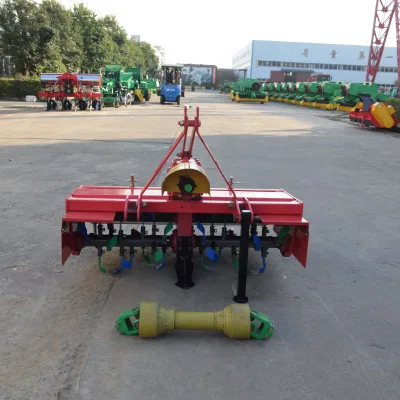
Multi-Fuction Cultivator Tiller, Rotary Cultivator, Diesel Power Tiller
$345.00 - $500.00
MOQ: 50 Pieces


High Quality Cultivators Mini Tiller Rotary Tilling Mini Rotary Diesel Tillers Cultivator
$750.00 - $2000.00
MOQ: 1 Pieces


Comprehensive Sourcing Guide
Strategic Sourcing Guide for Diesel Rotary Cultivators
Understanding Technical Specifications and Drive Systems
When sourcing a Diesel Rotary Cultivator, the primary objective is to align the machine's mechanical architecture with specific soil conditions and operational requirements. The core functionality of these units relies on a robust power source, typically diesel, which drives the rotary tines through various transmission mechanisms. Based on available market data, the drive types observed in this category include belt drive, chain drive, and gear drive systems. Each configuration offers distinct advantages regarding torque transmission and maintenance intervals. Gear drive systems are frequently noted for their durability in heavy-duty soil preparation, while chain drives may offer a balance of cost and flexibility in lighter applications. Belt drives are also present, often utilized in scenarios where shock absorption is critical to protect the engine from sudden soil resistance spikes.
The power source is a definitive factor in the selection process. While some units are tractor-mounted, utilizing the tractor's power take-off (PTO), others are self-propelled or designed with integrated diesel engines. The distinction between "Tractor" power sources and "Diesel" power sources is crucial for procurement planning. A tractor-mounted unit requires a compatible PTO shaft and horsepower rating on the pulling vehicle, whereas a standalone diesel unit requires its own fuel management and engine maintenance schedule. Furthermore, the arbor configuration significantly impacts the machine's performance. Buyers must evaluate whether a horizontal axis or a vertical shaft configuration is more suitable for their terrain. Horizontal axis designs are common in rotary tillers for broad soil cultivation, while vertical shaft configurations may be preferred for specific ditching or specialized tilling operations.
The operational mode is another critical specification. These machines are categorized as arable machinery and soil preparation machinery, designed for continuous running operations. The traction type varies, with options including hanging, semi-hanging, and traction configurations. A hanging or semi-hanging unit is typically suspended from a tractor, relying on the tractor's weight for stability, while a traction-type unit may have its own drive wheels or rely on the rotary action for forward movement. Understanding these mechanical nuances ensures that the purchased equipment matches the intended farming policy, such as dry cultivating machinery, which requires specific soil interaction capabilities.
Compliance, Certification, and Safety Standards
In the global B2B market for agricultural machinery, compliance with international safety and quality standards is non-negotiable. When evaluating potential suppliers, buyers must verify the presence of recognized certifications. The market data indicates that CE certification is a common standard observed for these products. Additionally, some listings reference EU and ECE certifications, which are essential for accessing markets within Europe and regions that align with European Economic Community standards. The absence of these certifications can lead to customs delays, legal liabilities, or rejection of the machinery in regulated markets.
Beyond certifications, the physical standards and packaging requirements provide insight into the manufacturer's attention to detail. Standard dimensions for packaging vary, with observed examples including wooden cases, iron frame boxes, and carton boxes. Specific packing standards have been noted, such as dimensions of 1.471.10.65 meters or 1.2CBM volume for certain models. These figures are not universal but serve as benchmarks for logistics planning. Buyers should verify that the packaging standard matches the shipping requirements of their destination to prevent damage during transit. The origin of the machinery is also a key compliance factor. Many units are manufactured in Shandong, China, specifically in regions like Dezhou. While this location is a known hub for agricultural machinery, buyers must ensure that the specific factory holds the necessary export licenses and adheres to the trade regulations of the importing country.
The "many size and type" standard mentioned in product descriptions suggests a high degree of customization. However, this flexibility should not compromise safety. Buyers must confirm that any custom modifications maintain the structural integrity required for the machine's rated power and operational speed. The certification status should be explicitly checked against the specific model number, such as the 1GZL-120-10A or PT7HP, to ensure that the certification applies to the exact configuration being purchased.
Cost Drivers and Pricing Dynamics
The pricing for diesel rotary cultivators exhibits a wide range, observed between 8 and 4900 USD. This significant variance is driven by several factors, including the power source, drive system complexity, and the level of customization. A unit priced at the lower end of the spectrum may be a basic, manually operated or simple tractor-mounted implement with a belt drive system. In contrast, higher-priced units likely feature integrated diesel engines, gear drive systems, and advanced arbor configurations designed for heavy-duty, continuous running operations.
The Minimum Order Quantity (MOQ) is another critical cost driver, with observed ranges spanning from 1 to 100 units. Buyers seeking small quantities can often find suppliers accepting small orders, which is beneficial for testing the market or for smaller farms. However, purchasing in bulk may unlock better pricing tiers, though this must be weighed against storage and capital tie-up costs. The "Small Orders: Accepted" attribute indicates that the market is flexible, but buyers should verify if the price per unit increases significantly for single-unit purchases compared to bulk orders.
Customization availability is a double-edged sword regarding cost. While "Customization: Available" allows buyers to tailor the machine to specific needs, such as specific packing requirements or model numbers like GR135 or LS-walking tractor, it often incurs additional setup fees or longer lead times. The standard models, such as those with a 1000300500mm standard dimension, are likely more cost-effective due to economies of scale. Buyers must balance the need for specific features against the budget constraints, ensuring that the total cost of ownership, including maintenance and fuel, remains within acceptable limits.
Typical Applications and Operational Versatility
Diesel rotary cultivators are versatile tools designed for a broad spectrum of agricultural and related applications. The primary application field is clearly defined as agriculture, specifically for tasks such as farm ditching, ploughing, soil cultivating, tilling, and weeding. These machines are integral to soil preparation machinery workflows, enabling farmers to break up compacted soil, mix in organic matter, and prepare seedbeds efficiently. The ability to perform continuous running operations makes them suitable for large-scale farming where time efficiency is paramount.
Beyond traditional agriculture, the application field extends to forestry, livestock, and aquaculture. This versatility suggests that the machinery can be adapted for clearing land in forestry operations, preparing feed areas for livestock, or managing waterways in aquaculture settings. The "Farming Policy: Dry Cultivating Machinery" attribute highlights a specific niche where these units excel in dry soil conditions, preventing soil compaction and ensuring proper aeration.
The operational mode, whether it is arable machinery or soil preparation machinery, dictates the specific tasks the machine can perform. For instance, a unit with a vertical shaft configuration might be better suited for deep tilling in forestry, while a horizontal axis unit with a chain drive might be ideal for surface weeding in arable fields. The traction type also influences application; a hanging unit is ideal for use behind a tractor in open fields, while a traction-type unit might be more maneuverable in confined spaces or uneven terrain. Buyers should assess their specific operational environment to select the model that offers the best balance of power, mobility, and task-specific capability.
Supplier Evaluation and Quality Control Protocols
Evaluating suppliers requires a rigorous approach to ensure that the machinery meets quality expectations. The origin of the products, often cited as Shandong Dezhou or generally "Made in China," indicates a concentration of manufacturing capabilities in this region. However, the presence of a manufacturing hub does not guarantee uniform quality. Buyers must verify the specific factory's production capabilities, focusing on their experience with diesel engines and drive systems. The availability of certifications like CE, EU, and ECE is a strong indicator of a supplier's commitment to quality and safety standards.
Quality control should extend beyond the final product to the manufacturing process. Buyers should inquire about the materials used for the iron frame box or wooden case packaging, as these affect the machine's durability during shipping and storage. The "prod_packing" attribute, which varies from iron frame boxes to wooden packages, suggests that packaging is a customizable aspect. High-quality suppliers will use robust packaging to protect the machinery, especially for units with complex drive systems like gear drives.
When evaluating suppliers, buyers should also consider the "prod_standard" attribute. While some listings mention "many size and type," indicating a flexible production line, others provide specific standard dimensions. A supplier that can provide consistent standards across different models demonstrates a mature quality control system. Additionally, the "Customization: Available" feature should be managed with clear specifications to avoid quality degradation. Buyers should request samples or detailed technical drawings before placing large orders to ensure that the customized features do not compromise the machine's structural integrity or performance.
Long-Term Procurement and Maintenance Considerations
Long-term procurement success depends on understanding the maintenance requirements and lifecycle of the Diesel Rotary Cultivator. The drive type, whether belt, chain, or gear, dictates the maintenance schedule. Gear drives generally require less frequent maintenance but may be more expensive to replace if damaged. Chain drives require regular tensioning and lubrication, while belt drives need monitoring for wear and tear. The power source, specifically the diesel engine, requires regular oil changes, filter replacements, and fuel system maintenance. Buyers should ensure that the supplier provides a comprehensive maintenance manual and access to spare parts.
The "Small Orders: Accepted" and "Customization: Available" attributes suggest that the market is responsive to changing needs. However, buyers should plan for the long term by considering the scalability of their operations. If a buyer starts with a single unit, they should ensure that the supplier can support future bulk orders without significant price increases or quality variations. The lead time, while not explicitly defined in the provided data, is a critical factor for procurement planning. Buyers should establish clear communication channels with suppliers to understand production timelines, especially for customized models.
Finally, the application field's diversity implies that the machine may face varying degrees of wear and tear. A unit used in forestry may experience more stress than one used for light weeding. Buyers should select a model with a robust construction, such as an iron frame box, to withstand harsh conditions. Regular inspections of the arbor configuration and traction type are essential to prevent downtime. By focusing on these long-term considerations, buyers can ensure that their investment in diesel rotary cultivators yields consistent performance and value over the machine's operational life.
FAQs
What drive types are available for diesel rotary cultivators?
Available drive types include belt drive, chain drive, and gear drive systems. Gear drives offer durability for heavy-duty soil preparation, while chain and belt drives provide flexibility and shock absorption for lighter applications.
Which certifications are required for exporting diesel rotary cultivators?
Common certifications include CE, EU, and ECE standards. These are essential for accessing European markets and ensuring compliance with international safety regulations for agricultural machinery.
Can I order small quantities of diesel rotary cultivators?
Yes, small orders are accepted with Minimum Order Quantities ranging from 1 to 100 units. This flexibility allows buyers to test the market or supply smaller farms without bulk commitments.
Where are diesel rotary cultivators typically manufactured?
Most units originate from Shandong, China, specifically Dezhou. This region is a known manufacturing hub for agricultural machinery with various factory capabilities.
What power sources are used for these cultivators?
Power sources include tractor PTO connections and integrated diesel engines. Tractor-mounted units require compatible horsepower, while standalone diesel units need their own fuel management.
How are diesel rotary cultivators packaged for shipping?
Packaging options include iron frame boxes, wooden cases, and carton boxes. Specific dimensions like 1.47*1.1*0.65 meters or 1.2CBM volume are observed for certain models.