Source Diesel Sand Dredging Dredger for River, Lake, Port
Find 28 Diesel Sand Dredging Dredger models tailored for river, lake, and port applications. Compare hydraulic systems, dredging depths, and pump capacities from Chinese manufacturers to identify the right vessel for your sand or mud extraction needs; compare the available evidence and request quotations based on your requirements.
Key considerations
Products List


Compact Sand Dredger Small-Scale Dredging Machine Cutter Suction Type Dredger
$370000.00 - $450000.00
MOQ: 1 Sets


River Digging Sand Dredger/Dredging Machine/Small Sand Dredger for Sale
$120000.00 - $1800000.00
MOQ: 1 Pieces

Factory Sale Sand Cutter Suction Dredger/Dredger Ships/ Dredging Machine
$500000.00 - $600000.00
MOQ: 1 Pieces


Good Quality Dredger Bucket Wheel Dredger /Wheel Dredger Manufacturer for Sale
$150000.00 - $260000.00
MOQ: 1 Sets


Comprehensive Sourcing Guide
Diesel Sand Dredging Dredger Sourcing Guide
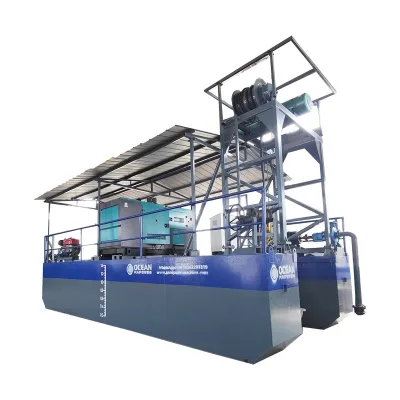
Buyers must first distinguish between the two primary machine categories observed in the market: the circular vibrating screen shaker and the cutter suction dredger. The shaker units are designed for lightweight fine material processing with a single shaft and self-centering transmission structure, often utilizing plate springs for support. In contrast, the dredging vessels are heavy industrial assets built for moving sand, mud, and clay in rivers, lakes, and ports, featuring dismantlable steel structures and hydraulic drive systems.
Understanding this distinction is critical before initiating any procurement inquiry, as the operational requirements for a fine shaker differ entirely from those of a sand dredger. The shaker is typically a stationary or mobile processing unit, whereas the dredger is a complex vessel system capable of operating in coastal areas and lagoons. Procurement teams should verify the specific application environment to ensure the selected equipment matches the intended work site, whether it involves river dredging or fine material screening.
Product Scope and Observed Listing Signals
The observed product listings reveal a wide price spectrum ranging from 199 to 1,800,000 USD, indicating significant variation in scale and capability between the available units. While some listings suggest a minimum order quantity of one, the high-end dredging vessels represent substantial capital investments compared to the smaller screening machinery. Buyers should treat these price points as indicative of the specific configuration rather than a standard market rate, as customization options heavily influence the final cost.
Listing signals also highlight that customization is a standard feature across the available inventory, with many units described as tailor-made to specific project needs. The observed data includes specific models like the JLCSD500, which features a 500mm suction pipe diameter and a pump capacity of 3500 cubic meters per hour. Procurement teams must carefully review these specific attributes to ensure the listed product matches the required dredging depth and discharge distance for their specific project.
Technical Specifications to Verify
Technical verification must begin with the drive and power systems, as the observed listings specify diesel engines from brands such as Cummins, Weichai, and Deutz. Buyers should confirm the engine brand and ensure the power type aligns with the operational fuel availability at the work site. The control systems are equally critical, with options ranging from full hydraulic Rexroth controls to Siemens PLC desks, which dictate the precision and automation level of the dredging operation.
The structural and capacity specifications require rigorous validation against the project's physical constraints. The observed data indicates a maximum dredging depth of 15.0 meters and a solid capacity ranging from 500 to 700 cubic meters per hour. Buyers must verify the steel material grade, such as Ccsb, and confirm the dismantlable structure design to ensure the vessel can be transported to the work site. Additionally, the discharge distance capability of up to 2000 meters must be validated to ensure the equipment can reach the required disposal point.
Compliance and Safety Documentation
Safety and compliance documentation for these heavy industrial machines must address the specific operational risks associated with hydraulic systems and diesel engines. Buyers should request detailed manuals for the full hydraulic control systems and the PLC operation desks to ensure operators are trained on the specific interfaces. The presence of engineers available for overseas service is a key factor in maintaining safety standards, as it ensures immediate technical support is available during critical operations.
Warranty terms vary significantly between the observed product types, with some units offering a two-year warranty while others provide only one year. Procurement teams must clarify the exact warranty period and scope for the specific dredger or shaker being purchased. Documentation should also cover the packing standards, whether by container or vessel, to ensure the equipment arrives without damage. Verifying the after-sales service provisions is essential for long-term operational safety and compliance with local maritime or industrial regulations.
Cost Drivers and Commercial Terms
The primary cost drivers for these machines include the customization level, the specific engine brand selected, and the complexity of the hydraulic control system. The observed listings show that standard models like the 2L, 3L, or 6L configurations may differ in price from tailor-made units designed for specific dredging depths. Buyers should expect the final price to reflect the specific combination of the main engine, the pump capacity, and the discharge distance capabilities required for the project.
Commercial terms regarding packing and shipping are equally important, as the equipment is often shipped in containers or via bulk vessels. The observed data suggests that packing methods vary, and buyers must confirm the logistics plan to ensure the dismantlable structure can be assembled correctly upon arrival. Lead times and delivery schedules are not explicitly standardized in the listings, so procurement teams must negotiate these terms based on the customization requirements and the origin location in Shandong, China.
Supplier Qualification and Quality Control
Supplier qualification should focus on the manufacturer's ability to provide the specific customization and engineering support observed in the listings. The presence of engineers available for overseas service indicates a supplier with a global support network, which is crucial for maintaining complex dredging vessels. Buyers should verify the supplier's track record in delivering units with the specific hydraulic and electrical components, such as Schneider electrical systems and Rexroth controls.
Quality control processes must be validated through the inspection of the steel material and the assembly of the self-centering shaker or dredger structure. The observed standard of 120t for certain models suggests a specific weight class that must be verified against the actual delivered product. Procurement teams should request evidence of the manufacturing process, particularly for the dismantlable sections, to ensure the structural integrity meets the demands of river, lake, or port operations.
Long-Term Procurement Checks
Long-term procurement checks should prioritize the availability of spare parts and the durability of the hydraulic and electrical systems. The observed warranty periods of one or two years provide a baseline, but buyers must plan for maintenance beyond this period, especially for high-capacity pumps and diesel engines. The specific engine brands listed, such as Cummins or Weichai, should be evaluated for their global parts availability to minimize downtime during extended operations.
Buyers must also establish a clear protocol for the ongoing support of the PLC control desks and full hydraulic systems. The ability to service machinery overseas is a critical long-term asset, ensuring that technical issues can be resolved without halting operations. Regular inspections of the steel material and the supporting devices, such as plate springs, should be scheduled to prevent structural fatigue. Establishing a relationship with a supplier who offers comprehensive after-sales service is essential for the longevity of the dredging or screening equipment.
FAQs
What is the dredging depth capability of this diesel sand dredger?
The dredging depth capability is 10 meters for standard models and up to 15 meters for customized units. This depth allows effective operation in rivers, lakes, and coastal areas. The machine is designed for sand, mud, and clay dredging applications with a solid capacity of 500 to 700 cubic meters per hour.
Can the cutter suction dredger be customized for specific work sites?
Yes, customization is available for various work sites including ports, canals, and lagoons. The structure is dismantlable for easier transport and installation. Buyers can tailor the discharge distance and pump capacity to meet specific project requirements, ensuring the equipment fits the operational environment perfectly.
Which engine brands are used in the Diesel Sand Dredging Dredger?
The dredger utilizes diesel engines from reputable brands such as Cummins, Weichai, Changchai, Deutz, or other China brands. The drive system is powered by a diesel engine, ensuring reliable performance. The control system features Siemens PLC or full hydraulic Rexroth components for precise operation.
What is the warranty period for the customized cutter suction dredger?
The warranty period is typically one year for the main machinery. Some components or specific configurations may offer a two-year warranty. After-sales service includes engineers available to service machinery overseas, ensuring long-term operational support and maintenance for the dredging equipment across different global locations.
How is the dredger packed for international shipping?
The dredger is packed in containers or shipped via bulk vessels. This flexible packaging method ensures safe transportation to various destinations. The dismantlable structure facilitates efficient loading into containers or bulk ships, reducing logistics costs and protecting the equipment during transit to the final work site.
What is the water flow and pump capacity of the dredger?
The water flow capacity is 3500 cubic meters per hour, with a pump capacity matching this volume. The solid capacity ranges from 500 to 700 cubic meters per hour. This high throughput makes the dredger suitable for large-scale sand dredging projects in rivers, lakes, and coastal areas.