Source Diesel Volvo Engine Turbocharger for Excavator, Truck, and Generator
Compare 30 Diesel Volvo Engine Turbocharger options from verified suppliers. Review specifications, lead times, and pricing for models compatible with Volvo trucks and Caterpillar engines to find the right replacement part.
Key considerations
Products List
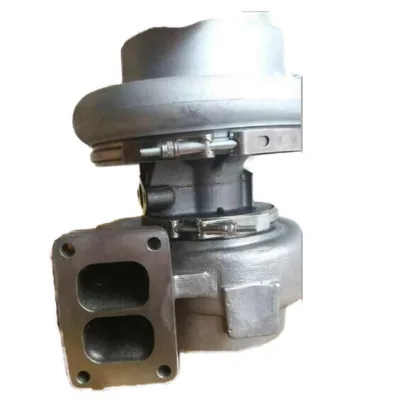


Diesel Engine Parts 3406 1795922 Turbocharger for Caterpillar Excavator
$200.00 - $350.00
MOQ: 2 Pieces


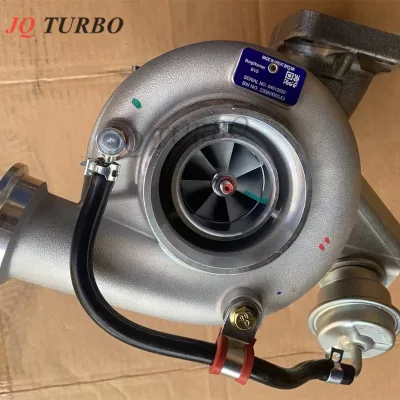


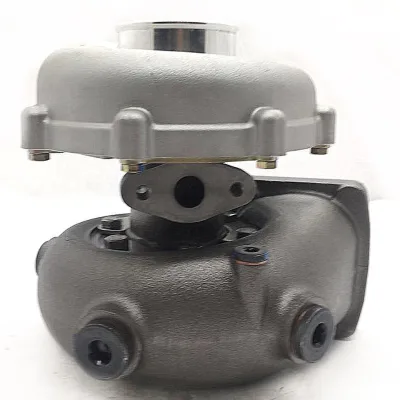


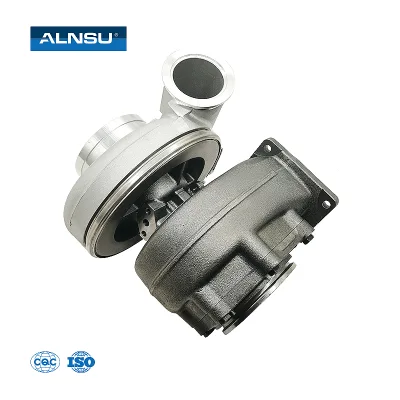
High-Performance Diesel Engine Turbocharger for Construction Machinery Parts
$280.00 - $290.00
MOQ: 1 Pieces

Original Turbo Compresor Truck Diesel Engine Parts Turbocharger 5699852
$1043.00 - $1058.00
MOQ: 1 Pieces


Original Construction Machinery Diesel Engine Parts Turbocharger 12749880003
$260.00 - $290.00
MOQ: 1 Pieces
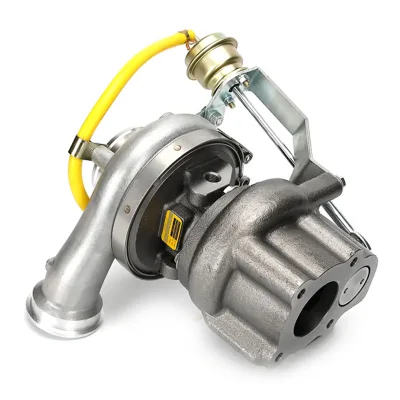




Comprehensive Sourcing Guide
Strategic Sourcing Guide for Diesel Volvo Engine Turbochargers
Understanding Technical Specifications and Compatibility
When sourcing a Diesel Volvo Engine Turbocharger, the primary objective is to ensure exact compatibility with the specific engine architecture. The market presents a complex landscape where generic terms often obscure critical differences. Buyers must recognize that while a component may be labeled as a "Universal" engine part, the actual fitment depends on precise model numbers and engine serials. For instance, specific listings indicate compatibility with Volvo trucks, yet other entries reference Caterpillar engine families such as the 3406, 3412, and 3116. This distinction is vital; a turbocharger designed for a Caterpillar 3406 engine, identified by part number 0r6333, is not interchangeable with a unit intended for a Volvo engine, despite both being heavy-duty diesel components.
The technical specifications provided in product data often include the model number, engine number, and part number. For example, a unit designated for a Volvo application might carry a specific model identifier like 3825073 TAD1631GE. Conversely, other units in the same search category may list the engine number as 3406 or 3412, with corresponding part numbers such as 4W1238 or 1795922. These variations highlight the necessity of cross-referencing the vehicle's chassis and engine data against the supplier's catalog. The "Car Model" field in product descriptions serves as a primary filter, but it must be validated against the physical engine block. Furthermore, the physical size of the turbocharger is described as "standard" in many listings, yet this term is relative. Buyers should verify the flange dimensions, shaft diameter, and housing type against the original equipment manufacturer (OEM) specifications to prevent installation failures.
Compliance and Certification Verification
In the heavy-duty diesel sector, compliance is not merely a formality but a prerequisite for operational safety and regulatory adherence. When evaluating potential suppliers, buyers must scrutinize the certification status of the components. The available data indicates that some products carry the ISOTS16949 certification, a critical standard for automotive quality management systems. This certification suggests that the manufacturing process adheres to rigorous quality control protocols, which is essential for high-stress components like turbochargers. Additionally, other listings may reference CE certification, indicating conformity with health, safety, and environmental protection standards for products sold within the European Economic Area.
However, the presence of a certification label in a product description does not guarantee that every unit in a shipment meets these standards. Buyers must treat certifications as observations of the supplier's claimed capabilities rather than automatic attributes of the product. It is imperative to request valid, up-to-date certification documents directly from the supplier before finalizing a purchase. The absence of specific certification data in a listing should trigger a request for clarification. Furthermore, the "Standard Component" status mentioned in some descriptions implies adherence to general industry standards, but this should be defined explicitly. Buyers should verify if the component meets specific ISO standards or OEM-specific quality benchmarks relevant to Volvo engines. Relying solely on the "New" condition attribute is insufficient; the underlying quality assurance framework must be confirmed to ensure the turbocharger can withstand the thermal and mechanical stresses of diesel operation.
Cost Drivers and Pricing Dynamics
The pricing for diesel Volvo engine turbochargers exhibits significant variance, with observed ranges spanning from 1 USD to 1058 USD. This wide disparity is driven by several factors, including the specific engine model, the complexity of the turbocharger design, the materials used, and the level of customization required. A unit with a lower price point may be a basic replacement part, while a higher-priced item could include advanced features, comprehensive testing, or a more robust warranty. The "Selling Units" attribute often indicates whether the price is for a single item or a bulk set, which directly impacts the per-unit cost.
Minimum Order Quantity (MOQ) is another critical cost driver. Listings show MOQs ranging from 1 piece to 50 pieces. Suppliers with a high MOQ, such as 50 pieces, may offer lower per-unit pricing due to economies of scale, whereas suppliers with an MOQ of 1 piece might charge a premium for flexibility. Buyers must balance the immediate need for a single replacement against the long-term cost benefits of bulk purchasing. Additionally, the "Customization" attribute indicates that some suppliers can modify components to fit specific requirements, which invariably increases the cost. The payment terms, such as T/T (Telegraphic Transfer), also influence the financial arrangement, potentially affecting cash flow and negotiation leverage. Understanding these variables allows buyers to construct a total cost of ownership model rather than focusing solely on the sticker price.
Typical Applications and Operational Context
Turbochargers for diesel engines are deployed across a diverse range of heavy machinery and transport vehicles. While the core keyword focuses on Volvo trucks, the product data reveals applications extending to excavators and other industrial machinery. For example, specific turbocharger models are explicitly listed for excavator applications, highlighting the versatility of these components across different sectors. The "Purpose" of these parts is consistently defined as "for replace/repair," indicating their role in maintenance and restoration rather than initial manufacturing.
The specific engine families mentioned, such as the 3406, 3412, and 3116, are historically associated with heavy-duty diesel applications in construction and mining equipment. However, the presence of Volvo-specific model numbers suggests a direct fit for commercial trucking fleets. Buyers must ensure that the application listed matches their specific vehicle or machinery type. A turbocharger designed for an excavator may have different performance characteristics compared to one designed for a long-haul truck, even if they share similar engine displacement. The "Weight" of the component, observed at 15kg in some listings, provides a tangible metric for logistics planning and handling requirements. Understanding the operational context helps in selecting a turbocharger that not only fits physically but also delivers the necessary power output and efficiency for the intended duty cycle.
Supplier Evaluation and Logistics Assessment
Evaluating a supplier requires a holistic view of their operational capabilities, including location, lead times, and shipping logistics. The product data indicates origins in various Chinese locations, such as Chongqing and Guangdong, with shipping ports listed as Shanghai. These geographical factors influence shipping costs and transit times. Lead times vary significantly, with some suppliers offering delivery within 3-7 working days, while others list a lead time of 50 days. This discrepancy often reflects the difference between stock availability and made-to-order production.
Buyers should prioritize suppliers who provide clear and realistic lead times to avoid production delays. The "Machinery Test Report" attribute is a strong indicator of a supplier's commitment to quality, as it suggests that the product has undergone functional testing before shipment. Additionally, the "Packing" method, whether "Carton Box," "Netural Packing," or specific branding like "Aahama," affects the safety of the component during transit. For high-value items like turbochargers, secure and professional packaging is essential to prevent damage. The "OEM" (Original Equipment Manufacturer) acceptability is another key factor; suppliers that accept OEM specifications are more likely to produce parts that meet the original design intent. Buyers should verify the supplier's ability to provide documentation and traceability for the parts they supply.
Quality Control and Long-Term Procurement Considerations
Ensuring the long-term reliability of diesel engine turbochargers requires a robust quality control strategy. The "Quality" attribute is often described as "High-Quality," but this is a subjective claim that must be substantiated. Buyers should look for objective evidence, such as the provision of machinery test reports or adherence to recognized standards like ISOTS16949. The "Standard" attribute, listed as "STD," suggests a baseline level of conformity, but it is crucial to define what this standard entails in the context of Volvo engine requirements.
Long-term procurement considerations involve building a relationship with suppliers who can provide consistent quality over time. The availability of customization and the acceptance of OEM specifications are indicators of a supplier's flexibility and technical competence. Buyers should also consider the "Condition" of the product, which is listed as "New," but must verify that "New" implies brand-new, not refurbished or remanufactured, unless that is the specific requirement. The "Part Number" and "Engine Number" must be exact matches to ensure compatibility. In the event of a discrepancy, the supplier's willingness to accommodate returns or exchanges is a critical factor. Finally, the "Payment" terms, such as T/T, should be negotiated to protect the buyer's interests, ensuring that payment is released only after satisfactory delivery and verification of the product's condition. By integrating these quality control measures into the procurement process, buyers can mitigate risks and ensure the continued performance of their diesel engine fleets.
FAQs
What certifications do diesel volvo engine turbochargers have?
Some products carry ISOTS16949 certification for automotive quality management. Other listings may show CE certification for European safety standards. Buyers must verify valid documents directly from suppliers before purchase.
Which engine models are compatible with these turbochargers?
Specific units are designed for Volvo trucks with model 3825073 TAD1631GE. Other listings indicate compatibility with Caterpillar engines like 3406, 3412, and 3116. Exact fitment depends on cross-referencing chassis and engine data.
How long is the lead time for delivery?
Lead times vary significantly between suppliers, ranging from 3 to 7 working days up to 50 days. Shorter times often indicate stock availability, while longer periods reflect made-to-order production schedules.
Can I customize the turbocharger for specific requirements?
Customization is available for some suppliers to modify components to fit specific needs. This service invariably increases the cost and requires clear communication of technical specifications to ensure proper integration.
What is the minimum order quantity for purchase?
Minimum order quantities range from 1 piece to 50 pieces depending on the supplier. Lower MOQs offer flexibility for single replacements, while higher volumes may provide better per-unit pricing through economies of scale.
Where are the suppliers located and where do they ship?
Products originate from locations like Chongqing and Guangdong in China. Shipping ports are typically listed as Shanghai, which influences transit times and logistics costs for international buyers.