Source Dietary Supplement Nattokinase Powder for Medicine, Health Care, Food
Explore 30 listings for Dietary Supplement Nattokinase Powder from verified Chinese suppliers. Compare specifications like assay methods, packaging, and certifications to find the right option for medicine, health care products, or food applications.
Key considerations
Products List


Food Grade Nattokinase Supplement Nattokinase Powder for Capsules/Tablets
$70.00 - $100.00
MOQ: 1 kilograms


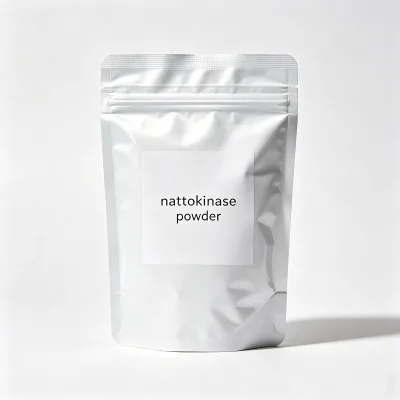


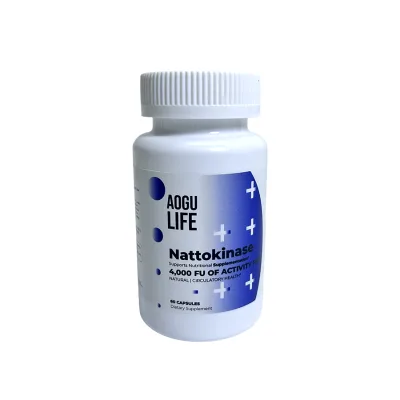


Pure Natural Nutritional Supplement Nattokinase 20000fu/G Nk Nattokinase Powder
$50.00 - $300.00
MOQ: 25 kg

Food Grade Healthcare Supplements Natto Extract CAS 133876-92-3 Nattokinase
$50.00 - $300.00
MOQ: 25 kg


Comprehensive Sourcing Guide
Strategic Sourcing Guide for Dietary Supplement Nattokinase Powder
Procuring high-quality nattokinase powder for dietary supplement manufacturing requires a disciplined approach that balances technical specifications, regulatory compliance, and supply chain reliability. As a proteolytic enzyme derived from fermented soybeans, nattokinase is increasingly sought after for its potential cardiovascular benefits. However, the market contains significant variance in purity, enzymatic activity, and processing methods. This guide provides a structured framework for buyers to navigate the sourcing landscape, ensuring that the selected raw material meets rigorous quality standards while adhering to safety and efficacy requirements.
Technical Specifications and Product Attributes
The foundation of a successful procurement strategy lies in a precise understanding of the technical attributes of the raw material. Nattokinase is typically supplied as a powder, though the specific visual characteristics can vary. Buyers should expect the product to appear as a light yellow or white powder, depending on the extraction process and the purity of the source material. The physical state is consistently reported as a powder, which facilitates uniform blending in supplement formulations.
A critical parameter for nattokinase is its enzymatic activity, often expressed in units per gram. In the current market, specifications range from 98% to 100% purity, with specific activity levels noted as 10,000 U/g. This metric is vital for determining the dosage efficacy in the final supplement product. Buyers must verify the specific activity level against their formulation requirements, as lower activity levels may necessitate higher inclusion rates, potentially affecting the stability and size of the final capsule or tablet.
The extraction method is another defining technical characteristic. The predominant method observed in the supply chain is liquid-solid extraction, which isolates the enzyme from the seed material. The part of the plant used is the seed, specifically fermented soybeans. This natural resource status is a key selling point for "clean label" supplements. Additionally, the product grade is often classified as "First Grade" or "Food Grade," indicating suitability for human consumption. Buyers should confirm that the grade explicitly matches food-grade standards to avoid contamination risks associated with industrial-grade materials.
Regulatory Compliance and Certification Verification
Navigating the regulatory landscape is paramount for dietary supplement ingredients. The global market demands adherence to multiple certification standards to ensure safety and traceability. Based on available industry data, reputable suppliers often hold certifications such as HACCP, FDA registration, ISO standards, and BRC (British Retail Consortium). These certifications are not merely marketing tools but indicate a structured approach to quality management and food safety.
When evaluating a potential supplier, buyers must request valid certificates of analysis (COA) and material safety data sheets (MSDS). The presence of a COA is essential for verifying the batch-specific purity and activity levels. Furthermore, the product should comply with Good Manufacturing Practices (GMP) implied by the ISO and BRC certifications. While some suppliers may claim compliance with ISO 22000, buyers should verify the specific scope of this certification rather than assuming it applies to the specific product line.
The origin of the product also plays a role in regulatory acceptance. Most high-volume nattokinase powder originates from China, specifically from regions like Shanxi and Shaanxi. While these regions are established hubs for enzyme production, buyers must ensure that the supplier can provide documentation proving the product's origin and compliance with the import regulations of the destination country. The CAS number 133876-92-3 serves as a unique identifier for nattokinase, aiding in regulatory classification and customs clearance.
Cost Drivers and Pricing Dynamics
Understanding the cost structure of nattokinase powder is essential for budgeting and margin analysis. The observed price range in the market spans from $1 to $300 per unit, though this wide variance is heavily influenced by the unit of measure, purity, and order volume. The Minimum Order Quantity (MOQ) typically starts at 1 kg, with some suppliers offering samples of 5-10 grams for quality assessment. However, for commercial production, the standard packaging often involves 1 kg bags or 25 kg drums.
Several factors drive the final cost. First, the enzymatic activity level is a primary cost driver; higher activity grades command a premium. Second, the packaging material significantly impacts price. Options range from simple aluminum foil bags to double-layered PLA (polylactic acid) packaging or vacuum-sealed drums. The choice of packaging affects both the shelf life and the shipping cost. Third, the supply ability of the manufacturer, often cited as 10,000 kilograms per month, influences pricing stability. Suppliers with higher capacity may offer more competitive rates for large-volume orders.
Payment terms also contribute to the total cost of ownership. Common methods include Credit Card, T/T (Telegraphic Transfer), PayPal, and Western Union. Buyers should negotiate terms that align with their cash flow, as some suppliers may offer discounts for upfront payments. Shipping methods, including express, air, or sea freight, add variable costs depending on the urgency and weight of the shipment. Express delivery typically takes 5-7 days, while sea freight is more economical for bulk orders but requires longer lead times.
Typical Applications in Dietary Supplements
Nattokinase powder is versatile and finds application across several sectors, primarily within the health and wellness industry. The primary application is in the formulation of dietary supplements aimed at cardiovascular health. Its ability to support healthy blood flow is the core value proposition for consumers. The product is also utilized in health food products, where it is marketed as a natural digestive enzyme.
The specific application dictates the required purity and activity. For example, supplements targeting specific therapeutic outcomes may require the 10,000 U/g specification, whereas general wellness products might accept lower activity levels. The product is suitable for various delivery forms, including capsules, tablets, and powders for mixing. The "Gelation" effect mentioned in some product descriptions refers to the enzyme's biological function rather than a physical property of the powder itself, which remains a free-flowing powder.
Buyers should also consider the "Nutritional Value" aspect. While nattokinase is primarily an enzyme, it is often marketed as a nutritional supplement. The instruction for use typically advises a "reasonable ingestible amount," which manufacturers must translate into precise dosing guidelines for their final products. The product's origin as a natural resource aligns well with the growing consumer demand for plant-based and natural ingredients.
Supplier Evaluation and Selection Criteria
Selecting the right supplier requires a multi-faceted evaluation process. Buyers should prioritize suppliers who demonstrate transparency in their production processes and offer comprehensive documentation. Key indicators of a reliable supplier include the availability of samples, clear communication regarding lead times, and a robust supply chain. The "Service" aspect, often noted as "China" based, implies the need for effective cross-border communication and logistics support.
When evaluating suppliers, buyers should assess their storage and handling capabilities. Nattokinase powder must be stored in a cool, dry place to maintain enzymatic activity. Suppliers who fail to provide adequate storage conditions may compromise product quality before it even reaches the buyer. Additionally, the packaging details should be scrutinized. Options like "Drum, Vacuum Packed" or "Aluminum Foil Bag" offer different levels of protection against moisture and oxidation.
The supply ability is another critical metric. A supplier claiming a monthly capacity of 10,000 kilograms is better positioned to handle large orders and scale with the buyer's growth. However, buyers should verify this claim through site audits or third-party assessments. The presence of a "Stock: in Stock" status indicates immediate availability, which is beneficial for urgent procurement needs, but buyers should also inquire about the supplier's ability to replenish stock during peak demand periods.
Quality Control and Testing Protocols
Quality control is the backbone of any successful sourcing strategy for enzyme-based ingredients. The assay methods used to verify the quality of nattokinase powder are critical. The most common methods observed are UV (Ultraviolet) spectroscopy and HPLC (High-Performance Liquid Chromatography). These techniques ensure the accuracy of the purity and activity measurements. Buyers should insist on test results generated using these standard methods to ensure consistency and reliability.
The test method should be explicitly stated on the COA. Variations in testing protocols can lead to discrepancies in reported values. For instance, the "Hplcuv" method mentioned in some data suggests a combined approach, but buyers should clarify the specific protocol used. Additionally, the "Effect" of the product, such as gelation, should be verified through functional testing if the buyer intends to use the enzyme in a specific application where this property is relevant.
Storage conditions during transit and at the supplier's facility are also part of the quality control chain. The requirement for a "Cool Dry Place" must be strictly adhered to. Buyers should request temperature logs or shipping conditions to ensure the product has not been exposed to heat or humidity, which can degrade enzymatic activity. The packaging material, whether plastic, aluminum foil, or drums, must be food-grade and capable of maintaining the integrity of the powder.
Long-Term Procurement Considerations
Sourcing nattokinase powder is not a one-time transaction but a long-term partnership that requires strategic planning. Buyers should consider the scalability of their supply chain. As the demand for dietary supplements grows, the ability of the supplier to maintain consistent quality and volume is crucial. The "Single Package Size" of 23x12x13 cm for individual items suggests that smaller orders are feasible, but bulk orders will require larger packaging solutions like drums.
Contractual agreements should clearly define the terms for quality disputes, return policies, and supply continuity. Given the variability in the market, having a backup supplier is advisable. Buyers should also monitor regulatory changes in their target markets, as standards for dietary supplements can evolve. The "Other Names" for the product, such as "Digestive Enzymes," highlight the need for accurate labeling to comply with local regulations.
Finally, the "Resource" aspect of the product being "Natural" is a long-term trend that buyers should leverage in their marketing. However, this also means that supply chain disruptions in the agricultural sector, such as soybean harvest issues, could impact availability. Buyers should work with suppliers who have diversified sourcing strategies to mitigate these risks. By focusing on these long-term factors, buyers can build a resilient supply chain that supports the growth of their dietary supplement business.
FAQs
What certifications do nattokinase powder suppliers typically hold?
Suppliers typically hold HACCP, FDA, ISO, and BRC certifications to ensure safety and traceability. These standards indicate a structured approach to quality management and food safety required for dietary supplement manufacturing.
How is nattokinase powder extracted and what is its physical state?
The product is extracted via liquid-solid extraction from soybean seeds and appears as a light yellow or white powder. This physical state facilitates uniform blending in supplement formulations for various delivery forms.
Which packaging options are available for bulk nattokinase orders?
Common packaging includes drums, aluminum foil bags, and vacuum-sealed containers to protect against moisture. Specific options range from 1 kg bags to 25 kg drums depending on the supplier's standard.
Can buyers obtain samples before placing a large commercial order?
Yes, samples of 5 to 10 grams are typically available for quality assessment before committing to bulk purchases. This allows buyers to verify purity and activity levels against their specific formulation requirements.
What is the minimum order quantity for dietary supplement nattokinase?
The standard minimum order quantity is 1 kilogram for most suppliers. Some vendors may offer smaller sample sizes, but commercial production typically requires orders starting at this 1 kg threshold.
How should nattokinase powder be stored to maintain enzymatic activity?
The powder must be stored in a cool, dry place to prevent degradation of enzymatic activity. Proper storage conditions are critical for maintaining the product's stability and efficacy throughout its shelf life.