Source Digital Hydraulic Dynamometer for Motor Engine Test
Find a Digital Hydraulic Dynamometer for Motor and Engine Test among 24 available options. Compare specifications like torque accuracy, speed range, and power source to select the right equipment for your quality management and automatic industry applications; compare the available evidence and request quotations based on your requirements.
Key considerations
Products List


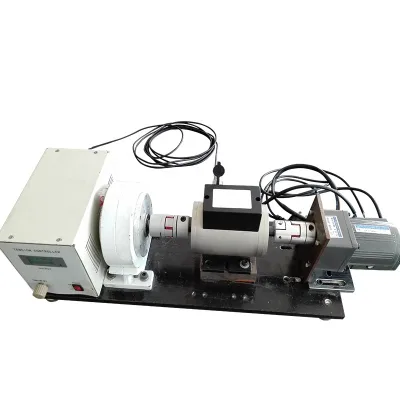
Cheap Tension Electronic Hand Dynamometer Digital Engine 10000nm Motor Testing Water Brake
$200.00 - $2000.00
MOQ: 1 Pieces


3300kw Hydraulic Dynamometer Engine Test Motor Test Engine Dyno for Diesel Engines
$6800.00 - $100000.00
MOQ: 1 Sets

1900kw Hydraulic Dynamometer Engine Test Bench Engine Dyno Motor Test Bench
$6800.00 - $100000.00
MOQ: 1 Sets

3300kw Hydraulic Dynamometer Engine Test Bench Motor Test Bench Engine Dyno
$6800.00 - $100000.00
MOQ: 1 Sets


Production and Sales of Customized Engine Dynamometers by Chinese Manufacturers
$6800.00 - $12000.00
MOQ: 1 Sets

Industrial Grade Dynamometer for Heavy Machinery Performance Analysis
$11000.00 - $12000.00
MOQ: 1 Pieces

Measurement Instrument Engine Testing Dynamometer Motor AC DC Dynamic Torque Meter
$5000.00 - $50000.00
MOQ: 1 Sets

Comprehensive Sourcing Guide
Digital Hydraulic Dynamometer for Motor and Engine Test Sourcing Guide
Digital hydraulic dynamometers serve as critical assets for validating motor and engine performance in automated industrial settings. These systems integrate computer control with dynamic loading capabilities to simulate real-world operational stresses with high precision. Buyers must recognize that while the core function remains consistent, the specific implementation varies significantly based on the intended application area, such as quality management or general production testing.
Procurement decisions should prioritize the alignment between the machine's digital display interface and the facility's existing data management infrastructure. The observed product range indicates a strong emphasis on electronic load methods, which allow for precise torque and speed measurements. Sourcing teams must verify that the selected unit supports the required rotational speed ranges, as some models operate up to 12,000 rpm while others extend to 60,000 rpm, directly impacting the types of motors that can be tested effectively.
Product Scope and Observed Listing Signals
The market for these dynamometers presents a wide spectrum of capabilities, with observed listing prices ranging from 200 to 100,000 USD. This variance reflects differences in maximum capacity, where some units handle loads exceeding 1000KN while others are designed for lighter workpieces under 900kg. Buyers should carefully examine the maximum diameter of the workpiece, as specifications vary between 700mm and 1000mm, ensuring the physical dimensions of the test subject fit within the machine's operational envelope.
Listing signals also reveal diverse packaging and weight configurations, ranging from lightweight units around 200kg to heavy-duty systems weighing approximately 2000kg. The power supply requirements are generally consistent, typically operating on AC220V or 380V, though some models specify a broader power range from 100W to 200kw. Procurement teams must scrutinize the weight and mass scope to determine if the facility's floor loading capacity and logistics infrastructure can support the specific unit being considered for purchase.
Technical Specifications to Verify
Accuracy is paramount when selecting a dynamometer for rigorous testing environments, with torque measurement accuracy often specified at positive and negative 0.2% of full scale. Rotational speed measurement accuracy is typically maintained within a margin of plus or minus 1rpm, ensuring reliable data for high-speed motor evaluations. Buyers must verify that the voltage and current measurement accuracy meets the specific tolerance requirements of their quality management protocols, as some units offer precision down to 0.03% for electrical power measurements.
The operational environment constraints are equally critical, with most units designed to function within temperatures of 0 to 40 degrees Celsius and humidity levels not exceeding 70%. The blocking test current and voltage capabilities, often ranging from 0 to 500A and 0 to 500V respectively, define the safety limits for electrical stress testing. Sourcing teams should confirm that the industrial frequency withstand voltage and other electrical safety parameters align with the specific electrical characteristics of the motors or engines intended for testing.
Compliance and Safety Documentation
Safety compliance is a non-negotiable aspect of sourcing industrial testing equipment, with CE and RoHS certifications frequently observed in the product listings. These certifications indicate adherence to European safety standards and restrictions on hazardous substances, which is essential for international trade and local regulatory compliance. Buyers must request valid certification documents to verify that the specific unit being purchased has undergone the necessary safety assessments and meets the required electrical and mechanical safety standards.
Documentation should also include detailed operating manuals that cover the specific electrical basic power measurement accuracy and other technical parameters. The presence of a one-year warranty suggests a baseline level of manufacturer confidence, but buyers should clarify the scope of coverage regarding electronic components and mechanical wear. Ensuring that the supplier provides comprehensive safety data sheets and operational guidelines is vital for maintaining a safe working environment and ensuring long-term operational reliability.
Cost Drivers and Commercial Terms
The total cost of ownership is influenced by several factors, including the customization level and the complexity of the control system. While many units are available as non-standard, customized solutions, the base price is heavily dependent on the maximum capacity and the precision of the measurement instruments. Buyers should anticipate that higher accuracy grades and broader speed ranges will command a premium, necessitating a clear definition of technical requirements before requesting formal quotations.
Commercial terms often include specific packaging requirements, such as dust-free packaging combined with sturdy wooden crates or thick wooden boxes, to protect the equipment during transit. The origin of the product, frequently listed as Hangzhou, China, may impact shipping costs and lead times, which are critical variables in the procurement timeline. Procurement teams must negotiate clear terms regarding the delivery of the product in its specified packaging to prevent damage and ensure the equipment arrives ready for immediate installation and testing.
Supplier Qualification and Quality Control
Supplier qualification requires a thorough review of the manufacturer's ability to deliver customized solutions that meet specific industrial frequency and voltage standards. The availability of computer control systems and digital displays indicates a level of technological sophistication that should be verified through site audits or detailed technical questionnaires. Buyers should assess the supplier's track record in providing units with consistent torque and speed measurement accuracy to ensure long-term data integrity.
Quality control processes must be validated to ensure that every unit undergoes rigorous testing before shipment. The observation of various weight classes and power ranges suggests a diverse manufacturing capability, but consistency in quality is key. Procurement teams should request evidence of internal quality control procedures, including final inspection reports that verify the blocking test accuracy and other critical performance metrics before the equipment leaves the factory.
Long-Term Procurement Checks
Sustained operational success depends on the availability of spare parts and the supplier's commitment to after-sales support. The specified warranty period of one year provides an initial safety net, but buyers should establish clear protocols for maintenance and repair beyond this period. Ensuring that the supplier can provide technical support for the computer control system and digital display interface is essential for troubleshooting any operational issues that may arise during extended use.
Regular calibration and performance verification are necessary to maintain the high accuracy standards required for quality management applications. Buyers should plan for periodic checks of the torque and rotational speed measurement accuracy to ensure the equipment continues to perform within the specified tolerances. Establishing a long-term relationship with a qualified supplier who understands the specific technical requirements of digital hydraulic dynamometers will facilitate smoother procurement cycles and more reliable testing outcomes.
FAQs
What power sources are supported by these testers?
These testers support AC220V and AC220V/380V power sources. The systems are designed for electronic power applications with a power range of 100W to 200kw. This flexibility allows integration into various industrial environments while maintaining stable performance during motor and engine testing operations.
Can the equipment be customized for specific needs?
Yes, customization is available for these digital hydraulic dynamometers. The products are non-standard and can be tailored to specific requirements. Buyers can request custom standards and specifications to ensure the equipment meets their unique operational demands and integrates seamlessly with existing testing infrastructure.
What is the maximum workpiece diameter supported?
The maximum workpiece diameter supported varies by model, reaching up to 1000mm or 700mm. This specification ensures compatibility with a wide range of motor and engine sizes. Buyers should verify the specific model requirements to ensure the equipment accommodates their largest intended workpieces effectively.
How accurate is the torque measurement?
The torque measurement accuracy is positive and negative 0.2% F.S. This high precision ensures reliable data collection during dynamic load tests. The system also features rotational speed measurement accuracy of plus or minus 1rpm, providing comprehensive and trustworthy performance metrics for quality management applications.
What certifications do these testers hold?
These testers hold CE and RoHS certifications. These standards ensure compliance with international safety and environmental regulations. Buyers can rely on these certifications for regulatory approval in various markets, ensuring the equipment meets necessary quality and safety benchmarks for industrial use in automatic and quality management sectors.
What is the warranty period for the equipment?
The warranty period for these testers is one year. This coverage provides assurance for the electronic and mechanical components during initial operation. Buyers benefit from this standard warranty, which helps mitigate risks associated with new equipment deployment and ensures support for any early-stage performance issues.