Source Digital HD Voice Recorder for Education, Promotion, and Toys
Explore 30 available options for a Digital HD Voice Recorder designed for education, promotional gifts, and plush toys. Buyers can compare specifications like recording time, battery type, and customization features to find the right electronic accessory for their needs.
Key considerations
Products List


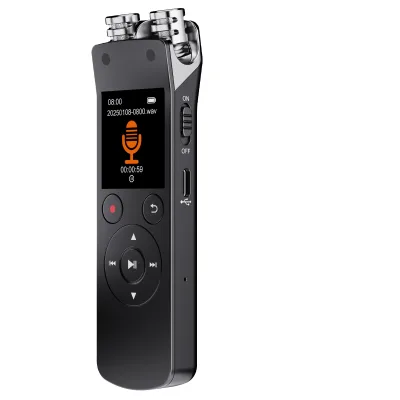


Q73 8GB Mini Voice Recorder - Rechargeable, Noise Reduction, HD Recording
$16.27 - $18.38
MOQ: 1 Pieces


Q73 64GB Voice Recorder - Voice Activated, Noise Reduction, HD Dictaphone
$33.00 - $37.08
MOQ: 1 Pieces


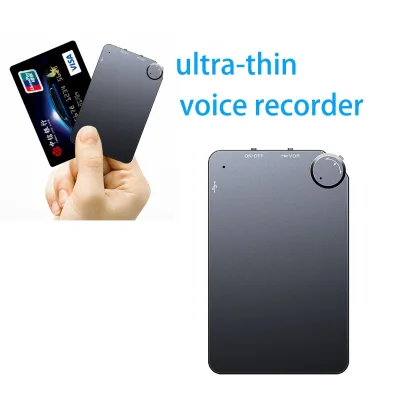


128g Digital Voice Recorder Ai-Intelligent Triple Noise Reduction Magnetic
$19.00 - $28.00
MOQ: 10 Pieces

Comprehensive Sourcing Guide
Strategic Sourcing Guide for Digital HD Voice Recorders
The global market for digital audio recording devices has expanded significantly, driven by the demand for high-fidelity sound capture in educational, promotional, and personal sectors. For procurement professionals sourcing "digital HD voice recorders," the landscape is defined by a diverse array of specifications, from compact sound modules for plush toys to robust electronic accessories with substantial memory capacity. This guide provides a structured approach to evaluating suppliers, verifying technical compliance, and managing procurement risks based on verified product attributes and industry standards. The objective is to equip buyers with the analytical framework necessary to navigate a market where product definitions can vary widely between a simple 6-second voice box and a high-capacity 128GB recording unit.
Technical Specifications and Audio Performance
When evaluating digital HD voice recorders, the primary differentiator lies in the audio format support and recording fidelity. The supplied data indicates a strong prevalence of MP3 as a standard audio format, with some units also supporting WAV formats. This dual-format capability is critical for buyers seeking compatibility with various playback devices and editing software. High-fidelity recording is a key attribute observed in several product lines, suggesting that modern units are moving beyond basic voice memo capabilities to deliver clearer audio reproduction.
Memory capacity represents another significant variable in the technical landscape. Procurement teams must verify the specific storage limits of the units they intend to purchase. The observed range includes configurations from 8GB up to 128GB, allowing for extended recording sessions or the storage of large libraries of audio files. The choice of memory size should align directly with the intended application; for instance, a promotional item requiring a single 10-second message will not require the same storage as a professional dictation device.
Physical dimensions and power sources are equally vital for integration. The market offers a spectrum of sizes, ranging from compact modules measuring 50x42x22mm, suitable for embedding in plush toys, to larger units like the 114x60mm pressing voice box. Power management varies significantly as well. Some units utilize USB charging, offering the convenience of recharging without battery replacement, while others rely on replaceable button cell batteries, such as the AG13 or AG10 types. Buyers must carefully match the power source to the product's lifecycle requirements. A USB-charged device may be preferable for high-turnover promotional gifts, whereas a replaceable battery unit might be better suited for long-term educational tools where charging infrastructure is unavailable.
Compliance Standards and Certification Verification
Navigating the regulatory landscape is essential for international trade. The provided data highlights several key certifications that serve as indicators of quality and safety. CE marking is frequently cited, indicating compliance with European health, safety, and environmental protection standards. Additionally, RoHS (Restriction of Hazardous Substances) is a common standard, ensuring that the electronic components do not contain specific hazardous materials. For markets in North America, the CCC (China Compulsory Certification) is also noted as a relevant standard for certain product types.
Beyond the basic electronic safety standards, some suppliers list SGS and GMP (Good Manufacturing Practice) certifications. While these are valuable, buyers should verify the scope of these certifications to ensure they cover the specific manufacturing processes of the voice recorder. The presence of these standards suggests a commitment to quality control, but they should not be assumed to apply to every SKU without verification.
Material composition also plays a role in compliance. The use of ABS plastic is common for housing, offering durability and cost-effectiveness. However, some premium models utilize Zinc Alloy, which provides a more robust and premium feel. When sourcing, buyers must ensure that the materials used meet the environmental and safety regulations of the destination market. For example, if the product is intended for children's education, the material safety and battery compartment security become paramount.
Cost Drivers and Pricing Dynamics
The pricing structure for digital voice recorders is influenced by a complex interplay of factors, including memory capacity, material quality, and customization levels. The observed price range is vast, spanning from $0.65 to $995. This disparity reflects the difference between a basic 6-second sound module and a high-end, high-memory recording device with advanced features.
Material costs are a primary driver. Units constructed from Zinc Alloy will inherently cost more than those made from ABS plastic. Similarly, the inclusion of larger memory chips (e.g., 128GB vs. 8GB) significantly impacts the unit price. Customization is another major cost factor. The data confirms that customization is available for many products, including custom shapes, artistic decorations, and personalized branding. These value-added services increase the unit cost but are often necessary for corporate branding or specific educational applications.
Minimum Order Quantities (MOQ) also affect the effective cost per unit. The observed MOQ range is 1 to 3000 units. Buyers purchasing small quantities for prototyping or immediate needs will face a higher per-unit cost compared to those placing bulk orders. Understanding the relationship between volume and price is crucial for budgeting. For large-scale promotional campaigns, negotiating based on the higher end of the MOQ range can yield significant savings.
Typical Applications and Usage Scenarios
The versatility of digital voice recorders allows them to serve a wide array of applications. The data points to several distinct use cases, each with specific requirements.
| Application Sector | Typical Product Attributes | Key Requirements |
|---|---|---|
| Promotional Gifts | Customized, Cute Style, ABS Material, Low Cost | Branding capability, durability, attractive design |
| Children's Education | For Book and Toy, Replaceable Battery, CE/ROHS | Safety, ease of use, educational content storage |
| Plush Toys | Sound Module, 50x42x22mm, Battery Powered | Compact size, seamless integration, long battery life |
| Professional Recording | High-Fidelity, 128GB Memory, USB Charging | Audio quality, storage capacity, connectivity |
| Watch Accessories | Universal Suitability, Promotion Gifts | Aesthetic integration, discreet operation |
For the promotional sector, the "Cute" style and "Artistic" decoration are highly valued. These units often serve as brand ambassadors, requiring a high degree of customization. In the educational sector, the focus shifts to durability and safety. Products designed for books and toys must withstand rough handling and ensure that battery compartments are secure. The "Universal" suitability attribute suggests that some models are designed to be easily integrated into various products, making them versatile choices for manufacturers.
Supplier Evaluation and Origin Analysis
When selecting a supplier, the geographic origin of the product is a significant factor. The data indicates that the primary place of origin is China, with specific mentions of Shenzhen and Guangdong. These regions are known for their robust electronics manufacturing ecosystems. Shenzhen, in particular, is a hub for electronic components and finished goods, offering a wide range of suppliers with varying capabilities.
Buyers should evaluate suppliers based on their ability to provide the specific attributes observed in the market. This includes the ability to offer "Customization" and "Design and Decoration" services. The presence of an OEM (Original Equipment Manufacturer) brand name suggests that many suppliers are willing to produce white-label products, allowing buyers to apply their own branding.
The "Type" of product is listed as "Electronic Accessories," which implies that these items are often components of larger systems or standalone devices. Suppliers should be vetted for their ability to handle the full lifecycle of the product, from initial design to final packaging. The packaging methods, such as "Individual Polybag, Inner Box & Carton" or "Standard Export Cartons," are also indicators of a supplier's attention to detail and logistics readiness.
Quality Control and Long-Term Procurement
Ensuring consistent quality is paramount in the procurement of electronic devices. The "Recording Time" varies significantly, from 6 seconds to 30 seconds or more, depending on the model. Buyers must verify that the recorded audio meets the expected duration and quality standards. The "Single Button Control" feature is common, simplifying the user interface, but it must be tested for responsiveness and durability.
Long-term procurement considerations include the availability of spare parts and the longevity of the product. The "Battery: Can Be Replaceable" attribute is a critical factor for products intended for long-term use. If a battery is not replaceable, the entire unit may need to be discarded once the power source fails, increasing waste and cost.
Furthermore, the "Product Number" and "Model" consistency are essential for maintaining supply chain stability. Models such as S-2005D, S-2018B, and Tw-212 represent specific configurations. Buyers should ensure that the supplier can maintain consistent production of these models over time. The "Standard" attributes, such as CE and RoHS, should be re-verified periodically to ensure ongoing compliance with changing regulations.
In conclusion, sourcing digital HD voice recorders requires a meticulous approach that balances technical specifications, compliance requirements, and cost considerations. By leveraging the observed data on formats, materials, and certifications, buyers can make informed decisions that align with their specific application needs. The wide range of options available, from simple sound modules to high-capacity recorders, offers significant opportunities for customization and value creation. However, success depends on rigorous supplier evaluation and a commitment to quality control throughout the procurement process.
FAQs
What audio formats do these recorders support?
Most units support MP3 and WAV formats for broad compatibility. Some models offer high-fidelity recording quality to ensure clear audio reproduction for educational or promotional use.
Can I customize the design and decoration?
Yes, customization is available for many products including artistic decorations and custom shapes. Buyers can request specific designs to align with brand identity or educational themes.
Which certifications are commonly required for these devices?
Common certifications include CE, RoHS, and SGS to ensure safety and environmental compliance. Some models also carry CCC or GMP standards depending on the specific manufacturing origin.
How does the memory capacity vary across models?
Memory options range from 8GB to 128GB depending on the specific product model. Higher capacity units are suitable for extended recording sessions while smaller modules store brief messages.
What are the typical power source options?
Power sources include USB charging or replaceable button cell batteries like AG13 or AG10. The choice depends on whether the device is intended for high-turnover gifts or long-term educational tools.
Which materials are used for the product housing?
Housing materials typically include ABS plastic for durability or zinc alloy for a premium feel. The material selection impacts the cost and the perceived quality of the final device.
Can the battery be replaced if it fails?
Yes, several models feature replaceable batteries to extend the product lifecycle. This feature is critical for long-term applications where recharging infrastructure may not be available.