Find Digital Intraoral Scanner for Orthodontics, Implants, Surgery
Source 30 Digital Intraoral Scanner units from verified Chinese manufacturers. Buyers can compare models like DDS-300 and G-DIC based on accuracy, scan time, and certification for oral surgery and orthodontic applications.
Key considerations
Products List


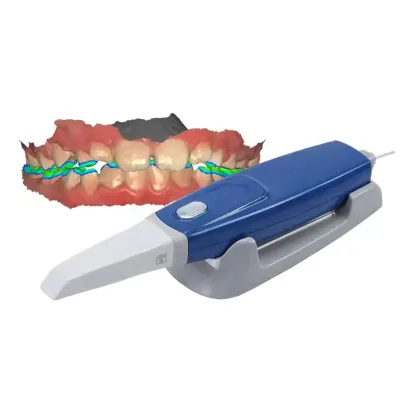


3D Dental Examination Tooth Scanning Machine Digital Scanner Intraoral Scanner
$999.00 - $3000.00
MOQ: 1 Pieces

Digital Intraoral Scanner 3D Dental Scanner Intra Oral Scanner Panda Dental Intraoral Scanner
$2999.00 - $3890.00
MOQ: 1 Pieces


Digital Dentist 3D Scan Intra Oral Camera Dental Equipment Dental 3D Intraoral Scanner
$3400.00 - $3500.00
MOQ: 1 Pieces

Hot Selling New Arrival Dental 3D Intraoral Digital Impression Scanner
$3400.00 - $3500.00
MOQ: 1 Pieces


High Scanning Efficiency 40s Digital Oral Scanner 3D Dental Intraoral Scanner
$2628.00 - $2879.00
MOQ: 1 Sets
Comprehensive Sourcing Guide
Strategic Sourcing Guide for Digital Intraoral Scanners
The acquisition of digital intraoral scanners represents a pivotal investment for dental practices and laboratories seeking to modernize their clinical workflows. These devices have largely replaced traditional physical impressions, offering a digital pathway from patient interaction to the fabrication of restorations. For procurement professionals, navigating the market requires a disciplined approach that balances technical capabilities with regulatory compliance and long-term operational stability. The following guide outlines the critical factors buyers must evaluate when sourcing these complex imaging systems, ensuring that the selected equipment aligns with specific clinical needs and budgetary constraints.
Technical Specifications and Performance Metrics
When evaluating a Digital Intraoral Scanner, the primary focus must be on the precision and speed of the scanning process. The core functionality of these devices relies on optical technology to capture high-resolution 3D data of the oral cavity. Buyers should scrutinize the measurement accuracy, as this directly impacts the fit of crowns, bridges, and orthodontic appliances. Market observations indicate that high-performance units can achieve measurement accuracies in the range of 10 to 20 micrometers. A scanner with a 20-micrometer accuracy is suitable for general restorative work, while 10-micrometer precision is often preferred for complex implantology or high-precision orthodontics.
Scan time is another critical performance indicator. In a busy clinical environment, efficiency is paramount. Units that can complete a full arch scan in 30 to 45 seconds significantly reduce patient discomfort and chairside time. Furthermore, the scanning range and depth of field determine the versatility of the device. A scanning distance capability of 0 to 15 millimeters and a depth of field ranging from -2 to +20 millimeters are essential for capturing deep subgingival margins and large edentulous spaces without requiring excessive repositioning. The physical dimensions of the scanner handpiece also matter; a compact design, such as one measuring approximately 240 by 49.5 by 30.5 millimeters, enhances maneuverability within the confined space of the mouth. Weight is equally important, with lighter units around 0.2 kilograms reducing operator fatigue during extended procedures.
Compliance, Certification, and Regulatory Standards
Regulatory compliance is non-negotiable in the medical device sector. Buyers must verify that any Digital Intraoral Scanner possesses valid certifications from recognized bodies. The most common certifications observed in the market include the CE mark, indicating conformity with health, safety, and environmental protection standards for products sold within the European Economic Area, and ISO certification, which validates adherence to international quality management standards. Additionally, the instrument classification should be confirmed; many intraoral scanners are classified as Class I medical devices, which generally implies a lower risk profile but still requires strict adherence to manufacturing standards.
It is crucial to distinguish between the certifications of the imaging system and the specific software used for data processing. While the hardware may carry CE and ISO marks, the software integration with laboratory systems must also be compatible with local data privacy and medical record regulations. Buyers should request current certification documents directly from the supplier and verify their validity with the issuing authority. Relying on a supplier's verbal assurance without physical documentation poses a significant compliance risk, especially when importing equipment from international markets.
Cost Drivers and Pricing Structures
The pricing of digital intraoral scanners varies widely, reflecting differences in technology, brand positioning, and included software features. Observed market data suggests a price range spanning from approximately 10 to 7,000 US dollars. This broad spectrum indicates that cost is not solely a function of the hardware but is heavily influenced by the software ecosystem, warranty terms, and after-sales support packages. Lower-priced units may offer basic scanning capabilities with limited software integration, while premium models often include advanced AI-driven design tools, cloud storage, and seamless connectivity with CAD/CAM systems.
Beyond the unit price, buyers must consider the total cost of ownership. This includes the cost of consumables, such as replacement handpieces or protective covers, and potential software subscription fees. The Minimum Order Quantity (MOQ) is another financial factor; many suppliers offer an MOQ of just one set, allowing clinics to test the technology without a bulk commitment. However, for larger networks or laboratories, negotiating volume discounts may be necessary. The packaging standards, ranging from standard export packages to specialized metal boxes, can also impact shipping costs and the risk of damage during transit.
Typical Clinical Applications and Departmental Fit
Digital intraoral scanners are versatile tools designed to serve multiple departments within a dental practice. Their primary applications include the preparation of teeth for crowns and bridges, implantation planning, and orthodontic treatments. For the Oral Surgery department, the ability to scan clearly and quickly through metal structures is a vital feature, as these procedures often involve existing metallic restorations or implants. The scanner must be capable of penetrating or accurately rendering metal to ensure precise surgical guides and prosthetic designs.
In the Orthodontic Department, the high accuracy of the scanner is leveraged to create digital models for aligners and braces. The ability to scan the entire arch in a short timeframe allows for efficient monitoring of treatment progress. Similarly, the Internal Medicine department may utilize these scanners for general restorative work where digital impressions are preferred for patient comfort. The color of the device, typically white, is often chosen for its professional aesthetic and ease of cleaning, but the functional capability to handle various dental scenarios is the true determinant of its utility.
Supplier Evaluation and After-Sales Support
Selecting a reliable supplier is as important as selecting the hardware itself. Buyers should prioritize suppliers that offer robust after-sales service, including online technical support. Given the complexity of the software and the precision required for operation, immediate access to technical assistance is essential for minimizing downtime. The warranty period is a key indicator of supplier confidence; a standard warranty of one year is common, but some suppliers may offer extended coverage for an additional fee.
The origin of the product is another factor to consider. Many digital intraoral scanners are manufactured in China, with specific production hubs in regions like Henan. While this does not inherently affect quality, it influences logistics, lead times, and import duties. Buyers should verify the specific origin and ensure that the supplier has a track record of reliable international shipping. The single package size and gross weight, which can be substantial at over 12 kilograms, must be factored into the logistics plan. A supplier that provides clear packing specifications, such as a metal box within a carton, demonstrates a commitment to protecting the delicate optical components during transit.
Quality Control and Long-Term Procurement Considerations
Implementing a rigorous quality control process is essential before accepting delivery of the scanners. Buyers should verify the physical condition of the unit, checking for any damage to the handpiece or the optical lens. The scanning distance and accuracy should be tested against known standards upon arrival. For long-term procurement, the shelf life of the device and its components should be considered. While the device itself may have a long operational life, consumable parts and software updates may have specific timelines, such as a three-year shelf life for certain accessories.
Sustainability and future-proofing are also critical. The power source should be compatible with the local electrical grid, and the plug type should be universal or easily adaptable. The customization options available from the supplier can play a significant role in long-term satisfaction. Whether it is custom branding on the device or tailored software interfaces, the ability to customize the scanner to fit specific workflow requirements can enhance adoption rates among clinical staff. Finally, buyers should plan for the integration of the scanner into their existing digital infrastructure, ensuring that the data formats are compatible with their current CAD/CAM systems and laboratory partners.
Comparative Analysis of Key Features
To facilitate a clearer decision-making process, the following table summarizes the key technical and operational attributes observed in the market for digital intraoral scanners. This comparison highlights the variance in specifications that buyers should evaluate based on their specific clinical requirements.
| Feature Category | Observation Range / Specific Data | Procurement Implication |
|---|---|---|
| Measurement Accuracy | 10 μm to 20 μm | Higher accuracy (10 μm) is preferred for implantology and complex orthodontics. |
| Scan Time | 30 to 45 seconds | Faster scan times improve patient throughput and comfort. |
| Certification | CE, ISO | Essential for regulatory compliance in most international markets. |
| Instrument Class | Class I | Indicates lower risk profile but requires strict manufacturing adherence. |
| Scan Range | 0-15mm distance; 45x35x100mm volume | Determines the ability to capture deep margins and large arches. |
| Material | Metal, Plastic | Affects durability and weight; metal components often enhance longevity. |
| Warranty | 1 Year | Standard coverage; verify terms for extended support options. |
| Origin | China (e.g., Henan) | Influences shipping logistics and import regulations. |
| Weight | 0.2 kg to 210g | Lighter units reduce operator fatigue during long procedures. |
| Metal Scan Capability | Scan Clearly and Quickly | Critical for cases involving existing metal restorations. |
By systematically evaluating these factors, procurement professionals can ensure that the digital intraoral scanners they acquire meet the rigorous demands of modern dentistry. The integration of high-precision technology with reliable supply chain support creates a foundation for improved clinical outcomes and operational efficiency.
FAQs
What certifications do digital intraoral scanners typically have?
Most units carry CE and ISO certifications for regulatory compliance. These marks confirm adherence to health, safety, and quality management standards required for medical devices in international markets.
How accurate are the measurements from these scanners?
Measurement accuracy typically ranges from 10 to 20 micrometers. Higher precision at 10 micrometers is preferred for complex implantology, while 20 micrometers suits general restorative work and orthodontics.
Can these scanners scan metal restorations clearly and quickly?
Yes, the devices are designed to scan metal structures clearly and quickly. This capability is vital for oral surgery departments handling existing metallic restorations or implants during procedures.
What is the typical scan time for a full arch?
A full arch scan usually takes between 30 to 45 seconds. This speed significantly reduces patient discomfort and improves chairside efficiency in busy clinical environments.
Which departments can utilize these digital intraoral scanners?
They are applicable to the Oral Surgery, Orthodontic, and Internal Medicine departments. The tools support tooth preparation, implantation planning, and orthodontic treatments across these specific clinical areas.
What is the standard warranty period for these devices?
The standard warranty period is typically one year. Buyers should verify if extended coverage options are available from the supplier to ensure long-term operational stability.
How much does a Digital Intraoral Scanner cost?
Prices observed in the market range from 10 to 7,000 US dollars. The cost varies based on technology, brand positioning, software features, and included after-sales support packages.