Source Digital Printing Plush Keychain for Gifts, Promos, and Events
Find and compare 30 Digital Printing Plush Keychain options from verified manufacturers. Evaluate customization, materials, and lead times to select the best promotional gifts for your business needs.
Key considerations
Products List


Custom Stuffed Plush Business Gift Custom Plush Keyring Plushies Keychain
$2.60 - $3.00
MOQ: 100 Pieces


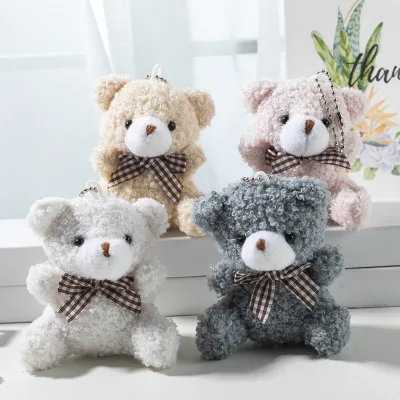
High Quality Custom Plush Toy Keyring Pendant Bear Animals Plush Keychain
$1.37 - $1.49
MOQ: 500 Pieces



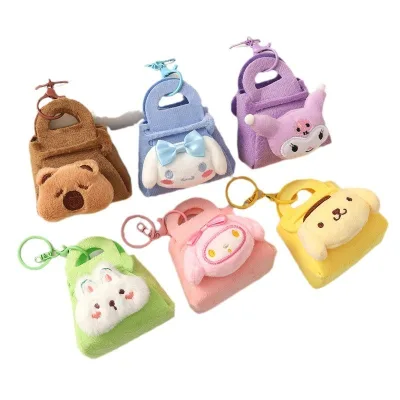


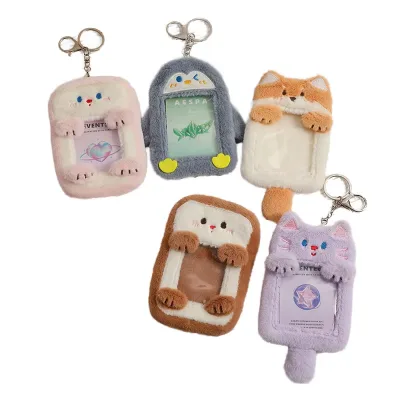
Cartoon Little Dog Plush Keychain Pendant Bag Hanging Decoration Doll Toys Gift
$0.80 - $5.99
MOQ: 500 Pieces


Comprehensive Sourcing Guide
Digital Printing Plush Keychain Sourcing Guide
Sourcing digital printing plush keychains requires a nuanced understanding of how modern printing technologies interact with soft textile materials. Unlike traditional offset or screen printing, digital printing allows for high-resolution, full-color graphics without the need for expensive screen setups, making it ideal for short runs and complex designs. However, the texture of plush fabric can affect ink absorption and final image clarity. Buyers must evaluate whether the supplier uses direct-to-garment (DTG) techniques, sublimation on synthetic blends, or embroidered patches with printed labels, as each method yields different durability and aesthetic results. The decision often hinges on the balance between design complexity and production volume, with digital methods offering flexibility but potentially higher per-unit costs for large orders.
The procurement landscape for these items is characterized by a wide variance in product specifications and supplier capabilities. Market observations indicate a broad range of available models, from simple keychains to more elaborate plush dolls, with prices ranging from $0.05 to $5.99 USD. This disparity suggests that buyers should not assume uniform quality or material composition across all listings. Instead, procurement teams must define clear technical requirements early in the sourcing process. Factors such as the type of plush fabric (e.g., short plush vs. long fur), the weight of the item, and the specific printing method used will significantly influence the final product’s appeal and cost. Understanding these variables is crucial for aligning supplier offerings with brand expectations and budget constraints.
Product Scope and Observed Listing Signals
The current market offers a diverse array of plush keychains, with observed product models ranging from MNKC06 to WH00000 and HWY000000. These items vary significantly in dimensions, with some models measuring approximately 12x6 cm, while others are around 9x7.5 cm or 7.5-13 cm in altitude. The material composition is predominantly cloth or plush, often categorized as short plush, and may include fur elements. Buyers should note that while many listings claim universal suitability, the actual application may be limited by the product’s size, weight, or attachment mechanism. For instance, some items are specified as suitable for youth aged 15-35, while others are marketed as general promotion gifts or holiday items. This variability necessitates careful review of each product’s specific attributes to ensure alignment with the target demographic and usage scenario.
Customization is a central feature of this product category, with most suppliers offering OEM/ODM services and accepting customer logos. The customization options extend to the product’s weight, modeling source, and even the packaging, which can be customized from bulk cartons to individual boxed units. However, buyers must distinguish between different types of customization. While some suppliers offer hand-made processes and sample customization, others rely on industrial methods like die-casting for metal components or offset printing for labels. The presence of certifications such as CE, En71, ASTM, CPSIA, and REACH indicates a focus on safety and regulatory compliance, particularly for markets with strict toy safety standards. Buyers should verify that the specific customization requested does not compromise these certifications, especially when altering materials or adding non-standard components.
Technical Specifications to Verify
When evaluating technical specifications, the first priority is to confirm the printing method and its compatibility with the chosen plush material. Digital printing on plush can present challenges such as ink bleeding or color fading after washing, so buyers should request physical samples to assess print quality and durability. The observed processing methods include sample customization and die-casting, which suggests that some keychains may have metal hardware or structural elements that require separate verification. Additionally, the weight of the product is a critical specification, with some items listed at 45g and others customizable. This weight variance can impact shipping costs and the perceived value of the product, so it is essential to define acceptable weight ranges in the purchase order. Buyers should also verify the attachment mechanism, such as the type of keyring or clasp, to ensure it meets functional requirements for durability and ease of use.
Packaging and labeling are other key technical aspects that require detailed verification. The observed packing methods range from 1000 pieces per carton to individual boxed units, with some items packed in OPP bags. The choice of packaging affects both protection during transit and the unboxing experience for the end consumer. Buyers should specify whether custom hang tags or labels are required, as these can be customized to include branding, care instructions, or regulatory information. Furthermore, the production time is a significant logistical factor, with typical lead times ranging from 3-7 working days for samples to about 20 days for bulk production. Buyers must account for these timelines when planning inventory, especially for seasonal promotions or holiday campaigns. Clear communication of packaging and labeling requirements early in the process can prevent delays and ensure that the final product meets all brand standards.
Compliance and Safety Documentation
Compliance with international safety standards is non-negotiable for plush keychains, particularly those intended for promotional use or gifting. The observed certifications include CE, En71, ASTM, CPSIA, and REACH, which cover various aspects of product safety, from chemical composition to mechanical hazards. Buyers must verify that the supplier holds valid certificates for the specific product model being ordered, as certifications are often tied to particular materials and manufacturing processes. For example, the use of certain dyes or fabrics may require additional testing to ensure they meet REACH restrictions on hazardous substances. Similarly, ASTM and En71 standards address physical and mechanical properties, such as the strength of attachments and the absence of small parts that could pose a choking hazard. Buyers should request copies of these certificates and cross-reference them with the product specifications to ensure consistency.
In addition to product-specific certifications, broader quality management systems play a crucial role in ensuring consistent compliance. The observed BSCI and ISO9001 certifications indicate that the supplier adheres to recognized standards for social responsibility and quality management. These certifications can provide buyers with confidence in the supplier’s ability to maintain consistent quality and ethical labor practices. However, buyers should not rely solely on these certifications; they should also conduct their own due diligence by reviewing audit reports or requesting third-party testing results. For products targeting specific markets, such as the European Union or the United States, buyers must ensure that the supplier is familiar with local regulatory requirements and can provide the necessary documentation for customs clearance. Proactive engagement with the supplier on compliance matters can help mitigate risks and avoid potential legal or reputational issues.
Cost Drivers and Commercial Terms
The cost of digital printing plush keychains is influenced by several key factors, including material quality, printing complexity, and order volume. The observed price range of $0.05 to $5.99 USD reflects this variability, with lower prices typically associated with simpler designs and higher volumes. Buyers should be aware that digital printing, while flexible, can be more expensive per unit than traditional methods for large orders due to the lack of economies of scale in setup costs. Additionally, the customization of weight, size, and packaging can add to the overall cost. For instance, custom packaging or specialized labeling may incur additional fees. Buyers should request detailed quotations that break down these costs to understand the true cost drivers and identify opportunities for savings.
Commercial terms, such as MOQ and lead time, are also critical components of the procurement strategy. The observed MOQ ranges from 1 to 10,000 pieces, offering flexibility for buyers with varying order sizes. However, lower MOQs may come with higher per-unit costs, while larger orders may qualify for discounts. Lead times are another important consideration, with sample times of 3-7 working days and production times of about 20 days. Buyers should factor in these timelines when planning their procurement schedule, especially for time-sensitive campaigns. Payment terms, shipping methods, and return policies should also be clearly defined in the contract to avoid disputes. By negotiating favorable commercial terms and understanding the cost structure, buyers can optimize their procurement strategy and achieve better value for their investment.
Supplier Qualification and Quality Control
Supplier qualification is a critical step in ensuring the reliability and quality of digital printing plush keychains. Buyers should assess suppliers based on their production capabilities, quality control processes, and past performance. The observed customization options and certification status can serve as initial indicators of a supplier’s competence, but further verification is necessary. Buyers should request references or case studies from previous clients to gauge the supplier’s ability to meet specific requirements. Additionally, conducting on-site audits or virtual tours can provide valuable insights into the supplier’s manufacturing environment and quality control practices. Suppliers with robust quality control systems are more likely to deliver consistent products that meet buyer expectations.
Quality control should be integrated into every stage of the procurement process, from sample approval to final inspection. Buyers should establish clear quality standards and communicate them effectively to the supplier. This includes defining acceptable tolerances for dimensions, weight, and print quality. Regular communication and feedback during the production process can help identify and address issues early, reducing the risk of defects in the final product. Buyers should also consider implementing third-party inspection services for large orders to ensure that the products meet all specified requirements. By prioritizing supplier qualification and rigorous quality control, buyers can minimize risks and ensure that the digital printing plush keychains they procure are of the highest quality.
Long-Term Procurement Checks
Long-term procurement success depends on continuous monitoring and evaluation of supplier performance. Buyers should establish key performance indicators (KPIs) to track metrics such as on-time delivery, product quality, and responsiveness to issues. Regular reviews of these metrics can help identify trends and areas for improvement, allowing buyers to address potential problems before they escalate. Additionally, maintaining open lines of communication with suppliers can foster a collaborative relationship that benefits both parties. Buyers should provide constructive feedback and work with suppliers to implement improvements, such as optimizing production processes or enhancing quality control measures. By focusing on long-term relationships and continuous improvement, buyers can secure a reliable supply of high-quality digital printing plush keychains.
Market dynamics and regulatory requirements are constantly evolving, so buyers must stay informed about changes that may impact their procurement strategy. This includes monitoring updates to safety standards, such as ASTM and En71, and adapting to new sustainability trends in the textile industry. Buyers should also explore opportunities for innovation, such as adopting new printing technologies or sustainable materials, to stay competitive. By remaining agile and proactive, buyers can navigate changes in the market and maintain a competitive edge. Long-term procurement checks should also include periodic reviews of supplier contracts and terms to ensure they remain favorable and aligned with business objectives. This ongoing diligence ensures that the procurement strategy remains effective and responsive to changing needs.
FAQs
Can I customize the logo on these plush keychains?
Yes, customers can provide their own logo for customization on these items. The product supports OEM and ODM services with a sample time of 3-7 working days before full production begins.
What certifications do these plush keychains hold?
These products hold CE, En71, ASTM, Cpsia, Reach, BSCI, and ISO9001 certifications. They undergo testing against ASTM and En71 standards to ensure safety and compliance for international markets.
How long is the production time for bulk orders?
The production time is about 20 days or according to the specific order quantity. This timeline applies to custom orders where the modeling source is defined by the customer requirements.
What is the minimum order quantity for these keychains?
The minimum order quantity is 10 pieces for specific models like AVA1240. Other listings indicate an MOQ range from 1 to 10,000 depending on the specific product configuration and customization needs.
Are these keychains suitable for promotional gifts?
Yes, they are designed for promotion gifts and holiday usage. The style is business-oriented yet cute, making them ideal for corporate events and youth demographics aged 15 to 35 years old.
What materials are used to make these plush keychains?
The materials include cloth, plush, and fur to ensure a soft and comfortable feel. Some variations are hand-made while others utilize offset printing or die-casting processes for detailed designs.
Can I get a sample before placing a large order?
Yes, sample customization is available with a lead time of 3-7 working days. This allows buyers to verify the quality, weight, and dimensions before committing to the full production run.