Source Digital Printed Inflatable Banana Boat for Water Parks, Resorts, and Events
Explore 30 listings for the Digital Printed Inflatable Banana Boat, featuring customizable sizes, CE certification, and PVC materials. Buyers can compare specs, MOQs, and shipping options from verified Chinese manufacturers to find the right solution for water play activities.
Key considerations
Products List


Single Tube 5 Persons Seats PVC Inflatable Water Banana Boat Towable Boat
$235.00 - $265.00
MOQ: 1 Pieces

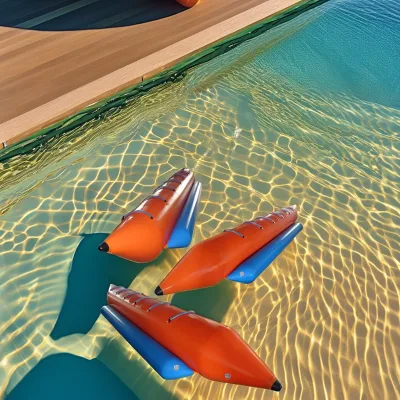
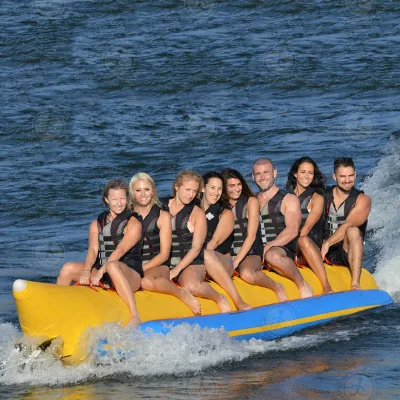
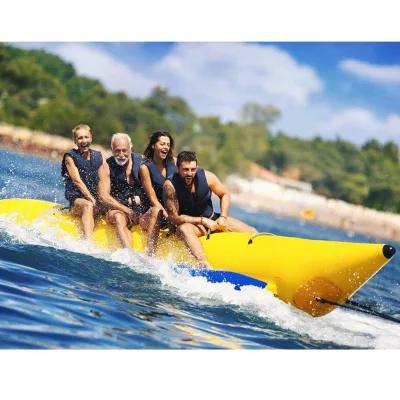
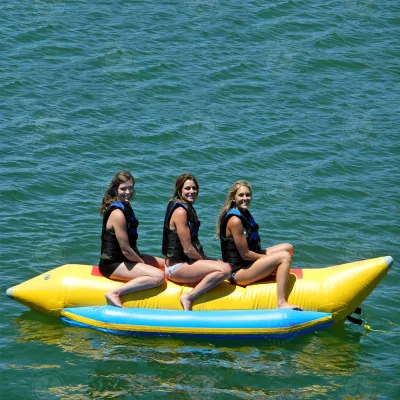
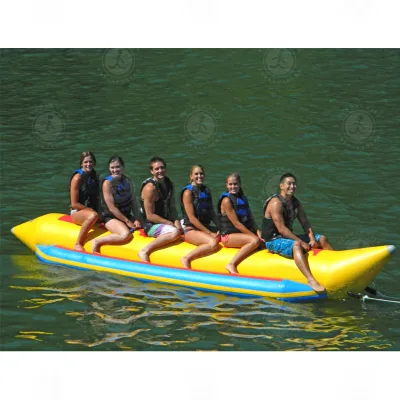
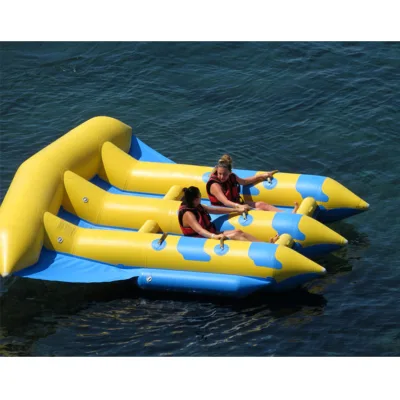
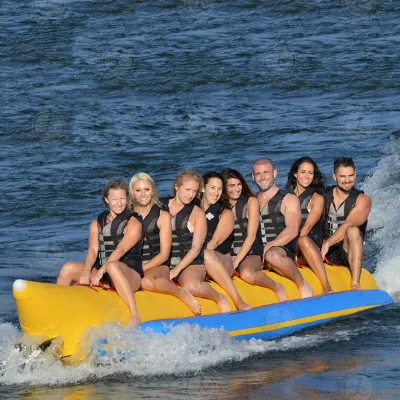
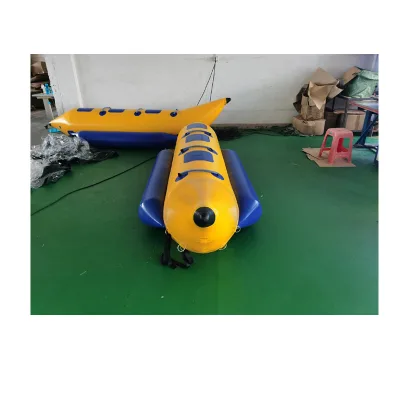


High Quality Inflatable Banana Boat, Inflatable Water Flying Banana Boat
$300.00 - $800.00
MOQ: 1 Pieces


Comprehensive Sourcing Guide
Strategic Sourcing Guide for Digital Printed Inflatable Banana Boats
Understanding Product Specifications and Material Integrity
When sourcing a Digital Printed Inflatable Banana Boat, the primary focus must be on the technical specifications that define durability, safety, and performance. The core material for these units is typically PVC, specifically noted in market observations as 0.9 mm or 0.6 mm PVC Tarpaulin. The thickness of the material is a critical determinant of the boat's ability to withstand high-speed towing and the abrasive nature of water environments. Buyers must verify the specific millimeter rating of the tarpaulin, as thinner materials may be suitable for recreational use in calm waters but could fail under the stress of commercial amusement park operations or high-velocity water sports.
The physical dimensions of the inflatable are equally vital. Specifications indicate that sizes can be customized to meet specific operational needs, with standard configurations often accommodating 2, 4, 6, or 8 passengers. The height of the unit generally ranges between 2 and 5 meters, a factor that influences the center of gravity and stability during operation. The maximum capacity is another crucial metric; observed data suggests capacities ranging from 100-500 kg to over 500 kg. Procurement teams must ensure that the selected model's stated capacity aligns with the intended user demographic and the weight of the passengers, particularly when the target audience includes adults, as the product is often categorized for users over 18 years of age.
The structural design also includes specific accessories essential for operation. An air pump is a standard inclusion, and the method of inflation must be compatible with the available power sources at the deployment site. The product model numbers, such as HYBB04, HYDL13, or CY-19-83, serve as unique identifiers for these variations. However, relying solely on model numbers without cross-referencing the specific material thickness and capacity is insufficient. The customization options allow for variations in size and seat count, which means that a "standard" banana boat may differ significantly from a custom order in terms of load-bearing capabilities and overall footprint.
Compliance, Certification, and Safety Standards
Navigating the regulatory landscape for inflatable water sports equipment requires rigorous attention to certification and safety standards. The most frequently cited certification in the market for these products is the CE mark, which indicates conformity with health, safety, and environmental protection standards for products sold within the European Economic Area. Buyers should explicitly request proof of CE certification for the specific model being purchased, rather than accepting a general statement that the supplier offers certified products. The presence of a CE mark is a strong indicator that the product has undergone specific testing protocols, though the exact scope of these tests should be verified against the intended market of operation.
Beyond the CE mark, there is a need to understand the allowable passenger limits and the structural integrity of the seams. Some product listings reference standards regarding the number of seats, such as "5 seats" or specific passenger configurations like "1&1.2m" for height or capacity. These figures must be treated as design specifications rather than universal guarantees. The "Allowable Passenger" standard is often linked to the certification, implying that the product has been tested to hold a specific number of people safely. However, without direct access to the test reports, buyers must assume that the stated capacity is a maximum limit that should not be exceeded under any circumstances.
It is important to distinguish between product-specific certifications and broader industry standards. While some background information may reference standards like ISO 25649, this should not be assumed to apply to every inflatable banana boat unless explicitly confirmed by the supplier. The "prod_standard" field often lists "Custom" or specific seat counts, indicating that the manufacturing process may vary by order. Therefore, the verification process should focus on the specific documentation provided for the batch of goods being ordered. The warranty period, often cited as 2 years, serves as a secondary indicator of the manufacturer's confidence in their product's longevity and adherence to quality standards, but it does not replace the need for independent safety verification.
Cost Drivers and Pricing Dynamics
The pricing structure for digital printed inflatable banana boats is influenced by a complex interplay of material costs, customization requirements, and logistical factors. The observed price range in the market spans from 125 to 1400 USD, a wide variance that reflects differences in size, material thickness, and the extent of customization. A unit priced at the lower end of this spectrum likely utilizes thinner PVC material, standard sizing, and minimal customization, whereas a unit at the higher end may feature heavy-duty 0.9 mm tarpaulin, custom dimensions, and extensive digital printing.
Material costs are a primary driver of the final price. The difference between 0.6 mm and 0.9 mm PVC Tarpaulin represents a significant variance in raw material expense. Thicker materials require more raw PVC and often involve more complex manufacturing processes to ensure the seams can handle the increased tension. Additionally, the customization of the product, including the "Customized Logo" and "Digital Printing," adds to the cost. The complexity of the graphic design, the number of colors used, and the area covered by the print all contribute to the final price. Buyers should be aware that "Customized" does not always imply a premium; it can range from simple logo placement to full-color, wrap-around designs that require specialized printing equipment.
Logistics and shipping terms also play a substantial role in the total cost of ownership. The "Shipping Way" is frequently listed as "by Sea," "by Air," or "Express," with terms like EXW (Ex Works) being common. The choice of shipping method drastically affects the final landed cost. Sea freight is generally the most economical option for large, heavy items like inflatable boats, but it involves longer lead times, typically ranging from 10 to 15 days for production plus additional transit time. Air freight or express shipping reduces the lead time significantly but incurs much higher costs. The "MOQ" (Minimum Order Quantity) is another factor; while some suppliers offer an MOQ of just 1 piece, larger orders may benefit from economies of scale, potentially lowering the per-unit cost. Buyers must calculate the total cost, including freight, insurance, and potential customs duties, rather than focusing solely on the unit price.
Typical Applications and Operational Context
The versatility of digital printed inflatable banana boats makes them suitable for a wide range of applications, from commercial amusement parks to private water activities. The primary usage category is identified as "Toy" or "Water play," but the operational context extends far beyond simple recreation. These boats are frequently deployed in amusement parks, where their durability and capacity to handle multiple passengers make them a staple attraction. The "Suitable for: Amusement Park" attribute highlights their commercial viability, where high turnover and heavy usage demand robust construction.
In addition to amusement parks, these boats are ideal for water sports centers and rental operations. The "outdoor_activity" classification often includes water-skiing or similar towing activities, where the boat is pulled by a motorboat at varying speeds. The "Gender: Unisex" and "Age: >18 Years" attributes suggest that while they are family-friendly, they are often designed for adult use or older children, requiring a certain level of physical coordination and strength. The "Occasion: water play" designation covers a broad spectrum of events, including beach resorts, lake clubs, and private parties.
The customization options allow these boats to be tailored to specific branding needs. The "Digital Printing" capability enables operators to feature their own logos, promotional graphics, or thematic designs, making the boat a mobile advertising platform. This is particularly valuable for businesses looking to enhance their brand visibility. The "Color: Colourful" attribute ensures that the boats are visually appealing and stand out in the water, which is crucial for attracting customers. The "Height: 2~5m" specification also plays a role in the application; taller boats may offer better visibility and stability for larger groups, while shorter models might be preferred for smaller water bodies or younger demographics.
Supplier Evaluation and Verification Protocols
Selecting the right supplier is a critical step in the procurement process, requiring a thorough evaluation of their capabilities, reputation, and compliance record. The market features various suppliers, including those with brand names like "Huayue Toys" and "GZCY Inflatable," as well as generic manufacturers. Buyers should prioritize suppliers who provide clear documentation regarding their production processes, material sourcing, and quality control measures. The "Place of Origin" is often listed as "China," with specific regions like "Guangzhou" and "Jiangxi" mentioned, indicating the concentration of manufacturing hubs in these areas.
When evaluating a supplier, buyers should verify their ability to meet the specific customization requirements. The "Customization: Available" and "OEM/ODM: acceptable" attributes suggest that many suppliers are willing to work with clients to create unique products. However, the extent of this customization should be clearly defined in the contract. Buyers must ensure that the supplier has the necessary equipment for "Digital Printing" and the expertise to apply the graphics without compromising the structural integrity of the PVC material. The "Warranty: 2 Years" is a significant factor in supplier evaluation, as it indicates a commitment to product quality and after-sales support.
Transparency in communication and documentation is another key criterion. Suppliers should be able to provide detailed product specifications, including the exact material thickness, capacity ratings, and certification documents. The "prod_packing" method, often listed as "PVC Bags" or "by Sea/Air/Express," should be evaluated to ensure that the product will arrive in good condition. The "Lead Time: 10 to 15 Days" is a standard expectation, but buyers should confirm whether this includes the time for customization and quality checks. Finally, the "Trade Term: EXW" and shipping options should be clearly understood to avoid unexpected costs or delays.
Quality Control and Long-Term Procurement Considerations
Implementing a robust quality control (QC) process is essential to ensure that the inflatable banana boats meet the required safety and performance standards. Given the variability in material thickness and construction quality, buyers should consider conducting pre-shipment inspections. This involves verifying the material weight, checking the seam strength, and testing the inflation and deflation cycles. The "Weight: as Per Actual Weight" attribute suggests that there may be variations in the final product weight, which can be an indicator of material consistency.
Long-term procurement considerations also include the maintenance and repair of the boats. The "Warranty: 2 Years" provides a safety net, but buyers should also inquire about the availability of repair kits and spare parts. The "Accessories: Air Pump" is a critical component, and ensuring that the pump is compatible with the boat's valve system is important for operational continuity. The "prod_standard: Custom" nature of many products means that replacement parts may need to be custom-ordered, so maintaining a relationship with a reliable supplier is crucial.
Furthermore, buyers should consider the environmental impact and disposal of the products. PVC is a durable material, but it is not biodegradable. Suppliers who offer recycling programs or use eco-friendly PVC alternatives may be preferable for environmentally conscious organizations. The "Color: Colourful" and "Digital Printing" aspects also raise questions about the longevity of the graphics. Fading or peeling of the print can occur over time due to UV exposure and water abrasion, so buyers should ask about the durability of the printing process and the expected lifespan of the graphics.
In conclusion, sourcing a Digital Printed Inflatable Banana Boat requires a comprehensive approach that balances technical specifications, compliance, cost, and supplier reliability. By carefully evaluating the material integrity, verifying certifications, understanding cost drivers, and implementing strict quality control measures, buyers can secure high-quality products that meet their operational needs and safety requirements. The wide range of customization options and applications makes these boats a versatile investment, but success depends on thorough due diligence and a clear understanding of the specific requirements of the intended use case.
FAQs
What material is used for digital printed inflatable banana boats?
The boats are constructed from PVC Tarpaulin with thickness options of 0.9 mm or 0.6 mm. This material ensures durability for water play and commercial amusement park usage while supporting digital printing for custom logos.
Can I customize the size and passenger capacity of the boat?
Yes, customization is available for size and seating configurations. Models can accommodate 2, 4, 6, or 8 passengers, and dimensions are adjustable to meet specific operational requirements or branding needs.
Which certifications are required for these inflatable boats?
The products typically carry CE certification to ensure safety compliance. Buyers should verify specific documentation for the model, as the standard allows for up to 500 kg or more depending on the design.
How long is the lead time for manufacturing these boats?
The standard lead time ranges from 10 to 15 days for production. This duration applies to custom orders and includes the time needed for digital printing and quality checks before shipping.
What is the minimum order quantity for these inflatable boats?
The minimum order quantity is one piece, allowing for small-scale procurement. However, larger orders may benefit from economies of scale while still adhering to the customizable nature of the product.
How are these boats packed for shipping?
The boats are packed in PVC bags for protection during transit. Shipping methods include sea, air, or express delivery, depending on the buyer's preference and the trade terms agreed upon.