Source Digital Printing Copper Coin for Souvenirs, Gifts, and Collections
Explore 30 listings for Digital Printing Copper Coin designed as souvenirs, promotion gifts, and collections. Buyers can compare customization options, materials like zinc alloy and bronze, and surface finishes including enamel and plating to find suitable options for ceremonies and daily life.
Key considerations
Products List


Customization Metal Coins Manufacture 3D Gold Silver Copper Engraved Coin
$0.12 - $0.55
MOQ: 1000 Pieces


Gold Euro Coin Copper Collectible Gold Silver Metal Engraved Metallic Coins
$0.12 - $0.55
MOQ: 1000 Pieces



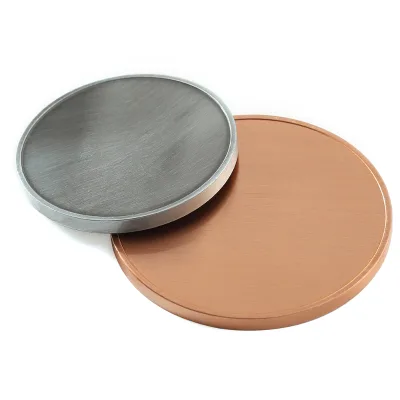


Comprehensive Sourcing Guide
Digital Printing Copper Coin Sourcing Guide
Sourcing digital printing copper coins requires a nuanced understanding of the intersection between traditional metalworking and modern digital fabrication techniques. These items are not standard currency but rather specialized promotional, commemorative, or decorative objects that leverage the aesthetic appeal of metal combined with the versatility of digital image transfer. Buyers must distinguish between products that use true copper alloys and those that utilize base metals like zinc or iron with copper-colored plating, as this distinction significantly impacts cost, weight, and perceived value. The term "copper coin" in a B2B context often refers to the visual finish rather than the core material composition, necessitating rigorous specification checks to ensure the final product aligns with brand expectations for authenticity and durability.
The procurement process for these items is heavily influenced by customization capabilities and minimum order quantities (MOQs). Unlike mass-produced currency, these coins are typically produced in batches ranging from small runs for event souvenirs to larger orders for corporate gifting. The availability of OEM and ODM services allows buyers to integrate unique designs, logos, or intricate patterns that are not feasible with traditional stamping alone. However, this flexibility comes with the need for precise digital file preparation and approval workflows. Understanding the supplier’s capacity for digital printing technologies, such as UV printing or thermal transfer, is essential to achieving high-resolution details and color accuracy on metallic surfaces.
Product Scope and Observed Listing Signals
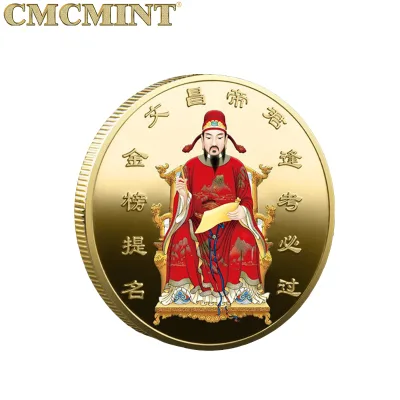
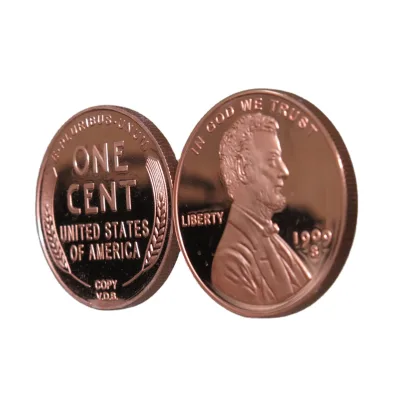
The product scope for digital printing copper coins encompasses a wide variety of applications, including personal decorations, promotion gifts, souvenirs, and religious crafts. Observed listings indicate that these items are frequently marketed for use in daily life, banquets, sports activities, and collection purposes. The style of these coins can vary significantly, ranging from retro and punk aesthetics to ethnic and creative designs. Buyers should note that the "copper" appearance is often achieved through plating processes such as antique brass, gold, nickel, or bronze finishes, rather than using solid copper cores. This distinction is critical for buyers who require specific material properties, such as magnetic susceptibility or specific weight characteristics, for their intended use cases.
Listing signals also reveal a strong emphasis on surface treatment and craftsmanship. Common processes include painting, 3D relief effects, engraving, and enamel filling, which are often combined with digital printing to create multi-layered visual effects. The surface coating options extend to gold, silver, and nickel plating, with some products offering anti-tarnish treatments to maintain appearance over time. Additionally, detailed craftsmanship techniques such as laser cutting, hollowing, and inlaying are available for premium tiers of these products. Buyers should carefully review product images and descriptions to verify whether the digital print is applied directly to the metal or if it is part of a more complex assembly involving multiple materials like zinc alloy, iron, or red copper.
Technical Specifications to Verify
When verifying technical specifications, buyers must prioritize the core material composition and the specific plating or coating method used. While the keyword suggests copper, many suppliers offer coins made from zinc alloy, iron, or bronze with a copper-colored finish. It is essential to confirm whether the product is solid metal or a plated base metal, as this affects both the cost and the longevity of the print. The thickness and diameter of the coin are also critical dimensions, with observed models ranging from 31.75mm to 101.2mm in diameter. Buyers should request detailed technical drawings or physical samples to verify these dimensions, especially if the coins need to fit into specific packaging or display mechanisms.
The digital printing process itself requires careful evaluation to ensure durability and quality. Techniques such as UV printing and thermal transfer printing are commonly used, each offering different advantages in terms of color vibrancy and resistance to wear. Buyers should inquire about the adhesion properties of the print and whether a protective clear coat or varnish is applied to prevent scratching or fading. Additionally, the resolution of the digital print and the ability to reproduce fine details, such as small text or complex logos, should be verified. Suppliers may also offer additional finishing processes like hand polishing or hand finishing, which can enhance the overall aesthetic but may impact production timelines and costs.
Compliance and Safety Documentation
Compliance and safety documentation for digital printing copper coins primarily focus on material safety and environmental regulations. Buyers should verify that the metals used, particularly any plating materials, comply with relevant international standards for heavy metal content, such as lead and cadmium restrictions. This is especially important if the coins are intended for use by children or for prolonged skin contact. Suppliers should provide material safety data sheets (MSDS) or test reports confirming that the products meet the safety requirements of the destination market, whether it is the European Union, North America, or other regions with strict chemical regulations.
Environmental compliance is another critical aspect, particularly regarding the printing inks and coatings used. Buyers should inquire about the VOC (Volatile Organic Compounds) content of the digital printing inks and whether they are RoHS or REACH compliant. Additionally, the packaging materials should be evaluated for sustainability, with options like recycled paper or biodegradable materials becoming increasingly important for brands with strong environmental commitments. Suppliers who can provide certifications for their manufacturing processes, such as ISO 14001 for environmental management, may offer added assurance regarding their compliance practices. Buyers should also consider the end-of-life disposal of the coins, ensuring that the materials can be recycled or disposed of safely in accordance with local regulations.
Cost Drivers and Commercial Terms
The cost of digital printing copper coins is driven by several key factors, including the base material, the complexity of the design, and the quantity ordered. Solid copper or bronze coins will naturally be more expensive than those made from zinc alloy or iron with a copper-colored plating. The digital printing process adds a layer of cost based on the number of colors, the resolution required, and the setup fees for the printing plates or digital files. Buyers should also consider the cost of additional finishing processes, such as 3D embossing, enamel filling, or laser engraving, which can significantly increase the unit price. Understanding these cost drivers allows buyers to make informed decisions about where to allocate their budget for maximum impact.
Commercial terms, including minimum order quantities (MOQs) and payment terms, vary widely among suppliers. Observed MOQs range from as low as one piece for prototyping to 1000 pieces for standard production runs. Buyers should negotiate MOQs based on their specific needs, especially for initial orders or limited-edition releases. Payment terms typically involve a deposit upon order confirmation and the balance upon shipment, but buyers should seek favorable terms for repeat orders or large volumes. Additionally, shipping costs and lead times should be factored into the total cost of ownership. Buyers should clarify whether the quoted price includes packaging, such as custom gift boxes or brocade bags, and whether these options incur additional charges.
Supplier Qualification and Quality Control
Supplier qualification for digital printing copper coins requires a thorough assessment of their manufacturing capabilities and quality control processes. Buyers should verify the supplier’s experience in producing metal coins and their proficiency with digital printing technologies. This can be done by reviewing their portfolio of past projects, requesting references, or conducting a factory audit if the order volume justifies it. Suppliers with in-house design and printing capabilities may offer faster turnaround times and greater flexibility for design changes. It is also important to assess their quality control protocols, including in-process inspections and final product checks, to ensure consistency across large batches.
Quality control should extend to the durability and appearance of the final product. Buyers should request samples to test the adhesion of the digital print, the resistance of the plating to tarnishing, and the overall structural integrity of the coin. Suppliers should provide clear specifications for acceptable tolerances in dimensions and weight, as well as criteria for visual defects such as scratches, discoloration, or misalignment. Establishing a clear quality agreement before production begins can help prevent disputes and ensure that the final product meets the buyer’s expectations. Buyers should also consider implementing a third-party inspection service for large orders to provide an independent verification of quality before shipment.
Long-Term Procurement Checks
Long-term procurement checks for digital printing copper coins involve monitoring supplier performance and market trends to ensure continued value and reliability. Buyers should establish key performance indicators (KPIs) such as on-time delivery rates, defect rates, and responsiveness to issues. Regular reviews of these metrics can help identify potential problems early and foster a collaborative relationship with the supplier. Additionally, buyers should stay informed about advancements in digital printing technologies and materials that could offer improvements in quality, cost, or sustainability. This proactive approach allows buyers to leverage new innovations and maintain a competitive edge in their use of these promotional or commemorative items.
Sustainability and ethical sourcing are increasingly important considerations for long-term procurement strategies. Buyers should regularly assess their suppliers’ environmental practices and social responsibility policies, ensuring that they align with the buyer’s corporate values. This may involve requesting updates on certifications, conducting periodic audits, or engaging in dialogue about continuous improvement initiatives. By prioritizing ethical and sustainable sourcing, buyers can mitigate reputational risks and contribute to a more responsible supply chain. Furthermore, maintaining a diverse supplier base can reduce dependency on a single source and provide greater flexibility in responding to market fluctuations or supply chain disruptions.
FAQs
How is the Digital Printing Copper Coin customized for buyers?
Customization is available for digital printing copper coins with options for unique designs and specific plating finishes. Buyers can request custom designs, and the manufacturer accepts OEM and ODM requests to meet specific branding needs.
What materials are used to make these digital printing copper coins?
These coins are primarily made from metal alloys including zinc alloy, iron, bronze, and red copper. The material selection supports various surface treatments like painting, enamel, and plating to achieve the desired antique or modern aesthetic.
Which surface coating options are available for the coin products?
Available surface coatings include gold plating, silver plating, nickel plating, and anti-tarnish treatments. Additional finishes like painting, 3D effects, and engraving can be applied to enhance the visual appeal and durability of the coin.
Can buyers order low minimum quantity orders for these coins?
Yes, low minimum order quantities are accepted for these digital printing copper coins. The observed MOQ range spans from 1 to 1000 units, allowing flexibility for small promotional batches or large commercial orders without excessive inventory pressure.
What packaging options are provided for shipping the coins?
Packaging options include customized gift boxes, brocade gift bags, cotton, and general packing with PP materials. These choices ensure the coins are protected during maritime or land transportation while offering premium presentation for gifts and souvenirs.
How are the coins processed using modern technology?
Modern technology such as laser cutting and CNC machine processing is used to create precise coin shapes. Detailed craftsmanship involves laser engraving, hollowing, and inlaying, followed by hand polishing and finishing to ensure high-quality results.
What are the typical applications for these digital printing coins?
These coins serve as personal decorations, promotion gifts, souvenirs, and religious crafts. They are also suitable for ceremonies, holiday gifts, business gifts, weddings, and sports activities, making them versatile for various commercial and personal uses.