Source Digital Touchscreen Air Fryer with Grill for Baking, Roasting, and Reheating
Find 30 Digital Touchscreen Air Fryer with Grill options from China suppliers. Compare models with 5.2L to 25L capacities, 1350W to 2200W power, and features like LED lighting and overheating protection for commercial and household use; compare the available evidence and request quotations based on your requirements.
Updated
Key considerations
Products List


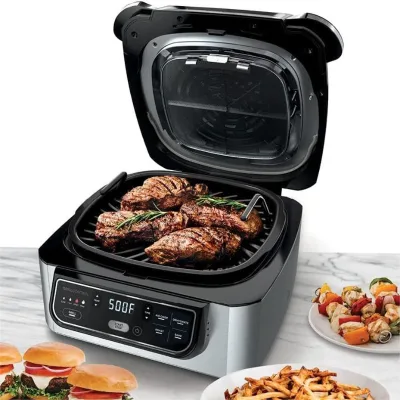
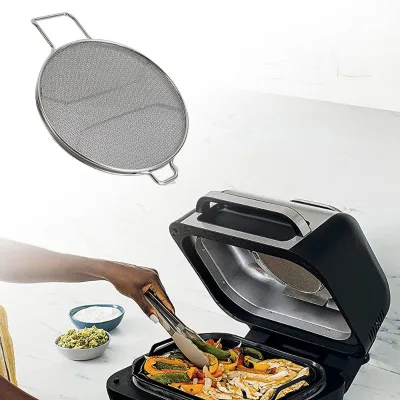
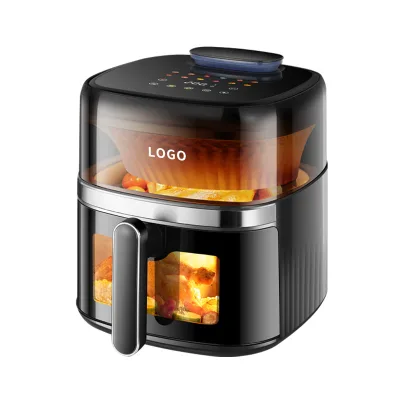
Non-stick Coating PTFE Digital Air Fryer Grill With 6 Preset Cooking Programs
$54.0759 - $60.0958
MOQ: 800 Minimum
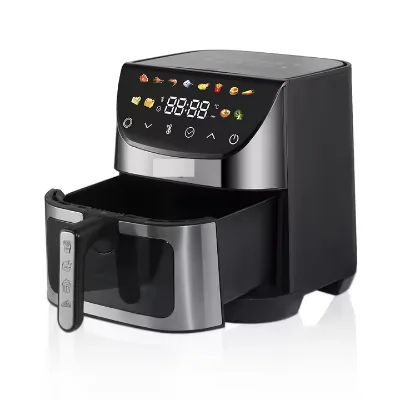
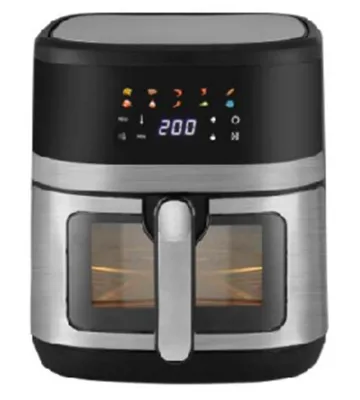
Air Fryers Touch Screen Control Multi Mode Air Fryer for Roasting Baking Quick Easy Meals
$31.2784 - $31.8693
MOQ: 2 pieces




Comprehensive Sourcing Guide
Digital Touchscreen Air Fryer with Grill Sourcing Guide
Procuring digital touchscreen air fryers with integrated grill functions requires a nuanced understanding of the current market landscape, where consumer demand for versatile, space-saving kitchen appliances continues to drive innovation. Buyers must navigate a diverse array of listings that vary significantly in capacity, power output, and control interfaces. The observed market data indicates a wide price range from $13.70 to $10,000 USD, reflecting differences between basic household units and high-capacity commercial-grade equipment. This disparity necessitates a clear definition of end-use requirements before engaging with suppliers, as the technical specifications for a 5.2L household model differ vastly from those of a 25L industrial unit.
Furthermore, the availability of customization options adds a layer of complexity to the sourcing process. Many suppliers offer tailored solutions regarding color, packaging, and even functional adjustments, which can be advantageous for private labeling or specific regional market needs. However, this flexibility must be balanced against the potential for increased lead times and minimum order quantities (MOQs), which range from 1 to 2,000 units depending on the supplier’s production capacity and the extent of customization requested. Understanding these commercial variables is crucial for aligning procurement strategies with inventory goals and budget constraints.
Product Scope and Observed Listing Signals
The product scope for digital touchscreen air fryers with grill capabilities encompasses a variety of models designed for both household and light commercial use. Observed listings highlight capacities ranging from 5.2L to 25L, with power inputs typically spanning from 1350W to 2200W. These units are primarily marketed for baking bread, pizza, cakes, and biscuits, leveraging the grill function to achieve desired textures. The presence of a timing device and precise temperature control, often adjustable between 80°C and 230°C, allows for versatile cooking applications. Buyers should note that while many units feature touch screen operations, some still rely on mechanical timer controls, which may impact user experience and perceived value.
Listing signals also reveal significant variation in packaging and branding strategies. Products are frequently shipped in gift boxes, color boxes, or standard cartons, with some suppliers offering chroma packaging for premium positioning. The inclusion of features such as grease traps, oil collection systems, and LED interior lighting suggests a focus on ease of cleaning and user visibility. Additionally, the availability of different plug types and voltage options, including 120V/220V 50/60Hz compatibility, indicates that suppliers are catering to global markets. Buyers must carefully verify these electrical specifications to ensure compatibility with their target region’s infrastructure, avoiding costly returns or safety hazards.
Technical Specifications to Verify
When evaluating technical specifications, voltage and power frequency are critical parameters that must match the destination market’s electrical standards. Observed data shows units operating at 220V, 120V, or dual-voltage configurations with 50/60Hz frequency support. Power ratings vary from 1350W to 2200W, directly influencing heating speed and energy efficiency. Buyers should verify the exact power consumption for each model to calculate operational costs accurately. Additionally, the type of temperature control, whether mechanical or electronic, affects precision and durability. Electronic controls with touch screens generally offer finer adjustments but may be more susceptible to failure if not built with high-quality components.
Capacity and physical dimensions are equally important for logistics and storage planning. Models range from compact 5.2L units to larger 25L capacities, with specific dimensions such as 422369332mm noted for certain models. The internal capacity, often listed as 6-8L or 6L, should be cross-referenced with external dimensions to assess space efficiency. Features like micro safety switches, overheating protection, and keep-warm functions add value but require verification of their reliability. Buyers should request detailed technical datasheets that confirm these specifications, ensuring that the product meets both performance expectations and safety standards for the intended application.
Compliance and Safety Documentation
Compliance with international safety and environmental standards is non-negotiable for air fryer procurement. Observed certifications include LFGB, EMC, GS, CE, CB, RoHS, and CCC, indicating that some suppliers adhere to rigorous European and Chinese regulatory frameworks. Buyers must verify that the specific model they intend to purchase holds the relevant certifications for their target market. For instance, selling in Europe requires valid CE and EMC compliance, while the US market may necessitate UL or ETL certification, which was not explicitly listed in the observed data. Relying on generic certification claims without model-specific documentation can lead to customs delays or legal liabilities.
Safety features such as overheating protection and micro safety switches are critical for mitigating risk. These features should be validated through third-party test reports rather than relying solely on supplier assertions. Buyers should request evidence of these protections, including test results from accredited laboratories. Additionally, material safety certifications, such as RoHS, ensure that the product is free from hazardous substances. Verifying these documents early in the sourcing process helps establish a foundation of trust and ensures that the products meet all regulatory requirements, protecting both the buyer and the end consumer from potential safety incidents.
Cost Drivers and Commercial Terms
Cost drivers for digital touchscreen air fryers include material quality, electronic component sophistication, and customization levels. Units with touch screens and advanced temperature controls typically command higher prices than those with mechanical timers. The observed price range of $13.70 to $10,000 USD reflects this variance, with basic models at the lower end and high-capacity, fully customized units at the higher end. Buyers should analyze the cost breakdown to understand where value is added, such as in the use of powder-coated outer cases or specialized packaging. Understanding these drivers helps in negotiating better terms and identifying potential areas for cost reduction without compromising quality.
Commercial terms, including MOQs and lead times, significantly impact procurement planning. MOQs range from 1 to 2,000 units, offering flexibility for small buyers but potentially limiting economies of scale for larger orders. Lead times can vary based on customization requirements and production schedules. Buyers should negotiate clear terms regarding payment methods, shipping responsibilities, and warranty periods. Additionally, understanding the supplier’s capacity to handle rush orders or volume fluctuations is crucial for maintaining supply chain stability. Clear communication of these terms early in the negotiation process helps avoid misunderstandings and ensures a smooth transaction.
Supplier Qualification and Quality Control
Supplier qualification involves assessing manufacturing capabilities, quality management systems, and past performance. Buyers should verify the supplier’s origin, with many listed as originating from Shandong, China, a known hub for kitchen appliance manufacturing. Requesting factory audits or third-party verification reports can provide insights into production standards and ethical practices. Suppliers with established quality control processes are more likely to deliver consistent products. Buyers should also evaluate the supplier’s responsiveness and willingness to provide samples for testing, which is a critical step in validating product quality before committing to large orders.
Quality control measures should be integrated into the procurement process, including pre-production samples, in-line inspections, and final random inspections. Buyers should define clear acceptance criteria for defects, such as cosmetic imperfections or functional failures. Collaborating with the supplier to establish a robust quality assurance plan helps minimize the risk of receiving substandard products. Additionally, understanding the supplier’s approach to handling non-conforming products, including return policies and corrective action processes, is essential for managing potential issues. A proactive quality control strategy ensures that the final products meet the buyer’s expectations and maintain brand reputation.
Long-Term Procurement Checks
Long-term procurement success depends on continuous monitoring of supplier performance and market trends. Buyers should establish key performance indicators (KPIs) to track delivery times, product quality, and communication effectiveness. Regular reviews of these metrics help identify areas for improvement and strengthen the supplier relationship. Additionally, staying informed about technological advancements in air fryer design, such as new energy-efficient components or improved touchscreen interfaces, allows buyers to stay competitive. Engaging in periodic product reviews with the supplier can lead to collaborative innovations and better alignment with evolving consumer preferences.
Sustainability and regulatory changes also pose long-term risks that require proactive management. Buyers should monitor updates to environmental regulations and safety standards in their target markets to ensure ongoing compliance. Developing a diversified supplier base can mitigate risks associated with single-source dependencies. Furthermore, fostering open communication channels with suppliers encourages transparency and problem-solving. By maintaining a strategic approach to supplier management and staying adaptable to market changes, buyers can secure a reliable supply of high-quality digital touchscreen air fryers with grill functions, supporting long-term business growth and customer satisfaction.
FAQs
Can this Digital Touchscreen Air Fryer with Grill be customized?
Yes, customization is available for this Digital Touchscreen Air Fryer with Grill. Buyers can select custom colors and optional handle colors to match brand requirements. The product supports customized configurations, allowing for tailored packaging options such as gift boxes or cartons. This flexibility ensures the equipment meets specific aesthetic and operational needs for various commercial or household applications.
What voltage and power specifications does it support?
The Digital Touchscreen Air Fryer with Grill operates on 220V electric power with a frequency of 50/60Hz. Power ratings vary by model, ranging from 1350W to 2200W. Some units support 120V/220V compatibility. These specifications ensure efficient heating for baking bread, pizza, cake, and biscuits, providing reliable performance for both household and light commercial kitchen environments with stable electrical connections.
What safety features are included in the design?
This Digital Touchscreen Air Fryer with Grill includes multiple safety mechanisms. It features a micro safety switch and overheat protection to prevent dangerous temperature spikes. The unit also incorporates an overheating protection system and an oil collection feature to manage grease safely. These attributes ensure secure operation during extended baking or grilling sessions, protecting both the user and the equipment from thermal damage.
What certifications does the manufacturer hold?
The Digital Touchscreen Air Fryer with Grill holds comprehensive certifications including LFGB, EMC, GS, CE, CB, RoHS, and CCC. These standards verify compliance with international safety and environmental regulations. Buyers can rely on these documented certifications for market entry in regions requiring strict electrical and material safety approvals, ensuring the product meets global quality benchmarks for household and commercial kitchen appliances.
What is the capacity and size of the unit?
The Digital Touchscreen Air Fryer with Grill offers capacities ranging from 5.2L to 12L, with some models supporting up to 25L. Product dimensions are approximately 422x369x332mm for specific models. This capacity range accommodates various baking needs for bread, pizza, and cakes. The compact yet spacious design fits well in standard kitchen counters while providing sufficient volume for preparing meals for families or small groups.
How is the temperature and timing controlled?
Temperature control ranges from 80°C to 230°C, allowing precise baking for diverse foods. Timing devices offer adjustable durations, typically up to 90 minutes or 60 minutes depending on the model. Control modes include mechanical timers and touch screen interfaces. This combination of mechanical and electronic options provides users with flexible operation methods to achieve optimal cooking results for grilled or baked items with consistent heat distribution.