Source USB Powered Mini Humidifier for Car Home Industry
Compare 30 USB Powered Mini Humidifier models with mist discharge and USB power types. Buyers can evaluate capacities ranging from 330ml to 800ml, materials like PP and ABS, and features such as manual or automatic humidity control for car, home, and industry applications.
Key considerations
Products List


Humidifier Mini Car Mini Silent Fog Colorful Atmosphere Light Home Air Conditioner
$3.36 - $3.58
MOQ: 1000 Pieces


Creative Mute Mini Air Humidifier USB Charging Portable with LED Night Lamp
$4.70 - $5.70
MOQ: 600 Pieces


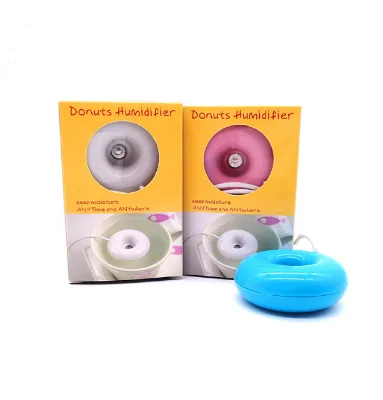


USB Mini Air Humidifier Small Ultrasonic Mist Air Humidifier with Colorful Light
$3.34 - $3.96
MOQ: 200 Pieces

Personal USB Mini Cool Mist Humidifier Portable Air Humidifier with Light
$4.60 - $5.40
MOQ: 100 Pieces

Wholesale Mini Portable Ultrasonic Cool Mist Humidifier USB Car Humidifier
$5.93 - $6.54
MOQ: 100 Pieces


USB Mini Humidifier Air Purifier Essential Oil Fragrance Aroma Diffuser
$11.42 - $16.97
MOQ: 200 Pieces


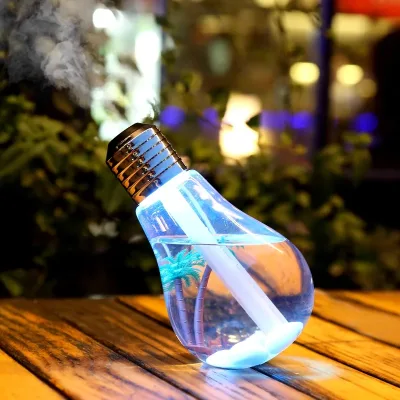
Comprehensive Sourcing Guide
USB Powered Mini Humidifier Sourcing Guide
Sourcing USB-powered mini humidifiers requires a careful balance between portability features and functional reliability, as these devices serve diverse environments ranging from personal office desks to automotive interiors. Buyers must first define the specific use case, whether it involves dry air mitigation in home settings, industrial humidity maintenance, or comfort enhancement in vehicles. The observed market data indicates a wide variance in product capabilities, with some units offering basic mist discharge while others include advanced features like automatic humidity control or aromatherapy support. Understanding these distinctions is critical for aligning supplier offerings with end-user expectations, ensuring that the selected humidifier meets the precise operational demands of the target market without over-engineering the solution for simple hydration needs.
Procurement teams should also evaluate the physical design and power constraints inherent to USB-powered devices, which typically operate on low-voltage DC power sources. The available models show significant variation in dimensions, with some compact units measuring under ten centimeters in height, while others are larger, box-style devices designed for stationary use. This size diversity directly impacts shipping costs and storage efficiency, making it essential to verify packing specifications and material composition early in the sourcing process. By focusing on these tangible attributes, buyers can better assess the total landed cost and logistical feasibility, ensuring that the chosen humidifiers fit seamlessly into existing supply chain workflows and retail packaging requirements.
Product Scope and Observed Listing Signals
The current market landscape for USB-powered mini humidifiers reveals a broad spectrum of product configurations, with observed listings indicating a price range from approximately $0.51 to $16.97 USD. This wide variance suggests that buyers can find options for both budget-conscious mass markets and premium niche segments, depending on the desired feature set and build quality. Minimum order quantities (MOQs) also vary significantly, ranging from as low as two units for sampling or small batches to 3,000 units for large-scale industrial procurement. This flexibility allows buyers to tailor their initial orders to their risk tolerance and inventory capacity, while also providing leverage for negotiating better terms as order volumes increase.
Key product attributes observed in the market include mist discharge as the primary humidification method, with most units operating via USB power sources. While many models lack aromatherapy functions, a subset of products explicitly supports essential oil diffusion, catering to wellness-focused consumers. Additionally, some units feature automatic humidity control and water shortage power-off protection, enhancing safety and convenience, whereas others rely on manual operation and lack these protective mechanisms. Buyers should carefully review these specifications to ensure alignment with their target audience’s preferences, avoiding assumptions that all listed products share the same feature set, as customization options are widely available across the supplier base.
Technical Specifications to Verify
When evaluating technical specifications, buyers must prioritize power parameters to ensure compatibility with various USB power sources, such as wall adapters, power banks, or vehicle cigarette lighters. Observed data indicates that many units operate on DC5V, with actual power consumption ranging from 1.5W to 3W and rated currents between 400mA and 600mA. These electrical characteristics are crucial for determining the device’s efficiency and heat generation, which can impact user comfort and safety during extended use. Verifying these specs with suppliers is essential to prevent compatibility issues and ensure that the humidifiers perform reliably under different power conditions, especially in mobile or outdoor applications where power stability may vary.
Physical dimensions and material composition are equally important factors that influence both product performance and logistics. Available models show a wide range of sizes, from compact units measuring around 7.8x7.8x13cm to larger devices exceeding 98x98x146mm, with water capacities varying from 330ml to 800ml. Materials typically include PP (polypropylene) or ABS+PP blends, which offer durability and resistance to water damage. Buyers should request detailed dimension drawings and material safety data sheets to confirm that the products meet their quality standards and regulatory requirements. Additionally, verifying the operation method, such as button controls versus touch interfaces, ensures that the user experience aligns with brand expectations and functional simplicity.
Compliance and Safety Documentation
Compliance and safety documentation are non-negotiable aspects of sourcing USB-powered mini humidifiers, particularly given their electrical nature and potential use in sensitive environments. Buyers must ensure that suppliers provide relevant certifications, such as CE and RoHS, which indicate adherence to European safety and environmental standards. These certifications are critical for market access in many regions and help mitigate legal risks associated with non-compliant products. It is essential to verify the authenticity and scope of these certifications, as some suppliers may claim compliance without providing valid documentation. Requesting test reports from accredited laboratories can further validate the safety of electrical components and material toxicity, ensuring that the products meet international regulatory requirements.
Water safety and electrical protection features are also key areas of focus for compliance verification. Products with water shortage power-off protection offer an added layer of safety, preventing damage to the device and reducing fire risks. Buyers should inquire about the reliability of these safety mechanisms and request evidence of their functionality through third-party testing. Additionally, verifying the product voltage and current ratings against stated specifications helps ensure that the devices do not pose electrical hazards. By prioritizing comprehensive compliance documentation, buyers can protect their brands from potential liabilities and ensure that the humidifiers are safe for end-users, thereby enhancing customer trust and satisfaction.
Cost Drivers and Commercial Terms
Cost drivers for USB-powered mini humidifiers include material selection, manufacturing complexity, and customization requirements. Products made from higher-grade materials like ABS+PP or those featuring advanced functions such as automatic humidity control typically command higher prices. Customization options, including logo printing, packaging design, and color variations, can also impact the unit cost, especially for smaller order quantities. Buyers should analyze these factors to understand the cost structure and identify opportunities for savings without compromising quality. Negotiating volume discounts and optimizing packaging to reduce shipping costs are effective strategies for managing overall procurement expenses, particularly for large-scale orders.
Commercial terms, including MOQs, payment terms, and lead times, play a significant role in the procurement process. Observed MOQs range from 2 to 3,000 units, offering flexibility for different business models. Buyers should negotiate favorable payment terms, such as partial upfront payments and balance upon shipment, to manage cash flow effectively. Lead times can vary based on order size and customization requirements, so it is crucial to establish clear timelines with suppliers to avoid delays. Additionally, understanding the supplier’s production capacity and quality control processes can help mitigate risks associated with supply chain disruptions. By carefully managing these commercial terms, buyers can ensure a smooth and cost-effective procurement experience.
Supplier Qualification and Quality Control
Supplier qualification is a critical step in ensuring the reliability and consistency of USB-powered mini humidifier supplies. Buyers should conduct thorough due diligence, including verifying business licenses, manufacturing capabilities, and past performance records. Requesting samples for evaluation is essential to assess product quality, functionality, and build integrity before committing to large orders. Suppliers with a proven track record of delivering high-quality products and meeting deadlines are preferable, as they reduce the risk of supply chain disruptions. Additionally, evaluating the supplier’s communication responsiveness and willingness to collaborate on customization requests can provide insights into their professionalism and commitment to customer satisfaction.
Quality control measures should be implemented throughout the production process to ensure that the final products meet specified standards. Buyers should establish clear quality criteria, including dimensional accuracy, electrical performance, and material safety, and communicate these requirements to suppliers. Implementing pre-shipment inspections can help identify and rectify defects before products are dispatched, reducing the likelihood of customer complaints and returns. Collaborating with third-party inspection agencies can provide an objective assessment of product quality and compliance. By prioritizing rigorous quality control, buyers can maintain high product standards and protect their brand reputation in the competitive humidifier market.
Long-Term Procurement Checks
Long-term procurement success depends on continuous monitoring of supplier performance and market trends. Buyers should regularly review supplier metrics, such as on-time delivery rates, defect rates, and responsiveness to issues, to identify areas for improvement. Establishing key performance indicators (KPIs) and conducting periodic supplier audits can help maintain high standards and drive continuous improvement. Additionally, staying informed about emerging technologies and design trends in the humidifier market allows buyers to anticipate changes in consumer preferences and adjust their sourcing strategies accordingly. This proactive approach ensures that the product portfolio remains competitive and relevant over time.
Building strong, collaborative relationships with suppliers is also essential for long-term procurement stability. Open communication, mutual trust, and shared goals can foster partnerships that lead to better pricing, priority production, and innovative solutions. Buyers should engage in regular business reviews with key suppliers to discuss performance, address concerns, and explore opportunities for collaboration. Additionally, diversifying the supplier base can mitigate risks associated with single-source dependencies, ensuring continuity of supply in case of disruptions. By focusing on relationship management and strategic planning, buyers can secure a reliable and efficient supply chain for USB-powered mini humidifiers, supporting sustained business growth and customer satisfaction.
FAQs
How is the mist generated in these humidifiers?
The mist is generated using ultrasonic technology which discharges fine water particles into the air. This method operates quietly and efficiently without requiring heat, making it suitable for car, home, and industrial environments where consistent humidity is needed.
What power source do these devices use?
These devices operate on USB power with a rated voltage of DC5V. The actual power consumption ranges from 1.5W to 3W depending on the specific model, drawing a rated current between 400mA and 600mA to ensure safe and portable operation.
Can I customize the packaging for bulk orders?
Yes, customization is available for both the product and its packaging. Buyers can request specific carton arrangements or custom packaging solutions to meet branding requirements, ensuring the product arrives safely while aligning with your specific business needs.
Which models offer water shortage protection?
Some models include water shortage power-off protection while others do not. Buyers should verify the specific model number, such as BT 251121p8, to confirm if the device automatically shuts off when the water tank is empty to prevent damage.
What certifications do the products hold?
Selected models carry CE and RoHS certifications to ensure safety and environmental compliance. These standards verify that the materials and electrical components meet international requirements for health, safety, and environmental protection before being shipped to international markets.
How is humidity controlled in these units?
Humidity control is primarily manual, requiring user adjustment rather than automatic sensors. Some advanced models may offer automatic settings, but most units rely on the user to manage the mist output based on the current room conditions and personal preference.
What materials are used to build the humidifier?
The main body is constructed from durable PP or ABS plus PP materials. These plastics provide resistance to water damage and ensure the unit remains lightweight and portable, suitable for use in cars, homes, or various industrial settings.