Source Disposable Breathable Maternity Pads for women, pregnancy, and postpartum care
Find 30 listings for Disposable Breathable Maternity Pads with options for customization, various sizes, and ISO certifications. Buyers can compare absorbency features, materials, and pricing to select the right products for feminine hygiene needs.
Key considerations
Products List


Super Absorbent Lady Maternity Pad Disposable Cotton Sanitary Maternity Pad
$0.10 - $0.20
MOQ: 65000 Pieces


Free Sample Disposable Incontinence Pads for Babies Breathable Maternity Pad
$0.01 - $0.03
MOQ: 10000 Pieces


Maternity Disposable Pads for Postpartum Use, Leakproof Back Sheet and Extra Thick Core
$0.01 - $0.03
MOQ: 10000 Pieces


Chinese Factory Incontinence Pad Medical Disposable Underpad Maternity Pad
$0.01 - $0.30
MOQ: 50000 Pieces

High Quality Disposable Underpad Baby Changing Pad Maternity Sanitary Underpad
$0.01 - $0.30
MOQ: 10000 piece

Disposable Maternity Bed Mat Adult Incontinence PEE Bed PA Disposable Under Pad
$0.01 - $0.30
MOQ: 10000 piece

Disposable Sanitary Cotton Super Absorbent Ladies Maternity Pad for Women
$0.06 - $0.08
MOQ: 50000 Pieces


Factory Supply Attractive Price Disposable Urine Pads Under Pad Maternity Pad
$0.12 - $0.13
MOQ: 50000 Pieces


Comprehensive Sourcing Guide
Strategic Sourcing Guide for Disposable Breathable Maternity Pads
Understanding Product Specifications and Technical Attributes
When sourcing Disposable Breathable Maternity Pads, buyers must first establish a clear understanding of the technical specifications that define product performance and suitability for the intended market. The core keyword implies a product designed for postpartum recovery, requiring specific material properties and structural integrity. Based on available market data, these products are predominantly manufactured using non-woven materials, which provide the necessary breathability and softness required for sensitive postpartum skin. The backsheet is typically constructed from PE (Polyethylene) film, a standard choice that ensures leak protection while maintaining a degree of moisture vapor transmission.
The absorbent core is a critical differentiator in this category. High-performance units often utilize a composite structure consisting of a tissue layer mixed with fluff pulp and super absorbent polymer (SAP). Some variations in the market specify the use of fluff pulp combined with Japanese-grade SAP, which suggests a focus on high absorption capacity and rapid liquid acquisition. The physical dimensions of these pads vary significantly to accommodate different usage scenarios. Observed standard lengths range from 260mm to 400mm, with specific model configurations noted at 420mm by 160mm or 360mm by 160mm. These dimensions are essential for ensuring adequate coverage during heavy flow periods associated with maternity use.
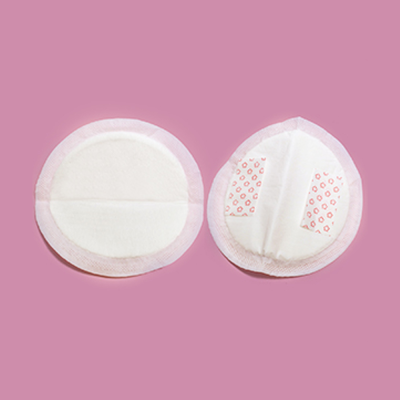
Structural design also plays a pivotal role in functionality. The market presents two primary shape configurations: winged and wingless. Winged designs offer enhanced security by allowing the pad to be taped to the underwear, preventing lateral shifting, which is particularly beneficial for active recovery periods. Conversely, wingless designs may be preferred for specific medical applications or by users who prioritize ease of removal. The surface pattern is another variable; while some products are offered without pattern to maintain a clinical or minimalist aesthetic, others feature fashionable patterns to appeal to consumer preferences. The color is predominantly white, though customization options are frequently available to match specific branding or aesthetic requirements.
Compliance, Certification, and Regulatory Standards
Navigating the regulatory landscape is a fundamental step in the procurement of medical-adjacent hygiene products like maternity pads. While these items are often classified as general consumer goods, the claims of "breathability" and "super absorbency" necessitate rigorous verification of quality and safety. Buyers should prioritize suppliers who can demonstrate adherence to recognized international management standards. ISO certification is a frequently observed credential in this sector, indicating that the manufacturing facility operates under a standardized quality management system. Additionally, third-party verification bodies such as SGS are often cited, providing an external audit of the product's compliance with safety and quality benchmarks.
It is crucial for buyers to verify that the specific certifications held by a supplier apply to the exact product model being procured. The presence of an ISO certificate does not automatically guarantee that every SKU meets the same rigorous standards, nor does it validate specific material safety claims without supporting test data. Buyers must request current certification documents and ensure they cover the relevant production lines. Furthermore, while some suppliers list "Warranty" periods, such as a 3-year claim, this is an unusual attribute for a disposable hygiene product and requires clarification. In the context of disposables, this likely refers to the shelf-life stability or the manufacturer's guarantee against manufacturing defects rather than a functional warranty on the product's use.
Regulatory compliance also extends to the materials used in the absorbent core and the backsheet. The use of fluff pulp and SAP must be free from harmful contaminants. Buyers should inquire about the source of the raw materials, particularly the SAP, as the origin and quality of the polymer directly impact the pad's ability to lock in moisture and prevent bacterial growth. While specific chemical standards are not universally mandated for all regions, adherence to general safety guidelines regarding skin contact and biocompatibility is expected. The "External Use" designation confirms the product is not intended for internal insertion, a critical safety distinction that must be clearly communicated in all marketing and labeling materials.
Cost Drivers and Pricing Dynamics
The pricing structure for Disposable Breathable Maternity Pads is influenced by a complex interplay of material costs, manufacturing complexity, and order volume. The observed price range in the market spans from $0.01 to $0.35 per unit, a wide variance that reflects differences in quality, size, and customization levels. The lower end of this spectrum typically corresponds to basic, non-customized products with standard dimensions and minimal packaging. In contrast, the higher price points are associated with premium features such as Japanese-grade SAP, custom designs, intricate patterns, and specialized packaging solutions.
Material composition is a primary cost driver. The inclusion of high-quality fluff pulp and advanced SAP formulations increases the base cost of the product. Similarly, the choice of backsheet material, while often PE film, can vary in thickness and breathability properties, affecting the final price. Customization is another significant factor. Suppliers offering "Custom Design" and "OEM Brand" services typically charge a premium due to the setup costs for new molds, printing plates, and the logistical complexity of managing smaller, bespoke production runs. The availability of "Freely Samples" is a common industry practice, but the cost of these samples and the subsequent bulk order pricing must be evaluated in the context of the total landed cost.
Order volume, represented by the Minimum Order Quantity (MOQ), exerts a substantial influence on unit pricing. The observed MOQ range is extensive, stretching from 1 unit to 600,000 units. Buyers purchasing at the lower end of this spectrum, perhaps for market testing or small-scale distribution, will face higher per-unit costs. Conversely, large-volume buyers can leverage economies of scale to secure prices closer to the lower bound of the observed range. Payment terms, such as T/T (Telegraphic Transfer), are standard and can impact cash flow planning, though they do not directly alter the unit price unless negotiated as part of a larger contract. Buyers must also account for logistics, as the "Delivery Time" of 25-30 days suggests a lead time that must be factored into inventory planning and cost projections.
Typical Applications and User Demographics
Disposable Breathable Maternity Pads are specifically engineered to meet the unique needs of women during the postpartum period. The primary user demographic includes feminine consumers, with a specific focus on pregnant women and new mothers. The product is designed for external use, providing a comfortable and secure solution for managing postpartum bleeding, which can be heavy and unpredictable in the days following childbirth. The "Super Absorbent" and "Fast and High" absorbency features are critical for this application, ensuring that the user remains dry and protected throughout the day and night.
The intended usage time is a key specification, with many products optimized for "Night" use. This implies a need for extended wear time without leakage, necessitating a robust absorbent core and a reliable backsheet. The "Wingless" and "Winged" options cater to different sleeping positions and comfort preferences. For instance, winged pads may provide better stability for users who move frequently during sleep, while wingless pads might be preferred for ease of changing in a hospital or home setting. The "Fan-Shape" feature mentioned in product attributes suggests a design that conforms to the body's contours, enhancing comfort and reducing the risk of side leakage.
Beyond the immediate postpartum period, these pads may also serve as a general feminine hygiene solution for women with heavy menstrual flow, particularly during the "Maxi / Super" flow stages. The "Breathable" attribute is essential for preventing skin irritation and maintaining hygiene during extended wear. The "Without Flavor" specification is particularly relevant for maternity use, as scented products can sometimes cause irritation or allergic reactions in sensitive postpartum skin. The "Individual Packed" nature of the product ensures that each pad remains sterile and clean until the moment of use, which is a critical hygiene factor for new mothers.
Supplier Evaluation and Quality Control Protocols
Selecting a reliable supplier for disposable maternity pads requires a thorough evaluation of their quality control (QC) processes and production capabilities. The industry standard for QC in this sector involves a combination of 100% sampling and random sampling tests. Buyers should verify that the supplier implements a rigorous testing regime that covers every stage of production, from raw material inspection to final packaging. The presence of "Test" protocols in the supplier's profile indicates a commitment to verifying product performance against defined standards.
When evaluating suppliers, buyers should look for evidence of consistent production output and the ability to meet the "100% Sampling" requirement. This level of scrutiny ensures that defective units are identified and removed before the product reaches the market. The "Quality Control" attribute often includes checks for absorbency, leakage, and structural integrity. Buyers must ensure that the supplier's QC protocols align with the specific performance claims made by the product, such as "Odor Control" and "Super Absorbent" capabilities.
The manufacturing location is another critical factor in supplier evaluation. The majority of the observed products originate from China, a major hub for non-woven hygiene product manufacturing. Buyers should assess the supplier's logistical capabilities, including their ability to meet the "25-30 Days" delivery time and their experience with international shipping. The "Bag" and "Polybag/Carton" packing options indicate the level of protection provided during transit. A reputable supplier will offer robust packaging solutions to prevent damage and maintain product hygiene during shipping. Additionally, the ability to provide "Samples" for pre-shipment evaluation is a strong indicator of a supplier's confidence in their product quality and their willingness to engage in a transparent procurement process.
Long-Term Procurement Considerations and Sustainability
Sourcing disposable hygiene products involves long-term strategic considerations that extend beyond the immediate transaction. Buyers must evaluate the scalability of their supply chain to accommodate fluctuating demand, particularly during peak seasons or product launches. The wide range of observed MOQs, from single units to 600,000 units, suggests that suppliers are capable of supporting both pilot programs and large-scale distribution. However, buyers should negotiate clear terms regarding production capacity and lead times to ensure that supply remains consistent as order volumes grow.
Sustainability is an increasingly important factor in the procurement of disposable products. While the current market data highlights features like "Breathable" and "Super Absorbent," buyers should inquire about the environmental impact of the materials used. The use of non-woven materials and PE film raises questions about biodegradability and waste management. Forward-thinking procurement strategies involve exploring suppliers who are developing more eco-friendly alternatives or who have clear plans for reducing their environmental footprint. The "Custom Design" and "OEM Brand" options allow buyers to differentiate their products in a competitive market, but these customizations must be balanced with sustainability goals.
Finally, the long-term relationship with a supplier depends on clear communication and mutual trust. The availability of "Customized Logo" and "OEM Brand" services indicates a willingness to collaborate on branding and marketing. Buyers should establish open lines of communication to discuss product improvements, market feedback, and potential innovations. The "3 Years" warranty, while unusual for disposables, may reflect a long-term commitment to product reliability and customer satisfaction. By focusing on these strategic elements, buyers can build a resilient supply chain that delivers high-quality, breathable maternity pads while adapting to changing market dynamics and consumer expectations.
FAQs
What certifications do these pads have?
These pads hold ISO and SGS certifications to verify quality management and safety standards. Buyers should request current documents to ensure the specific model meets required benchmarks before ordering bulk quantities.
Can I customize the logo and design?
Customized logos and designs are available for these disposable pads. Suppliers offer OEM branding options and accept custom patterns, though setup costs may apply for smaller order volumes compared to standard white designs.
What is the typical lead time for delivery?
The standard delivery time for these products is 25 to 30 days from order confirmation. This lead time accounts for production scheduling and packaging, so buyers should plan inventory accordingly to avoid stockouts.
How are the pads packed for shipping?
Pads are individually packed in polybags with 10 pieces per bag and 20 bags per carton. This packaging ensures hygiene and protection during transit while facilitating easy distribution to retail outlets or medical facilities.
What materials are used for the absorbent core?
The absorbent core typically combines fluff pulp with super absorbent polymer, sometimes sourced from Japan. This composite structure ensures fast absorption and high capacity, making the pads suitable for heavy flow and night use.
Are samples available for testing before bulk order?
Free samples are offered to allow buyers to test product quality and absorbency before committing to large orders. This practice helps verify that the pads meet specific performance requirements regarding breathability and leak protection.