Source Reusable Bamboo Breastfeeding Nursing Pads for Travel
Explore 30 options for Reusable Bamboo Breastfeeding Nursing Pads. Compare key attributes such as material composition, size variations, and customization capabilities to identify suitable suppliers for your private label or OEM requirements in the maternal care market; compare the available evidence and request quotations based on your requirements.
Key considerations
Products List

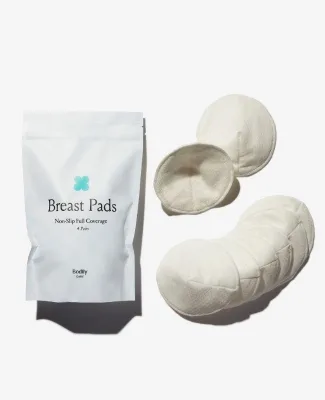


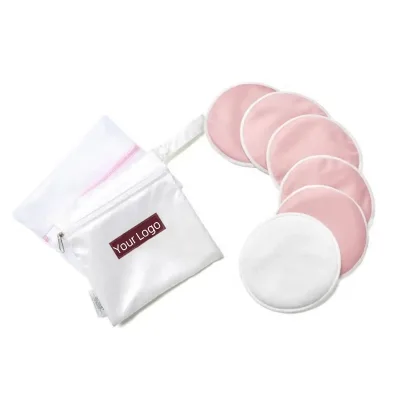
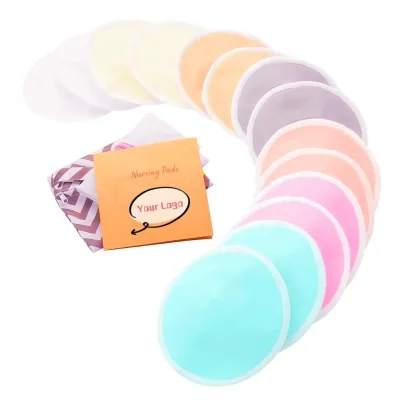
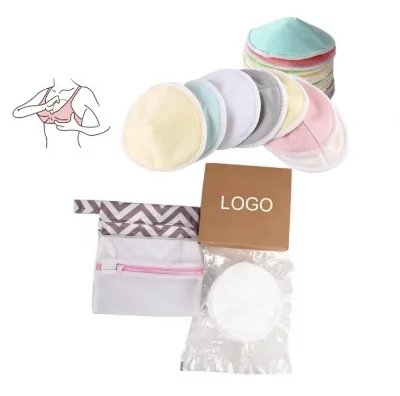
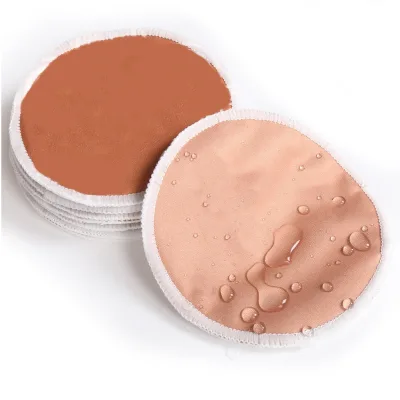
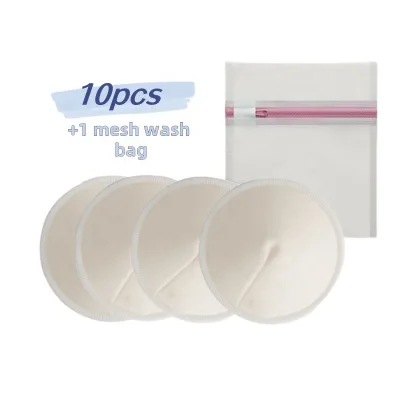
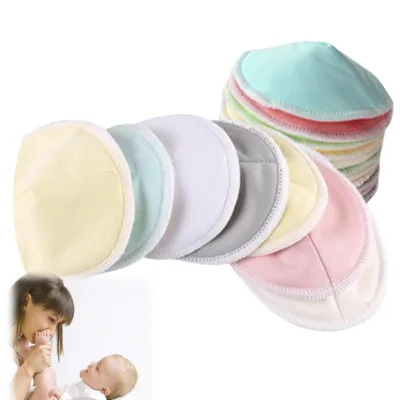


Stay Dry Non Washable Absorbency Disposable Breast Nursing Pads for Breastfeeding
$0.02 - $0.10
MOQ: 10000 Pieces


Soft and Smooth Nursing Absorbent Pads Breast Disposable Pads for Moms
$0.02 - $0.10
MOQ: 10000 Pieces

Comprehensive Sourcing Guide
Reusable Bamboo Breastfeeding Nursing Pads Sourcing Guide
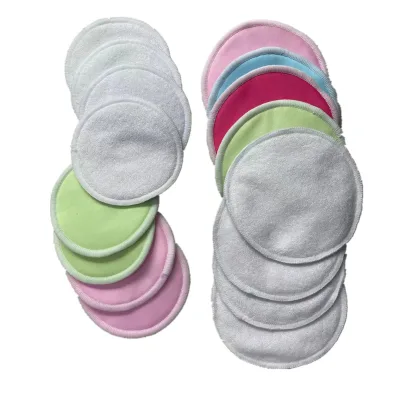
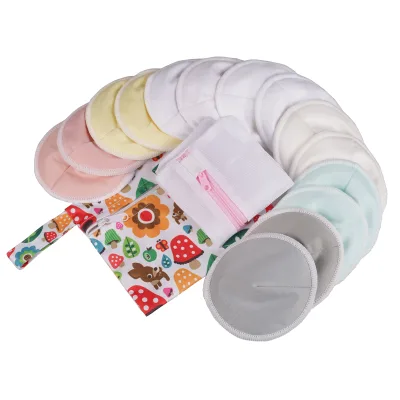
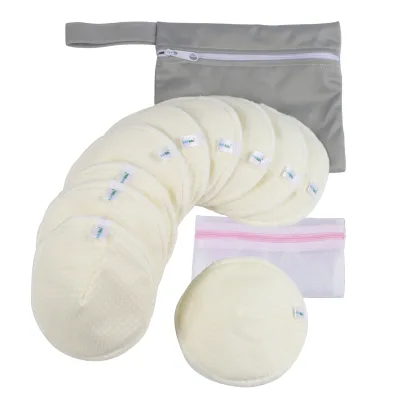
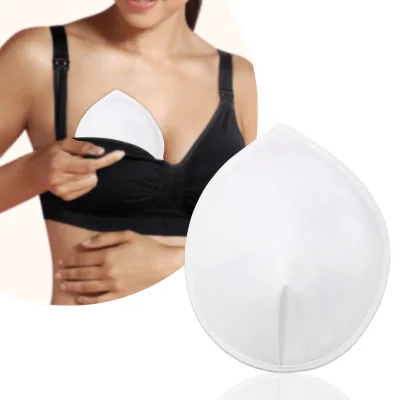
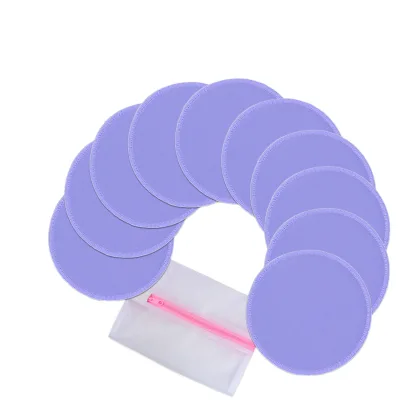
Procurement teams must first distinguish between the specific product attributes observed in the market and general category expectations. The available data indicates a clear focus on reusable nursing pads constructed from bamboo and cotton materials, with specific models like JMBamboo and RST series variants appearing in listings. Buyers should verify that the "breast mouse pad" or "nursing pad" terminology aligns with the actual physical dimensions and intended use, as some listings contain conflicting descriptors that require clarification before placing orders.
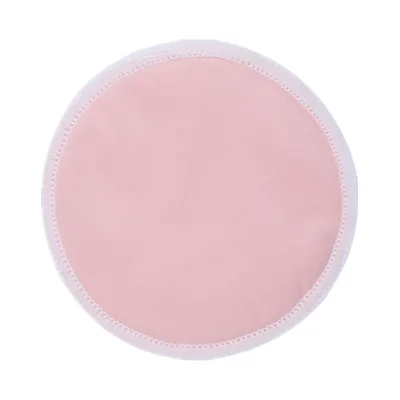
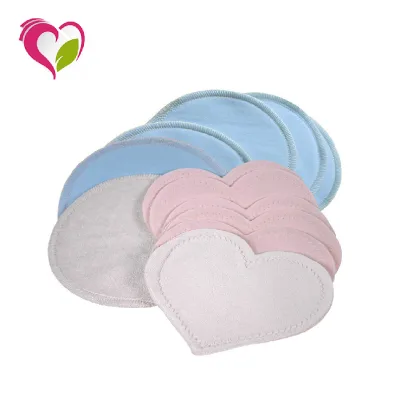
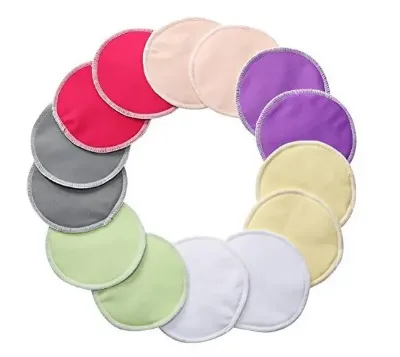
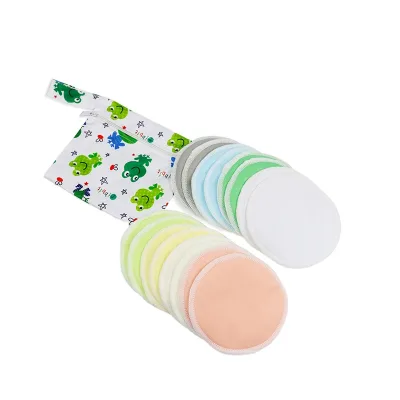
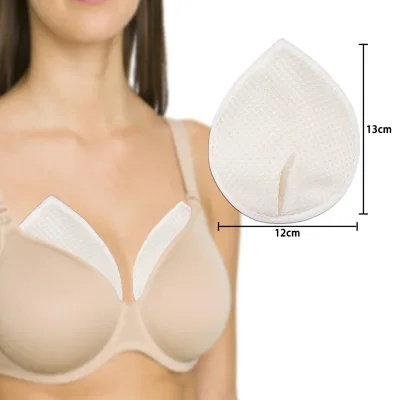
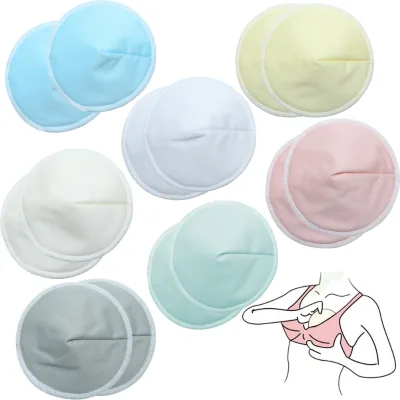
The observed product range includes variations in size, such as 8cm, 12cm, and 11x11cm options, alongside specific packaging configurations like Kraft paper boxes or OPP polybags. Sourcing strategies should prioritize suppliers who explicitly confirm the "non-disposable" nature of the items and the "embroidered" or "knitted" weaving methods. It is critical to validate that the "customized" logo and "private label" capabilities match the brand's specific requirements, ensuring the final product meets the aesthetic and functional standards expected for maternal care items.
Product Scope and Observed Listing Signals
Buyers should analyze the listing signals to confirm the product's primary function as a face cleaning or nursing aid, noting that some data points suggest a "face cleaning" function while others explicitly state "nursing pad." This discrepancy requires immediate supplier confirmation to ensure the item is not mislabeled or intended for a different hygiene application. The presence of "breast pads" and "breast pads disposable" in keywords suggests a need to rigorously filter for the "non-disposable" and "reusable" attributes to avoid purchasing single-use alternatives.
The commercial scope observed includes a wide MOQ range from 1 to 100,000 units, allowing flexibility for both sample testing and large-scale distribution. Pricing signals range from $0.02 to $0.60, but these figures must be contextualized against the specific material composition, such as bamboo or cotton, and the packaging type, which varies from single items to gift sets. Procurement teams must verify if the "OEM service" and "customized" design options are included within the base price or if they incur additional setup fees, as this significantly impacts the total cost of ownership.
Technical Specifications to Verify
Technical verification must begin with the physical dimensions, as the data presents multiple size specifications including 8cm, 12cm, and 11x11cm, alongside a standard listed as 12cm. Buyers need to confirm the exact size required for their target demographic, ensuring the product matches the "S, M, L" sizing options or specific centimeter measurements provided in the supplier's catalog. The weight variations, ranging from 12g to 5.6g, further indicate different material densities or layering techniques that must be validated against the desired comfort and absorbency levels.
Material composition is a critical technical parameter, with listings citing both bamboo and cotton as primary materials. Sourcing teams should request detailed fabric composition reports to confirm the "knitted" or "embroidered" weaving methods and ensure the "breathable" and "ultra soft" features are inherent to the specific model selected. Additionally, the "single package size" of 20x30x30 cm and the "single gross weight" of 2.000 kg must be cross-referenced with shipping calculations to prevent logistical errors and ensure accurate freight cost estimation.
Compliance and Safety Documentation
While the provided data mentions GOTS as a background certification, it is not confirmed as a high-confidence fact for the specific listings. Buyers must explicitly request valid GOTS or equivalent organic certification documents from the supplier to verify the safety of the bamboo and cotton materials used in direct contact with skin. Relying on unverified background information is insufficient for maternal care products, and procurement teams should treat any certification claims as pending until official documentation is received and validated.
Safety compliance also extends to the manufacturing standards and labeling requirements, particularly for products intended for women and infants. The "private label" and "customized" logo options must adhere to local regulatory standards regarding ingredient disclosure and safety warnings. Buyers should ensure that the "reusable" nature of the pads is supported by clear care instructions and that the materials do not contain harmful chemicals, requiring a review of the supplier's quality control protocols and material safety data sheets.
Cost Drivers and Commercial Terms
The cost structure is heavily influenced by the customization level, with "OEM" and "customized" packaging options like Kraft paper boxes or gift sets adding variable costs. Buyers should negotiate based on the specific packaging requirements, as the "1000 boxes/Carton" bulk packing differs significantly in cost from the "1PC/Kraft Paper Box" unit packaging. Understanding the relationship between the "sample time" of 3-5 days and the "7 days sample order lead time" is essential for budgeting the initial procurement phase and managing inventory timelines.
Commercial terms must account for the wide MOQ range, which allows for strategic ordering but requires careful financial planning. The observed price range of $0.02 to $0.60 suggests that unit costs fluctuate based on order volume and material selection, necessitating a clear understanding of the price break tiers. Procurement teams should clarify whether the "OEM service" includes design fees or if the "customized" logo application is charged per unit, ensuring that the total landed cost aligns with the target margin for the product line.
Supplier Qualification and Quality Control
Supplier qualification should focus on verifying the "Oem Service" capabilities and the consistency of the "customized" production runs. Buyers must assess the supplier's ability to maintain the "reusable" quality standards across different batches, particularly given the variations in material and size observed in the listings. The "7 days sample order lead time" support indicates a responsive supply chain, but this must be backed by a robust quality control process that ensures every unit meets the "comfortable" and "breathable" performance criteria.
Quality control protocols must specifically address the "knitted" and "embroidered" construction methods to prevent defects that could compromise the product's integrity. Since the data lists multiple product models like RST-4220 and RST-4222, buyers should implement a sampling strategy that tests each model for durability and washability. The "14 PCS/OPP Polybag" and "4 PCS/OPP Polybag" packing standards should be inspected to ensure that the packaging protects the product during transit and maintains the "ultra thin" and "ultra soft" characteristics upon arrival.
Long-Term Procurement Checks
Long-term procurement success depends on establishing a consistent supply chain for the "reusable nursing pads" that can adapt to changing market demands. Buyers should monitor the supplier's ability to maintain the "customized" design and "private label" features over multiple production cycles, ensuring that the brand identity remains consistent. Regular audits of the "bamboo" and "cotton" material sources are necessary to verify that the supply chain remains stable and that the "reusable" attributes do not degrade over time due to material fatigue.
Continuous performance monitoring is essential to validate the "breathable" and "comfortable" claims made in the product descriptions. Procurement teams should gather feedback from end-users regarding the "washable" nature of the pads and the effectiveness of the "embroidered" designs in real-world scenarios. By tracking these performance metrics, buyers can make data-driven decisions on whether to expand the order volume or switch to alternative models, ensuring the product line remains competitive and meets the evolving needs of the target demographic.
FAQs
Can these nursing pads be customized with a private label?
Yes, private labeling is available for these reusable nursing pads. Buyers can request custom logos and packaging designs to match their brand identity. The supplier accepts OEM services and offers customization options for patterns and colors. This allows businesses to create unique products that stand out in the market while maintaining the core functionality of the bamboo material.
What is the sample time for ordering these bamboo pads?
The sample time is typically 3-5 days for production. This quick turnaround allows buyers to evaluate the quality and fit of the reusable nursing pads before committing to a larger order. The supplier supports sample orders with a lead time of 7 days for delivery. This ensures that procurement teams can make informed decisions efficiently without significant delays.
What materials are used in these reusable nursing pads?
These nursing pads are primarily made from bamboo and cotton materials. The bamboo variant offers natural breathability and softness, while the cotton option provides ultra-soft and ultra-thin comfort. Both materials are designed to be washable and reusable, ensuring durability and cost-effectiveness for long-term use. The weaving method is knitted, enhancing the overall comfort and fit for the user.
How are these nursing pads packaged for shipment?
The pads are packaged in kraft paper boxes or customized packaging options. Individual units may come in OPP polybags, with quantities varying by model, such as 4 or 14 pieces per bag. Bulk cartons contain 1000 boxes each. This flexible packaging approach ensures product protection during transit while allowing buyers to choose options that align with their retail or distribution requirements.
What sizes are available for these reusable nursing pads?
Available sizes include S, M, and L to accommodate different needs. Specific dimensions such as 8cm, 11x11cm, and 12x12cm are offered across different models. The variety in sizing ensures a proper fit for various users. Buyers can select the appropriate size based on their target demographic or specific product requirements, ensuring optimal comfort and effectiveness during use.
Are these nursing pads disposable or reusable?
These nursing pads are non-disposable and designed for reuse. They are washable and durable, making them an eco-friendly alternative to disposable pads. The bamboo and cotton materials retain their shape and functionality after multiple washes. This reusability reduces waste and provides long-term value for consumers, aligning with sustainable sourcing practices and reducing the overall cost per use for buyers.