Source For Suzuki Valve for Engine Repair, Equipment, and Medicine
Find and compare 30 listings for For Suzuki Valve from verified suppliers in China. Buyers can review specifications like OE numbers, materials, and certifications to select the right part for engine repair, equipment, or medicine applications.
Key considerations
Products List

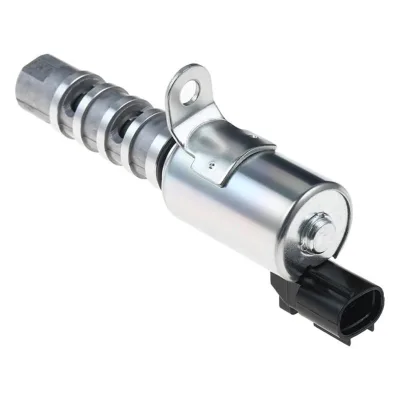


$100.00 - $400.00
MOQ: 1 Pieces

$100.00 - $400.00
MOQ: 1 Pieces

$100.00 - $400.00
MOQ: 1 Pieces


$100.00 - $400.00
MOQ: 1 Pieces

$100.00 - $400.00
MOQ: 1 Pieces


Negotiable
MOQ: 300 Pieces

Comprehensive Sourcing Guide
Strategic Sourcing Guide For Suzuki Valve Components
Procuring replacement valve assemblies for Suzuki equipment requires a disciplined approach that balances technical compatibility, regulatory compliance, and supply chain reliability. The market for automotive and industrial valve components is vast, yet the specific requirements for Suzuki applications demand precise verification of model numbers, material standards, and certification status. This guide outlines the essential steps for buyers to navigate the sourcing landscape effectively, ensuring that the selected components meet the rigorous operational demands of the original equipment manufacturer (OEM) specifications.
Technical Specifications and Model Verification
The foundation of any successful procurement strategy lies in the accurate identification of the component's technical specifications. In the context of Suzuki valve components, the model number is the primary identifier for compatibility. Buyers must cross-reference the specific part number against the equipment's service manual or existing inventory records. The observed market data indicates a variety of model identifiers, such as XC-MLS-JYKZF-71 and WG9719300005, which suggests that a single keyword search may yield results for different product lines.
When evaluating a potential supplier, the buyer must verify the "Model Number" and "OE NO." (Original Equipment Number) fields. For instance, a listing with the OE NO. 16550-51KA0 indicates a specific fitment that must match the target Suzuki unit. Furthermore, the physical dimensions and configuration are critical. Specifications such as "Camshaft Layout: Mid Mounted" and "Valve Layout: Top Mounted" provide insight into the internal architecture of the assembly. A mismatch in these layouts can lead to installation failures or performance degradation.
The material composition is another non-negotiable specification. The available data points to "Steel" as a common material for these components, which is essential for durability under high-pressure and high-temperature conditions. Buyers should also scrutinize the "Single package size" and "Single gross weight," as these affect logistics planning. For example, a package measuring 35x23x19 cm with a gross weight of 0.8 kg presents different shipping constraints compared to bulkier industrial units. The "Size" attribute, sometimes listed as "no" or unspecified in general catalogs, requires direct confirmation from the supplier to ensure it aligns with the physical space available in the equipment housing.
Compliance and Certification Standards
Regulatory compliance is a critical factor in international procurement, particularly for components that may be subject to safety regulations in the destination market. The supply chain for valve assemblies often includes various certifications that validate the manufacturing quality and safety standards. The observed data lists several certifications, including CE, CCC, CCCF, GS, and GB8013-2005. These indicate that the product has undergone testing for electrical safety, mechanical integrity, and specific Chinese national standards.
For buyers targeting markets in Europe, the CE marking is a mandatory requirement, signifying conformity with health, safety, and environmental protection standards. Similarly, the GS mark indicates German safety certification, which is highly regarded globally. The presence of ISO9001 certification is also a strong indicator of a supplier's commitment to quality management systems. However, buyers must treat these certifications as observations of specific listings rather than universal guarantees for all products under the "Suzuki valve" keyword. It is imperative to request valid, up-to-date certification documents for the specific batch being purchased.
Additionally, the "Standard" attribute in product listings can vary. Some entries reference "GB8013-2005," while others mention "Standard and oversize" or "By The Customer Needs." This variability highlights the need for buyers to verify the specific standard applicable to their region and application. For industrial equipment, compliance with local safety codes is often as important as the OEM specifications. Buyers should ensure that the supplier can provide a Declaration of Conformity that explicitly links the product to the relevant standards, rather than relying on generic marketing claims.
Cost Drivers and Pricing Structures
Understanding the cost drivers for valve components is essential for budgeting and negotiating effectively. The observed price range in the market spans from $0.01 to $99,999, a vast disparity that reflects the difference between small individual parts and large industrial assemblies. This range underscores the importance of defining the exact scope of the purchase before engaging with suppliers. A low unit price may indicate a smaller component, while a high price could reflect a complex assembly with advanced materials or specialized engineering.
The Minimum Order Quantity (MOQ) is another significant cost driver. The data shows an MOQ range from 1 piece to 50,000 pieces. For small repair shops or maintenance teams, an MOQ of 1 piece is highly advantageous, allowing for the procurement of single replacement units without incurring excessive inventory costs. Conversely, large-scale fleet operators may benefit from bulk purchasing, where the per-unit cost decreases significantly, provided the supplier can handle the volume.
Shipping costs also play a pivotal role in the total landed cost. The "prod_packing" and "Shipping" attributes indicate options ranging from "Ocean Freight" to "DHL FedEx TNT." Express shipping options like DHL or FedEx offer speed but come at a premium, whereas ocean freight is more economical for large, non-urgent shipments. Buyers must calculate the total cost of ownership, including freight, insurance, and potential customs duties, rather than focusing solely on the unit price. The "Selling Units" attribute, often listed as "Single item," suggests that many suppliers are willing to sell in small quantities, which can influence the overall cost structure for smaller buyers.
Typical Applications and Use Cases
Valve assemblies sourced for Suzuki applications serve a diverse range of industries, from automotive repair to heavy industrial equipment. The "Purpose" attribute, often described as "for replace/repair," confirms that these components are primarily intended for maintenance and restoration rather than original manufacturing. This distinction is important for buyers who need to ensure that the replacement part meets the same performance standards as the original component.
The "Application" field in the data points to "Medicine" and "Equipment," indicating that these valves are not limited to automotive use. In medical devices, precision and reliability are paramount, requiring valves that can withstand strict hygiene and operational standards. In industrial settings, the "Use for: Equipment" designation suggests that these valves are integral to machinery operation, where failure could lead to significant downtime.
The "Component" attribute, specifically "Valve Assembly," implies that the product may include multiple sub-components, such as the valve stem, seat, and spring, all integrated into a single unit. This modularity can simplify the repair process, as the entire assembly can be replaced rather than attempting to repair individual parts. Buyers should verify the "Camshaft Layout" and "Valve Layout" to ensure the assembly fits the specific mechanical configuration of their equipment. For example, a "Mid Mounted" camshaft layout requires a different valve train geometry than a "Top Mounted" configuration, and selecting the wrong assembly can render the equipment inoperable.
Supplier Evaluation and Selection Criteria
Selecting the right supplier is as critical as selecting the right part. The "Brand Name" and "Place of Origin" are key indicators of a supplier's background. Listings with brands like XCLPF and origins in Tianjin, Zhejiang, or Jiangsu, China, provide a geographical context for the manufacturing base. While these regions are known for robust manufacturing capabilities, buyers should not assume that all products from these locations meet the same quality standards.
The "Condition" attribute, typically listed as "New," is a basic requirement for replacement parts. However, buyers should also inquire about the "Warranty" period. The observed data mentions a "3 mouths" (likely a typo for months) warranty, which is a standard offering for many components. A longer warranty period can indicate the supplier's confidence in the product's durability. Additionally, the "Customization" attribute, marked as "Available," suggests that some suppliers may offer tailored solutions, such as specific packaging or modified specifications, which can be valuable for unique procurement needs.
Buyers should also evaluate the supplier's logistics capabilities. The "prod_packing" options, ranging from "in Carton" to "Jinbao/Netural/Customize," reflect the supplier's flexibility in handling different shipping requirements. For fragile or high-value items, custom packaging may be necessary to prevent damage during transit. The "Shipping" methods, including "Sea Shipping," "Air Shipping," and "Express," offer various trade-offs between speed and cost. A reliable supplier should be able to provide multiple shipping options and transparent tracking information.
Quality Control and Long-Term Procurement
Ensuring consistent quality over time is a major challenge in B2B procurement. The "Quality" attribute, often described as "High-Quality," is a subjective claim that must be validated through objective measures. Buyers should request quality control reports, such as material test certificates or dimensional inspection records, to verify that the components meet the specified standards. The "Standard" attribute, which can range from "Normal" to "Standard and oversize," further emphasizes the need for precise verification.
Long-term procurement considerations include the availability of spare parts and the stability of the supply chain. The "MOQ" flexibility is a key indicator of a supplier's ability to support both immediate needs and future maintenance cycles. A supplier that can accommodate orders as small as 1 piece is more likely to be a reliable partner for ongoing maintenance, whereas a supplier with a high MOQ may be better suited for initial equipment installation.
Buyers should also consider the "Single package size" and "Single gross weight" when planning for long-term storage and distribution. These factors influence warehousing costs and the efficiency of the supply chain. For example, a compact package size allows for higher storage density, reducing overhead costs. Additionally, the "Filter Connector" type, such as "Flat Connector," must be compatible with the existing system to ensure seamless integration.
Comparison of Key Product Attributes
To facilitate a clearer understanding of the variations in the market, the following table summarizes the key attributes observed in the product listings. This comparison helps buyers identify the specific requirements for their procurement needs.
| Attribute | Observed Values | Implication for Buyer |
|---|---|---|
| Model Number | XC-MLS-JYKZF-71, WG9719300005, A11383574 | Must match OEM specifications exactly. |
| Material | Steel | Essential for durability and pressure resistance. |
| Certification | CE, CCC, ISO9001, GB8013-2005 | Verify validity for target market compliance. |
| MOQ | 1 to 50,000 pieces | Determines inventory strategy and cash flow. |
| Warranty | 3 months | Indicates supplier confidence; check terms. |
| Origin | Tianjin, Zhejiang, Jiangsu, China | Regional manufacturing hubs; verify quality. |
| Packing | Carton, Jinbao, Neutral, Custom | Affects shipping costs and product protection. |
| Shipping | Sea, Air, Express | Balance speed vs. cost based on urgency. |
Final Procurement Considerations
In conclusion, sourcing valve components for Suzuki equipment requires a meticulous approach that prioritizes technical accuracy, regulatory compliance, and supplier reliability. Buyers must navigate a complex landscape of model numbers, material standards, and certification requirements to ensure the selected components meet the specific needs of their applications. By carefully evaluating the technical specifications, verifying certifications, and understanding the cost drivers, buyers can make informed decisions that minimize risk and maximize value. The availability of customization and flexible MOQ options further enhances the ability to tailor procurement strategies to specific operational requirements. Ultimately, the success of the procurement process depends on a thorough understanding of the product attributes and a commitment to quality assurance throughout the supply chain.
FAQs
What certifications are available For Suzuki Valve components?
Available certifications include CE, CCC, CCCF, GS, GB8013-2005, and ISO9001. These marks indicate compliance with specific safety and quality standards, but buyers must verify documents for each specific batch rather than assuming universal coverage for all listings.
How can I find Suzuki valve parts with low minimum order quantities?
You can find parts with an MOQ of 1 piece or as low as 100 pieces depending on the supplier. This flexibility allows small repair shops to purchase single items without incurring excessive inventory costs compared to bulk-only vendors.
Which specifications define the physical dimensions of these valve assemblies?
Specifications include a single package size of 35x23x19 cm and a gross weight of 0.8 kg. Some listings also note a weight of 200g or unspecified size, requiring direct confirmation from the supplier to ensure fitment within the equipment housing.
Can I get customized packaging for my Suzuki valve orders?
Yes, customization is available for packaging options like Jinbao, Netural, or standard cartons. Suppliers offer these flexible solutions to prevent damage during transit, especially for fragile or high-value items requiring specific handling protocols.
What is the warranty period for new Suzuki valve components?
A standard warranty period of 3 months is commonly offered for new components. This duration reflects the supplier's confidence in product durability, though buyers should confirm specific terms for each batch to ensure adequate protection against defects.
Which shipping methods are available for international Suzuki valve delivery?
Shipping options include Sea Shipping, Air Shipping, and Express services like DHL, FedEx, or TNT. Buyers should calculate total landed costs including freight and customs duties, as express options offer speed while ocean freight provides economy for large shipments.