Source Custom Pajamas for Home, Sleep, and Lounging
Source 30 pajamas options for home comfort and sleep. Compare materials like cotton and polyester, styles including nightgowns and sets, and customization features for adults and children. Evaluate supply abilities, lead times, and packaging details to find the best fit for your business needs.
Key considerations
Products List






Comprehensive Sourcing Guide
Pajamas Sourcing Guide
The global market for sleepwear presents a diverse range of options, from children's sets to adult costumes, with observed listing prices spanning from $0.50 to $95. Buyers must navigate a complex landscape where product attributes vary significantly, including specific models like P213 and 017-038, alongside generic descriptions such as "pajamas" or "Romper Pajama-073I." Understanding these distinct identifiers is crucial for aligning procurement with specific design requirements, as the available inventory includes items with customizable colors and various functional claims ranging from simple comfort to seasonal warmth.
Sourcing strategies must account for the wide variance in supply capabilities and minimum order quantities observed across listings. While some suppliers offer immediate stock with a minimum order of just one unit, others operate with a supply ability of 5,000 sets per week and require larger commitments. The availability of customization services allows for tailored designs, yet buyers must verify if the specific model they select supports these features. Additionally, the origin of goods, primarily from Shanghai and Guangdong, influences logistics planning and potential tariff implications for international buyers seeking these textile products.
Product Scope and Observed Listing Signals
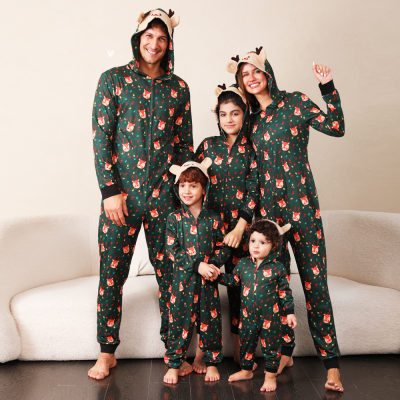
Buyers should first categorize products by their intended age group and function, as listings explicitly distinguish between children's wear and adult options. The observed data indicates a strong presence of items designed for home comfort, with some specific entries targeting seasonal needs like spring and autumn. Furthermore, certain product lines are marketed with specific aesthetic functions, such as "sexy" or "Christmas Costume" themes, which require careful vetting to ensure they match the buyer's brand positioning and target demographic expectations.
Material composition and weave type are critical signals that define the tactile quality and durability of the sleepwear. The market offers a mix of materials, including 100% cotton, polyester, and polyester-cotton blends, each offering different breathability and care characteristics. Weave methods vary from plain knitting to jacquard and woven techniques, directly impacting the final texture and drape of the garment. Procurement teams must verify these technical details against their quality standards, as the listed attributes are observations rather than universal guarantees for every item in the catalog.
Technical Specifications to Verify
Dimensional and weight specifications require rigorous verification to ensure consistency across production batches. Listings show significant variation in standard weights, ranging from 0.2kg to 0.3kg, and packaging dimensions that can reach 50453CM. Buyers must confirm that the specific model they order matches the required weight and size profiles, as these factors directly influence shipping costs and retail packaging efficiency. Relying on generic descriptions without checking the specific model number, such as Pajama Set-095N, can lead to discrepancies in the final delivered product.
Collar styles and sleeve configurations are essential design elements that must be confirmed before placing large orders. The data highlights specific features like stand collars and long sleeves, which are common in adult and women's sleepwear lines. However, the availability of these features depends on the specific product model and customization options offered by the supplier. Buyers should request detailed technical drawings or samples to validate that the sleeve style and collar design align with their design brief, ensuring the final product meets the intended aesthetic and functional requirements.
Compliance and Safety Documentation
Certification status is a primary indicator of safety and ethical compliance for textile products entering international markets. Some suppliers list recognized certifications such as BSCI and Oeko-Tex 100, which validate adherence to social responsibility and chemical safety standards. However, buyers must treat these claims as specific to the listed items and verify the validity of the certificates for the exact production batch. Relying on general category knowledge without confirming the specific certification status of the ordered goods can expose the buyer to regulatory risks and brand reputation damage.
Quality control metrics, such as the AQL 2.5-4 standard, provide a framework for acceptable defect rates but require clear definition in the purchase agreement. The observed data mentions specific quality levels, yet the interpretation of these metrics can vary between suppliers. Buyers should explicitly define what constitutes a major or minor defect within the contract to ensure that the delivered goods meet the agreed-upon quality threshold. Without a clear, mutually understood definition of these quality parameters, disputes over product acceptance may arise upon delivery.
Cost Drivers and Commercial Terms
Pricing structures in the pajama market are influenced by material costs, customization levels, and order volume. The observed price range of $0.50 to $95 reflects the diversity from basic polyester items to more complex, customized designs. Buyers must understand that lower unit costs often correlate with higher minimum order quantities or simpler material compositions. Conversely, requests for custom colors, specific weaves, or unique packaging details will likely increase the per-unit price and may affect the overall commercial terms of the agreement.
Lead times and sample policies are critical commercial terms that impact the speed to market for new product lines. While some suppliers support a 7-day sample order lead time, full production delivery can take 30-45 days after the pre-production sample is confirmed. The availability of stock items can expedite the process, but custom orders require a longer timeline for production and quality checks. Buyers should negotiate clear delivery schedules and sample approval processes to avoid delays that could disrupt their retail calendar or promotional campaigns.
Supplier Qualification and Quality Control
Supplier qualification involves assessing their production capacity and ability to meet fluctuating demand. The data indicates a supply ability of 5,000 sets per week for some vendors, with an available quantity of 10,000 sets in stock. However, buyers must verify if this capacity is consistent and scalable for larger orders. A supplier's ability to maintain this output while adhering to quality standards is a key indicator of their reliability. Procurement teams should conduct audits or request references to confirm that the supplier can sustain their claimed production levels without compromising on product integrity.
Quality control processes must be integrated into the procurement workflow to ensure consistent product standards. The mention of specific quality metrics like AQL 2.5-4 suggests that some suppliers have established inspection protocols. Buyers should require a detailed quality control plan that outlines inspection points, testing methods, and acceptance criteria before production begins. Regular communication and third-party inspections can help mitigate risks associated with quality variations, ensuring that the final products meet the buyer's expectations and brand standards.
Long-Term Procurement Checks
Sustainable sourcing practices require ongoing monitoring of supplier performance and adherence to ethical standards. The presence of certifications like BSCI indicates a commitment to social compliance, but these should be reviewed regularly to ensure continued adherence. Buyers should establish a schedule for re-evaluating supplier certifications and conducting periodic audits to verify that labor practices and environmental standards remain consistent over time. This proactive approach helps maintain a responsible supply chain and mitigates the risk of reputational damage associated with non-compliant suppliers.
Continuous improvement in product design and material selection is essential for maintaining competitiveness in the sleepwear market. Buyers should engage in regular feedback loops with suppliers to identify opportunities for innovation, such as new fabric blends or more efficient manufacturing techniques. The ability to customize products allows for adaptation to changing consumer trends, but this requires a flexible and responsive supply chain. Establishing a long-term partnership based on mutual trust and shared goals for quality and efficiency will drive better outcomes for both the buyer and the supplier.
FAQs
What materials are used for these pajamas?
The pajamas are crafted from 100% cotton, polyester, or polyester/cotton blends. These materials ensure comfort and durability for home wear. The knitting or weaving methods vary by style, including plain dyed or jacquard weave options. Buyers can select the fabric that best suits their seasonal needs and comfort preferences.
Can I customize the color and design?
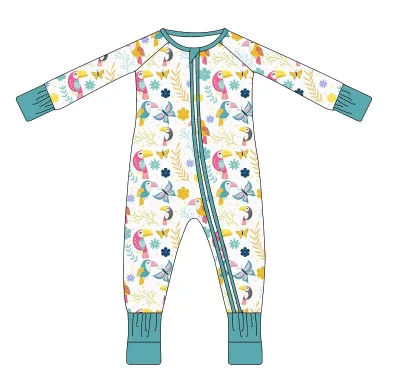
Yes, customization is available for color and design. The product supports customizable colors and nice designs to meet specific requirements. Buyers can request specific patterns, such as cartoon prints, or choose solid colors. This flexibility allows for tailored solutions for different age groups and seasonal collections.
What is the minimum order quantity?
The minimum order quantity starts at 1 piece. This low MOQ allows buyers to test the market with minimal risk. The supply ability is 5000 sets per week, with 10000 sets available in stock. This ensures quick fulfillment for both small trial orders and larger bulk purchases.
How long does sample production take?
Sample orders are supported with a lead time of 7 days. For bulk production, delivery takes 30-45 days after the pre-production sample is confirmed. The sample time is within 2 weeks. This structure allows buyers to verify quality and design before committing to large-scale manufacturing.
Are the pajamas suitable for adults?
Yes, the pajamas are available for both children and adults. The product line includes items for women and general adult wear. Functions include warmth, comfort, and home use. Styles range from nightgowns to pajama sets, ensuring options for various adult preferences and seasonal requirements like spring or autumn.
What certifications do the products have?
The products hold BSCI and Oeko-Tex 100 certifications. These standards ensure ethical manufacturing and safe material usage. The quality is controlled to Aql2.5-4 standards. Buyers can trust the compliance and safety of the pajamas, making them suitable for international markets with strict regulatory requirements.